bluename
 How to Grow Drosera Cuneifolia (Wedge-Leaved Sundew): A Complete Care Guide
You've brought home the captivating Drosera cuneifolia, with its glistening, wedge-shaped leaves promising a fascinating display of natural insect control. But now, the anxiety sets in. Why are the dewdrops disappearing? Is it getting enough light? Is the soil wrong? Keeping this unique South African sundew thriving can feel like a delicate puzzle. Unlike common houseplants, its survival hinges on mimicking specific natural conditions. This guide cuts through the confusion, providing clear, step-by-step instructions to transform your worry into success, ensuring your Wedge-Leaved Sundew not only survives but flourishes.
Understanding Your Drosera Cuneifolia
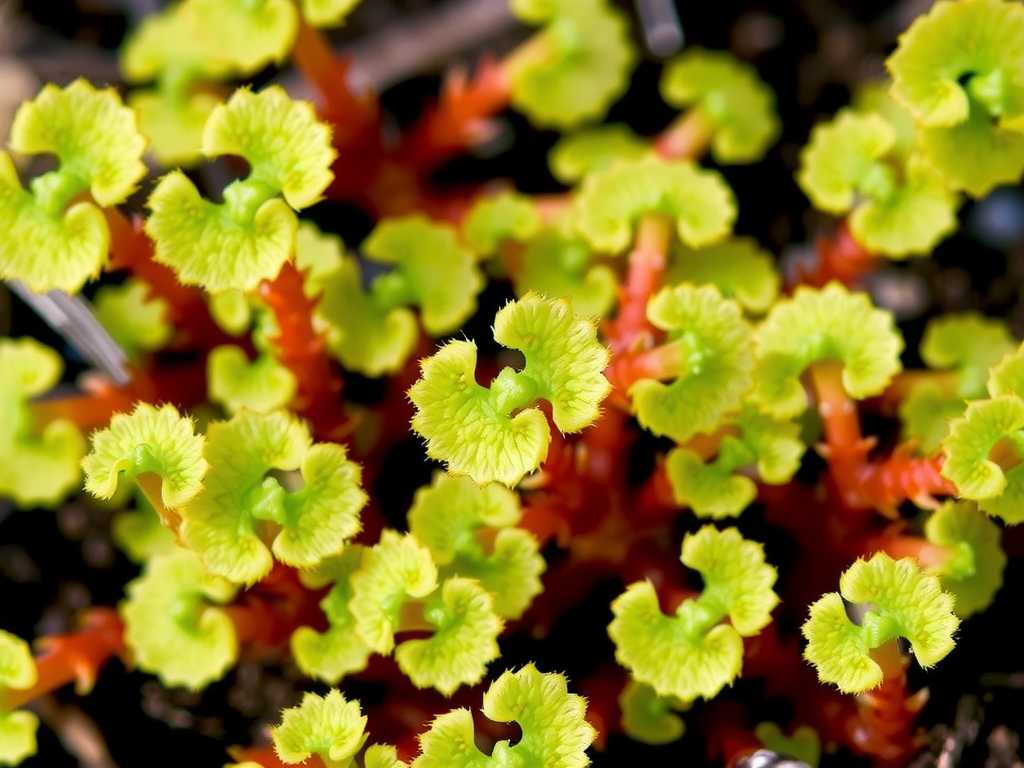
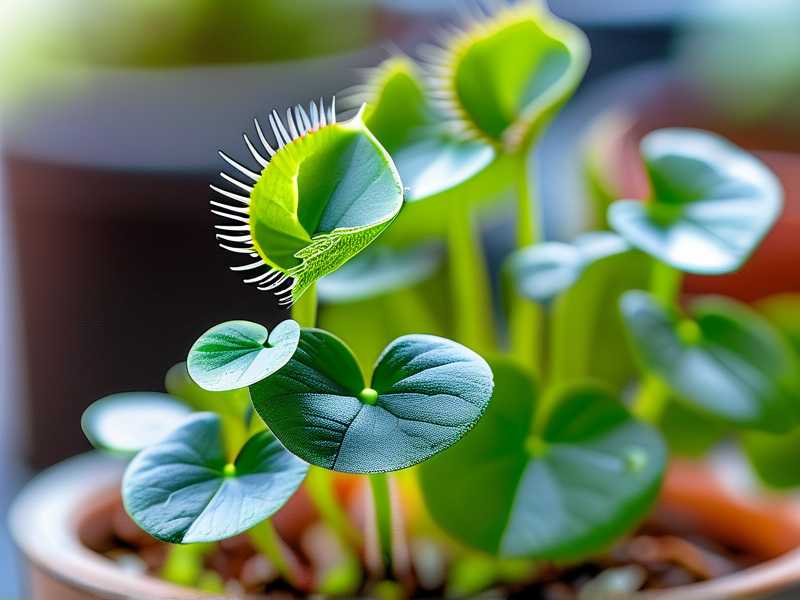
Native to the sandstone slopes and seeps of the Cape region in South Africa, Drosera cuneifolia is a perennial, rosette-forming sundew. Its common name, "Wedge-Leaved Sundew," directly describes its distinctive spoon-shaped or triangular leaves. Each leaf is densely covered with red, glandular tentacles that secrete a sticky mucilage—the "dew" that attracts, traps, and digests small insects. This carnivorous adaptation allows it to thrive in nutrient-poor, waterlogged soils where other plants struggle. In summer, it can send up tall flower stalks bearing attractive pink or white blooms. Understanding this origin is the first key to replicating its habitat in your home.
Essential Growing Conditions for Wedge-Leaved Sundew
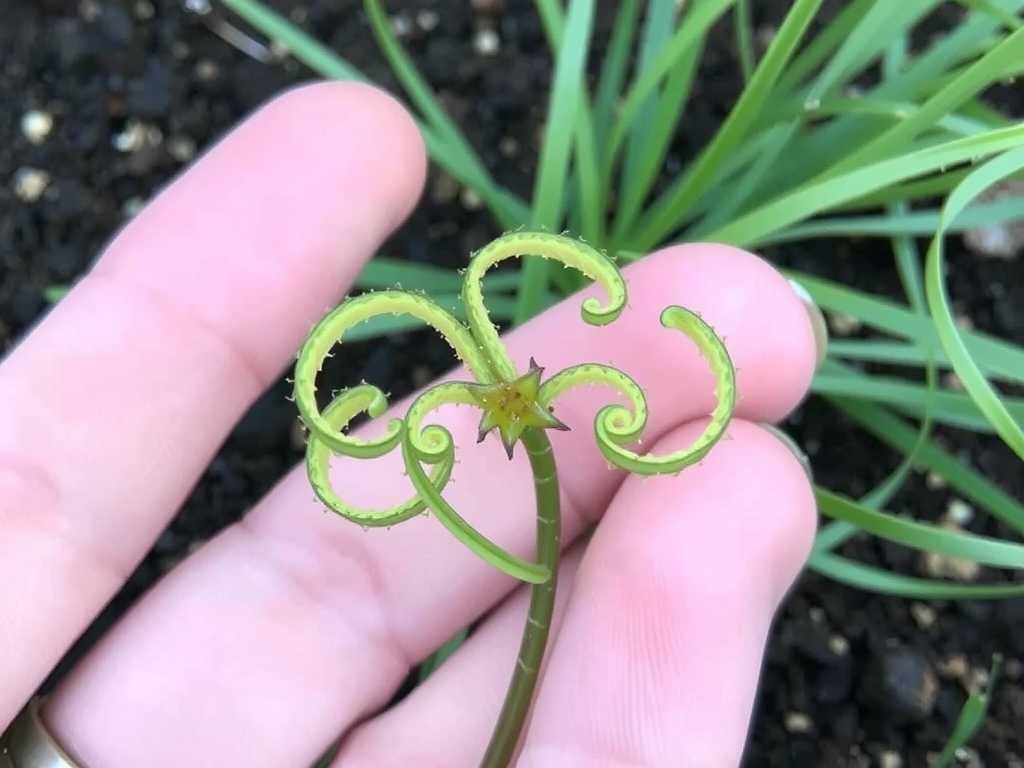
Success with Drosera cuneifolia is built on four non-negotiable pillars: water, light, soil, and humidity. Getting these fundamentals right solves 90% of common growing problems.
Water: The Absolute Priority Never, ever let the soil dry out. Drosera cuneifolia requires constant moisture. The gold standard is the tray method. Place your pot in a permanent saucer or tray filled with 0.5 to 1 inch of water. Always use low-mineral water. Tap water, with its dissolved salts and minerals, will quickly accumulate in the soil, burn the roots, and kill the plant. Expert growers unanimously recommend using only rainwater, distilled water, or reverse osmosis (RO) water. As noted in the International Carnivorous Plant Society's care sheets, mineral buildup is a leading cause of failure for beginner growers.
Light: Fuel for Sticky Dew Abundant light is crucial for robust growth and the production of that characteristic sticky dew. Your plant needs at least 4-6 hours of direct sunlight daily, with bright, indirect light for the rest of the day. A south-facing window is ideal in the Northern Hemisphere. Insufficient light leads to weak, etiolated growth, loss of red coloration, and a lack of dew. If natural light is insufficient, supplement with a strong LED or fluorescent grow light placed 6-12 inches above the plant for 12-14 hours a day.
Soil Mix: Creating the Perfect Foundation This sundew demands a nutrient-free, acidic, and well-draining-yet-moisture-retentive medium. A standard carnivorous plant mix works perfectly. Combine 1 part peat moss with 1 part perlite or horticultural sand. Ensure the sand is silica-based and not calcareous (like beach or builder's sand), which would alter the pH. Pre-moisten the mix with your chosen water before potting. Never use standard potting soil, compost, or fertilizer; these are lethal.
Temperature and Humidity Drosera cuneifolia adapts well to typical household temperatures, thriving in a range of 60-85°F (15-29°C). It can tolerate brief dips near freezing if acclimated but prefers consistent mild conditions. While it appreciates moderate humidity (above 50%), it is less demanding than tropical sundews. The constant moisture from the tray method usually creates adequate local humidity. In very dry climates, a humidifier or open terrarium can help.
Step-by-Step Planting and Potting Guide
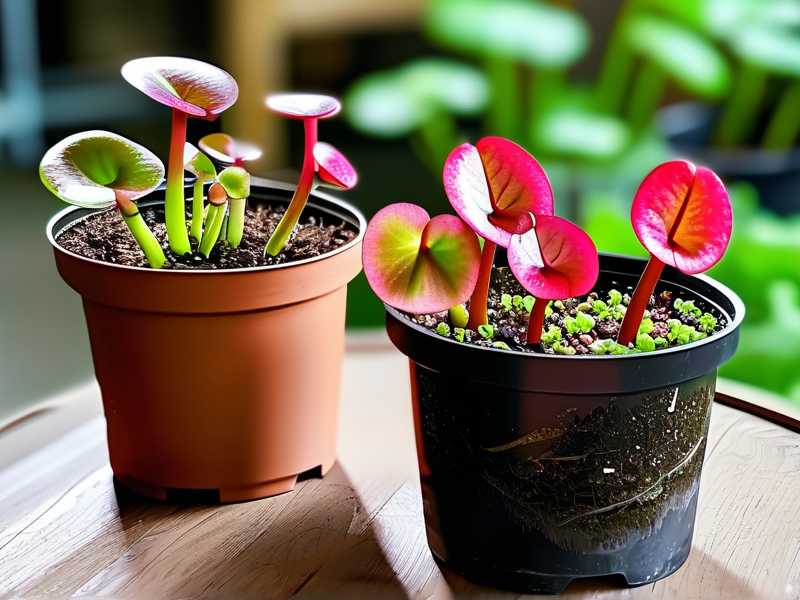
- Pot Selection: Choose a plastic or glazed ceramic pot with ample drainage holes. Avoid terracotta, as it leaches minerals and dries out too quickly. A 4-6 inch pot is usually sufficient.
- Prepare the Medium: Thoroughly rinse the perlite/sand to remove dust. Mix it with the peat moss in a large bowl. Slowly add distilled or rainwater until the mix is damp but not soupy.
- Planting: Fill the pot with the prepared mix. Create a small hole, gently place the Drosera cuneifolia's roots inside, and firm the medium around the base. The crown (where leaves emerge) should be at the surface.
- Initial Watering: Water thoroughly from the top with your purified water until it runs freely from the drainage holes. Immediately place the pot in its permanent water tray.
Ongoing Care and Maintenance
Feeding Your Carnivorous Plant Your sundew is designed to catch its own food. If grown outdoors or on a sunny windowsill, it will readily catch gnats and other small insects. Do not feed it human food, meat, or large insects, which can rot and damage the leaf. If grown indoors without access to bugs, you can supplement by placing a very small, dead insect (like a fruit fly or pinhead cricket) on a leaf every 2-4 weeks. One leaf can digest one insect at a time. Overfeeding is unnecessary and harmful.
Pruning and Grooming As leaves age, they will turn black and die. Simply snip these off at the base with clean scissors to keep the plant tidy and prevent mold. When the flower stalk finishes blooming, you can cut it off if you wish to redirect the plant's energy back to leaf growth.
Seasonal Changes and Dormancy Drosera cuneifolia may experience a semi-dormant period in winter, especially with cooler temperatures and shorter days. Growth may slow, and some leaves may die back. This is normal. During this time, you can slightly reduce the water level in the tray (just keep the soil moist) but never let it dry completely. Growth will resume vigorously in spring.
Troubleshooting Common Problems
- Lack of Dew: Almost always caused by insufficient light. Increase light intensity or duration.
- Leaves Turning Black: Normal for old leaves. If new leaves are blackening, check for mineral-contaminated water, overly dry soil, or fertilizer exposure.
- Mold or Fungus: Caused by poor air circulation, overcrowding, or decaying matter. Remove dead leaves, improve airflow, and consider a fungicide suitable for carnivorous plants.
- Weak, Stretched Growth (Etiolation): A definitive sign of too little light.
- Pests: Aphids or fungus gnats can occasionally be an issue. For aphids, physically remove them or apply a diluted insecticidal soap carefully, avoiding the soil. For fungus gnats, the sundew itself is excellent control!
Propagating Drosera Cuneifolia
You can expand your collection through several easy methods:
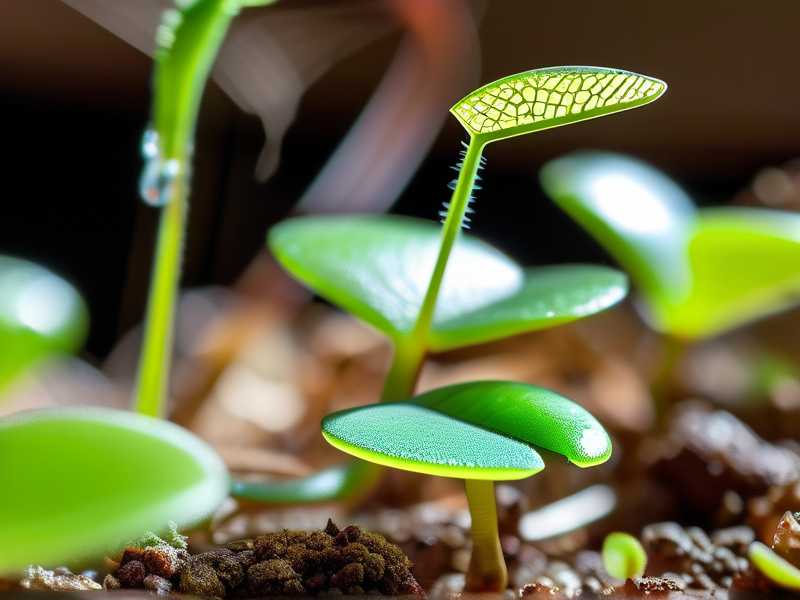
- Leaf Cuttings: Place a healthy leaf, dew-side up, on moist sphagnum moss. Keep it humid and bright. Tiny plantlets will form at the base in a few weeks.
- Flower Stalk Cuttings: Before flowers open, cut the stalk and lay it on damp soil. Plantlets may form.
- Seed Sowing: Sow tiny seeds on the surface of your soil mix. Keep consistently moist and under bright light. Germination can take several weeks.
Frequently Asked Questions
Can I grow Drosera cuneifolia with other plants? It is best grown alone or with other carnivorous plants that share the exact same requirements (constant purified water, nutrient-free soil). Do not pot it with non-carnivorous plants, as their needs are incompatible.
Why is my sundew not catching bugs? If it has plentiful dew, it is catching microscopic insects you may not see. If it lacks dew, address light issues first. In a very sterile indoor environment, occasional supplemental feeding as described above is beneficial but not required for survival.
Do I need to fertilize my Wedge-Leaved Sundew? No. Fertilizer is the fastest way to kill your plant. It is adapted to extremely poor soil and obtains all necessary nutrients from captured insects. The roots serve only for water uptake and anchorage.
Growing Drosera cuneifolia is a rewarding journey into the world of specialized botany. By faithfully providing pure water, intense light, and the correct soil, you create a window into a unique ecological niche. Observe your plant closely; its vibrant color and glistening dew are the best indicators of perfect health. Embrace the learning process, start with the basics, and you'll be rewarded with the enduring, fascinating presence of this remarkable carnivorous species.