bluename
 Why Your Sundew Roots Are Stagnant and How to Fix It for Vibrant Growth
You’ve carefully chosen the perfect pot, mixed a special soil blend, and placed your sundew in bright light. Yet, despite your attentive care, the plant seems stuck. The leaves may be producing dew, but there’s no sign of vigorous new growth from the center, and the root system appears completely inactive. This frustrating scenario, where sundew roots are not growing, is a common hurdle for both new and experienced carnivorous plant enthusiasts. It signals that a fundamental need of the plant is not being met. Understanding and fixing this root stagnation is crucial, as a healthy, expanding root system is the unseen engine for everything we love about sundews: prolific dew production, constant new leaf formation, and successful flowering. This guide will diagnose the root causes and provide clear, actionable solutions to transform your stagnant sundew into a thriving specimen.
Understanding the Unique Sundew Root System
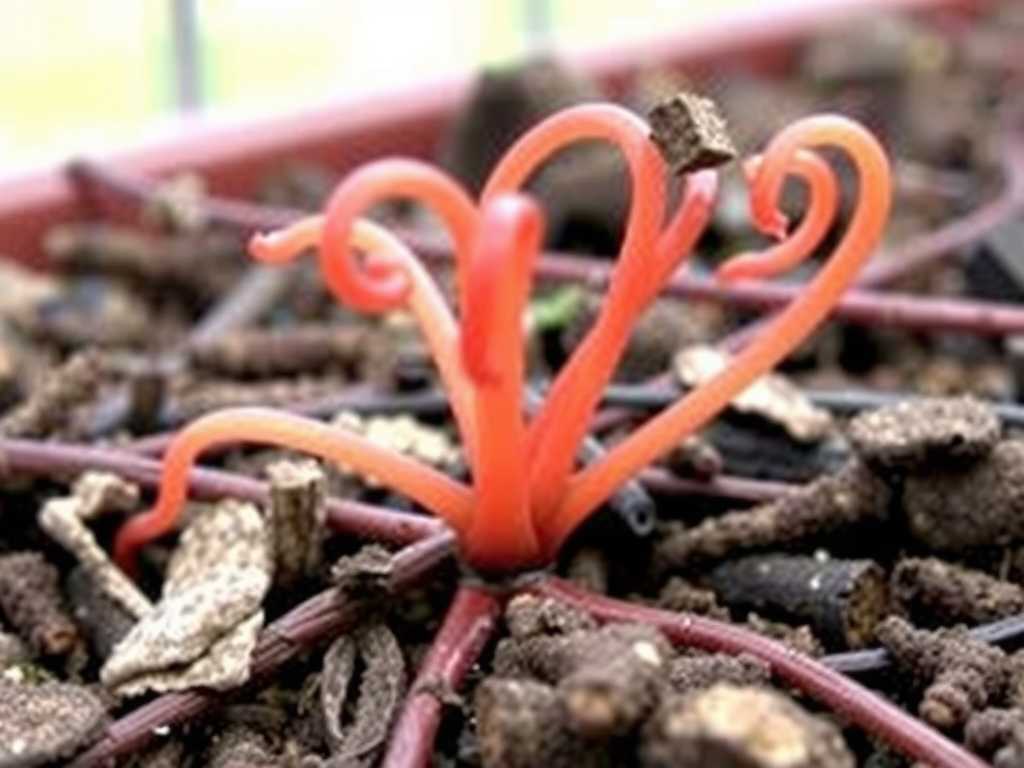
Before diving into fixes, it’s essential to know what you’re working with. Unlike many houseplants that develop dense, fibrous root balls, sundews (Drosera species) typically possess a relatively sparse and delicate root system. Their primary functions are anchorage and water absorption, not extensive nutrient storage. This design makes them exceptionally sensitive to their underground environment. When conditions are wrong, root growth is the first process to halt, acting as an early warning system for the plant’s overall health. Recognizing this sensitivity is the first step in effective troubleshooting.
Diagnosing the Core Issues Behind Stunted Sundew Roots
Root growth failure is almost always a symptom, not the disease itself. The following factors are the most common culprits.
Incorrect Watering: The #1 Cause of Root Problems
Water is the lifeblood of sundews, but the type and method are non-negotiable.
- Wrong Water Source: Tap water, bottled mineral water, or filtered water often contain dissolved salts and minerals (Total Dissolved Solids - TDS). These accumulate in the soil, creating a toxic environment that burns delicate root tips and prevents water uptake, a condition akin to chemical root burn. This is the most frequent reason for a sundew’s roots not developing properly.
- Improper Watering Technique: The classic "tray method" is recommended for most sundews. This involves keeping the pot sitting in 0.5 to 1 inch of water at all times. Allowing the soil to dry out completely, even briefly, can cause fine root hairs to desiccate and die. Conversely, submerging the crown of the plant (where leaves emerge) in deep water can lead to rot.
Unsuitable Soil Medium: Suffocating the Roots
Standard potting mixes are fatal to sundews. They retain too much moisture, compact over time, and are rich in nutrients and fertilizers that will poison the plant.
- Compacted or Degraded Mix: Over time, even a proper carnivorous plant soil can break down, become compacted, and lose aeration. Roots require oxygen as much as they need water; compacted soil suffocates them, halting all growth.
- Nutrient-Rich Contamination: Any fertilizer, standard potting soil, or mineral-rich additive in the mix will harm the roots. Sundews are adapted to nutrient-poor environments and obtain their nutrition through their leaves.
Environmental Stress Factors
- Dormancy Disregard: Many temperate sundew species (like Drosera rotundifolia or D. filiformis) require a cold winter dormancy period. If this need is not met, the plant becomes exhausted, and root growth ceases as part of its confused lifecycle. Attempting to force year-round growth in a species that requires dormancy is a primary cause of long-term decline.
- Insufficient Light: While light directly fuels leaf and dew production, a chronically under-lit sundew lacks the overall energy to invest in root expansion. The plant enters a survival mode, maintaining only essential functions.
Step-by-Step Solutions to Revive and Stimulate Root Growth
1. Immediate Correction: Flush and Hydrate Correctly Your first action is to address potential mineral buildup. Remove the pot from any saucer and slowly pour a large volume of distilled water, reverse osmosis (RO) water, or rainwater through the soil. Let it flow freely out the drainage holes for a minute. This helps leach out accumulated salts. Then, place the pot in a shallow tray and fill it with the correct water (distilled/RO/rainwater) to about half an inch. Maintain this level consistently.
2. The Soil Overhaul: Repotting for Success If flushing doesn’t lead to improvement within a few weeks, or if the soil looks old and dense, repotting is necessary.
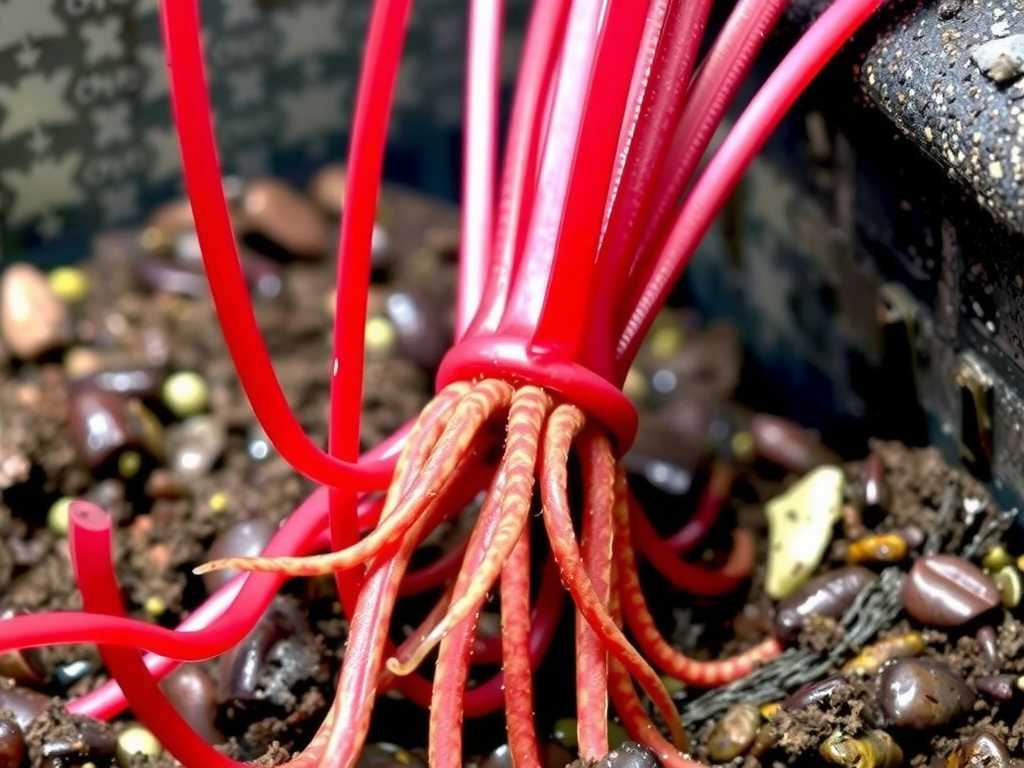
- Gently remove the sundew from its current pot, carefully teasing away the old soil from the roots. Rinse the roots gently with distilled water if needed.
- Prepare a fresh, airy mix. A standard and effective recipe is a 50:50 blend of sphagnum peat moss and perlite. Ensure the peat moss is nutrient-free and the perlite is rinsed. Long-fiber sphagnum moss alone is also an excellent option.
- Choose an appropriate pot. A plastic pot with ample drainage holes is ideal. The pot should be just large enough to accommodate the current root system with a little room for growth; overly large pots stay wet too long.
- Repot carefully, creating a hole for the roots and settling the plant so its crown is just at the soil surface. Water thoroughly with your purified water to settle the medium.
3. Environmental Optimization
- Maximize Light: Provide as much bright, direct light as possible. A south-facing window is the minimum. For robust growth that supports root development, most growers find a necessity for using strong LED or fluorescent grow lights for 12-14 hours a day.
- Respect Dormancy: Research your specific sundew species. If it requires dormancy, provide a cold period (35-50°F / 2-10°C) for 3-4 months in winter, with reduced light and slightly damp (but not waterlogged) soil. This rest period is crucial for long-term health and vigorous spring root growth.
4. Patience and Observation After implementing these corrections, focus on providing consistent care. Root growth happens out of sight and can take weeks to resume. Look for signs of success in the foliage: a brighter green color, the emergence of new leaves from the center, and increased dew production. These are reliable indicators that the roots have begun their recovery and are functioning again.
Expert Insight for Preventing Future Root Issues
Prevention is always simpler than cure. Matt Miller, a curator specializing in carnivorous plants, emphasizes consistency: "The key to a thriving sundew isn't complex rituals, but unwavering consistency in its core needs: pure water, humid air, and intense light. Get those right, and the roots—and the plant—will take care of themselves." Adopting a preventative mindset by using only the correct water and soil from the start will save you from most root-related headaches.
Frequently Asked Questions
Can I use fertilizer to help my sundew if the roots aren’t growing? Absolutely not. Applying fertilizer to the soil or roots is one of the fastest ways to kill your sundew. Their roots are not adapted to absorb nutrients from the soil. If the plant is struggling due to root issues, adding fertilizer will only compound the stress and likely cause severe burn. Nutrition must come from captured insects via their leaves.
How long does it take to see improvement after fixing the water and soil? Visible improvement in the above-ground parts of the plant can take 2-4 weeks. However, new root initiation may begin sooner, just out of view. The most important thing is to maintain perfect conditions and avoid disturbing the plant. Patience is essential.
My sundew is in the correct soil and water but still isn’t growing. What else could it be? Insufficient light is the most likely remaining factor. Sundews are full-sun plants. Even a bright windowsill is often inadequate, especially outside of summer. Invest in a powerful grow light placed 6-12 inches above the plant. The other possibility is an unmet dormancy requirement for temperate species, which will cause gradual decline over years.
Reviving a sundew with stalled root growth hinges on returning to the fundamentals of its care. By systematically eliminating the threats of mineral-laden water and nutrient-rich, compacted soil, and by providing the intense light it craves, you create the conditions where the plant has no choice but to thrive. The process requires diligence and patience, but the reward—watching your once-stagnant sundew erupt with new, dewy leaves—is a clear testament to getting the basics right. Remember, focus on the environment beneath the surface, and the spectacular growth above it will follow.