bluename
 How to Fix Sundew Soil Being Too Wet: A Complete Rescue Guide
You’ve lovingly placed your sundew in a bright spot, faithfully keeping its tray filled with water, only to notice something’s wrong. The once vibrant, dewy tentacles are now sparse or blackening, the growth has stalled, and the soil surface feels perpetually soggy or even shows signs of algae or mold. This is the classic and distressing sign of sundew soil being too wet. While these carnivorous plants thrive in moist conditions, "wet feet" is a silent killer, leading to root rot and plant decline. Don’t panic. This comprehensive guide will walk you through diagnosing the problem, implementing immediate rescue steps, and establishing a perfect watering routine to bring your sticky friend back to health.
Understanding the "Moist vs. Waterlogged" Dilemma
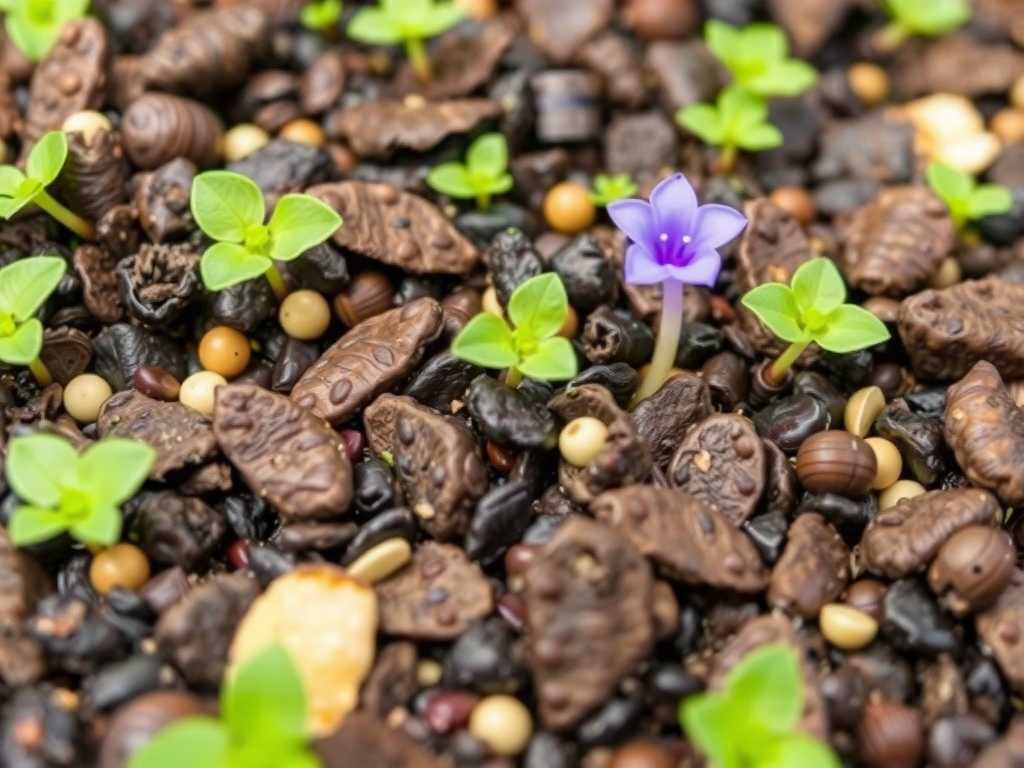
Sundews (Drosera) are bog plants. In their natural habitat, they grow in nutrient-poor, acidic peat where water constantly percolates through, providing moisture while allowing air to reach the roots. This is the key distinction: consistently moist versus waterlogged. Waterlogged soil has all its air pockets filled with water, suffocating roots and creating an anaerobic environment where harmful bacteria and fungi thrive. Your goal is to mimic the well-aerated, perpetually damp conditions of a bog, not a stagnant pond.
Immediate Action: Diagnosing and Rescuing Your Waterlogged Sundew
First, assess the severity. Gently remove your sundew from its pot. Be careful not to damage the delicate, hair-like roots.
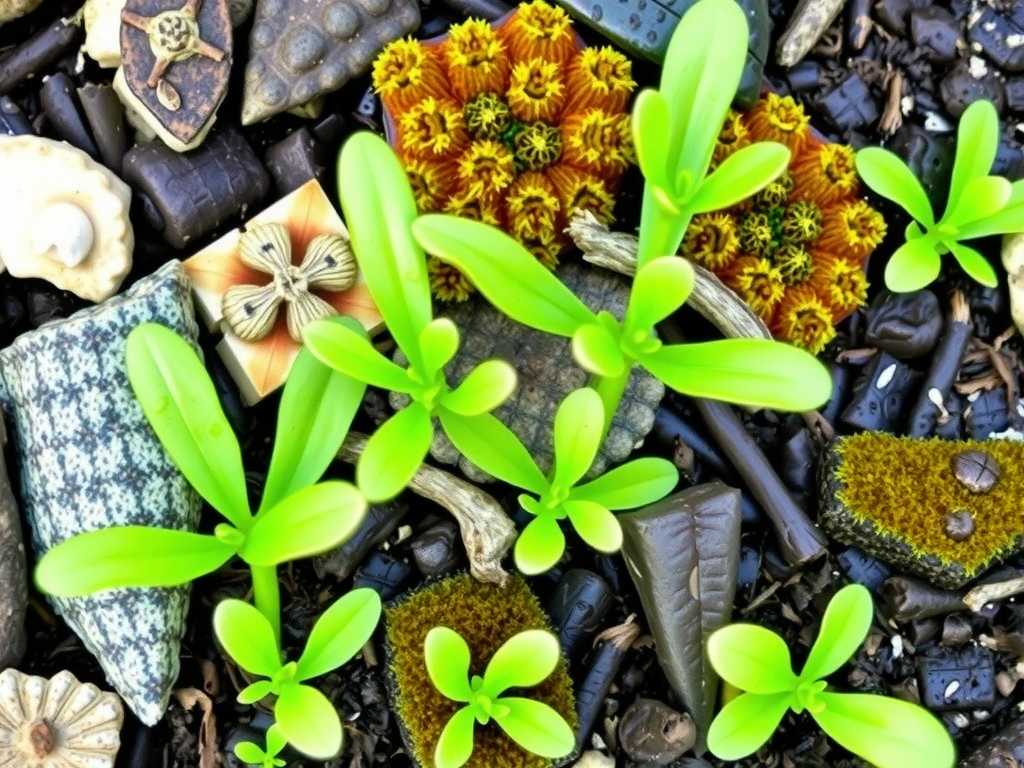
Step 1: Inspect the Root System Healthy sundew roots are typically white or light-colored and firm. Signs of root rot include:
- Brown, black, or mushy roots that fall apart easily.
- A foul, decaying smell from the root ball.
- A dark, slimy appearance.
Step 2: Execute the Rescue Operation If root rot is present, immediate action is required.
- Gently Rinse: Carefully rinse the root ball with distilled water, rainwater, or reverse osmosis water to remove the old, soggy soil.
- Surgical Pruning: Using sterilized scissors or tweezers, trim away all dark, mushy, or dead roots. Only healthy, firm tissue should remain.
- Disinfect (Optional for Severe Cases): For advanced rot, some experts like Dr. Barry Rice, author of "Growing Carnivorous Plants," suggest a brief soak in a fungicide solution labeled for ornamental plants (following dilution instructions precisely) or a mild hydrogen peroxide solution (1 part 3% H₂O₂ to 4 parts water) for a few minutes to deter further fungal growth.
- Repot in Fresh, Appropriate Medium: This is non-negotiable. Discard all old soil. Repot your sundew in a fresh, well-draining carnivorous plant soil mix. The classic recipe is a 1:1 ratio of sphagnum peat moss and horticultural sand or perlite. Never use regular potting soil, compost, or fertilized mixes—they are fatal.
Step 3: The Critical Recovery Environment After repotting, water the plant thoroughly from the top with pure water until it runs from the drainage holes. Then, place the pot in a shallower water tray. Instead of keeping the water level at 1-2 inches, reduce it to just 0.5 inches or simply keep the tray damp. Increase air circulation around the plant and ensure it receives plenty of bright, indirect light. Avoid direct, scorching sun while it’s recovering.
Long-Term Solutions: Preventing Wet Soil for Good
Rescuing your plant is half the battle. Preventing a recurrence is crucial for long-term health.
Mastering the Watering Technique for Sundews The "tray method" is ideal, but it must be managed correctly.
- The Correct Tray Method: Fill the saucer or tray with 0.5 to 1 inch of pure water. Let the tray dry out completely before refilling. This creates a cycle of wet-to-damp that provides moisture while allowing the top layer of soil to breathe. Never let the pot sit in a permanently full tray.
- Top Watering Flush: Every 3-4 weeks, water thoroughly from the top until water flows freely from the drainage holes. This helps flush out any mineral buildup and ensures even moisture distribution.
- Water Quality is Paramount: Always use low-mineral water: distilled, rainwater, or reverse osmosis water. Tap water, even if soft, contains minerals that will accumulate, compact the soil, and poison your sundew over time.
Choosing the Right Pot and Soil Mix Your hardware is as important as your technique.
- Pot Selection: Always use pots with ample drainage holes. Plastic or glazed ceramic pots retain moisture better than porous terracotta, which can wick water away too quickly. Ensure the pot is not excessively large for the plant; too much soil holds unnecessary water.
- Optimizing Your Soil Mix: For plants prone to staying too wet, adjust your mix for better aeration. Increase the proportion of perlite or horticultural sand to peat moss. A 50:50 mix is standard, but for a faster-draining mix, try 40% peat moss and 60% perlite/sand. You can also add a top dressing of long-fiber sphagnum moss, which wicks moisture well and stays airy.
Environmental Adjustments for Optimal Health
- Light & Temperature: Sundews in brighter, warmer conditions use water more efficiently through transpiration, helping the soil dry appropriately. Ensure your plant gets at least 6+ hours of bright light daily.
- Airflow: Good air circulation around the plant helps evaporate excess surface moisture and discourages fungal growth. A gentle fan in the room or spacing plants apart can be beneficial.
- Seasonal Adjustments: Sundews often slow growth in winter. During this dormancy or reduced growth period, significantly reduce watering. Keep the soil just barely damp, not wet, and eliminate the tray method temporarily if needed.
Why is my sundew dying even though I keep it in water? This is the most common misconception. Sundews are bog plants, not aquatic plants. Constant submersion suffocates the roots, leading to root rot. They need moist, airy soil, not to sit in a deep puddle. Re-evaluate your water tray depth and drying-out cycles.
Can I save a sundew with severe root rot? Yes, if there is still some healthy, firm root tissue and a viable crown (the central growing point), you can attempt a rescue by following the pruning and repotting steps outlined above. In worst-case scenarios, you can try taking leaf cuttings or flower stalk cuttings to propagate a new plant from the remaining healthy tissue.
How often should I water my sundew to avoid wet soil? There is no universal schedule. The frequency depends on your climate, pot size, and soil mix. The only reliable method is the "tray and dry" approach: let the water in the tray evaporate completely, wait a day for the topsoil to feel slightly less saturated (though still damp), then refill the tray. This tactile check is more accurate than any calendar-based schedule.
Successfully growing sundews hinges on replicating the moist, airy conditions of their natural bog habitat. The problem of sundew soil being too wet is almost always a fixable issue of technique or setup. By diagnosing root health, repotting in a fresh, fast-draining medium, and mastering the balanced tray watering method with pure water, you can rescue a struggling plant and prevent future problems. Observe your plant closely—it will tell you what it needs. Vibrant, dewy leaves and steady growth are your rewards for getting the moisture balance just right.