bluename
 How to Grow Drosera Adelae 'Giant' (Cultivar): Your Complete Care Guide
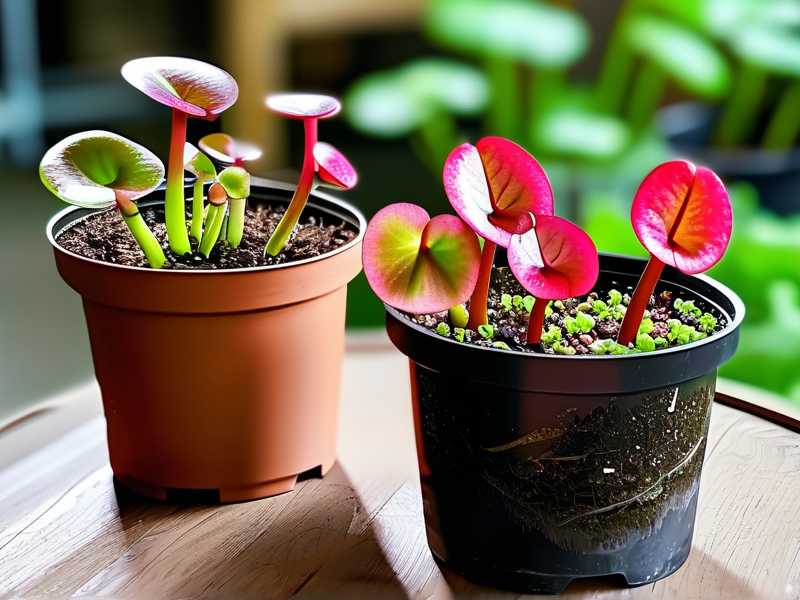
You've brought home the magnificent Drosera adelae 'Giant', a cultivar celebrated for its long, gleaming, ruby-red leaves. But now, those impressive tentacles might be losing their dew, or the growth has stalled. The frustration is real. Growing this stunning carnivorous plant can feel like a delicate secret, but it doesn't have to be. The key lies in replicating its specific, humid rainforest origins, not a generic carnivorous plant routine. This guide will demystify the process, providing clear, actionable steps to help your 'Giant' not just survive, but truly thrive and showcase its spectacular, glistening form.
Understanding Your Drosera Adelae 'Giant'
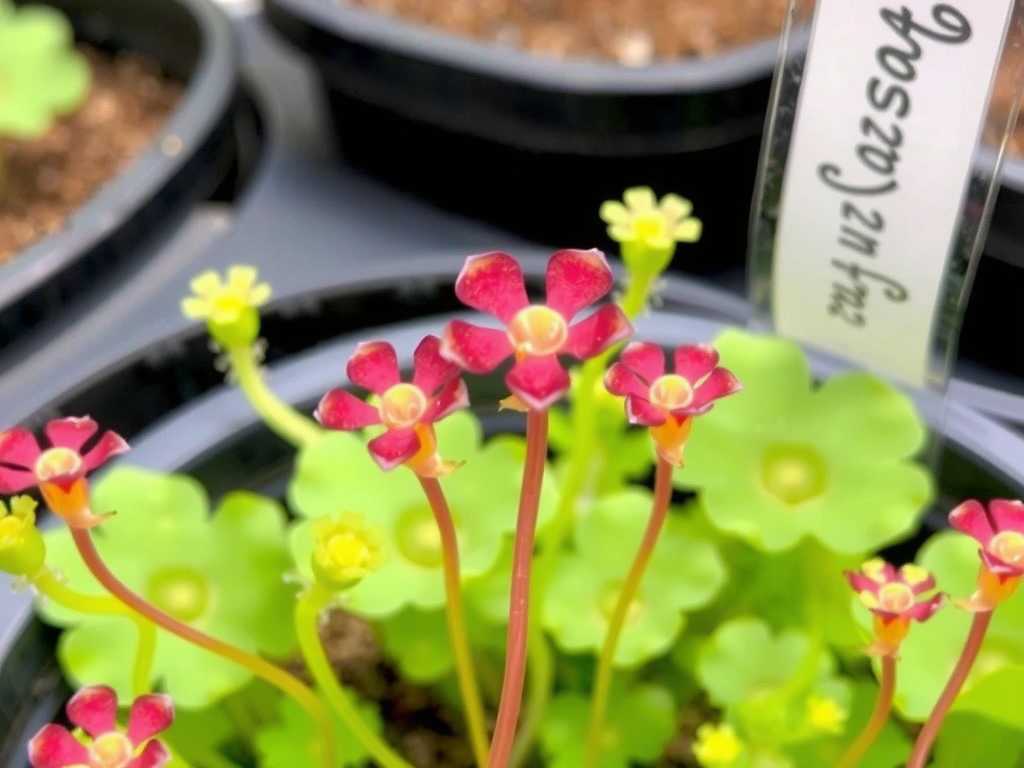
Before diving into care, it’s crucial to know what makes this plant special. The 'Giant' cultivar is a selected form of the species Drosera adelae, originating from the shaded, creek-side environments of Queensland, Australia. Unlike many sun-loving sundews, it is a true rainforest understory plant. This fundamental distinction informs every aspect of its care. Its "giant" name refers to leaves that can reach impressive lengths compared to the standard form, often producing broader, more robust foliage when happy. Its trapping mechanism relies on copious, sticky mucilage to ensnare tiny gnats and springtails, making it a beautiful and functional addition to your space.
Essential Growing Conditions for a Thriving Plant
Creating the right environment is 90% of the success in growing Drosera adelae 'Giant'. Get these foundational elements right, and you'll avoid most common pitfalls.
Light: Bright but Indirect is the Golden Rule
Direct, intense sunlight, especially afternoon sun, is the fastest way to scorch its leaves, causing browning, wilting, and permanent damage. Instead, aim for very bright, filtered light. An east-facing windowsill is often perfect, providing gentle morning sun. A south or west window must be filtered by a sheer curtain. Many growers achieve exceptional results using artificial lights; a simple LED grow light placed 12-18 inches above the plant for 12-14 hours a day works wonderfully, encouraging vibrant red coloration without risk of burn.
Water and Humidity: The Non-Negotiables
This is where the 'Giant' cultivar is most demanding. It is not a plant that tolerates drying out.
- Water: Always use pure water: rainwater, distilled, or reverse osmosis water. Tap water, with its dissolved minerals, will slowly poison and kill the plant. The soil should be consistently damp to the touch, never soggy and never dry. The best method is the tray technique: keep the pot sitting in a shallow saucer of pure water (about 0.5 inches deep) and refill as it evaporates.
- Humidity: Consistently high humidity (above 60%) is critical for robust dew production. Low humidity results in dry, ineffective tentacles. To increase humidity, place the pot on a wide humidity tray filled with pebbles and water, or group it with other humidity-loving plants. For guaranteed success, especially in dry climates, growing it inside a terrarium, cloche, or a dedicated plant cabinet is highly recommended. As noted by carnivorous plant expert Dr. Barry Rice, many Drosera species from tropical regions "require high humidity to produce their sticky mucilage effectively," and D. adelae is a prime example.
Soil and Potting: Creating the Perfect Foundation
The 'Giant' cultivar requires an acidic, nutrient-free, and airy growing medium. A standard potting mix is fatal.
- Soil Mix: A classic and effective recipe is a 1:1 ratio of sphagnum peat moss and perlite. You can also use long-fibered sphagnum moss on its own, which helps maintain moisture and acidity. Ensure all components are free of fertilizers or additives.
- Pot Selection: Plastic or glazed ceramic pots are ideal. Avoid unglazed terracotta, as it wicks moisture away and can leach minerals into the soil. Ensure the pot has adequate drainage holes.
Step-by-Step Daily and Seasonal Care Routine
With the environment set, your ongoing care focuses on maintenance and observation.
Feeding Your Carnivorous Giant
While the plant will catch some food on its own indoors, occasional supplemental feeding boosts growth. If you see a leaf covered in dew but no prey, you can gently place a tiny insect (like a fruit fly or pinhead cricket) onto its tentacles. A small drop of diluted Maxsea fertilizer (1/4 teaspoon per gallon of water) applied sparingly to the leaves every 3-4 weeks during active growth is an excellent alternative, as supported by many cultivators' experiences. Never apply fertilizer to the soil.
Pruning and Propagation
As leaves age, they will turn black and die back; simply snip them off at the base to keep the plant tidy and prevent mold. The great news is that Drosera adelae 'Giant' is famously easy to propagate.
- Leaf Pullings: Gently pull a healthy leaf from the base, place it on damp sphagnum moss, and keep it humid. Plantlets will form along the edges.
- Root Cuttings: During repotting, cut a section of root (about an inch long) and lay it on the soil surface. New plantlets will sprout.
- Division: Mature clumps can be carefully divided during repotting.
Seasonal Changes and Dormancy
Drosera adelae 'Giant' does not have a true winter dormancy like temperate sundews. However, growth may slow in lower light and cooler temperatures during winter. Reduce the water in the tray slightly but never let the soil dry completely. Maintain humidity and provide adequate light to keep it healthy year-round.
Troubleshooting Common Problems
- Lack of Dew: Almost always caused by low humidity, incorrect water, or insufficient light. Re-evaluate these three factors first.
- Leaves Turning Brown or Black: Sudden browning is often sunburn. Gradual blackening from the tip is natural aging. Blackening from the base could indicate root rot from stagnant, non-aerated soil or contaminated water.
- Mold or Fungus: Caused by poor air circulation in high humidity. Increase gentle air flow with a small fan, remove dead leaves promptly, and ensure the soil surface isn't constantly waterlogged.
- Pests: Watch for aphids, which can attack flower stalks and new growth. Physically remove them or use a diluted insecticidal soap spray carefully.
Frequently Asked Questions
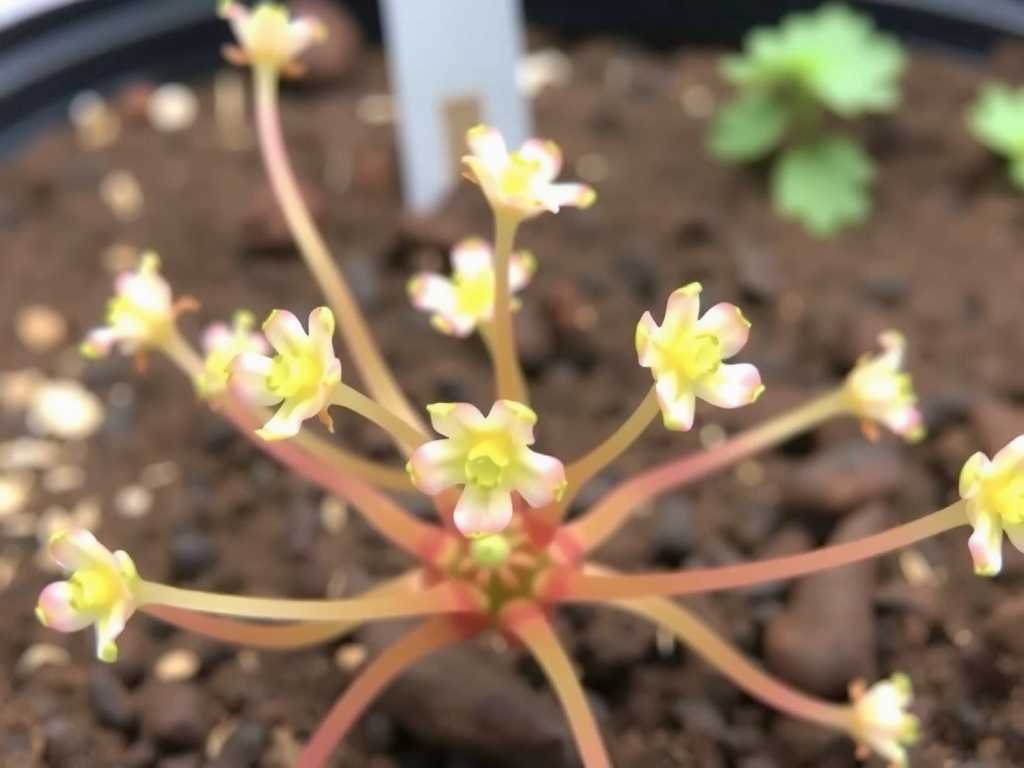
My 'Giant' is producing long, thin flower stalks. Should I cut them off? Flowering can divert energy from leaf growth. If your plant is young or you want to prioritize foliage, cutting the stalk is fine. However, allowing it to flower is not harmful to a healthy, established specimen and can be quite beautiful.
Can I grow Drosera adelae 'Giant' outdoors? This depends entirely on your climate. It can be grown outdoors year-round only in consistently warm, humid, and frost-free zones (like parts of Florida or Hawaii). In most regions, it's best as a houseplant or in a sheltered patio during summer, brought indoors well before temperatures drop.
What's the difference between the 'Giant' cultivar and the regular form? The 'Giant' cultivar has been selectively bred or cloned from individuals that consistently produce larger, broader, and often more vividly colored leaves than the typical species form. Its care requirements are identical, but its potential size and visual impact are greater under optimal conditions.
Growing the Drosera adelae 'Giant' cultivar is a rewarding journey into the world of specialized carnivorous plants. Success hinges on embracing its love for constant moisture, high humidity, and gentle light. By mimicking its native rainforest understory, you'll be rewarded with a breathtaking display of glistening, crimson leaves that are both a natural wonder and an effective pest controller. Start with the fundamentals of water and humidity, provide bright filtered light, and your 'Giant' will confidently anchor a unique and fascinating corner of your plant collection.