bluename
 How to Grow Drosera Burmannii 'Blue' (Cultivar): The Ultimate Care Guide
You've acquired the stunning, blue-tinted leaves of Drosera burmannii 'Blue', a captivating sundew cultivar, but now you're worried. Why are the vibrant colors fading? Is it getting enough light, or too much? How do you keep this delicate-looking carnivore thriving instead of slowly dwindling? Many enthusiasts face these exact challenges, often due to subtle mismatches in its care. This guide cuts through the confusion, providing a clear, step-by-step roadmap to successfully cultivate this unique plant, ensuring it displays its full, otherworldly beauty.
Understanding Your Drosera Burmannii 'Blue'
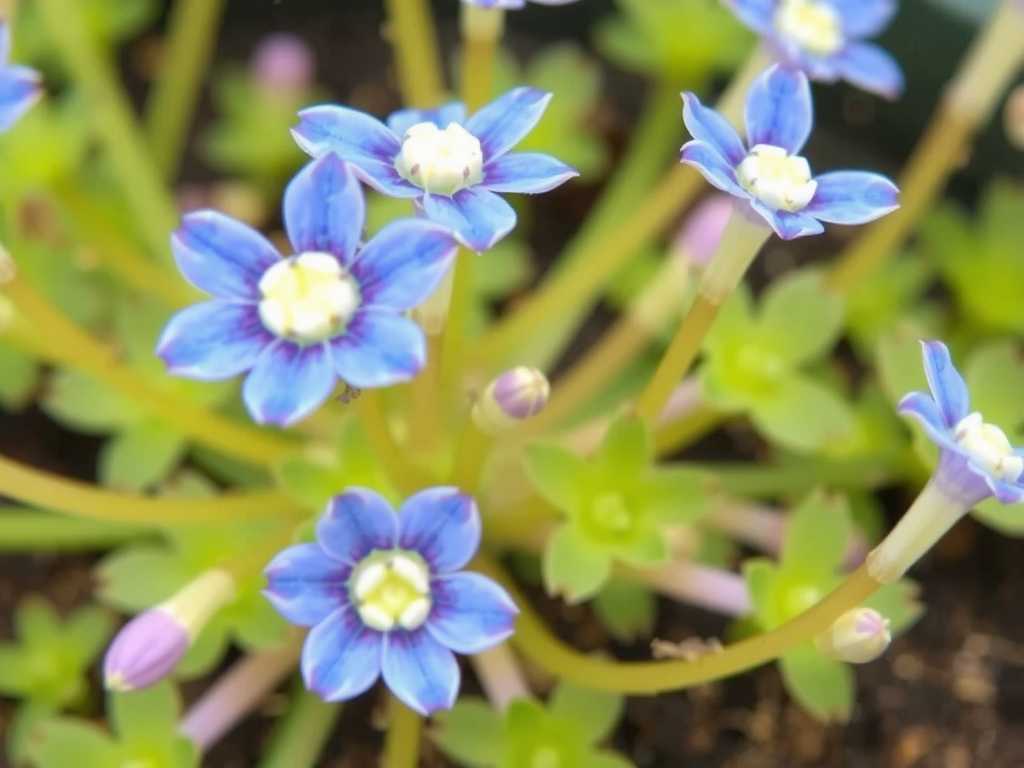
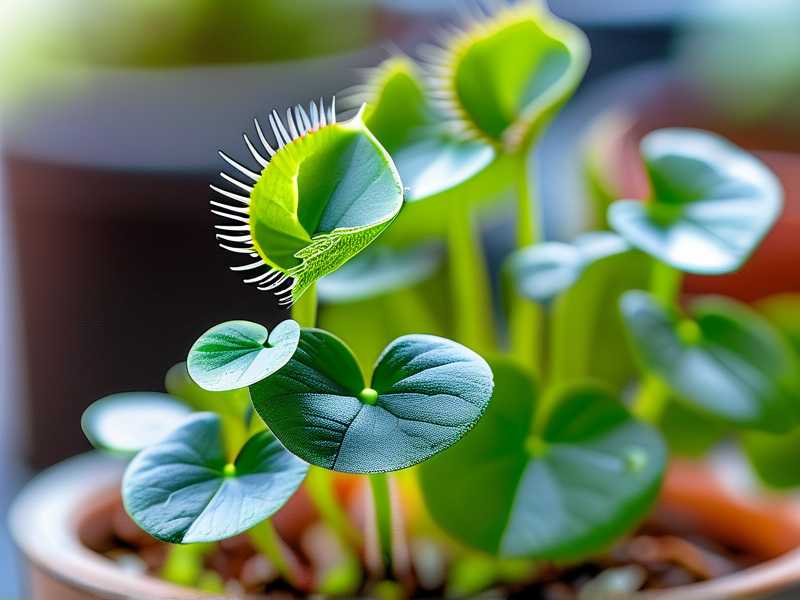
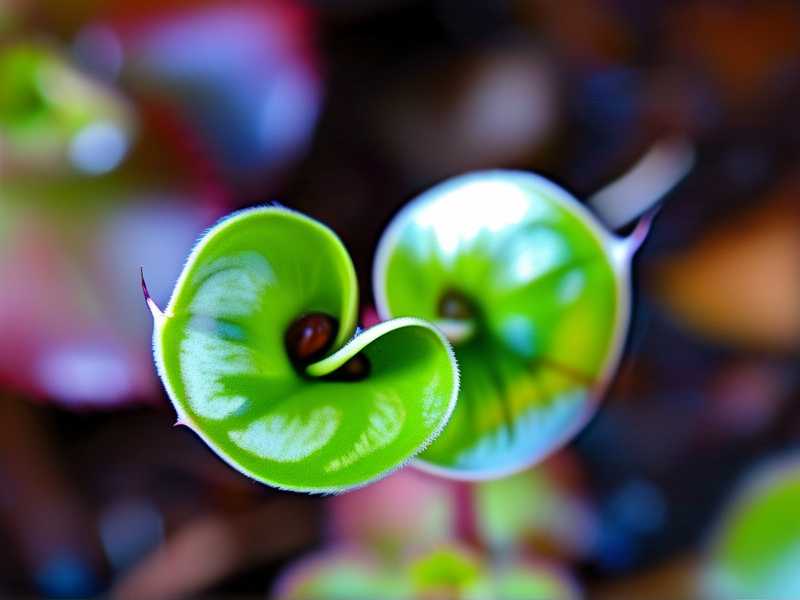
Drosera burmannii, in its standard form, is known as a fast-growing annual or short-lived perennial sundew from tropical and subtropical regions. The 'Blue' cultivar is particularly prized for the striking blue-purple hue that can develop in its spoon-shaped leaves under strong light, a dramatic departure from the usual reds and greens. Unlike many sundews, it forms a ground-hugging rosette and produces prolific dew-tipped tentacles to trap small insects. Understanding its natural habitat—open, sunny, often seasonally wet sandy soils—is key to replicating its ideal conditions indoors or in a greenhouse.
Essential Growing Conditions for Success
Creating the right environment is the most critical step in Drosera burmannii 'Blue' care. Getting these fundamentals wrong is the primary cause of failure.
Lighting: The Key to Vibrant Color This cultivar's famous blue coloration is directly induced by high light levels. Provide at least 4-6 hours of direct sunlight daily, or equivalent intense artificial light. A south-facing window is ideal in the Northern Hemisphere. For artificial lighting, use full-spectrum LED or T5 fluorescent grow lights placed 6-12 inches above the plant for 12-14 hours a day. Insufficient light will result in green, elongated leaves and poor dew production. According to horticulturists at the International Carnivorous Plant Society, light intensity is the single most important factor for both coloration and robust health in these plants.
Water and Humidity: Pure is Paramount Like all carnivorous plants, Drosera burmannii 'Blue' is extremely sensitive to dissolved minerals and chemicals. You must use only low-mineral water: rainwater, distilled water, or reverse osmosis water are perfect. The preferred watering method is the tray technique. Keep the pot sitting in 0.5 to 1 inch of pure water at all times during the growing season. The soil should remain permanently moist but not waterlogged. While it appreciates moderate humidity (above 50%), it is more adaptable than some tropical sundews if its roots are kept wet.
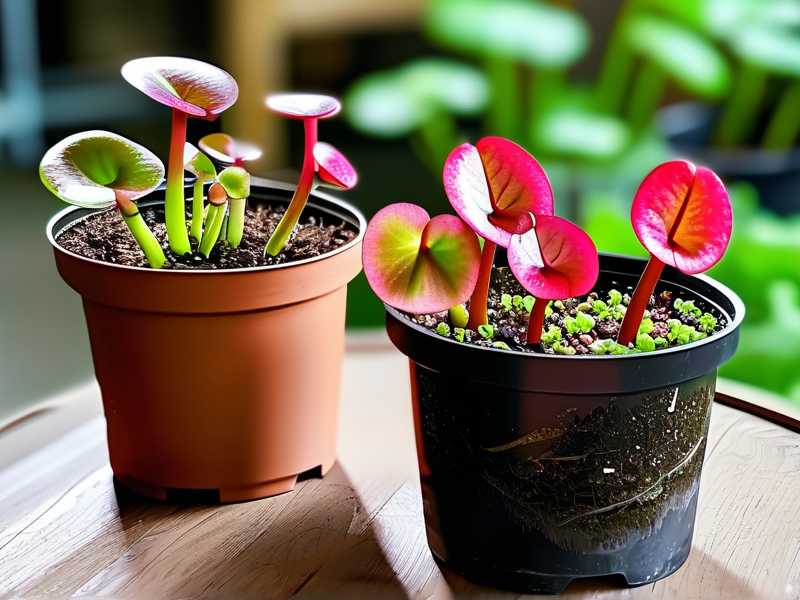
Soil and Potting Mix A nutrient-poor, acidic, and well-aerated mix is non-negotiable. A standard carnivorous plant mix works perfectly: a 50/50 blend of sphagnum peat moss and perlite or horticultural sand. Avoid any potting soils, composts, or fertilizers, as these will burn the roots and kill the plant. A simple plastic pot with drainage holes is ideal. Repotting is rarely needed due to its size and life cycle, but fresh media can be provided annually.
The Complete Step-by-Step Care Routine
With the basics in place, a simple routine will keep your sundew flourishing.
Planting and Potting Fill your chosen pot with the pre-moistened peat and perlite mix. Create a small hole, gently place the plant's roots, and firm the media around the base. Water thoroughly from above with pure water to settle the soil, then place it immediately on its water tray.
Feeding Your Carnivorous Plant While it can catch gnats and springtails on its own, you can supplement its diet for faster growth. Offer small, soft-bodied insects like fruit flies or pinhead crickets once every 2-4 weeks. Place the insect on a sticky dew-covered leaf. Never use fertilizer or feed it meat. A study on carnivorous plant nutrition confirmed that insect feeding significantly boosts growth and seed production in Drosera species compared to unfed plants.
Seasonal Considerations and Dormancy Drosera burmannii 'Blue' often behaves as an annual, completing its life cycle in one season through prolific seed production. However, in consistently warm, bright conditions, it may persist. If growth slows in winter, reduce the water tray level slightly but never let the soil dry completely. It does not require a cold dormancy like temperate sundews. The key to overwintering is maintaining warmth and strong light.
Propagation: Growing More Plants
One of the joys of this species is how easily it propagates, allowing you to share or maintain your collection.
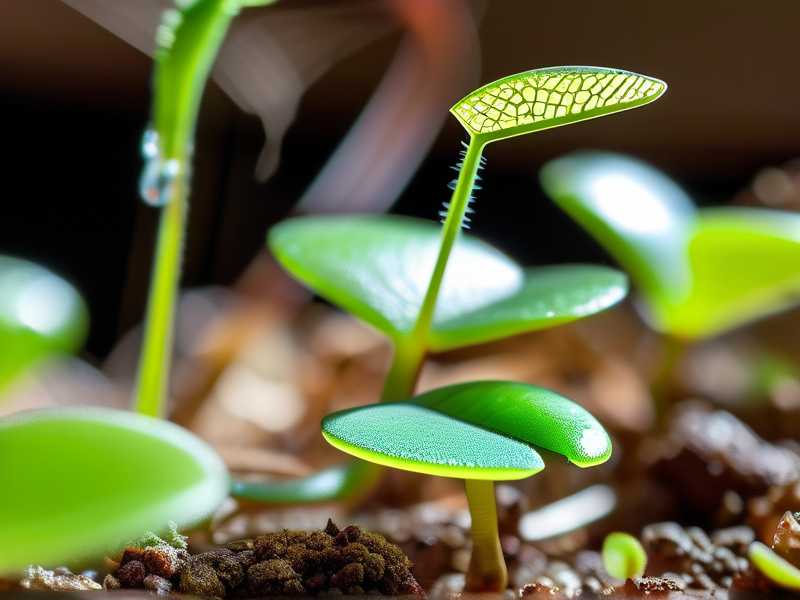
Seed Propagation This is the most common and effective method. The plant readily self-seeds. To collect seeds, wait for the small flower stalks to dry and turn brown. Gently crush the seed pods over white paper. Sow the tiny seeds on the surface of moist carnivorous plant soil. Do not bury them. Place the pot in bright light and keep consistently wet. Germination usually occurs within 2-6 weeks.
Leaf Cuttings and Division For a genetic clone of your specific 'Blue' cultivar, leaf pullings are highly effective. Gently pull a healthy leaf from the base, trying to get a bit of the white leaf base. Lay this on damp sphagnum moss or peat. Keep it under high humidity (a covered container works well) and in bright light. In a few weeks, tiny plantlets will form at the base of the leaf. Mature clumps can also be carefully divided during repotting.
Troubleshooting Common Problems
Even with good care, issues can arise. Here’s how to diagnose and fix them.
Loss of Dew or Poor Coloration This is almost always a light issue. Increase light intensity or duration. Also, ensure you are using pure water, as mineral buildup can damage the dew-producing glands.
Pests and Diseases Aphids and fungus gnats are occasional pests. For aphids, physically remove them or apply a diluted insecticidal soap carefully. For fungus gnats, use mosquito dunks in your water tray (Bacillus thuringiensis israelensis is safe for carnivorous plants). Botrytis (grey mold) can occur in stagnant air. Improve ventilation and remove any dead leaves promptly.
Leggy Growth or Rot Elongated, weak growth signals insufficient light. Move the plant to a brighter location. Root or crown rot is caused by poor drainage, contaminated soil, or using the wrong water. Ensure your mix is well-draining and start using only pure water sources.
Frequently Asked Questions
Can I grow Drosera burmannii 'Blue' outdoors? In USDA zones 9-11, or during warm summer months in temperate zones, it can thrive outdoors in full sun to part shade. Ensure it's in a consistently wet location and protect it from heavy rains that might splash soil onto its leaves. Always acclimate it gradually to direct outdoor sun.
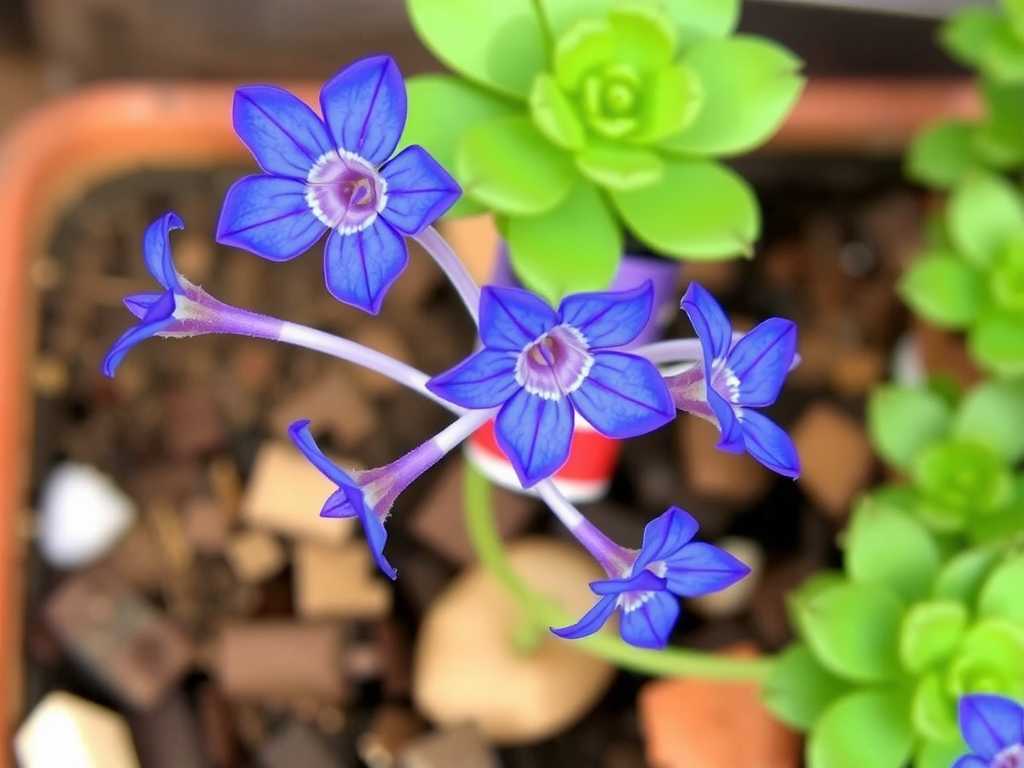
Why is my plant flowering? Will it die after flowering? Flowering is a natural part of its cycle. It produces small, white flowers on tall stalks. While the individual plant may be annual, it does not necessarily die immediately after flowering, especially if you remove the flower stalk to direct energy back to leaf growth. Allowing it to flower and set seed is the easiest way to ensure future generations.
What should I do if the leaves turn brown or black? An occasional old leaf dying back is normal. If multiple leaves are browning quickly, check your water source immediately—switch to distilled or rainwater. Also, assess if the plant has been exposed to extreme heat, dry conditions, or chemical contamination (like fertilizer drift from nearby plants).
Success with Drosera burmannii 'Blue' hinges on a simple formula: intense light, pure water, and the right soil. By mimicking its preferred sunny, boggy conditions and avoiding common pitfalls like tap water or rich soil, you'll be rewarded with a robust, colorful plant that actively catches its own food. Whether you're a beginner captivated by its looks or an experienced collector seeking a rewarding grow, this cultivar offers a fascinating window into the world of carnivorous plants. Start with strong light, keep its feet wet with pure water, and enjoy the spectacular display of this blue-hued sundew.