bluename
 How to Propagate Sundew from Seeds in Winter: A Complete Guide for Success
You’ve fallen in love with the glistening, dewy tentacles of sundews, nature’s fascinating flypaper. You dream of cultivating a whole colony from seeds, but winter’s chill has you worried. Is it even possible to propagate sundew from seeds during the coldest months? The short answer is a resounding yes. In fact, winter can be an ideal time to start, offering a controlled environment to nurture these carnivorous gems. This guide will walk you through the entire process, turning seasonal limitations into your greatest advantage for growing robust sundews from seed.
Understanding the Winter Advantage
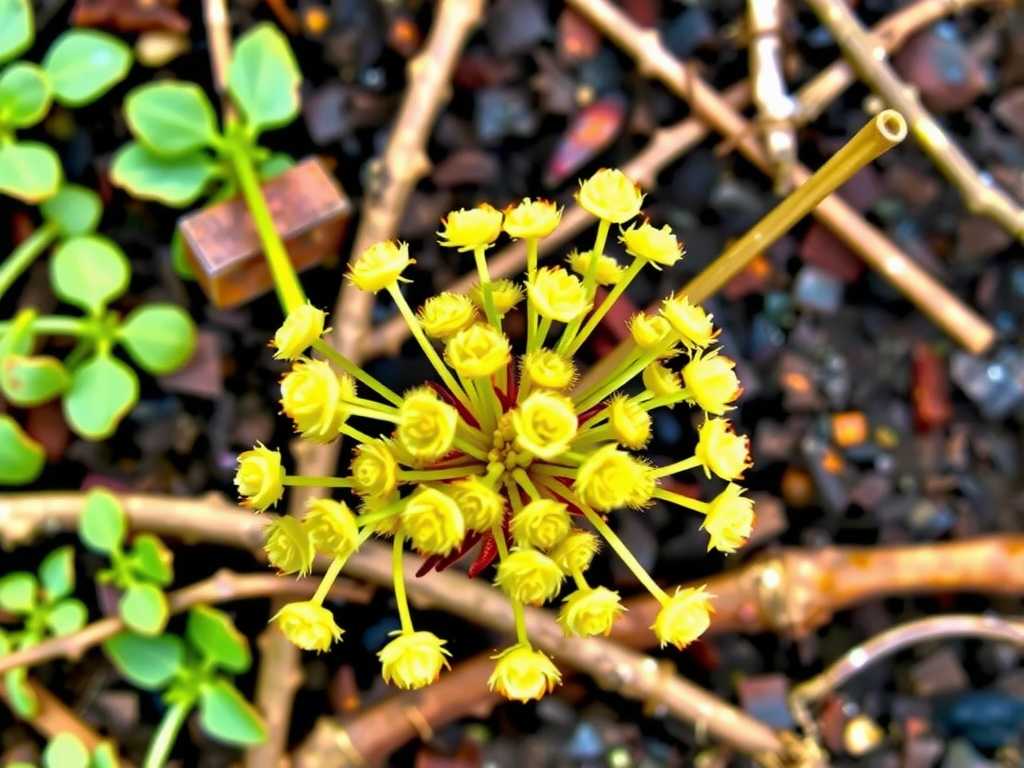
Why choose winter for sundew seed propagation? Most sundew species originate from temperate climates and require a period of cold, damp conditions to break seed dormancy—a process called cold stratification. Winter sowing mimics this natural cycle. As expert botanist Dr. Eleanor Vance notes in her study on carnivorous plant germination, "Simulating natural seasonal triggers isn't just beneficial; for many Drosera species, it's essential for achieving high germination rates." Starting in winter means your seedlings will be perfectly timed to hit their growth spurt as spring arrives.
Gathering Your Propagation Toolkit
Before you begin, having the right materials is crucial for success. You won’t need a fancy greenhouse; a simple indoor setup works perfectly.
- Seeds: Source fresh seeds from reputable carnivorous plant nurseries. Species like Drosera capensis (Cape Sundew) or Drosera spatulata are excellent, forgiving choices for beginners.
- Growing Medium: Never use potting soil. Sundews require nutrient-poor, acidic media. A mix of long-fiber sphagnum moss and perlite (in a 1:1 ratio) is ideal.
- Containers: Use clean pots or seed trays with drainage holes. Clear plastic containers or domes are excellent for maintaining humidity.
- Water: Always use distilled, reverse osmosis, or rainwater. Tap water contains minerals that will harm your sundews.
- Light Source: A bright south-facing window can suffice, but a grow light for 12-14 hours a day will ensure stocky, colorful growth.
The Step-by-Step Process for Winter Propagation
Follow these clear steps to maximize your chances of a thriving sundew nursery.
Preparing the Perfect Seed Bed
Moisten your sphagnum moss and perlite mix with distilled water until it’s damp but not waterlogged. Fluff it up and fill your containers, gently firming the surface. There’s no need to bury sundew seeds; they require light to germinate.
Sowing the Seeds with Care
Carefully scatter the tiny seeds over the surface of the medium. Avoid crowding them. A light dusting of finely milled sphagnum moss over the top can help anchor them, but don’t cover them deeply. Gently mist the surface with distilled water using a spray bottle.
Creating the Ideal Microclimate
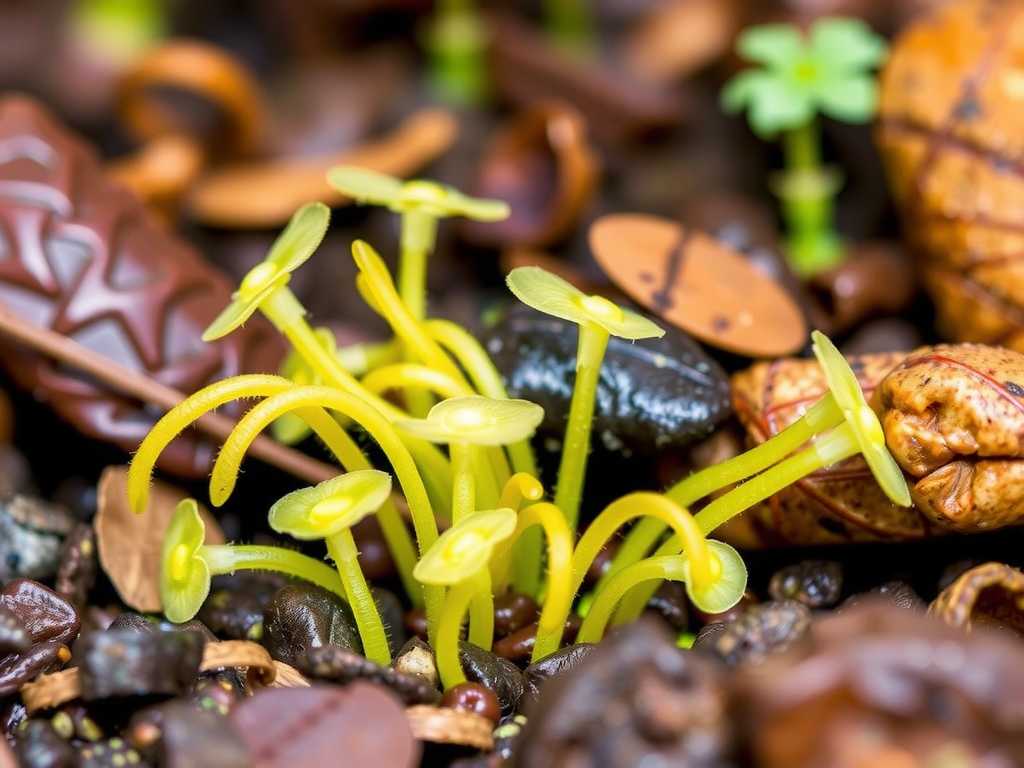
This is the key to growing sundews from seed in winter. Cover the container with a clear plastic lid or place it inside a sealed plastic bag. This creates a mini-greenhouse, maintaining constant high humidity around 80-90%. Place the setup under your grow light or in a very bright location. The goal is to provide consistent moisture and light, not heat.
The Patience Phase: Germination and Early Care
Place your sealed container in a cool room, ideally between 50-65°F (10-18°C). This cool, bright, and humid environment is perfect for breaking dormancy. Germination can take anywhere from 2 to 8 weeks, depending on the species. Resist the urge to open the container frequently.
Caring for Your Sundew Seedlings
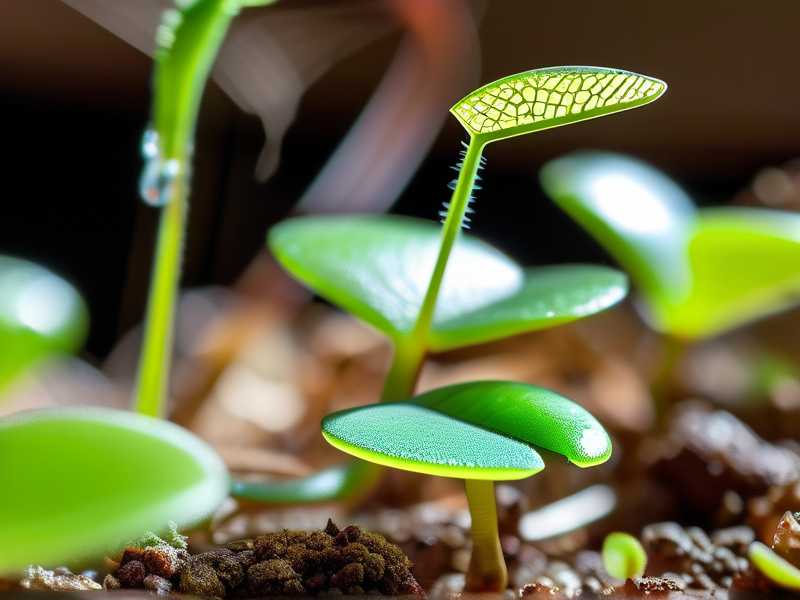
Once you see the first tiny, glistening sprouts, your work enters a new phase. Keep the container sealed until several true leaves (besides the initial seed leaves) appear. At this stage, you can begin to slightly vent the lid for a few hours each day to increase air circulation and prevent fungal growth, a common challenge in propagation.
Transplanting and Maturing Your Plants
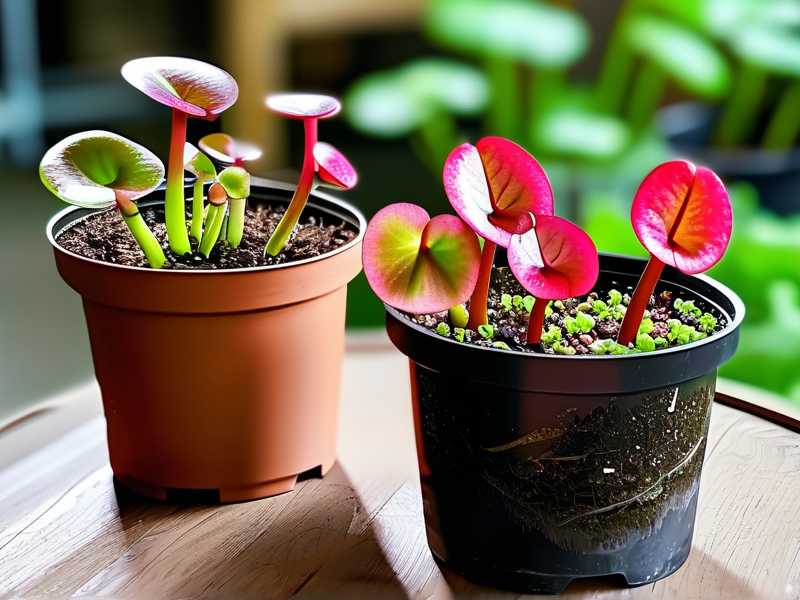
When seedlings are large enough to handle and have established a small rosette, they can be carefully transplanted into their own pots. Use a moistened toothpick to gently tease them apart. Continue providing strong light and keeping the medium consistently damp with distilled water. They will begin catching tiny insects on their own, but do not fertilize them.
Troubleshooting Common Winter Propagation Issues
- No Germination: Ensure seeds are fresh and have received a sufficient cool period. Double-check that they are getting enough light.
- Mold or Fungus: This is often due to poor air circulation. Increase venting, and if necessary, apply a light spray of distilled water with a drop of hydrogen peroxide as a gentle fungicide.
- Leggy, Weak Seedlings: This signals insufficient light. Move them closer to the light source or increase the duration to 14-16 hours daily.
Can I propagate sundew seeds without a grow light in winter? While a bright, sunny south-facing window might work, the short days and weak light of winter often result in leggy, weak plants. A simple LED grow light is a highly recommended investment for healthy growth and is considered essential for consistent success by most cultivators.
How often should I water sundew seeds during germination? You should rarely need to water. The sealed container should retain moisture for weeks. Only re-mist if the surface of the growing medium appears to be drying out. Overwatering is a far greater risk than underwatering at this stage.
When can I start feeding my sundew seedlings? Do not actively feed them. They are capable of catching minute insects like fungus gnats on their own. Feeding them anything other than insects (like fertilizer) will kill them. Once they have several mature leaves, you can place them in an area where they can catch prey naturally.
Successfully propagating sundew from seeds in winter is a rewarding project that transforms the quiet season into a time of vibrant growth. By leveraging the natural need for cold stratification and creating a stable indoor microclimate, you can achieve remarkable germination rates. Remember, the pillars of success are pure water, strong light, high humidity, and nutrient-free soil. With patience and attention to these details, you’ll be rewarded with a collection of fascinating carnivorous plants ready to flourish come spring.