bluename
 How to Grow Drosera Binata 'Marston Dragon': The Complete Cultivation Guide
You've acquired the stunning, fork-leaved Drosera binata 'Marston Dragon', captivated by its deep red tentacles and otherworldly form. But now, a familiar anxiety sets in. How do you keep this specialized carnivorous plant not just alive, but thriving? Many enthusiasts watch helplessly as their prized specimen loses its vibrant color, fails to produce its characteristic forked leaves, or slowly declines. The challenge is real: this cultivar, while robust, has specific non-negotiable needs that differ from common houseplants or even other sundews. This comprehensive guide will demystify the process, providing clear, step-by-step instructions to transform your concern into confidence and cultivate a spectacular, healthy Drosera binata 'Marston Dragon'.
Understanding Your Drosera Binata 'Marston Dragon'
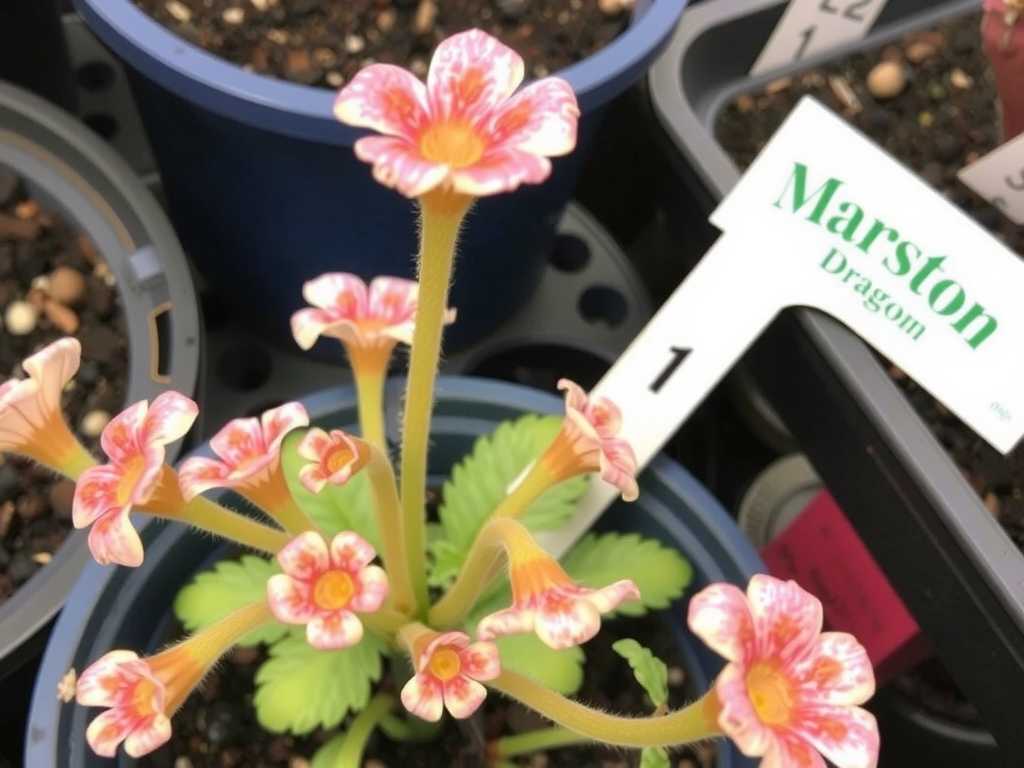
Before diving into care, understanding its origin is key. Drosera binata, the forked sundew, is native to Australia and New Zealand. The 'Marston Dragon' cultivar is a particularly vigorous and colorful selection, celebrated for its leaves that bifurcate (fork) dramatically, often creating a dense, claw-like canopy of glistening, blood-red mucilaginous glands. It is a perennial plant that can form a sizeable clump over time and, given proper conditions, is known for its resilience and impressive visual impact.
Essential Growing Conditions for a Thriving Plant
Success hinges on replicating its natural bog habitat. Ignoring these core pillars of care is the most common reason for failure.
Light: The Key to Color and Vigor Drosera binata 'Marston Dragon' requires intense light to develop its full, dramatic red pigmentation and compact growth. Insufficient light leads to pale, green, weak leaves that stretch awkwardly.
- Ideal Setup: Provide a minimum of 4-6 hours of direct sunlight daily, with several more hours of very bright indirect light. A south-facing window is best in the Northern Hemisphere.
- Artificial Lighting: If natural light is inadequate, use strong LED or T5 fluorescent grow lights. Position lights 6-12 inches above the plant and maintain a photoperiod of 12-14 hours. Expert growers like those at the International Carnivorous Plant Society (ICPS) consistently emphasize that light intensity directly correlates with dew production and overall plant health.
Water: Pure is Paramount This is non-negotiable. Growing healthy carnivorous plants depends on using water with extremely low mineral content. Tap water, bottled spring water, and filtered water contain dissolved salts that will accumulate in the soil, burn the roots, and slowly kill your plant.
- Safe Water Sources: Use only rainwater, distilled water, or reverse osmosis (RO) water.
- Watering Method: Employ the "tray method." Keep the pot sitting in a saucer or tray with 0.5 to 1 inch of pure water at all times during the growing season. This mimics the permanently moist conditions of a bog. In winter, you can slightly reduce the water level but never let the soil dry out completely.
Soil and Potting: Creating the Perfect Foundation Standard potting mixes are fatal. These plants have evolved to grow in nutrient-poor, acidic, and constantly wet media.
- The Perfect Mix: A simple 50:50 blend of sphagnum peat moss and horticultural perlite or silica sand is ideal. Ensure all components are unfertilized. Pre-mixed carnivorous plant soil from reputable suppliers is also an excellent option.
- Pot Selection: Use plastic or glazed ceramic pots with ample drainage holes. Avoid terracotta, as it leaches minerals. A pot 4-6 inches deep is sufficient to start.
Feeding Your 'Marston Dragon'
While they extract nutrients from prey, feeding is not strictly necessary if the plant is grown outdoors and can catch insects. However, strategic feeding can boost growth.
- Natural Preferable: If grown on a sunny windowsill or in a terrarium, you may supplement. Offer small, soft-bodied insects like fruit flies or gnats.
- Alternative Method: A tiny drop of diluted Maxsea fertilizer (16-16-16, diluted to 1/4 teaspoon per gallon of water) applied sparingly to the leaves once a month during active growth can be highly effective, as noted by several commercial cultivators in their growing guides. Never fertilize the soil.
Seasonal Care and Dormancy
Drosera binata 'Marston Dragon' experiences a winter dormancy period, which is crucial for its long-term health.
- What to Expect: As daylight wanes in late autumn, growth will slow. The plant may die back to a small, tight cluster of resting buds (called a hibernaculum) at the soil surface. This is normal.
- Winter Care: During dormancy, reduce the water in the tray slightly (just keep the soil damp) and place the plant in a cooler location (40-55°F / 5-13°C) with bright light. A cold windowsill or unheated greenhouse is perfect. Growth will resume vigorously in spring.
Propagation: Sharing Your Success
This cultivar is easily propagated, allowing you to expand your collection or share with friends.
- Root Cuttings: The most reliable method. During repotting, cut a 1-2 inch section of healthy, white root. Lay it horizontally on moist peat moss, barely cover, and keep warm and bright. New plantlets will sprout in a few weeks.
- Leaf Cuttings: Mature leaves can be laid on the soil surface. They will often produce plantlets at the tips.
- Seed: While possible, seeds from cultivars may not come true to the exact parent form.
Troubleshooting Common Issues
- No Dew on Leaves: Almost always caused by insufficient light, low humidity, or the use of improper water. Review light and water conditions first.
- Leaves Turning Brown/Black: This can be a natural process of older leaves dying back. If new growth is also affected, check for soil dryness, mineral burn from bad water, or exposure to chemical fumes.
- Pests: Aphids and fungus gnats can be occasional issues. For aphids, physically remove them or use a diluted insecticidal soap spray. For fungus gnats, let the water tray dry out more between refills and use sticky traps.
Frequently Asked Questions
Is Drosera binata 'Marston Dragon' suitable for beginners? Yes, it is considered one of the more forgiving and fast-growing carnivorous plants, making it an excellent choice for beginners who are committed to providing its core needs of strong light and pure water. Its vigorous growth is very rewarding.
Can I grow it outdoors year-round? It depends on your climate. It can be grown outdoors in USDA zones 8-10 if protected from hard freezes. In cooler zones, it thrives outdoors in the warm months but must be brought indoors or into a greenhouse before the first frost. Many growers report their most spectacular specimens are those given a summer outdoors.
Why is my plant not forking? Immature plants or new growth from dormancy often produce simple, non-forked leaves initially. As the plant matures and receives adequate light, it will begin producing its characteristic forked leaves. Lack of forking in a mature plant is a primary sign it needs more intense light.
Providing the right environment for your 'Marston Dragon' cultivar is a straightforward and deeply satisfying endeavor. By focusing on the essentials of intense light, pure water, and the correct soil, you will be rewarded with a resilient and spectacular carnivorous plant that showcases the unique beauty of the forked sundew family. Observe your plant closely, adjust its care with the seasons, and enjoy the dynamic growth of this fascinating predator.