bluename
 How to Fix Sundew Leaves Turning Gray: A Complete Care Guide
There's nothing more disheartening for a carnivorous plant enthusiast than watching the vibrant, dewy tentacles of a sundew (Drosera) slowly lose their color and turn a dull, lifeless gray. This common issue is a clear distress signal from your plant, indicating that something in its care routine has gone awry. Gray sundew leaves typically mean the loss of the precious, sticky mucilage that is essential for catching prey and, ultimately, for the plant's survival. But don't despair—this problem is almost always reversible if you diagnose the cause correctly. This comprehensive guide will walk you through the precise steps to diagnose, treat, and prevent your sundew's leaves from turning gray, restoring it to its glistening, healthy state.
Understanding Why Sundew Leaves Turn Gray
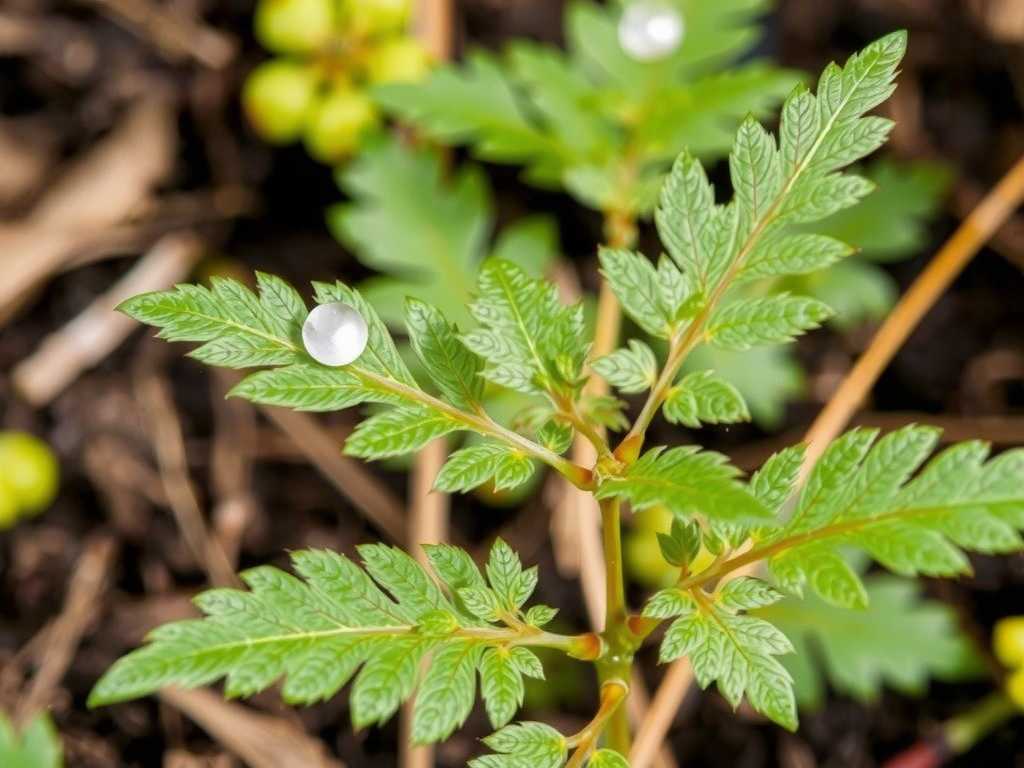
Before you can fix the problem, you need to understand what the gray color signifies. The red or green tentacles (trichomes) on sundew leaves produce a sticky, sugary mucilage. This dew is not just water; it's a complex secretion that acts as both glue and digestive enzyme trap. When leaves turn gray, it means this mucilage production has ceased or the existing dew has dried up or been washed away. Without it, the plant cannot catch insects and will slowly starve, even if all other conditions are perfect.
Primary Causes and Solutions for Gray Sundew Leaves
The journey to recovery starts with identifying the culprit. Here are the most common reasons, listed in order of likelihood, and exactly how to address each one.
Incorrect Watering: The Most Common Culprit
Sundews are bog plants that require constant moisture. However, the type of water is as critical as the frequency.
-
Using Tap or Mineral Water: Tap water contains dissolved minerals (like calcium, magnesium, and chlorine) that are toxic to sundews and other carnivorous plants. These minerals build up in the soil, burning the roots and preventing them from absorbing nutrients, leading to dew loss and gray leaves.
- The Fix: Immediately switch to water with a low mineral content. Use rainwater, distilled water, or reverse osmosis (RO) water exclusively. Water using the "tray method": keep the pot sitting in 0.5 to 1 inch of this pure water at all times. Flush the pot thoroughly with pure water to remove any accumulated mineral salts.
-
Underwatering or Inconsistent Moisture: Allowing the soil to dry out even briefly can stress the plant and halt mucilage production.
- The Fix: Establish a consistent watering routine. The growing medium should be permanently damp but not waterlogged. Check the water tray daily, especially in warm or dry weather, and refill it promptly.
Insufficient or Harsh Lighting
Sundews need abundant, direct light to produce their dew. The sugars and compounds needed for mucilage are byproducts of vigorous photosynthesis.
-
Low Light Conditions: In dim settings, the plant becomes weak and "stretches" (etiolates), producing little to no dew. The leaves may appear pale green or grayish.
- The Fix: Provide bright, direct sunlight for at least 6-8 hours daily. A south-facing window is ideal in the Northern Hemisphere. For most growers, however, a strong full-spectrum LED or fluorescent grow light is necessary for optimal results. Position the light 6-12 inches above the plant and run it for 12-14 hours a day. You should see a dramatic improvement in dew production and color within 1-2 weeks.
-
Light That's Too Intense or Hot: While rare indoors, extremely intense light combined with high heat can sometimes scorch leaves or dry dew too quickly before it can be replenished.
- The Fix: If using incredibly powerful lights, ensure there is adequate airflow and that temperatures remain within the plant's preferred range (70-85°F / 21-29°F during the day). A slight increase in humidity can help counter rapid evaporation.
Low Humidity Levels
While many sundew species are adaptable, most thrive in humidity levels above 50%. Low humidity, common in air-conditioned or heated homes, causes the delicate mucilage to evaporate faster than the plant can produce it, resulting in dry, gray tips.
- The Fix: Increase local humidity. You can:
- Place the plant on a large humidity tray filled with pebbles and water.
- Group it with other plants to create a microclimate.
- Use a small room humidifier nearby.
- For severe cases or delicate species, consider a terrarium or cloche, but ensure it doesn't overheat.
Chemical Contamination and Soil Issues
Sundews have evolved to grow in nutrient-poor media. Any foreign chemicals or rich soil will harm them.
-
Fertilizer or Nutrient-Rich Soil: Never fertilize sundews through the soil. The nutrients burn their roots and halt dew production. Standard potting mix is fatal.
- The Fix: Repot your sundew if you suspect it's in the wrong medium. Use a 1:1 mix of sphagnum peat moss and perlite or silica sand. Ensure all components are unfertilized. Rinse the medium with distilled water before use.
-
Pesticides or Water Softeners: Even mild insecticidal soaps or residues from water softeners (which add sodium) can damage leaves and roots.
- The Fix: Avoid using any chemicals near your sundew. For pest control, manually remove pests or use a diluted sulfur-based fungicide only if absolutely necessary, applied cautiously.
Natural Lifecycle and Dormancy
Sometimes, a gray leaf is not a cause for alarm. Older leaves, especially at the base of the plant, will naturally die back as the plant grows new ones. Additionally, many temperate sundew species (like Drosera rotundifolia) require a winter dormancy period. During this time, they may form a tight bud (hibernaculum) and the above-ground leaves may die back—this is healthy.
- The Fix: If only the oldest leaves are graying while new growth in the center is healthy and dewy, simply snip off the old leaves with clean scissors. If your species requires dormancy, provide it with a cold period (32-50°F / 0-10°C) with reduced light over winter.
Step-by-Step Recovery Plan for a Gray Sundew
- Diagnose: Check your care against the causes above. Is your water pure? Is the light strong enough? Is the soil appropriate?
- Immediate Action: Switch to distilled/rainwater immediately. Adjust your lighting setup.
- Assess and Prune: Remove any completely gray, dry, or dead leaves to encourage new growth.
- Monitor New Growth: The plant's health is best judged by its newest leaves emerging from the center. If these are green/red and beginning to produce dew, your corrections are working.
- Be Patient: Recovery takes time. It may take several weeks for a stressed plant to fully regain its dew production. Continue providing optimal care consistently.
Expert Tips for Optimal Dew Production
Dr. Barry Rice, author of Growing Carnivorous Plants, emphasizes that "light is the food, water is the lifeblood, and the insects are just the vitamins" for these plants. A study on Drosera capensis growth confirmed that light intensity was the single most significant factor influencing mucilage production and trap size. Ensure your plant's core needs are met before worrying about feeding it; a healthy, dewy sundew will catch its own food.
Frequently Asked Questions
Can I mist my sundew to help with dew? Misting is generally not recommended. It can wash away the existing mucilage, and the effect is very temporary. It's far better to address the root cause—usually lighting or humidity—for a permanent solution. Misting also increases the risk of fungal issues on the leaves.
My sundew has gray leaves but is still growing new ones. What does this mean? This is a positive sign! It typically indicates the plant is recovering from a past stressor. The old leaves may have been damaged (e.g., by poor water), but the new growth is responding to your improved care. Focus on keeping the new leaves healthy; the old ones can be trimmed away.
How often should I feed my sundew if it has no dew? Do not attempt to feed a sundew that has no dew. It cannot digest food without its mucilage. Forcing food onto its leaves can cause rot. Your sole focus should be on restoring dew production through correct light, water, and humidity. Once the dew returns, it will start catching small insects on its own.
Seeing your sundew's leaves turn from sparkling gems to a flat gray can be alarming, but it's a solvable problem. The solution almost always lies in revisiting the fundamentals: pure water, intense light, and constant moisture. By methodically eliminating potential stressors—starting with your water source and lighting—you give your plant the foundation it needs to rebound. Consistency is key. With patience and adjusted care, you'll witness the remarkable resilience of these plants as they once again adorn themselves with droplets of sticky, life-sustaining dew.