bluename
 How to Grow Drosera Capensis 'Alba' (White Flower): A Complete Care Guide
You've brought home the stunning Drosera capensis 'Alba', with its elegant, white flowers and glistening, dew-covered leaves. But now, the anxiety sets in. Why are the dewdrops disappearing? Is it getting enough light? Will it ever bloom? Keeping this captivating carnivorous plant thriving can feel like a delicate mystery. Unlike common houseplants, its needs are specific and non-negotiable. This guide cuts through the confusion, providing clear, step-by-step instructions to transform your worry into success, ensuring your White Cape Sundew not only survives but flourishes.
Understanding Your Drosera Capensis 'Alba'
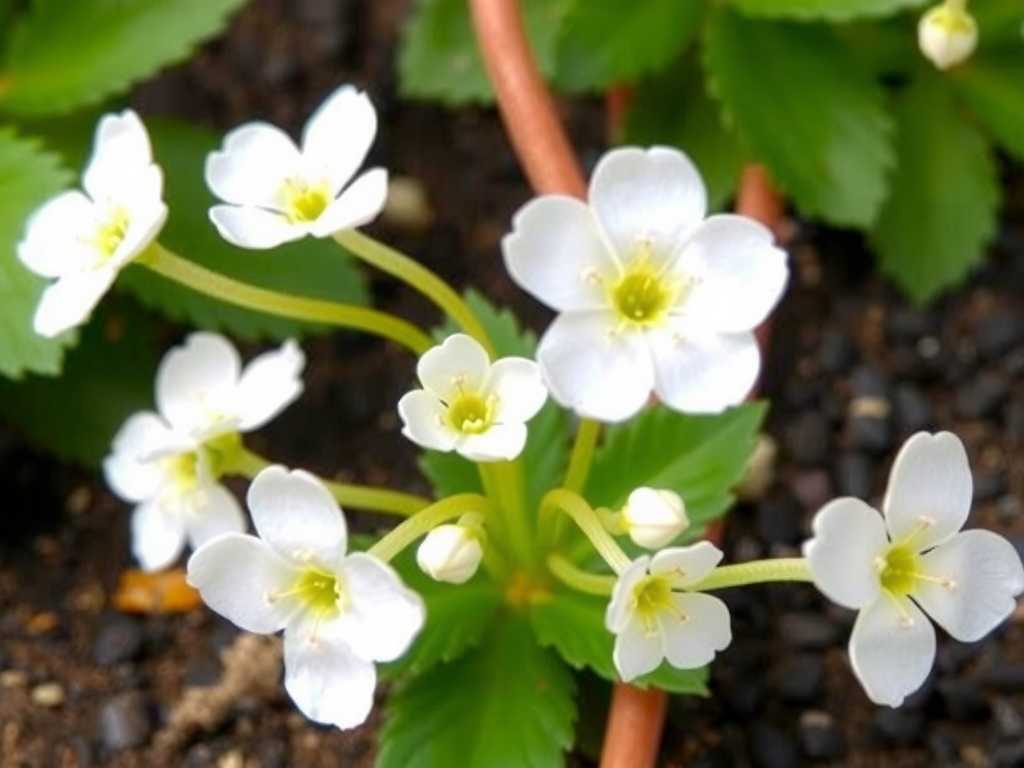
Native to the wetlands of South Africa, the Drosera capensis 'Alba' is a variant prized for its pure white blooms, which contrast beautifully with its red-tinted, sticky tentacles. It's a perennial, meaning with proper care, it can live for many years. Its "Alba" designation specifically refers to its flower color, while the foliage retains the classic cape sundew characteristics. Experts like those at the International Carnivorous Plant Society note that the Cape Sundew white flower variety is one of the most adaptable and rewarding for beginners, making it an excellent entry point into the world of carnivorous plants.
Essential Care Requirements for a Healthy Plant
Success hinges on mimicking the plant's natural bog habitat. Getting these four pillars right is 90% of the battle.
Water: The Non-Negotiable Foundation Never, ever use tap water. Dissolved minerals will kill your sundew. You must use only low-mineral water: rainwater, distilled water, or reverse osmosis water. The best method is the tray technique. Keep your pot sitting in 0.5 to 1 inch of pure water at all times. The soil will wick up moisture as needed. Allow the tray to dry out briefly before refilling to prevent stagnation, but never let the soil surface become dry.
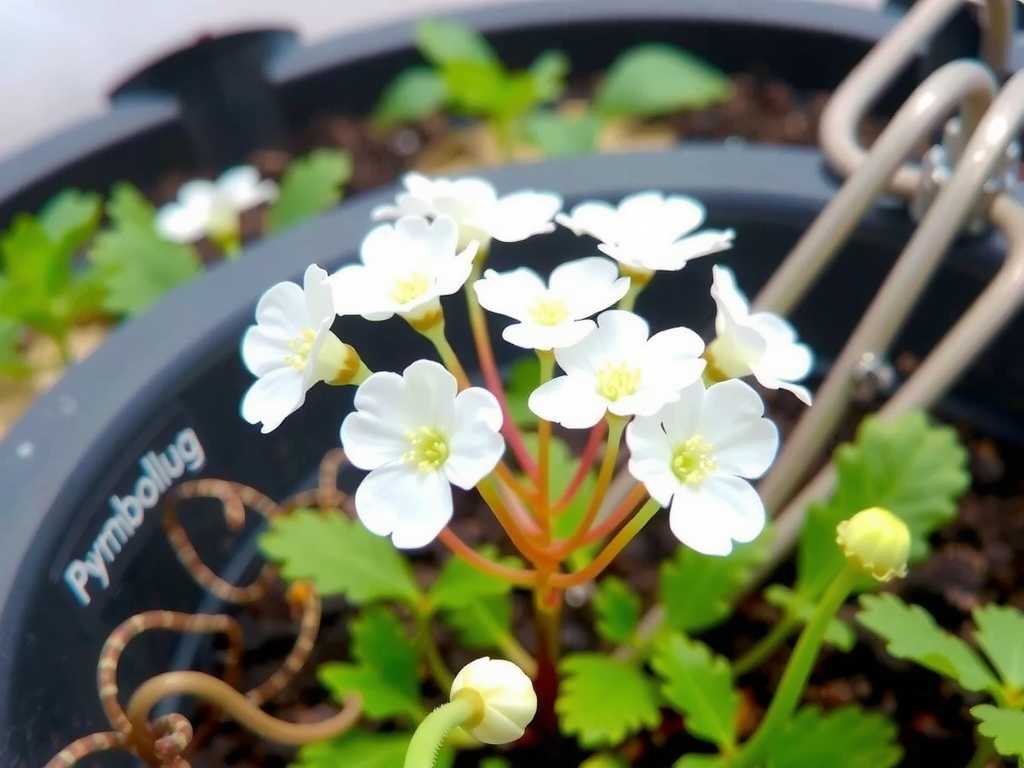
Soil and Potting: Creating the Perfect Home Standard potting soil is fatal. Drosera capensis 'Alba' requires a nutrient-poor, acidic, and airy medium. A simple and perfect mix is a 1:1 ratio of sphagnum peat moss and perlite. Avoid miracle-gro or enriched products. A plastic or glazed ceramic pot with drainage holes is ideal. Repotting is rarely needed more than every 2-3 years, as these plants don't have extensive root systems.
Light: Fuel for Growth and Dew This is critical for that characteristic sticky dew. Provide very bright light. A south-facing window is the minimum. For robust growth and prolific dew production, most growers recommend supplemental lighting with LED or fluorescent grow lights for 12-14 hours daily. Insufficient light leads to weak, green growth lacking dew. According to a collective grower survey published in the Carnivorous Plant Newsletter, consistent, strong light is the single most important factor for triggering the white-flowering Cape Sundew to bloom.
Feeding: Should You Feed Your Carnivorous Plant? In a sunny windowsill or outdoors, it will catch small insects like gnats and fruit flies on its own. If grown indoors in a sealed terrarium or without access to bugs, you can supplement feed once every 2-4 weeks. Use a small, live insect (e.g., a pinhead cricket) or a single drop of diluted Maxsea fertilizer on a tentacle. Never use meat or human food. Overfeeding can rot a leaf.
Step-by-Step Growing Guide
Initial Setup and Planting Start with your prepared peat/perlite mix, moistened with distilled water. Gently remove your plant from its nursery pot, teasing apart any matted roots if necessary. Plant it at the same depth it was growing before. Water thoroughly from the top with pure water to settle the soil, then place it in its permanent water tray. Acclimate it to strong light gradually over a week to avoid sunburn.
Ongoing Maintenance and Troubleshooting Check the water tray daily at first to establish a refill rhythm. Remove any dead leaves from the base to prevent mold. Your plant will continuously produce new leaves from the center as older outer leaves die back; this is normal. If you notice a lack of dew, the first suspects are low humidity or, more commonly, insufficient light intensity or duration.
How to Propagate Drosera Capensis 'Alba' One of the joys of this plant is its ease of propagation. The simplest method is leaf cuttings. Pull a healthy leaf from the plant, lay it on damp peat moss, and keep it under bright light and high humidity. Plantlets will form along the edge in a few weeks. You can also grow Drosera capensis from seed collected from its white flowers, though this takes longer. Mature plants also readily produce divisions that can be carefully separated during repotting.
Encouraging Beautiful White Flowers To get your Drosera capensis Alba to bloom, ensure it is mature (usually over a year old) and receiving ample light. It typically sends up 1-3 flower stalks in spring or summer. The stalk can reach 6-12 inches tall, unfurling sequential white blooms over several weeks. You can let the stalk complete its cycle or cut it off early if the plant seems weak, as flowering consumes energy. The flowers are self-fertile and will produce numerous tiny, black seeds if pollinated.
Common Challenges and Solutions
Pests and Diseases Aphids can occasionally attack flower stalks. A sharp spray of water or an application of diluted insecticidal soap (used cautiously) can help. Fungus gnats are more a nuisance than a threat; your sundew will happily catch the adults. The main disease risk is botrytis (gray mold) in stagnant, low-airflow conditions. Increase airflow and remove decaying matter promptly.
Environmental Stress Signs
- No Dew: Almost always due to low light. Increase light intensity/duration.
- Leaves Turning Brown/Crisp: Could be sunburn from too-rapid acclimation, mineral burn from bad water, or simply natural aging of older leaves.
- Plant Appears Leggy or Stretched: A clear sign of insufficient light.
- Slow Growth: Often related to low temperatures or seasonal dormancy. While D. capensis doesn't have a strict dormancy, growth slows in winter.
Will my Drosera capensis 'Alba' survive winter indoors? Yes, it makes an excellent indoor plant year-round. If you grow it outdoors, it can tolerate light frosts but should be protected from hard freezes. Indoors, it appreciates a slight reduction in water and a cooler spot during winter months, but consistent bright light remains key.
Why are the flowers on my 'Alba' not pure white? True Drosera capensis 'Alba' produces consistently white flowers. If you see pink tints, you may have a different cultivar or a hybrid. Flower color can also be influenced by very intense light, but it typically remains white.
Can I grow this sundew in a terrarium? Yes, it thrives in terrariums due to the high humidity, but it must have adequate airflow to prevent mold and very strong artificial lighting placed close to the plants. An open-top terrarium or one with a fan is often best.
With its straightforward needs and forgiving nature, Drosera capensis 'Alba' is a testament to the beauty of the carnivorous plant world. By providing the simple trinity of pure water, the right soil, and abundant light, you'll be rewarded with a vigorous plant that glistens by day and surprises you with elegant white blooms in season. Its adaptability and ease of propagation mean your success can quickly turn into sharing plants with fellow enthusiasts. Embrace the process, observe your plant's responses, and enjoy the unique satisfaction of cultivating this remarkable, dewy predator.