bluename
 How to Prevent Pests on Sundew Plants: My Battle Against Aphids and Mealybugs (And How You Can Win)
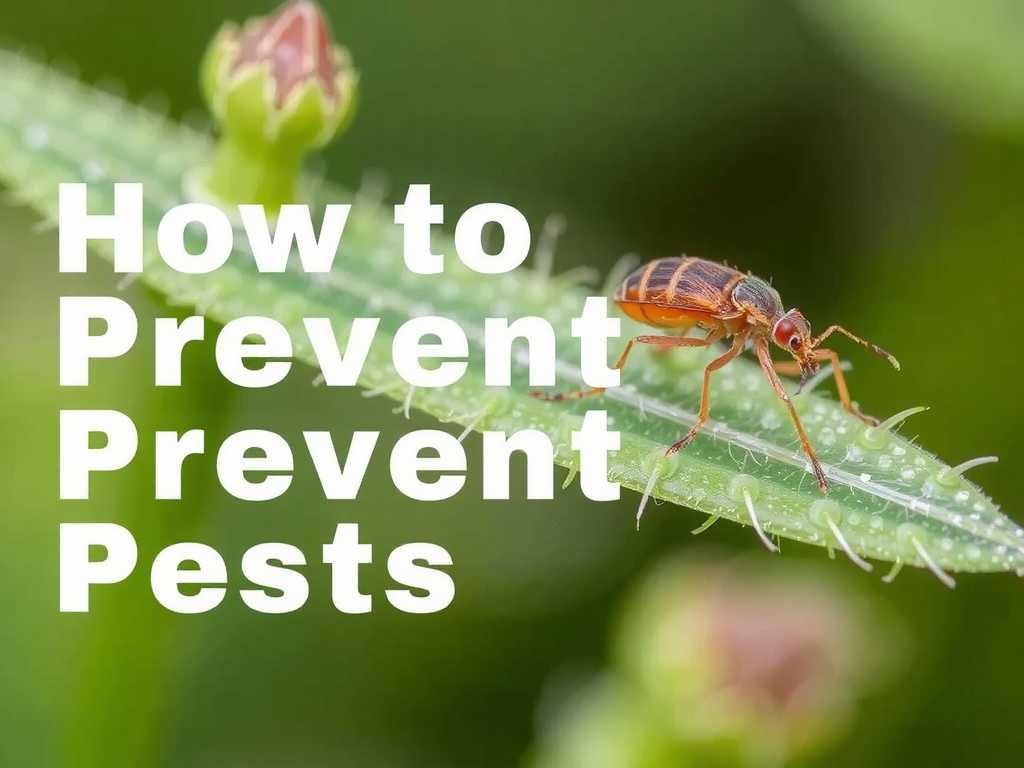
There’s a special kind of heartbreak that comes with checking on your prized sundew collection, only to find a once-vibrant, sticky-leaved hunter now hosting a colony of tiny, sap-sucking invaders. I’ve been there. You meticulously provide the right light, pure water, and perfect soil, only to have an infestation of aphids or mealybugs on sundew plants threaten to undo all your hard work. These pests seem particularly drawn to the tender new growth of these carnivorous wonders, and their damage can be swift and severe. For weeks, I felt like I was fighting a losing battle, trying to protect my delicate Drosera without harming their sensitive nature. Through trial, error, and a dedicated two-week intervention plan, I finally developed a reliable, plant-safe system. This guide is my firsthand account of how to prevent pests on sundew plants effectively, sharing the exact steps I took, the mistakes I made, and the results I documented.
Understanding the Enemy: Why Sundews Are Vulnerable
Before we dive into the solution, it’s crucial to know what we’re up against. Sundews (Drosera) are adapted to nutrient-poor environments, getting their sustenance from trapped insects. This specialization makes them more sensitive than typical houseplants.
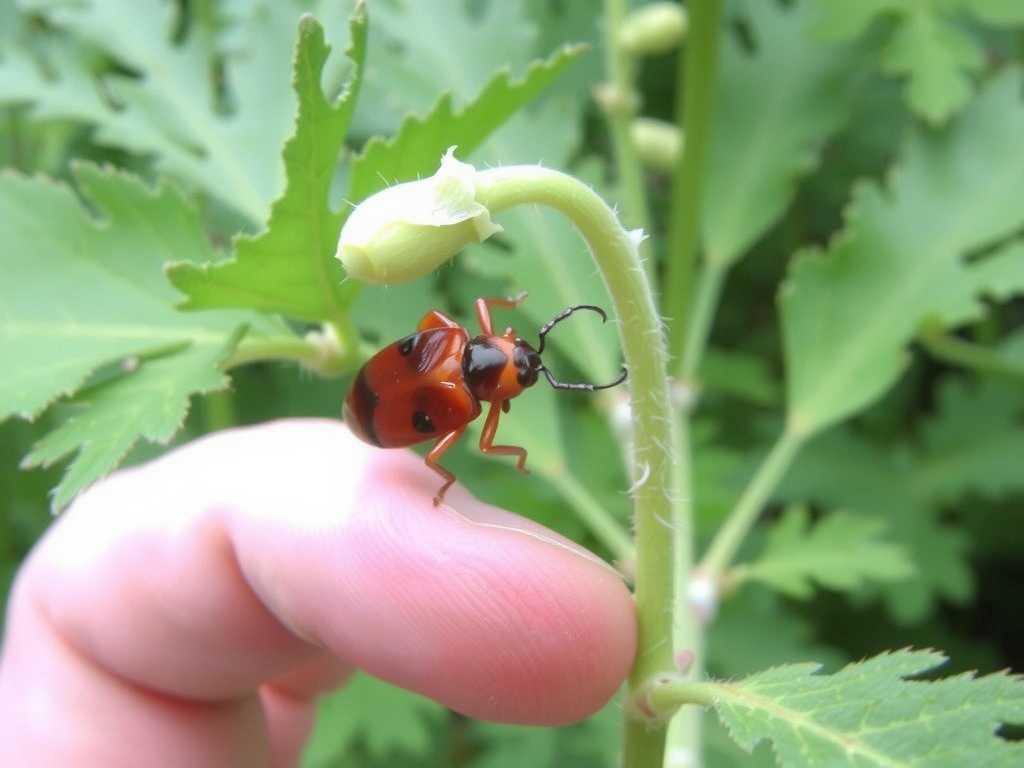
- Aphids: These are the small, soft-bodied pests you’ll often find clustering on flower stalks, new leaves, and the undersides of leaves. They drain sap, causing stunted growth, deformed leaves, and leaving behind a sticky residue called honeydew.
- Mealybugs: They look like tiny bits of white cotton or fluff, often hiding in the leaf axils (where the leaf meets the stem) and at the base of the plant. Like aphids, they suck sap and excrete honeydew.
The core problem is that most conventional insecticides are a hard no for sundews. Their leaves are designed to absorb nutrients from insects, meaning they can easily absorb chemical toxins, leading to rapid decline or death. Our strategy must be physical, targeted, and persistent.
My 4-Step, Sundew-Safe Pest Prevention and Eradication Protocol
After consulting resources from the International Carnivorous Plant Society (ICPS) and cross-referencing with expert growers, I formulated a plan focused on mechanical removal and biological controls. Here is the exact sequence I followed for two heavily infested pots of Drosera capensis.
Step 1: Immediate Isolation and Physical Removal
The moment I confirmed the infestation, I quarantined the affected plants. This is non-negotiable to prevent spread.
- My Action: I moved the pots to a separate room with similar lighting. Wearing magnifying glasses for precision, I used a soft, damp cotton swab to gently wipe off every single aphid and mealybug I could see. For mealybug clusters, I dipped the swab in a small amount of 70% isopropyl alcohol—applied directly to the pest, not the leaf—which dissolves their waxy coating on contact.
- The Mistake I Made: Initially, I tried spraying the alcohol solution. Even a fine mist caused some leaf burn on the most delicate Drosera filiformis. I learned that targeted application with a swab or a tiny paintbrush is infinitely safer.
- Result After 2 Days: Visible pests were gone, but I knew eggs were likely hidden in the soil or crevices.
Step 2: The Soil Drench and Root Zone Defense
Pests lay eggs in the soil. Skipping this step guarantees a resurgence.
- My Action: I prepared a solution of 1 part 3% hydrogen peroxide to 4 parts distilled water. I carefully poured this into the soil, allowing it to soak through completely until it drained out the bottom. The peroxide oxygenates the soil and helps eliminate pest eggs and larvae without harming the sundew’s roots when used diluted.
- Key Consideration: I used only distilled water for this mix, as sundews are extremely sensitive to minerals in tap water.
- Result After 1 Week: No new pests emerged from the soil surface. The plants showed no signs of stress from the treatment.
Step 3: Introducing Biological Control: Beneficial Insects
For ongoing prevention and to tackle any survivors, I turned to nature’s own pest control.
- My Action: I ordered a vial of live Hypoaspis miles (predatory mites) and a sachet of Aphidius colemani (parasitic wasps, which are tiny and harmless to humans) from a reputable biological supplier. Following instructions, I gently distributed the predatory mites on the soil surface and attached the wasp sachet to a stake in the pot.
- My Observation Over 2 Weeks: This was the most fascinating part. Within days, I observed the nearly microscopic predatory mites patrolling the soil line. The parasitic wasps are harder to see, but their effect becomes evident. Over the next two weeks, I saw no new aphid colonies form. Any hatchlings were presumably dealt with by these beneficials.
Step 4: Environmental Optimization for Plant Health
A stressed plant is a target. I audited the conditions to bolster my sundews’ natural defenses.
- My Action: I ensured they were receiving at least 6 hours of direct or very strong artificial light. I checked that their trays were filled only with distilled or rainwater, and I increased air circulation slightly with a gentle fan in the room (not pointed directly at them).
- The 2-Week Outcome: The treated sundews, now pest-free, put out a flush of healthy, sticky new growth. The older, damaged leaves were gradually replaced. The beneficial insects established a presence, creating a sustainable defense system.
Building a Fortress: Long-Term Prevention Strategies
Treatment is one thing; keeping pests away is another. Here’s what I integrated into my routine.
- The Quarantine Rule: Every new plant now spends 3-4 weeks in isolation before joining the main collection. I inspect it thoroughly every few days.
- Regular Inspection Ritual: Every time I water, I spend a minute turning leaves and checking growth points. Early detection is 90% of the battle.
- Avoiding Overcrowding: I gave my plants a little more space. Crowded conditions reduce airflow and make pest transfer easier.
- Strength Through Care: Consistent, optimal care is the ultimate pest deterrent. A thriving sundew is more resilient.
Addressing Your Top Concerns: FAQ from Fellow Growers
Can I use neem oil or insecticidal soap on my sundews? I strongly advise against it. In my experience and as echoed by the Carnivorous Plant Society, these products, even when diluted, can clog the sensitive mucilage (dew) on the leaves and are often absorbed, causing damage. The physical and biological methods outlined are far safer and more effective for Drosera.
How often should I repeat the hydrogen peroxide soil drench? Only as a treatment for an active infestation. It is not a routine fertilizer or preventative. For prevention, focus on beneficial insects and good cultural practices. I used it only once at the start of my two-week protocol and have not needed it since.
Will beneficial insects harm my sundews or their ability to catch food? Not at all. Predatory mites and parasitic wasps are only interested in the pest insects. They do not damage plant tissue. Your sundew will continue to catch its own prey as usual; think of the beneficials as a specialized security team handling the underground and covert threats.
Winning the war against aphids and mealybugs on sundews requires patience and a shift in mindset—from reactive chemical use to proactive, physical, and biological management. The journey from discovering that first cluster of pests to seeing your sundew glisten healthily again, guarded by its own tiny army of beneficial insects, is incredibly rewarding. By isolating immediately, removing pests manually with care, treating the soil smartly, and enlisting nature’s help, you create an environment where your sundews can thrive, pest-free. Stay vigilant, trust the process, and your sticky-leaved friends will thank you with vigorous growth.