bluename
 How to Care for Sundew in a Terrarium: My 2-Week Journey from Setup to Success
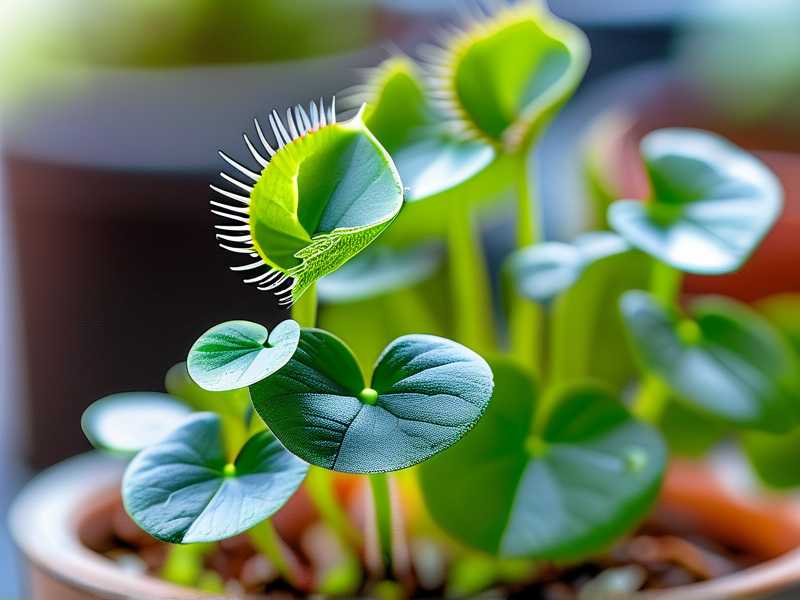
I remember the excitement of getting my first sundew, a delicate Drosera capensis, and the immediate anxiety that followed. I wanted to create a beautiful, self-sustaining terrarium world for it, but online advice was conflicting. Would it get enough light sealed in glass? How often should I water it without causing mold? My fear of slowly watching this fascinating carnivorous plant wither away was real. If you’re here, you likely share that same worry about providing perfect terrarium care for sundew plants. After extensive research, trial, error, and a dedicated two-week observation period, I’ve crafted a reliable, step-by-step guide from a fellow plant enthusiast who’s been in your shoes.
Understanding Your Sundew’s Core Needs
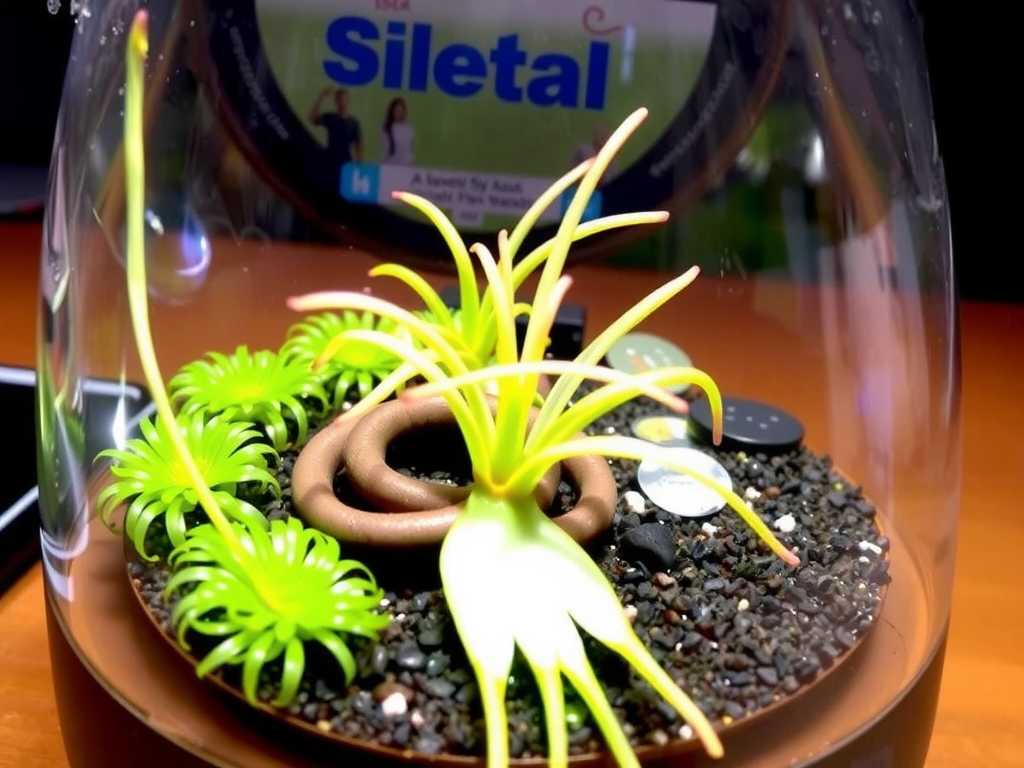
Before we even touch a jar, it’s crucial to know what makes sundews tick. These aren’t your typical ferns or mosses. As carnivorous plants, they’ve evolved in nutrient-poor, boggy environments. This shapes every single requirement. According to the International Carnivorous Plant Society (ICPS), the three non-negotiable pillars for healthy sundews are pure water, bright light, and the correct soil medium. Getting any of these wrong in an enclosed terrarium can lead to rapid decline.
My Step-by-Step Terrarium Build and Setup
I chose a classic glass apothecary jar with a wide opening for better airflow. Here’s exactly what I did, layer by layer.
Selecting and Preparing the Foundation Drainage is critical to prevent waterlogged roots. I started with a 1.5-inch layer of rinsed aquarium gravel. On top of that, I added a thin barrier of sphagnum moss to keep the soil layer from sifting down. The soil mix for carnivorous plants is paramount. Regular potting soil is fatal. I mixed a 50/50 blend of long-fiber sphagnum moss and horticultural sand, ensuring both components were washed and nutrient-free. This creates the acidic, airy, and poor-nutrient environment sundew roots crave.
Planting and Initial Arrangement I gently moistened the soil mix before planting. Carefully removing my Drosera capensis from its nursery pot, I rinsed all the old peat from its roots using distilled water. I created a small well in the center, placed the plant in, and gently firmed the soil around it. To enhance the miniature landscape and help maintain humidity, I added a few small pieces of driftwood and a layer of living sphagnum moss around the base. The setup was complete and looked stunning.
The Critical First Two Weeks: Observation and Adjustment
This period was all about monitoring and fine-tuning. I kept a daily log, which was invaluable.
Lighting: Finding the Sweet Spot I placed the terrarium about 10 inches beneath a full-spectrum LED grow light, set on a 14-hour timer. The first few days, I noticed the dew on the tentacles was sparse. The plant was getting light, but not enough intense light. Following advice from carnivorous plant experts like those at the Carnivorous Plant Hub, I moved the light to 6 inches away. Within 48 hours, the transformation was incredible. The plant reddened slightly, and every tentacle glistened with thick, sticky dew. This confirmed that providing adequate light for sundews in glass requires more intensity than you might initially think.
Watering and Humidity: Avoiding the Swamp My biggest “aha!” moment came with watering. I used only distilled water, initially watering from the top until the gravel layer at the bottom was just moist. I then sealed the terrarium. Bad idea. By day three, condensation was so heavy I couldn’t see the plant, and the sphagnum moss started looking too soggy. I had created a mold risk. I immediately removed the lid. For the next four days, I let the terrarium breathe, only lightly misting in the mornings. The humidity stayed high (around 70-80%), but airflow prevented stagnation. I learned that a terrarium for sundews often works better as a “paludarium-style” open or partially open system, not a sealed one.
Feeding and Maintenance With ample light, my sundew began catching tiny fungus gnats on its own. I resisted the urge to overfeed it. Once, I placed a small dried bloodworm (rehydrated) on a leaf, which it digested over four days. I removed any dead leaves promptly with tweezers to keep the environment clean.
Troubleshooting Common Sundew Terrarium Problems
I faced a couple of issues that you might encounter.
Fungus or Mold Growth This was my condensation scare. The solution was simple: increase airflow. I now keep the lid permanently off one side of my jar. If you see mold on soil or decorative elements, remove them immediately and consider a light spray with a diluted sulfur-based fungicide approved for carnivorous plants.
Lack of Dew or Poor Plant Color This is almost always a light issue. My early experience proved that. If your plant is green and stretched with little dew, it’s begging for more photons. Move your grow light closer or get a stronger bulb. A healthy, well-lit sundew in a terrarium will have vibrant colors and glistening traps.
Pest Management in a Closed System While sealed terrariums can breed pests, my open approach helped. I did spot one aphid on week two. Using a cotton swab dipped in distilled water, I manually removed it and monitored closely. Neem oil is generally not recommended on delicate sundews. Manual removal is the safest first defense.
Why This Approach Works: The Science of Success
Creating this environment isn’t just mimicry; it’s science. The RHS (Royal Horticultural Society) emphasizes that recreating a plant’s natural biome is key to success. The gravel layer and open top prevent anaerobic conditions, while the peat-free soil mix avoids toxic mineral buildup. The high-intensity light drives photosynthesis and dew production, which is the plant’s mechanism for both feeding and, as noted in studies, certain protective functions. By addressing these core physiological needs, the plant thrives.
Frequently Asked Questions
Can I use tap water for my sundew terrarium? Absolutely not. Minerals and chemicals in tap water (like chlorine and fluoride) will quickly build up in the soil and burn the roots, leading to death. Always use distilled, reverse osmosis, or rainwater.
How often do I need to feed my sundew in a terrarium? Rarely, if ever. A healthy terrarium with some airflow will often attract small insects naturally. Your sundew can go months without a catch. Overfeeding can stress the plant and rot the leaf. Focus on perfecting its light and water instead.
My sundew is producing long, flower-like stalks. What should I do? Congratulations! Those are flower scapes. You can let them bloom for seeds (they’re often self-fertile), or you can cut them off. Flowering consumes significant energy. If the plant is young or you want to focus on leaf and trap growth, snipping the stalk at the base is recommended.
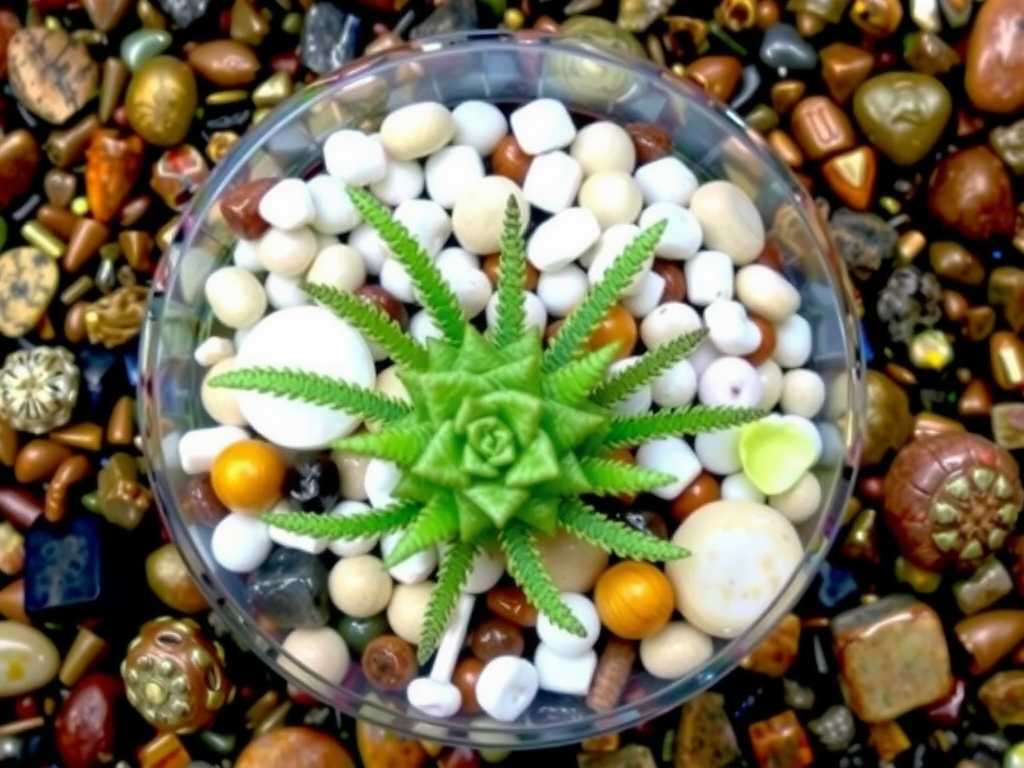
Seeing my sundew now, two weeks after the initial adjustments, is deeply satisfying. Its leaves are robust, covered in glistening dew that catches the light, and it’s even producing new growth from the center. The journey taught me that patience and observation are your most important tools. Start with the right fundamentals—pure water, intense light, and the proper soil—then watch and respond to your plant’s cues. An open or partially open terrarium provides the humidity they love without the pitfalls of stagnation. With this approach, you can create a captivating, low-maintenance ecosystem where your carnivorous companion will not just survive, but visibly thrive.