bluename
 That foul, musty, or even rotten egg smell wafting from your sundew's pot is more than just unpleasant—it's a distress signal from your plant. A healthy carnivorous plant soil mix should have a clean, earthy, or slightly peaty aroma. When it starts to smell bad, it's a clear sign that the delicate balance of its unique environment has been disrupted. This guide will walk you through the exact steps on how to fix sundew soil smelling bad, restoring a healthy foundation for your sticky-leaved friend.
Understanding why this happens is the first step to a cure. Sundews (Drosera) thrive in nutrient-poor, acidic, and constantly moist conditions. This very requirement creates a perfect storm for anaerobic bacteria—microbes that live without oxygen—to thrive if the soil structure breaks down. These bacteria are the culprits behind the bad odors as they decompose organic matter in soggy, airless conditions.
Identifying the Source of the Smell
Before taking action, diagnose the specific issue. The type of odor can point to the root cause.
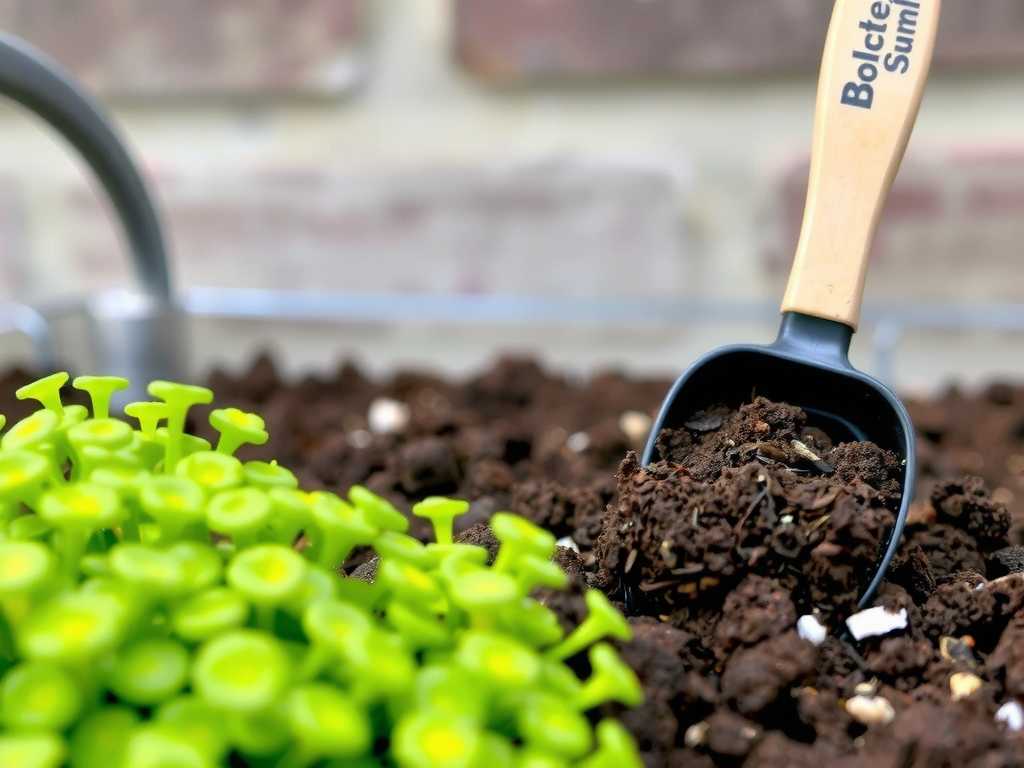
The Sour or Vinegary Smell This often indicates waterlogged soil and the onset of root rot. The classic carnivore soil mix of peat moss and perlite can compact over time, especially if watered from the top frequently without proper drainage. As expert grower and author of The Savage Garden, Peter D'Amato, notes, "Stagnant water is the enemy of most carnivorous plant roots. They need moisture, not a swamp."
The Rotten Egg or Sulfurous Smell This is a definitive sign of severe anaerobic activity, typically hydrogen sulfide gas. This happens in deeply saturated, compacted soil where oxygen has been completely driven out. It's a more urgent warning that roots are likely suffocating and decaying.
The Musty, Moldy Odor While peat moss has a natural, mild earthy smell, a strong mustiness can signal fungal growth on the soil surface or on decaying leaves left in the pot. This is common in low-light, high-humidity environments with poor air circulation.
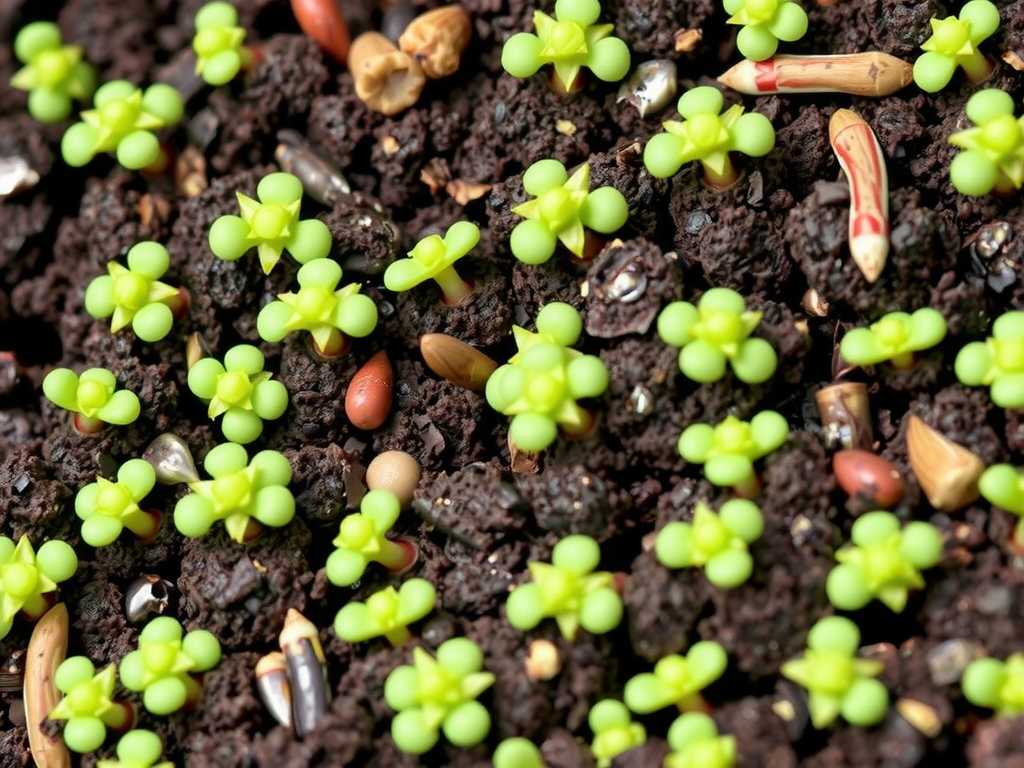
Step-by-Step: How to Revive Your Sundew and Eliminate Bad Smells
Follow this systematic approach to address the problem effectively and safely.
Immediate Rescue: The Soil Refresh
If the smell is strong, a soil change is usually necessary. Don't worry; sundews generally transplant well.
- Gently remove the sundew from its pot. Carefully shake and rinse the root ball with distilled, reverse osmosis, or rainwater to remove the old, smelly medium.
- Inspect the roots. Healthy sundew roots are typically dark but firm. Trim any black, mushy, or slimy roots with sterile scissors.
- Prepare a new, appropriate mix. Use a 1:1 ratio of unenriched sphagnum peat moss and horticultural perlite. Never use potting soil, compost, or fertilized products. Moisten the mix with your purified water before planting.
- Repot in a clean container. Always use a pot with multiple drainage holes. Plastic or glazed ceramic pots are ideal as they don't leach minerals.
Correcting Your Watering Technique
Improper watering is the most common cause of smelly soil. Here’s the right way.
- Water from the Bottom (Tray Method): This is the gold standard. Place your pot in a saucer or tray and keep it filled with about 0.5 to 1 inch of purified water. The soil will wick up moisture as needed. Let the tray dry out completely before refilling. This cycle prevents the top layer from becoming perpetually soggy.
- Use Only the Right Water: Tap, spring, or bottled water contain minerals that will build up, degrade the soil medium, and harm your plant. Stick strictly to distilled, reverse osmosis, or collected rainwater.
- Ensure Powerful Drainage: After bottom-watering, lift the pot. Excess water should drain freely from the bottom. If it doesn't, your soil may be too compact or your drainage holes clogged.
Optimizing the Environment for Health
Creating the right growing conditions prevents problems from returning.
- Maximize Light: Provide at least 6 hours of direct sunlight or equivalent strong artificial light (LED grow lights are excellent). Strong light promotes robust growth and helps utilize soil moisture efficiently.
- Increase Airflow: Use a small oscillating fan on a low setting near your plant collection. Good air movement across the soil surface discourages fungal growth and helps soil dry slightly on top while remaining moist below.
- Maintain Hygiene: Regularly remove any dead leaves or trapped insects from the soil surface. This decaying organic matter can contribute to odors and mold.
Preventing Future Soil Odors
An ounce of prevention is worth a pound of cure, especially in carnivorous plant care.
- Repot Annually: Even with perfect care, peat moss breaks down. Repotting your sundew into fresh medium every 1-2 years refreshes the soil structure and aeration.
- Choose Shallow Pots: Sundews have relatively shallow root systems. A deep pot holds more wet soil than the roots can access, increasing the risk of anaerobic zones. A wider, shallower pot is often a better choice.
- Consider a Soil Additive: Adding a small portion of orchid bark or coarse silica sand to your peat/perlite mix can further improve long-term aeration and structure, preventing compaction.
FAQ: Addressing Your Sundew Soil Concerns
Can I just let the smelly soil dry out completely to fix it? No. While reducing excess water is key, sundews require consistently moist soil. Allowing them to dry out completely will stress or kill the plant. The correct approach is to replace the soured soil and then maintain consistent moisture via the bottom-watering tray method, not cycles of drought and flood.
Is it okay if there's a little white mold on the soil surface? A small amount of harmless white saprophytic mold on peat is common and not an immediate threat to a healthy plant. However, it indicates overly damp surface conditions and poor air circulation. Increase airflow, scrape off the mold, and allow the top layer of soil to become slightly drier between waterings.
My water tray itself smells bad. What does that mean? A smelly water tray usually means you are not letting it dry out between refills. Stagnant water in the tray can become anaerobic. Adhere to the "fill, let dry, then refill" cycle. Algae growth in the tray can also cause odors; clean the tray regularly with hot water.
Dealing with a smelly sundew pot is a common hurdle for growers, but it's one that is easily overcome with the right knowledge. By understanding that the odor stems from a lack of oxygen in the soil, you can take targeted action—refreshing the growing medium, mastering the bottom-watering technique, and ensuring a bright, breezy environment. Consistent care using pure water and the correct soil mix will keep your sundew's home fresh and its leaves glistening with healthy, odor-trapping dew for years to come.