bluename
 How to Fix Sundew Leaves Curling Downwards: A Complete Care Guide
Seeing your sundew’s once-sticky, upright leaves start to curl downwards and lose their dew can be alarming. This common issue is a clear distress signal from your carnivorous plant, indicating that something in its care routine needs adjustment. Don’t worry—this guide will walk you through the precise steps to diagnose the cause and nurse your sundew back to vibrant, dewy health.
Understanding Why Sundew Leaves Curl Down

Before we fix the problem, it’s crucial to understand what your sundew is trying to tell you. Leaf curling is a symptom, not a disease itself. The iconic sticky "dew" on a sundew’s tentacles is its lifeblood for catching prey. When leaves curl down, become limp, or lose their dew, the plant is conserving energy and moisture because its core needs aren’t being met. The primary culprits almost always relate to water, light, or humidity.
Diagnosing the Root Cause of Curling Leaves
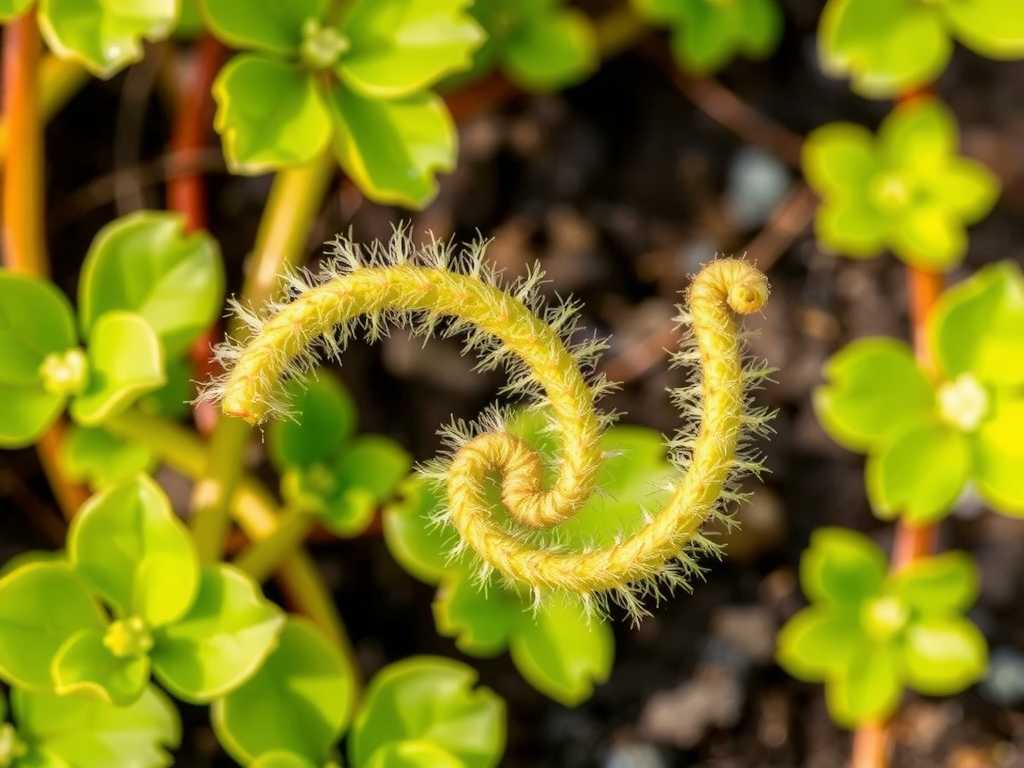
Start by observing your plant and its environment closely. The specific nature of the curl—whether leaves are also browning, blackening, or simply limp—will point you toward the right solution. Let’s break down the most common causes.
Incorrect Watering: The #1 Culprit
Water quality and quantity are paramount for all carnivorous plants. Sundews are extremely sensitive to dissolved minerals found in tap water.
- Using Tap or Hard Water: Minerals like calcium, magnesium, and chlorine build up in the soil, essentially poisoning the roots and preventing them from absorbing nutrients and water. This "chemical burn" causes roots to die off, leading to leaf curl and browning from the tips inward. Always use low-mineral water such as distilled water, reverse osmosis (RO) water, or collected rainwater.
- Watering from the Top: Pouring water directly into the pot’s top can compact the soil and leave the crown (center) of the plant soggy, promoting rot. Sundews prefer the tray watering method.
- The Right Way to Water Your Sundew: Place your pot in a shallow tray or saucer. Keep the tray filled with about 0.5 to 1 inch of appropriate water at all times during the growing season. The soil will wick up moisture as needed. In winter, during dormancy for temperate species, you can let the tray dry out slightly between waterings.
Insufficient Light Exposure
Sundews are sun-lovers. Inadequate light is a leading cause of weak, downward-curling leaves that produce little to no dew. The plant stretches and weakens in a desperate search for more photons.
- Signs of Light Starvation: Look for leggy growth, widely spaced leaves, a pale green or reddish (but not vibrant) color, and a general lack of stickiness.
- Providing Optimal Light: Most sundew species require full sun conditions for at least 6-8 hours of direct sunlight daily. A south-facing windowsill is the minimum for indoor growers. For consistent, robust growth, especially in less sunny climates, invest in a strong LED or fluorescent grow light. Position it 6-12 inches above the plant and run it for 12-14 hours a day. You’ll see a dramatic improvement in leaf posture and dew production.
Low Humidity Levels
While some sundews are adaptable, many tropical species (Drosera capensis, D. aliciae) and all seedlings thrive in higher humidity. Dry air can cause dew to evaporate faster than the plant can produce it, leading to dry, curling leaf tips.
- Boosting Humidity Effectively:
- Use the Tray Method: The water in the watering tray naturally evaporates, creating a localized humid microclimate.
- Group Plants Together: Placing plants close together raises the humidity around them.
- Consider a Terrarium or Humidifier: For finicky species, a terrarium or a small room humidifier can provide the consistent, high-humidity environment they crave. Ensure there is still adequate air circulation to prevent mold.
Other Potential Stress Factors
- Poor Soil or Potting Mix: Never use standard potting soil, which is rich in fertilizers. Sundews require a nutrient-free, acidic mix. A standard blend is peat moss and perlite in a 1:1 or 2:1 ratio. Repotting into fresh mix every 1-2 years prevents decomposition and compaction.
- Pests and Diseases: While not common, aphids or fungal gnats can stress the plant. Inspect leaves and soil. A mild insecticidal soap spray (made with distilled water) can treat aphids. Fungus from overly stagnant conditions can cause crown rot.
- Natural Dormancy: If you have a temperate sundew (like Drosera filiformis or D. rotundifolia) and leaves are dying back in late fall/winter, this is normal. The plant is entering dormancy. Reduce watering, provide cooler temperatures, and wait for new growth in spring.
Step-by-Step Recovery Plan for a Curling Sundew
- Immediate Assessment: Check your water source first. Switch to distilled, RO, or rainwater immediately if you’ve been using tap water.
- Evaluate Light: Move the plant to a brighter location or set up a grow light. This is often the fastest way to see new, healthy growth.
- Check the Soil: If the soil is old, compacted, or you suspect mineral buildup, plan to repot. Gently rinse the roots with distilled water during repotting to remove old soil.
- Adjust Humidity: Implement the tray method and group plants if humidity is low.
- Practice Patience: Damaged, curled leaves may not recover. Focus on the plant’s crown. If it’s still green and firm, new leaves will emerge under the corrected conditions. Trim away completely dead leaves to encourage new growth.
Expert Tips for Prevention and Vibrant Health
- Feed Occasionally: While they catch their own food, a supplemental feeding can boost growth. Place a small, dead insect on a leaf every 2-4 weeks during active growth. Avoid fertilizing the soil.
- Choose the Right Pot: Plastic or glazed ceramic pots are best. Avoid unglazed terracotta, as it can leach minerals into the soil.
- Acclimate Gradually: When increasing light intensity, do so gradually over a week to prevent sunburn.
Frequently Asked Questions
Can a sundew recover from severe leaf curl? Yes, in most cases. Sundews are remarkably resilient if their core issue is fixed. As long as the central growth point (crown) is alive, it will produce new, healthy leaves once given proper light, water, and humidity. The old, curled leaves may die off, which is part of the recovery process.
How long does it take for new, healthy leaves to grow after fixing the problem? Under ideal corrected conditions, you can expect to see a new leaf begin to unfurl within 1-3 weeks. It may take another week or two for it to fully develop its sticky dew. Full recovery to a lush plant can take a couple of months.
Is it normal for older sundew leaves to curl and die? Yes, a certain amount of old leaf die-off is completely normal as the plant grows and renews itself. The key is to observe where the curling is happening. If only the oldest, bottom leaves are slowly dying while the center produces vigorous new growth, your plant is likely healthy. Widespread curling affecting new and old growth indicates a care issue.
By systematically addressing water quality, ensuring intense light, and maintaining proper humidity, you can reverse sundew leaves curling downwards. Consistency is key. Your sundew will reward your attentive care with a spectacular display of glistening, upright leaves, ready to catch its next meal.