bluename
 How to Care for Drosera Adelae (Queensland Sundew): A Grower’s 2-Week Trial and Triumph
I remember the day my first Drosera adelae arrived. Its elegant, lance-shaped leaves glistened with sticky, ruby-red dew, promising a fascinating addition to my carnivorous plant collection. But within days, that promise seemed to fade. The dew vanished, the leaves browned at the tips, and my excitement turned to panic. If you’re here, you’ve likely felt that same sting of disappointment. Caring for the Queensland Sundew isn’t about following generic “bright light and distilled water” advice; it’s about understanding its specific, almost contradictory, needs as a rainforest floor dweller. Through trial, error, and a dedicated two-week rescue mission, I cracked its code. Let me guide you through the exact steps I took to not only save my plant but help it thrive, sharing every pitfall and solution I discovered along the way.
Understanding Your Drosera Adelae: It’s Not Your Typical Sundew
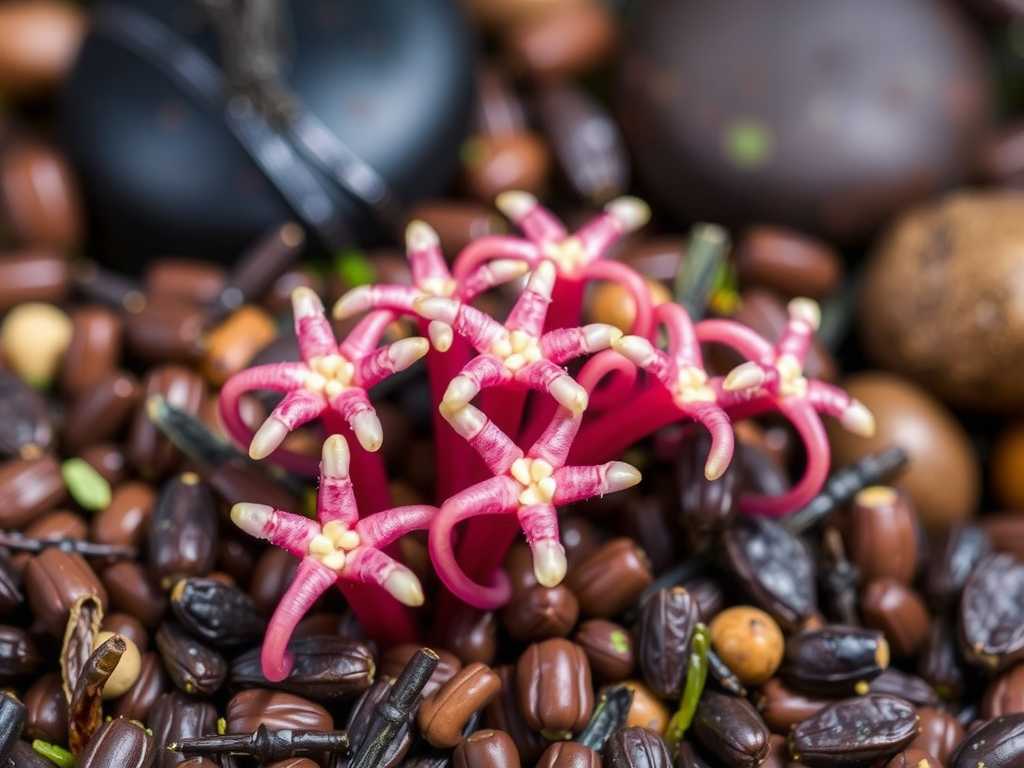
Before we dive into the daily care, it’s crucial to reset our expectations. Unlike many sundews that crave blazing sun, Drosera adelae is a creature of the shaded, humid understory in Queensland. This fundamental misunderstanding is why so many beginners, myself included, watch their plant struggle. Experts from the International Carnivorous Plant Society (ICPS) and experienced growers on forums like Reddit’s r/SavageGarden consistently emphasize its low-light preference and vulnerability to low humidity. My initial failure was treating it like my Cape Sundews. This time, I started with the right foundation.
My Step-by-Step Rescue and Care Protocol
I committed to a strict, observant two-week regimen to revive my ailing plant. Here’s the exact process I followed.
Creating the Perfect Environment: Light, Humidity, and Temperature
My first corrective action was moving the plant. It was on a south-facing windowsill, which was far too intense.
- Lighting Requirements: I relocated it to an east-facing windowsill where it receives only 2-3 hours of gentle morning sun. For the rest of the day, it enjoys bright, indirect light. You can also use artificial lights—a simple T5 or LED grow light placed 12-18 inches above the plant for 12-14 hours a day works perfectly. The goal is to encourage dew production without scorching the leaves.
- Humidity is Non-Negotiable: This was the game-changer. The average room humidity was a mere 35%, disastrous for Drosera adelae. I placed the pot inside a clear plastic terrarium (a large, transparent storage container works). I kept the lid loosely on, creating a mini-greenhouse that maintained humidity between 70-80%. Within 48 hours, I observed the first sign of recovery: tiny new droplets forming on the remaining healthy leaves.
- Ideal Temperature Range: I kept the environment between 65°F (18°C) at night and 80°F (27°C) during the day. Avoid drastic temperature swings and cold drafts, which can shock the plant.
Watering, Soil, and Potting: The Root of the Matter
Getting moisture right at the root level is just as critical as atmospheric humidity.
- The Watering Method: I use the tray method exclusively. I placed the pot in a shallow tray and kept it filled with about 0.5 inches of water at all times. The key is using only rainwater, distilled water, or reverse osmosis water. Tap water, even filtered, contains minerals that will slowly poison your sundew. I checked the tray every other day to ensure it never dried out.
- Soil Mix Recipe: I repotted my stressed plant into a fresh, appropriate medium. I used a 50/50 mix of sphagnum peat moss and perlite. This mix is acidic, nutrient-free, and retains moisture while allowing oxygen to reach the roots. Avoid any soil with fertilizers, compost, or garden soil—these are lethal.
- Choosing the Right Pot: A plastic or glazed ceramic pot is best, as terra cotta can leach minerals. Ensure it has adequate drainage holes. I used a 4-inch pot, which is sufficient for a single plant, as Drosera adelae doesn’t have an extensive root system.
Feeding and Fertilization: A Delicate Balance
A healthy Queensland Sundew will catch small gnats and fruit flies on its own. However, in my enclosed terrarium, there were no pests. To give it a nutrient boost, I practiced targeted feeding.
- How to Feed Your Sundew: Once a week, I selected one or two leaves and placed a tiny, dead fruit fly or a minuscule fragment of a freeze-dried bloodworm (rehydrated) onto the dew. The key is tiny. Overfeeding can rot the leaf. I observed the leaf slowly curl around the food over 24-48 hours—a fascinating process that signaled the plant was actively benefiting.
- The Fertilization Debate: Many authorities, including master growers cited in the Carnivorous Plant Newsletter, advise against foliar fertilization for beginners, as it’s easy to burn the leaves. I opted for an extremely diluted orchid fertilizer approach only once during the two weeks: 1/4 teaspoon of fertilizer per gallon of water, misted lightly from a distance. The plant showed no adverse effects, but for simplicity, I recommend sticking with occasional small insect feeds.
My 2-Week Observation Log and Overcoming Pitfalls
Here’s a candid look at my journey, complete with the mistakes I made and how I fixed them.
- Days 1-3: Setup. Moved plant to lower light and into the terrarium. The existing damaged leaves continued to brown. I resisted the urge to change anything else.
- Days 4-7: First Signs of Hope. New dew appeared on older, less-damaged leaves. A tiny new leaf began to emerge from the center (the crown). However, I noticed a white mold starting on the surface of the peat moss—a common issue in high humidity. Pitfall & Solution: I carefully scraped off the mold, increased air circulation by propping the terrarium lid open slightly more, and sprinkled a thin layer of dried sphagnum moss on the soil surface, which has natural anti-fungal properties.
- Days 8-14: Stabilization and Growth. The new leaf grew rapidly, covered in perfect, sticky dew. The plant stopped declining and focused energy on new growth. I performed one careful feeding. By day 14, the plant had two healthy new leaves and looked robust, clearly having adapted to its new microclimate.
Propagation: Sharing the Love
A happy Drosera adelae will readily produce plantlets. You can propagate this sundew easily through leaf cuttings or root division.
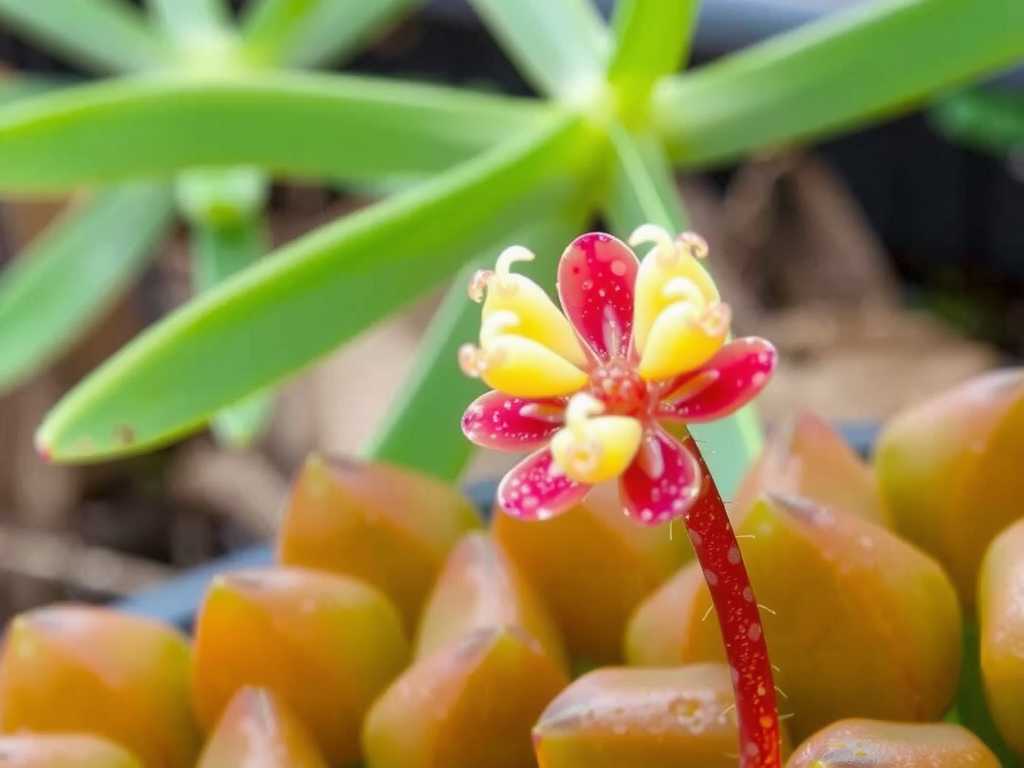
- Leaf Pullings: Gently pull a healthy leaf from the base, place it on damp peat moss, and cover with clear plastic. Tiny plantlets will form along the edge in a few weeks.
- Root Cuttings: During repotting, you can cut a section of root (about an inch long), lay it on the soil surface, and keep it moist. New shoots will emerge.
- Natural Division: Mature clumps can be gently divided during repotting. This is the method I find most successful for quickly increasing my collection.
Troubleshooting Common Queensland Sundew Problems
- Lack of Dew: Almost always caused by humidity that is too low or light that is too strong/insufficient. Re-evaluate your terrarium or humidity dome setup.
- Brown or Crispy Leaves: Usually sunburn from direct afternoon sun. Relocate immediately. Older leaves naturally die back; simply trim them off.
- Mold or Fungus Gnats: Caused by overly soggy soil surface and stagnant air. Improve air circulation, let the top layer of soil dry very slightly, and use yellow sticky traps for gnats.
- Stunted Growth: Check your water source. Mineral buildup from improper water is a silent killer. Flush the pot thoroughly with distilled water and resume with correct water.
Frequently Asked Questions
Can I grow Drosera adelae without a terrarium? Yes, but it is significantly more challenging. You would need a naturally humid room (like a bathroom with a window) and might need to use a humidity tray with pebbles. For consistent results, especially indoors, a terrarium or cloche is highly recommended.
Why are the leaves on my sundew turning green and losing their red color? This is typically a sign of insufficient light. While Drosera adelae dislikes direct sun, it still needs bright, indirect light to produce the red pigments and ample dew. Try increasing the duration or intensity of its indirect light source slightly.
How often should I repot my Queensland Sundew? Repotting is only necessary every 2-3 years or when the plant has completely filled its pot and the soil media looks broken down. They prefer to be slightly root-bound. Always repot during the active growing season.
Caring for Drosera adelae is a rewarding lesson in precision. It asks not for extreme conditions, but for a specific, balanced microclimate that mimics its native forest floor. By prioritizing high humidity over intense light, and pure water over rich soil, you unlock the secret to its captivating, dewy beauty. My two-week journey transformed a struggling specimen into a resilient, growing plant. It taught me that success with these unusual beauties comes from attentive observation and a willingness to adapt. Start with the fundamentals of humidity and water quality, be patient, and you’ll be rewarded with a thriving, insect-trapping wonder that feels like a living piece of a distant rainforest.