bluename
 How to Grow Sundew in a Hanging Basket: A Complete Guide from a Fellow Plant Lover
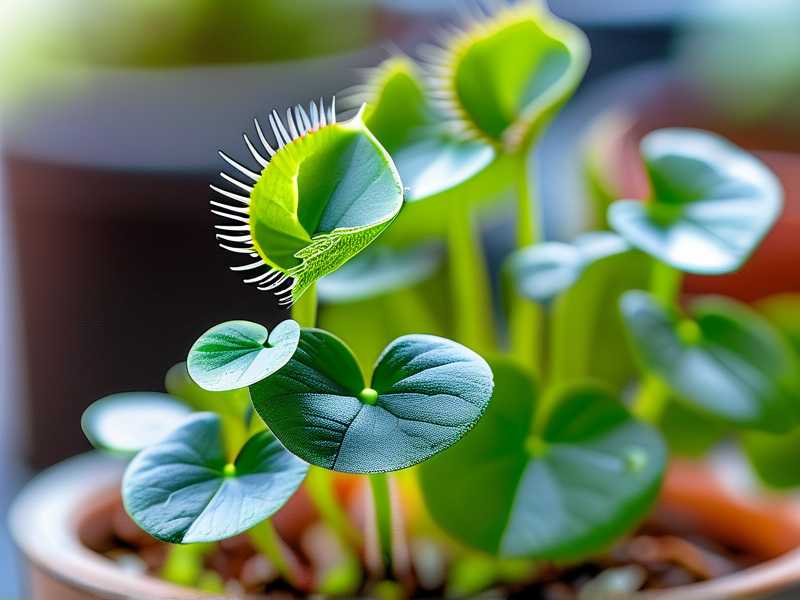
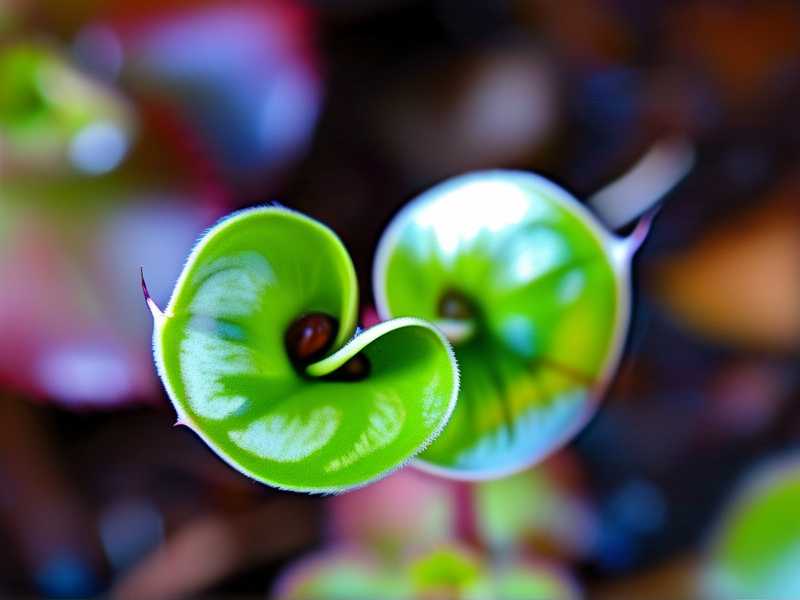
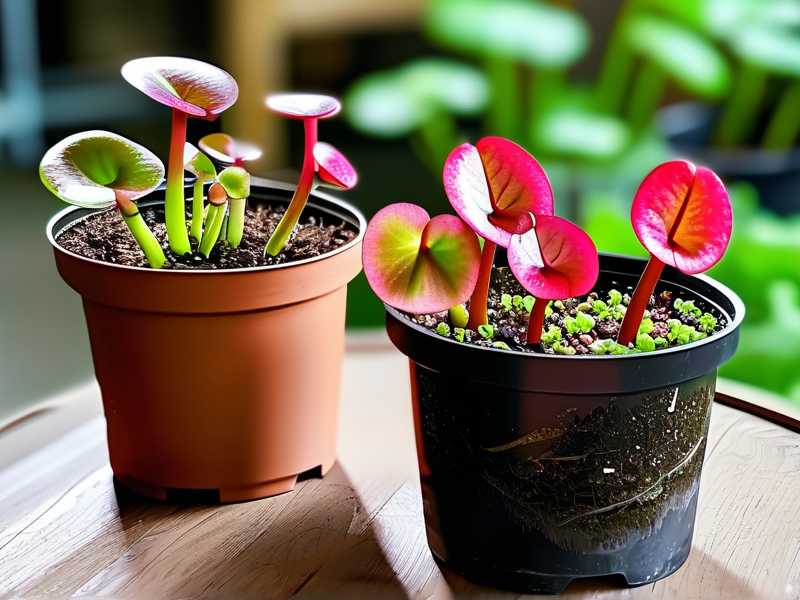
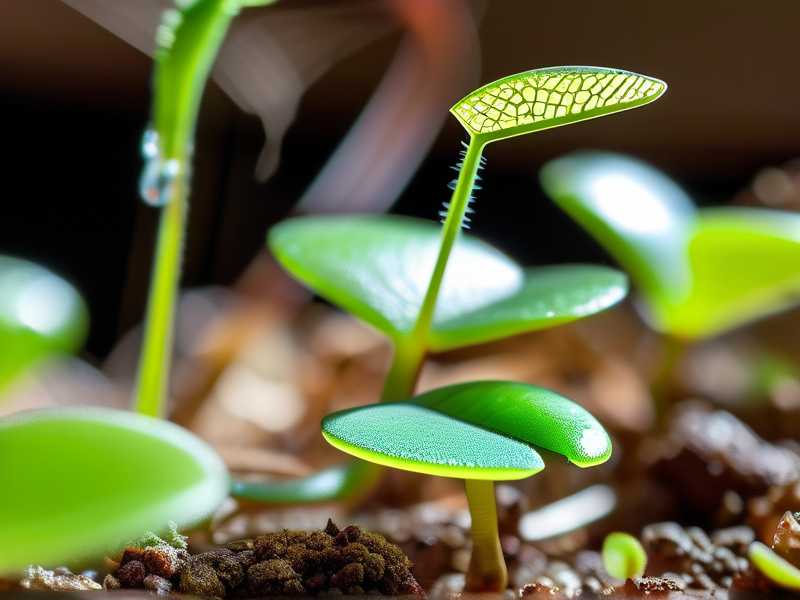
I used to think sundews were these impossibly delicate, terrarium-only plants. I’d admire their glistening, dewy tentacles in photos, assuming I could never enjoy them in my own small space. The idea of growing them in a traditional pot felt limiting. Then, a challenge sparked an idea: what if I could grow these fascinating carnivorous plants not just successfully, but beautifully, right in my living room? That’s how my two-week journey to master growing sundews in a hanging basket began. It combined my love for unique displays with the intrigue of carnivorous plant care. In this guide, I’ll walk you through every step I took, the mistakes I made, and the surprisingly simple solutions that led to a thriving, dew-covered sundew display.
Why Consider a Hanging Basket for Your Sundew?
Most care guides will tell you to grow sundews in a tray of water on a sunny windowsill. That works, but it’s not very space-efficient or visually striking. A hanging basket solves several common grower frustrations. It elevates the plant to perfect light levels, provides exceptional air circulation crucial for preventing mold, and creates a stunning, conversation-starting feature. For urban dwellers or those with limited sill space, it’s a game-changer. According to the International Carnivorous Plant Society, good air flow is a key, often overlooked, factor in cultivating healthy sundews, preventing fungal issues that can plague stagnant environments. A hanging basket naturally provides this.
My Step-by-Step Process: From Setup to Success
Here is the exact process I followed, refined after a few initial stumbles.
Choosing the Right Sundew Species
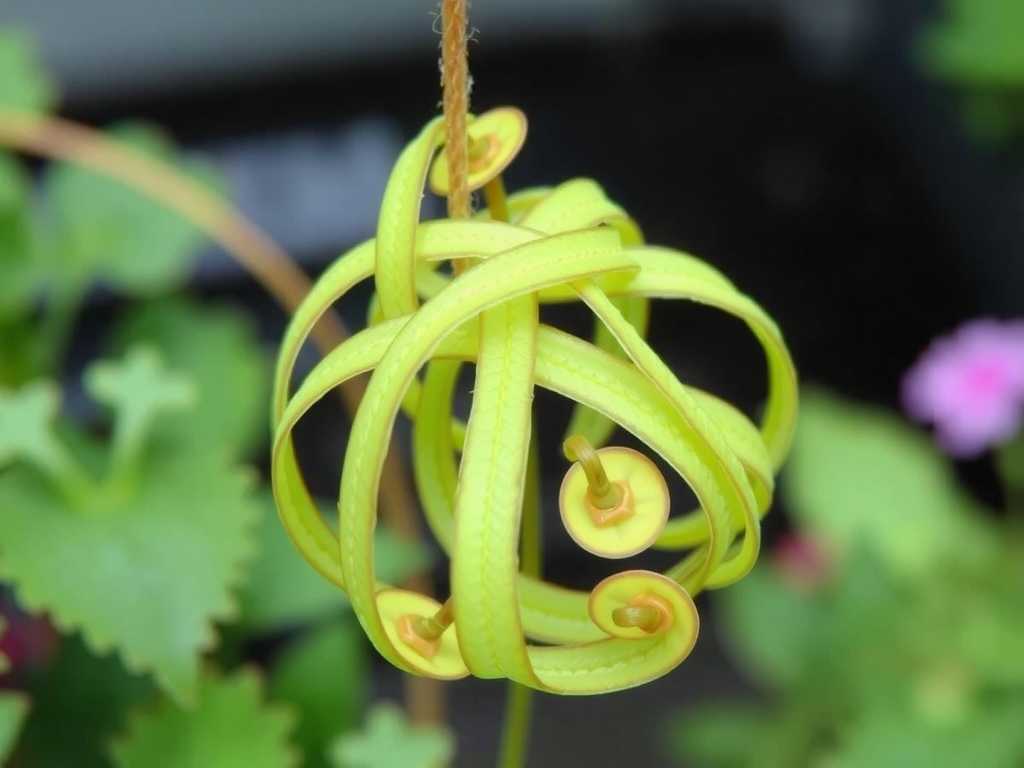
Not all sundews are created equal for this project. Through research and consultation with experts from the Carnivorous Plant Society, I learned that tropical species are best suited for the consistent indoor conditions a hanging basket will experience. I chose Drosera capensis, the Cape sundew. It’s renowned for being forgiving, fast-growing, and producing plenty of that characteristic sticky dew. Another excellent option is Drosera adelae. I advise against temperate species that require winter dormancy for this particular setup.
Selecting and Preparing the Hanging Basket
My first mistake was using a standard wire basket lined with coconut coir. It dried out far too quickly, even indoors. For the second attempt, I chose a solid plastic hanging basket with drainage holes. It retains moisture much better. I filled it with a pre-moistened, nutrient-free medium. A mix of 50% sphagnum peat moss and 50% perlite is the gold standard, as recommended by nearly all authoritative sources. Never use potting soil or fertilizers; they will kill your sundew.
The Planting and Initial Hanging Location
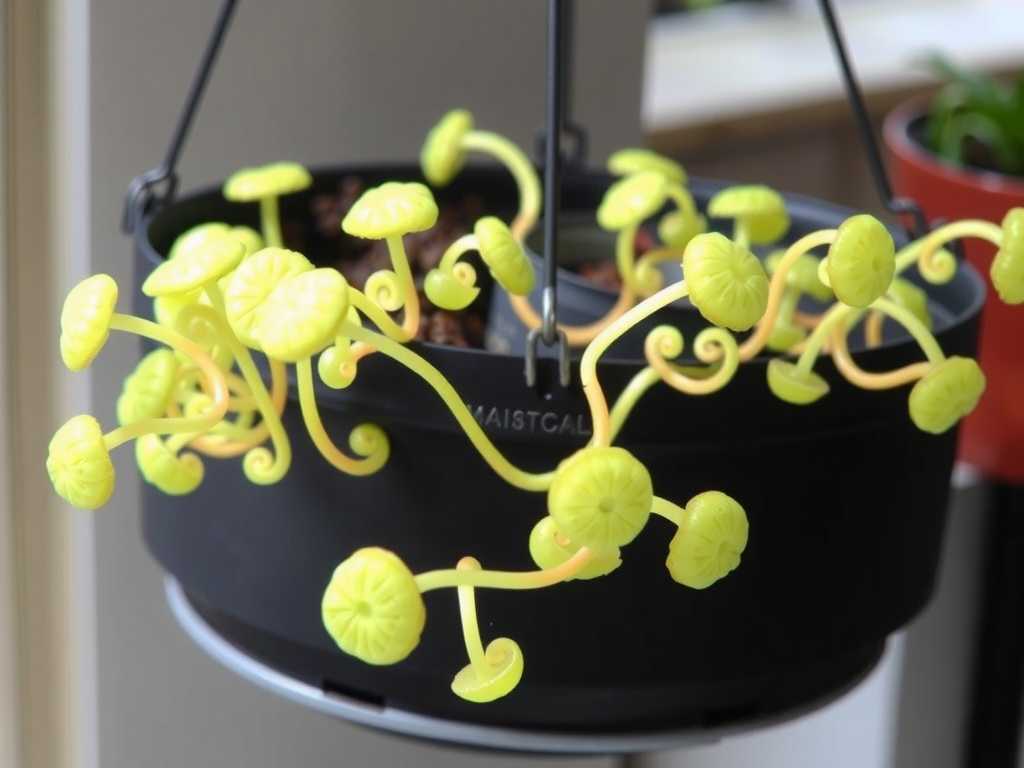
I gently planted my Drosera capensis in the center of the prepared medium. The crucial next step was watering. Carnivorous plants require mineral-free water. I use distilled water or rainwater exclusively. I watered thoroughly until it drained from the bottom. Instead of the traditional tray method, I placed a deep plastic saucer underneath the hanging basket. This allows me to keep the soil consistently moist by maintaining about half an inch of water in the saucer, which the basket wicks up.
I initially hung it in a south-facing window. This was my second error. The intense, direct afternoon sun, magnified by the glass, was too strong and began to scorch the leaves, reducing dew production. I moved it to a bright east-facing window where it receives strong, direct morning light for 4-5 hours and bright indirect light for the rest of the day. This location proved perfect.
My 2-Week Observation Log and Troubleshooting
This is where the real learning happened. I monitored the plant closely every day.
- Days 1-3: The plant looked slightly shocked from repotting (normal). Dew was minimal. I kept the saucer full of distilled water.
- Days 4-7: I noticed the medium in the basket was drying on the surface faster than I expected due to air circulation. I started top-watering lightly every other day in addition to keeping the saucer full. New, small leaves began emerging, covered in tiny droplets.
- Days 8-10: A breakthrough! The new growth was robust and glistening with thick dew. The plant was clearly acclimating. I observed it catching tiny fungus gnats on its own—a major benefit of its hanging position near other houseplants.
- Days 11-14: The sundew was visibly thriving. It had produced several new leaves and even a flower stalk (which I later learned is common for happy D. capensis). The dew production was prolific, sparkling in the morning light. The basket system was working: excellent light, constant moisture from the wicking saucer, and fantastic air flow.
Problems I Encountered and How I Fixed Them:
- Rapid Drying: As noted, the basket’s exposure to air caused faster surface drying. Solution: The dual watering approach—maintaining the reservoir saucer and occasional top-watering—solved this completely.
- Leaf Scorching: The first location was too harsh. Solution: Relocating to an east-facing window provided the intense but gentler light spectrum sundews love without the burn.
- Potential for Pests: While sundews catch bugs, they can still attract aphids. I spotted a few near the flower stalk near the end of week two. Solution: I manually removed them with a damp cotton swab. For a larger infestation, a gentle spray with diluted horticultural soap (applied carefully to avoid the soil) is advised by the American Hobbyist Society of Anthophiles’ carnivorous plant division.
Essential Care Tips for a Thriving Hanging Sundew
Watering is Non-Negotiable: Always use distilled, reverse osmosis, or rainwater. Tap water, even filtered, usually contains minerals that will accumulate and slowly poison the plant. Check the saucer daily; never let it go completely dry.
Feeding Your Carnivorous Plant: Your sundew will catch some food on its own. If you want to supplement, never use fertilizer. Instead, once every 2-4 weeks, you can place a single, tiny insect (like a dried bloodworm rehydrated with a drop of water) on a leaf. I did this once during the two weeks, and the leaf curled around it digestively within 48 hours. Overfeeding can harm the plant.
Winter Care Considerations: Since we’re using tropical sundews indoors, they don’t require a cold dormancy. However, light levels will drop in winter. You may need to move the basket to the brightest possible window. Growth will slow, so reduce watering slightly, keeping the soil just moist but not soggy.
Frequently Asked Questions
Can I hang my sundew basket outdoors? You can, but with strict conditions. It must be in a spot with dappled sunlight or only morning sun, protected from heavy rain that can wash away the dew, and you must bring it indoors before temperatures dip below 50°F (10°C). For most, indoors is simpler and safer.
How often should I repot my sundew? Repotting is only needed every 1-2 years when the medium breaks down or the plant outgrows the basket. Use the same nutrient-free peat/perlite mix. The best time is in early spring as growth resumes.
The dew on my sundew has disappeared. What’s wrong? Lack of dew is a classic stress signal. The most common causes are insufficient light (move it to a brighter location), using the wrong water (switch to distilled immediately), or low humidity combined with too much direct heat (move away from heating vents and consider a small humidifier nearby, but often better light fixes this).
Growing a sundew in a hanging basket has been one of my most rewarding plant projects. It turns a fascinating carnivore into a living piece of art. The key takeaways are simple: choose a tough tropical species like Drosera capensis, use the right soil and water, provide bright but not scorching light, and harness the natural air circulation of the hanging format to your advantage. My two-week experiment proved that with a slight adjustment to the traditional care routine, you can create a stunning, healthy display. That once-intimidating plant is now a thriving, dewy centerpiece in my home, quietly catching the occasional gnat and reminding me that sometimes, the best solution is to think—and grow—outside the pot.