bluename
 How to Care for Sundew in Dry Climates (Humidity Hacks)
I love sundews. Their glistening, dew-covered tentacles are a mesmerizing sight, a tiny miracle of nature on a windowsill. But when I moved from a humid coastal region to an arid inland desert, I thought my days of growing these sticky carnivores were over. My first few attempts ended in crispy, dewdess failure. The air was simply too dry. If you’re struggling with how to care for sundew in dry climates, you’re not alone. This is the fundamental challenge for enthusiasts in low-humidity areas. But don’t give up. Through trial, error, and two weeks of meticulous experimentation, I found reliable humidity hacks for sundew plants that actually work. This guide is my firsthand account of what succeeded, what failed, and how you can keep your sundews thriving, not just surviving.
Understanding the Sundew’s Humidity Needs
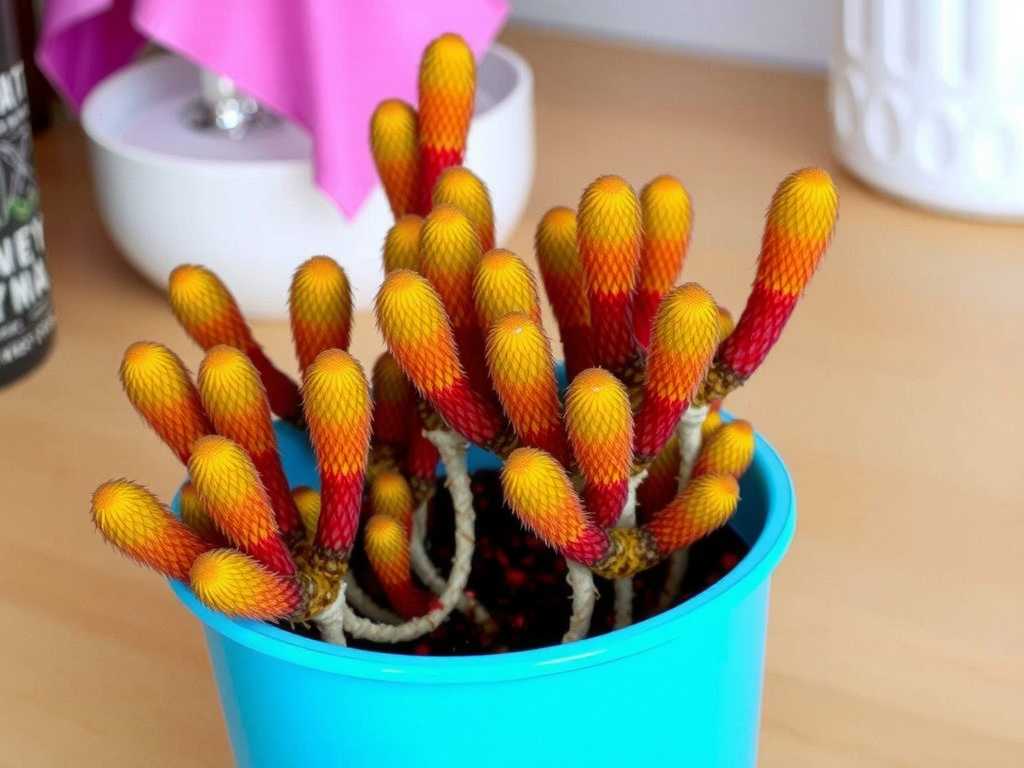
Sundews (Drosera) are bog plants. In the wild, they grow in constantly moist, sun-drenched environments where humidity is naturally high. The sticky “dew” they produce is a complex mucilage essential for trapping prey. In dry air, this dew evaporates faster than the plant can produce it. Without it, the plant cannot feed and becomes stressed, leading to poor growth, lack of color, and eventually death.
The goal isn’t to recreate a rainforest in your home but to create a localized microclimate of higher humidity around the plant. According to the Carnivorous Plant Society, maintaining a relative humidity of around 50% or higher is ideal for most common sundew species. In my dry climate, indoor humidity often dips below 30%, especially with heating or air conditioning running.
My 2-Week Experiment: Testing Humidity Solutions
I decided to run a controlled test with four identical Cape Sundew (Drosera capensis) plants, all healthy and dewy at the start. I monitored them for two weeks, tracking dew production, new leaf growth, and overall vigor. Here’s what I tried.
Hack #1: The Humidity Dome (The Quick Fix)
This is the most straightforward method. I used a clear plastic storage container with a lid, turning it into a mini-terrarium.
- My Setup: I placed a saucer with pebbles and a little water at the bottom of the container, then set the potted sundew on top of the pebbles (ensuring the pot itself wasn’t sitting in water, which can cause root rot). I loosely placed the lid on top, leaving a small crack for minimal airflow.
- The 2-Week Result: Spectacular, but with a caveat. Within 48 hours, the sundew was dripping with more dew than I’d ever seen. New leaves emerged quickly. However, by the end of the first week, I noticed a potential issue: lack of air circulation. A faint hint of mold appeared on the soil surface.
- The Pitfall & Solution: Stagnant, super-humid air can encourage fungal growth. My fix was to remove the lid completely for at least an hour each day to allow fresh air exchange. This simple step prevented further mold and kept the plant healthy. This method is excellent for propagation or reviving a stressed plant, but requires daily attention.
Hack #2: The Pebble Tray Method (The Classic Approach)
This is the most commonly recommended hack. It’s simple: a tray filled with pebbles and water, with the plant pot placed on top.
- My Setup: I used a wide, shallow tray. I filled it with a layer of clean pebbles and added water until the water level was just below the top of the pebbles. The key is that the pot’s drainage holes must never sit in the standing water.
- The 2-Week Result: Moderate success. This method provided a slight, consistent boost in humidity directly around the plant. My test sundew maintained its existing dew and showed slow but steady growth. It prevented the plant from drying out but didn’t produce the explosive growth of the dome.
- The Pitfall & Solution: In very dry climates, the water evaporates incredibly fast. I had to refill the tray every other day. Also, its effectiveness is limited to a small zone directly above the tray. For better results, I grouped several carnivorous plants together on a large pebble tray. Their collective transpiration created a more substantial humid microclimate, a principle often highlighted in horticultural guides for increasing local humidity.
Hack #3: The DIY Mini Greenhouse (The Long-Term Winner)
This became my permanent, hands-off solution. I wanted something that maintained humidity, allowed for light, and provided automatic air circulation.
- My Setup: I purchased a small, inexpensive indoor greenhouse shelf with a clear plastic cover. I placed my sundews on the bottom shelf alongside a small, quiet USB-powered fan set on a timer and a digital hygrometer to monitor conditions. The fan runs for 15 minutes every hour.
- The 2-Week Result: Perfect balance. The humidity stabilized between 55-65%. The sundews were consistently dewy and produced vibrant, colorful new leaves. The gentle, periodic air flow from the fan completely prevented any fungal issues and strengthened the plants. This setup mimics the natural breezes of their native habitat.
- Why It Works: It combines containment, monitoring, and air movement. The fan is the game-changer. As noted in discussions among experts from the International Carnivorous Plant Society, good air circulation is critical to prevent disease in high-humidity environments and actually promotes stronger stem and leaf development.
Essential Care Synergy: Humidity is Just One Piece
No humidity hack will work if other core needs are neglected. In dry climates, these factors are even more critical.
Water is Non-Negotiable: The Tray Method Always use distilled, rainwater, or reverse osmosis water. Tap water contains minerals that will slowly poison your sundew. I keep my plants permanently sitting in a shallow saucer of this water (about 0.5-1 inch deep). The soil medium (a 50/50 mix of peat moss and perlite) wicks up moisture as needed. In my arid air, I check the saucer daily and top it up. Consistent soil moisture helps the plant maintain its internal water pressure to produce dew.
Light: The Energy Source Sundews need intense light to manufacture the energy for dew production. I use a strong LED grow light positioned about 6-8 inches above the plants, running for 14 hours a day. Ample light is what makes the dew glisten and the plant turn beautiful red hues. Without enough light, even with perfect humidity, your sundew will become leggy and produce little dew.
Feeding: A Boost, Not a Requirement A healthy sundew in good light and humidity will catch its own gnats. But indoors, prey can be scarce. During my experiment, I gently fed one or two tentacles on a single leaf per plant a week with a dead fruit fly. The response was remarkable—that leaf grew significantly larger. Don’t overfeed; it’s more of a supplemental treat.
What Didn’t Work: Lessons from My Mistakes
- Misting: I briefly tried misting. It provides a momentary spike in humidity but can wash away the precious dew. It also wets the leaves for too long, potentially inviting rot. I do not recommend it as a primary strategy.
- Ignoring Airflow: As seen in the dome experiment, high humidity without circulation is a recipe for mold and weak plants.
- Using a Humidifier for the Whole Room: While it helps, it’s incredibly inefficient for one or two plants and can be costly to run constantly to achieve the needed level in a dry climate. Targeting the plant’s immediate environment is far more effective.
Common Questions from Fellow Growers
Can I grow sundews in a completely dry room without any humidity hacks? It is highly unlikely for most sundew species. The low humidity will cause constant moisture stress, leading to poor dew production, stunted growth, and eventual decline. Some hardy species like Drosera capensis are more tolerant, but they will still perform far better with localized humidity assistance.
My sundew has lost all its dew after bringing it home. Is it dying? Not necessarily. This is often transplant or environmental shock. Place it in a high-humidity environment (like a temporary dome), ensure it has standing distilled water and strong light, and be patient. It can take one to two weeks for it to acclimate and start producing dew again on new growth.
How do I know if the humidity is too high or too low? Your plant will tell you. Too low: lack of dew, crispy leaf tips, slow or no growth. Too high (with poor airflow): mold or algae on the soil, soft, mushy leaves, or a general look of stagnation. A cheap digital hygrometer placed near your plant is an invaluable tool to remove the guesswork.
Growing sundews in a dry climate is a rewarding challenge that is absolutely achievable. It requires shifting your focus from the room’s climate to the plant’s personal space. The key is creating a stable, humid microclimate with adequate air movement. For me, the investment in a small greenhouse shelf with a fan was the ultimate solution, turning my worry into constant delight. Start with a pebble tray, consider a dome for struggling plants, and remember the holy trinity: pure water, bright light, and that precious localized humidity. Your sundews will thank you with a dazzling display of sticky, glistening beauty.