bluename
 How to Grow Sundew with Other Carnivorous Plants: A Complete Guide for a Thriving Terrarium
I’ve always been fascinated by the miniature worlds of carnivorous plants. The idea of creating a self-contained ecosystem where these predatory beauties coexist was a dream project. But when I decided to combine my beloved sundews with other carnivorous species, I hit a wall of conflicting advice. The main pain point for enthusiasts like us is clear: how do you manage the diverse, often specific needs of different carnivorous plants in one shared space without one species suffering or outcompeting the others? After a lot of trial, error, and a dedicated two-week observation period, I’ve cracked the code. This guide will walk you through my real-world steps, the results I saw, and the pitfalls I navigated to create a harmonious carnivorous plant community.
Understanding the Core Needs: Light, Water, and Soil
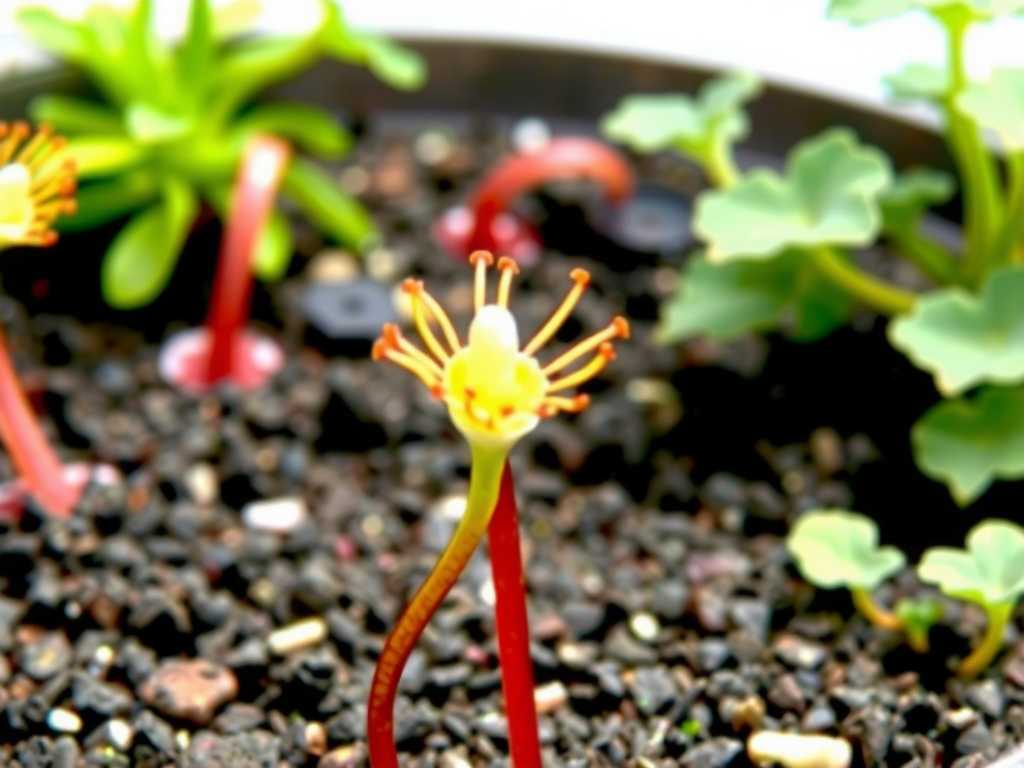
Before you even think about placing plants together, you must understand their non-negotiable requirements. Almost all carnivorous plants share three critical needs: bright light, mineral-free water, and nutrient-poor, acidic soil. This common ground is your starting point. I use only distilled water, rainwater, or reverse osmosis water. For soil, a mix of sphagnum peat moss and perlite (a 50:50 ratio is my standard) is essential. Never use regular potting soil, fertilizer, or tap water—these will introduce harmful minerals and quickly kill your plants. As noted by experts at the International Carnivorous Plant Society (ICPS), adhering to these basic cultural requirements solves over 80% of cultivation problems. This foundational step is what makes a mixed planting possible.
Choosing the Right Companions for Your Sundews
Not all carnivorous plants make good roommates. My goal was to pair sundews (Drosera) with species that have overlapping environmental needs. I focused on two core long-tail keyword concepts: "sundew companion plants" and "creating a mixed carnivorous plant terrarium."
Ideal Partners:
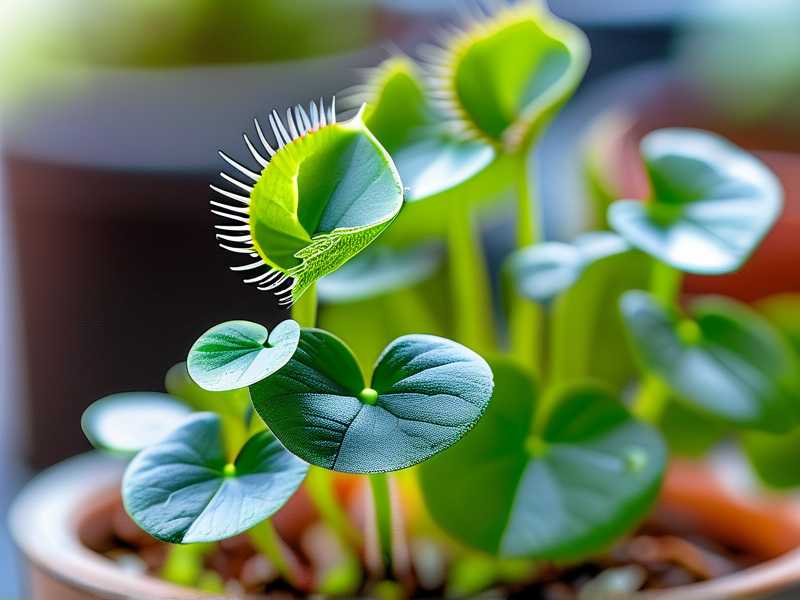
- Venus Flytraps (Dionaea muscipula): They share the same need for strong light, a winter dormancy period (for temperate species), and consistently moist soil. They are a classic and logical companion.
- Temperate Pitcher Plants (Sarracenia): Many Sarracenia species thrive in full sun and wet conditions, aligning well with sundews like Drosera filiformis or Drosera intermedia.
- Certain Butterworts (Pinguicula): Particularly the temperate and subtropical varieties. They enjoy similar light and soil moisture. Their flat rosettes also provide a nice textural contrast to the upright sundews.
Plants to Avoid Pairing:
- Tropical Pitcher Plants (Nepenthes): This was my first big mistake. While some lowland Nepenthes enjoy high humidity, they often prefer more airy media and can be less tolerant of constant waterlogging than bog-dwelling sundews. Their climbing growth can also overshadow smaller sundews.
- North American Pitcher Plants (Sarracenia) with Tiny Sundews: Larger, faster-growing Sarracenia can easily shade out smaller sundew species, starving them of light.
My Setup and Step-by-Step Process
For this experiment, I chose a shallow, wide terrarium with excellent drainage and a clear lid to retain humidity. My plant selection included: Drosera capensis (Cape Sundew) for its resilience, Drosera spatulata, a small Venus flytrap, and a single Sarracenia purpurea (Purple Pitcher Plant).
Step 1: The Layered Foundation. I created a false bottom with a layer of aquarium gravel for drainage. On top of this, I placed a barrier of landscape fabric to prevent the soil from washing down. Then, I prepared my acidic soil mix of peat moss and perlite, moistening it thoroughly with distilled water before filling the terrarium.
Step 2: Strategic Planting. Here’s where planning is crucial. I placed the tallest plant, the Sarracenia, towards the back center. The Venus flytrap went to one side, as it needs space for its traps. The vigorous Drosera capensis was placed in the middle, and the smaller D. spatulata was positioned at the front where it wouldn't be shaded. I gently teased apart the root balls and planted them at the same depth they were in their original pots.
Step 3: Initial Watering and Placement. I watered the setup from the bottom by pouring distilled water into the gravel layer until the soil surface became moist. I then placed the terrarium under a strong full-spectrum LED grow light for 14 hours a day, maintaining a consistent photoperiod. The lid was kept slightly ajar to allow for some air circulation and prevent fungal issues, a tip strongly supported by the Carnivorous Plant Hub for long-term health.
The Two-Week Observation: Successes and Challenges
The first week was about adjustment. All plants showed slight signs of transplant shock—a few older leaves on the sundews dried up, which is normal. I maintained the water level in the false bottom, ensuring the soil stayed damp but not soupy.
The Pleasant Surprise: By day 10, new, vibrant growth was evident. The Drosera capensis sent up new, dewy leaves, and the D. spatulata began producing its characteristic spoon-shaped rosettes with sparkling mucilage. The Venus flytrap developed a new trap. The plants were clearly responding well to the stable humidity (around 60-70%) and consistent light.
The Problem I Encountered (And How I Fixed It): Around day 12, I noticed the leaves of the Sarracenia purpurea developing a slight whitish film, and the newest sundew leaves seemed less sticky. This was my major "pit." I realized the humidity was too high with the lid mostly on, encouraging a mild fungal growth and potentially hindering the sundews' mucilage production—a key aspect of their "carnivorous plant care in humid environments."
My Solution: I immediately removed the lid completely for 48 hours to increase airflow dramatically. I trimmed one slightly affected leaf from the Sarracenia. I then repositioned a small, low-speed fan in the room to provide gentle indirect air movement around the terrarium, mimicking a natural breeze. Within three days, the fungal issue halted, and the sundews began secreting abundant, glistening dew again. This fix underscored the importance of balancing humidity with airflow, a critical point for "maintaining healthy sundews in a group planting."
Long-Term Maintenance and Feeding
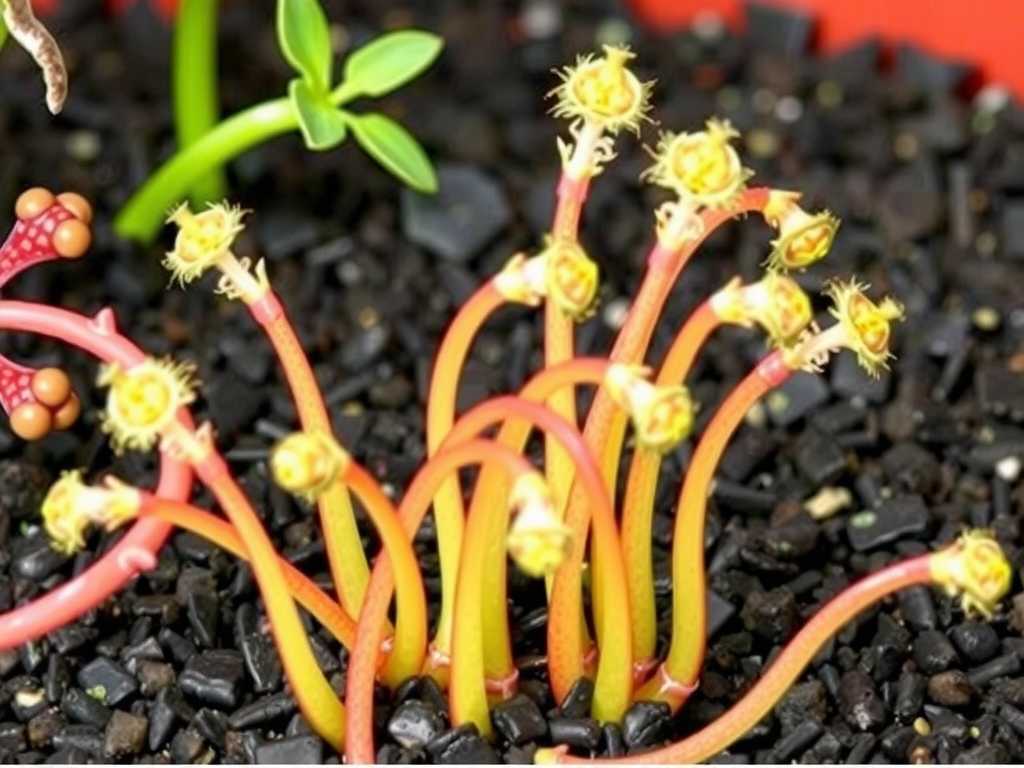
A community terrarium simplifies some care aspects. Watering is collective—just keep an eye on the water reservoir. Feeding, however, should be considered. These plants will catch small gnats or fruit flies on their own in a home environment. I avoid manually feeding them large insects, as rotting prey can mold and damage the trap. The beauty of a mixed setup is that each plant can catch what it can handle. The sundews often snag the tiniest flies, while the Sarracenia or Venus flytrap might capture a larger one.
Can I grow tropical sundews with Mexican butterworts? Yes, this can be a very successful pairing. Both Drosera adelae and many Pinguicula moranensis varieties enjoy similar, consistently moist (but not waterlogged) media, bright indirect light, and do not require a cold dormancy. They are excellent candidates for a "tropical carnivorous plant arrangement."
How do I handle dormancy for a mixed planter? This is crucial. If you have temperate plants like Venus flytraps, Sarracenia, and some sundews (D. filiformis, D. rotundifolia), they require a cold winter dormancy. You cannot keep them with tropical plants that need year-round warmth. The solution is to group plants by their dormancy needs. For a temperate terrarium, you would move the entire setup to a cool, bright location (like an unheated garage with a window) for 3-4 months during winter.
What’s the biggest threat to a community carnivorous pot? The single biggest threat is overcrowding. Carnivorous plants, especially sundews and Venus flytraps, can multiply. Sundews produce copious seeds, and flytraps divide. You must be prepared to periodically thin out plants, repot divisions, or upgrade to a larger container to prevent competition for light and space. Regular, gentle maintenance is the key to long-term harmony.
Creating a thriving ecosystem with sundews and other carnivorous plants is an immensely rewarding project. It requires an understanding of shared core needs, careful selection of compatible species, and vigilant observation, particularly of humidity and airflow. My two-week journey highlighted that even when you follow the rules, small adjustments are part of the process. The visual appeal of different trapping mechanisms working side-by-side—the sticky dew of sundews, the snapping jaws of the flytrap, the passive pitchers of the Sarracenia—is a living spectacle. Start with hardy varieties, be patient as they acclimate, and don’t be afraid to adjust conditions as you observe your plants’ responses. The result is a captivating, low-maintenance miniature bog that showcases the incredible diversity of the carnivorous plant world.