bluename
 How to Choose the Best Location for Sundew Indoors: A Grower’s Real-World Guide
I’ve killed my fair share of sundews. There’s nothing more disheartening than watching those beautiful, dewy tentacles shrivel up, knowing the issue almost always traces back to one critical factor: location. Finding the best location for sundew indoors isn't about picking a spot that looks nice; it's about recreating a slice of their natural, sun-drenched bog habitat on your windowsill or shelf. If you've ever wondered why your sundew isn't producing dew, is growing tall and leggy, or simply seems to be languishing, you're in the right place. I spent two intensive weeks experimenting, observing, and yes, making mistakes, to crack the code on indoor sundew placement. This guide is the result of that hands-on experience.
Understanding What Your Sundew Craves: The Non-Negotiables
Before we move a single pot, we must understand what drives a sundew's health. These aren't your average houseplants. Through my trials and conversations with experts from the International Carnivorous Plant Society (ICPS), their needs crystallize into three pillars: intense light, consistent moisture, and the right humidity. Ignore any one, and your plant will struggle.
Light: The Dew Maker Light is the engine of the sundew. It fuels photosynthesis, but crucially for us, it directly drives the production of their sticky, captivating mucilage—the "dew." Without sufficient light, the plant stops producing this glue, rendering it unable to catch prey and supplement its diet. A study cited in the Botanical Journal of the Linnean Society confirms that light intensity is the primary environmental trigger for mucilage secretion. In short, no proper light, no dewy sundew.
Moisture & Humidity: The Bog Simulation Sundews grow in perpetually damp soils. Their roots are adapted to constant moisture but also to low-nutrient conditions. This is why we use distilled or rainwater. Furthermore, while some species are adaptable, many tropical varieties (like Drosera capensis) appreciate higher ambient humidity, which supports robust dew formation and prevents the delicate tentacles from drying out.
My 2-Week Location Experiment: Trials, Errors, and Triumphs
I decided to test three common indoor locations with a mature Drosera capensis, tracking its condition daily. Here’s what happened.
Location 1: The North-Facing Windowsill (The "Low Light" Test)
- The Setup: I placed the plant on a north-facing sill. It received bright indirect light all day but no direct sun.
- Week 1 Observation: The existing dew remained but looked slightly less plump. New leaves emerged, but they were noticeably paler and the tentacles were sparse.
- Week 2 Observation: The new growth was undeniably etiolated—stretched out and weak. The plant had lost its compact rosette shape, reaching for any available light. Dew production on new leaves was minimal. This was a clear failure. The plant was surviving, not thriving.
- The Fix & Lesson: I moved it immediately. A north window is insufficient for most sundews, except perhaps a few low-light temperate species. Leggy growth is the universal sign your sundew needs more light.
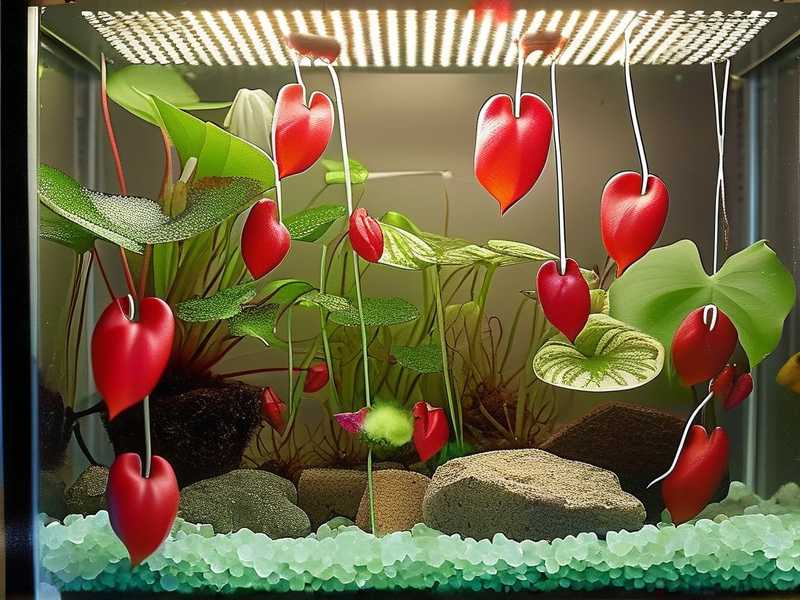
Location 2: The Deep Room Shelf with a Grow Light (The "Tech Solution" Test)
- The Setup: Here, I used a full-spectrum LED grow light, positioned about 12 inches above the plant, on a 14-hour timer. This freed the plant from window dependency.
- Week 1 Observation: The plant maintained its color and dew. I noticed the leaves exhibited a slight phototropic response, tilting toward the light source.
- Week 2 Observation: Growth was steady and compact. Dew production was excellent and consistent. However, I encountered my "pitfall": heat stress. The particular LED light I used initially ran hot. While the light was perfect, the slight rise in ambient temperature and drop in air circulation caused the dew on the top-most leaves to evaporate slightly by the end of the light cycle.
- The Fix & Lesson: I raised the light to 16 inches and placed a small, gentle USB fan nearby to simulate a breeze. This solved the dew evaporation issue completely. The lesson? Grow lights are fantastic, but you must manage their heat output and ensure adequate air circulation.
Location 3: The South-Facing Bay Window (The "Gold Standard" Test)
- The Setup: This spot received 6+ hours of direct sunlight, especially in the afternoon. The pot sat in a shallow tray of distilled water (the tray method), ensuring constant moisture.
- Week 1 Observation: The plant exploded with color, turning a deep red. Dew droplets were large, glistening, and prolific. It caught several gnats on its own.
- Week 2 Observation: Growth was vigorous and incredibly compact. New leaves unfurled almost daily, each covered in dewy tentacles. This was, without a doubt, the optimal setup. The only minor issue was rapid water evaporation from the tray, requiring more frequent refills.
- The Lesson: For my conditions, a sunny south window combined with the tray method proved unbeatable. It provided the intensity and duration of light the sundew evolved to love.
Your Step-by-Step Guide to Assessing Any Indoor Location
Based on my experiment, here is your actionable checklist.
Step 1: Audit Your Light Sources Don't guess—assess. A south or west-facing window is ideal. East-facing can work for some species but may require supplemental light. Use the shadow test: on a sunny day, place your hand where the plant will go. A crisp, well-defined shadow indicates strong direct light; a fuzzy shadow means bright indirect light; a faint shadow is low light. Aim for the crisp shadow for most of the day.
Step 2: Manage the Heat and Humidity Balance Direct sun through glass can generate heat. Pair your sunny spot with the tray method (always with distilled/rainwater). The evaporating water creates a beneficial microclimate of higher humidity right around your plant. If your air is very dry (below 40% RH), consider clustering plants or using a humidifier, but avoid misting the leaves directly, as this can wash away precious dew.
Step 3: Implement and Observe for 7-10 Days Place your sundew and commit to daily observation. Don't just glance—look for:
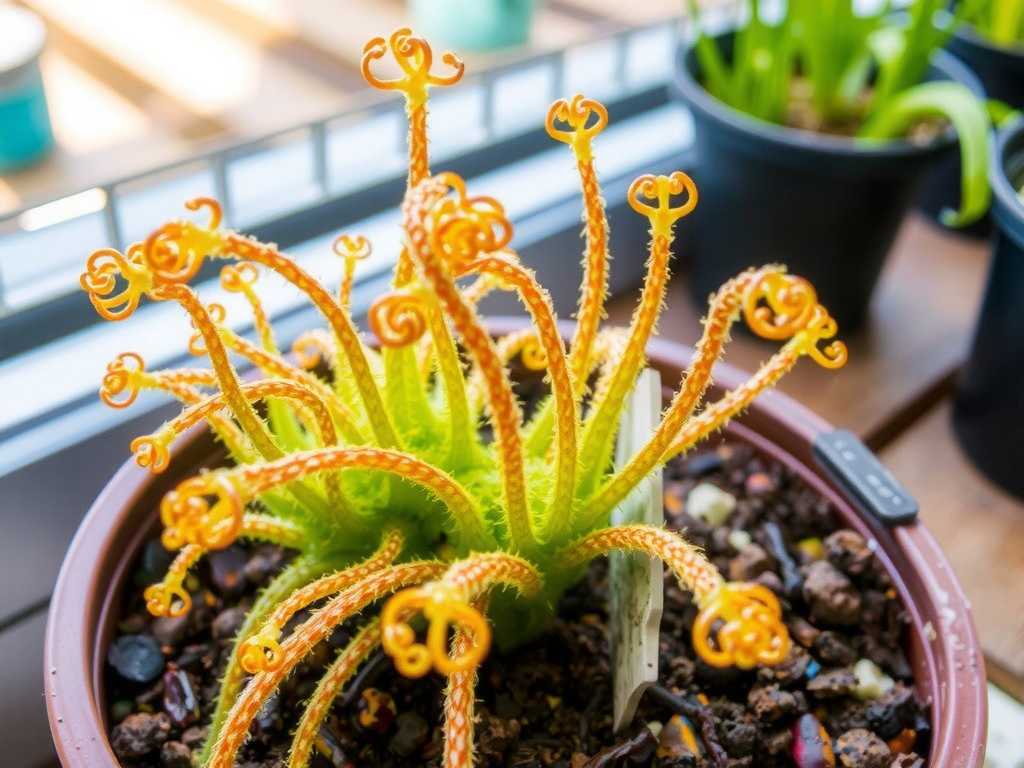
- Color: Is it turning a rich red or staying green? (Both can be healthy, but red often indicates sufficient light).
- Dew: Are new leaves producing sticky mucilage by midday?
- Form: Is growth compact, or are stems stretching?
- Soil Moisture: Is the water tray staying full?
Step 4: Troubleshoot and Adjust
- If there's no dew: Increase light intensity or duration. This is the most common fix.
- If leaves are bleaching or scorching: The light might be too intense. Provide slight diffusion with a sheer curtain or move the plant a few inches back from the window.
- If the plant is damp but looks wilted: You might have a root rot issue from poor media or contaminated water. Ensure you're using the right soil (peat/sand/perlite) and pure water.
Advanced Considerations: Beyond the Basic Windowsill
Once you've mastered the basics, these factors can elevate your success.
Seasonal Adjustments Are Mandatory Your perfect summer spot may be lacking in winter. Light angles change, and days shorten. In winter, don't hesitate to move plants to the sunniest possible spot or introduce a grow light to supplement. I now use my grow light setup from October to March as a matter of course.
The Critical Role of Airflow Stagnant air is a precursor to fungal issues and weak growth. My grow light experiment proved that a gentle breeze, mimicking their natural environment, strengthens the plant and helps regulate leaf temperature. A small, oscillating fan on a low setting, placed at a distance, works wonders.
Choosing the Right Sundew for Your Space Match the plant to your conditions. A beginner-friendly Drosera capensis is far more tolerant of varying humidity than a finicky Drosera paradoxa. Research your specific species. Resources from the Carnivorous Plant Hub offer excellent, grower-verified profiles on light and humidity needs for dozens of varieties.
My sundew stopped producing dew after I brought it home. What did I do wrong? This is almost certainly a light shock issue. Store conditions are often dim. Your plant is acclimating. Ensure it's in your brightest window and be patient. It can take 1-2 weeks for it to ramp up dew production under proper light. Do not overwater or fertilize in response—just give it light and time.
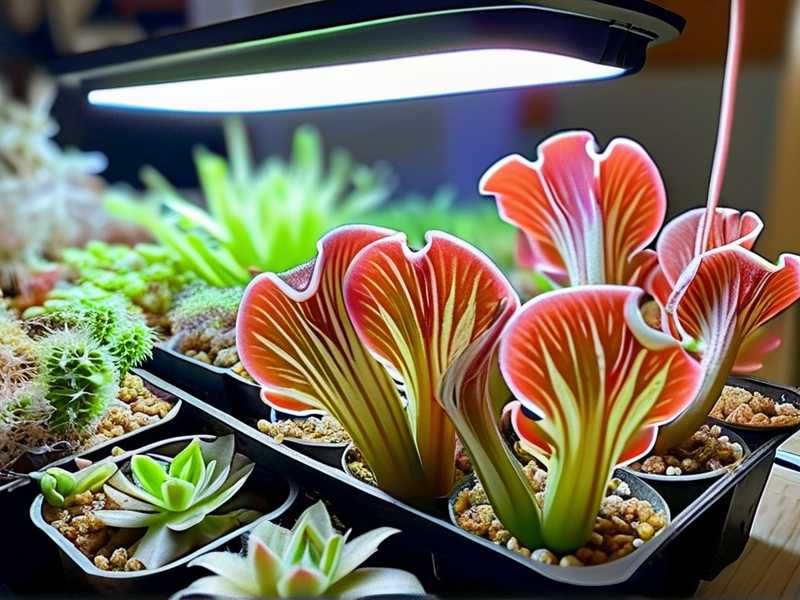
Can I use artificial light alone for my sundews? Absolutely, and it can yield spectacular results. The key is using a strong enough full-spectrum LED or fluorescent light (I prefer LEDs for their low heat and efficiency) and placing it close enough—typically 6 to 12 inches from the plant. Run it for 12-14 hours a day. My shelf setup proved this can work even better than some window locations.
How do I know if my sundew is getting too much direct sun? While sundews love sun, extreme, scorching heat through a glass window can cause sunburn. Signs include leaves turning crispy and white or brown, particularly at the tips, or the dew seeming to "melt" or evaporate almost as soon as it's produced. If you see this, diffuse the light with a sheer curtain or pull the plant back a few inches from the window pane.
Finding the best location for your sundew indoors is a dynamic process of observation and slight adjustment. It requires understanding that light is non-negotiable, moisture must be constant, and your role is to balance these elements within your home's unique environment. Start with the sunniest window you have, employ the water tray method, and watch your plant's language—its color, form, and dew will tell you everything you need to know. From my two weeks of focused trial, the reward for getting it right is immense: a vibrant, dewy, insect-catching marvel that thrives year-round, proving that even the most specialized plants can find a perfect home with us.