bluename
 How to Choose a Grow Light Hood for Sundew Indoor Care
If you're killing sundews under a cheap blurple panel, the problem usually isn't you. It's the hood. I'm going to give you the short answer up front: pick a hood that spreads low-intensity light wide, not one that fires a hot beam straight down. For most sundews grown indoors in the US, Canada, the UK, or Australia, a shallow, reflective hood paired with a full-spectrum LED bar works better than any "high-power" grow light hood sold as a kit.
I learned this the hard way. I've grown Drosera indoors for years, and I've fried more capensis leaves than I want to admit. My first setup was a deep dome hood meant for a reptile tank. Two weeks in, the center of the rosette was brown and crispy. The edges looked fine, which confused me. Then I realized the hood was concentrating light into one hot circle. Sundews don't want that.
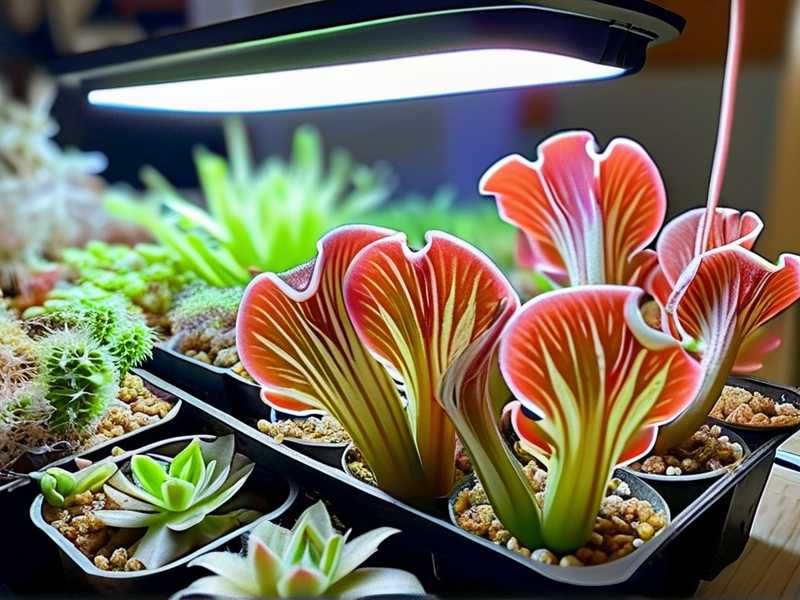
Let's fix it properly.
What a Grow Light Hood Actually Does for Sundews
A grow light hood isn't just a holder. It's an optical tool. It bounces light back down and shapes the spread.
Sundews like Drosera capensis, spatulata, and aliciae are small rosette plants. They grow low. So light needs to reach across the whole plant evenly. A hood with matte white or dimpled aluminum interior does this well. A glossy mirror-finish hood can create hotspots, which is the exact opposite of what you want.
The RHS recommends bright, indirect light for most carnivorous plants indoors. That's a useful anchor. Sundews want more light than a fern but less than a cactus. Think of it as strong but soft.
Why Light Spread Matters More Than Raw Power
Most beginners chase wattage. I did too. I bought a 100W hood thinking my plants would explode with growth. Instead, I got a light burn and zero dew production.
Dew is the tell. When sundews are happy, the tentacles sparkle. When they're stressed, the dew dries up. I've watched this happen within days.
A hood that spreads light evenly across a 12- to 18-inch area will outgrow a powerful hood that blasts one spot. This is why bar-style hoods and shallow reflectors beat deep domes for sundews every time.
The 3 Deadly Mistakes New Growers Make
I want to be straight with you. These three mistakes kill more indoor plants than anything else. I've made every single one.
1. Overwatering
This is the big one. It's not just a saying. 90% of indoor plants die from overwatering. I learned this after losing three sundews in a row to root rot. It hurts because they're carnivorous and I assumed they wanted swampy soil. They want damp, not drowned.
Sundews do like consistently moist soil. But "moist" is not "sitting in water with no drainage." I use the tray method now. I place the pot in a shallow tray with a half-inch of water and let it dry for a day before refilling. That rhythm changed everything.
2. Wrong Light Positioning
I already mentioned the reptile dome incident. Let me add another. I once placed a hood 4 inches above a Drosera spatulata because I read "bright light" and panicked. The leaves curled downward in 48 hours. Sundews do that when light intensity is too high.
The sweet spot for most indoor sundews is 6 to 10 inches from the hood, depending on the light. If you see red coloration spreading across the leaves, that's usually good. If the tips crisp, move the hood up.
3. Using the Wrong Pot
This one sounds minor. It isn't. I used a glazed ceramic pot with one tiny drainage hole for months. The soil stayed soggy at the bottom. The roots rotted from below while the surface looked fine.
Plastic pots with multiple drainage holes are boring but reliable. Terracotta works too, but it dries faster, which means more watering. I now use 4-inch plastic pots for most sundews. Simple, cheap, and I can see the moisture level by lifting them.
My Two-Week Hood Observation Test
I ran a side-by-side test earlier this year. Two Drosera capensis plants, same soil, same water routine. Plant A sat under a deep dome hood with a 26W compact fluorescent. Plant B sat under a shallow aluminum hood with a 20W full-spectrum LED bar.
Day 1 to 3: Both looked normal.
Day 5: Plant A's dew started looking thin. Plant B still sparkled.
Day 9: Plant A had slight browning at the center. Plant B pushed out a new leaf with visible red tentacles.
Day 14: Plant A was alive but stalled. Plant B had grown noticeably and produced a small flower stalk.
The LED bar hood wasn't more powerful. It was just better shaped. That's the takeaway. The AHS has noted that light distribution matters as much as intensity for many indoor plants. My little experiment backs that up.
Key Features to Look for in a Grow Light Hood
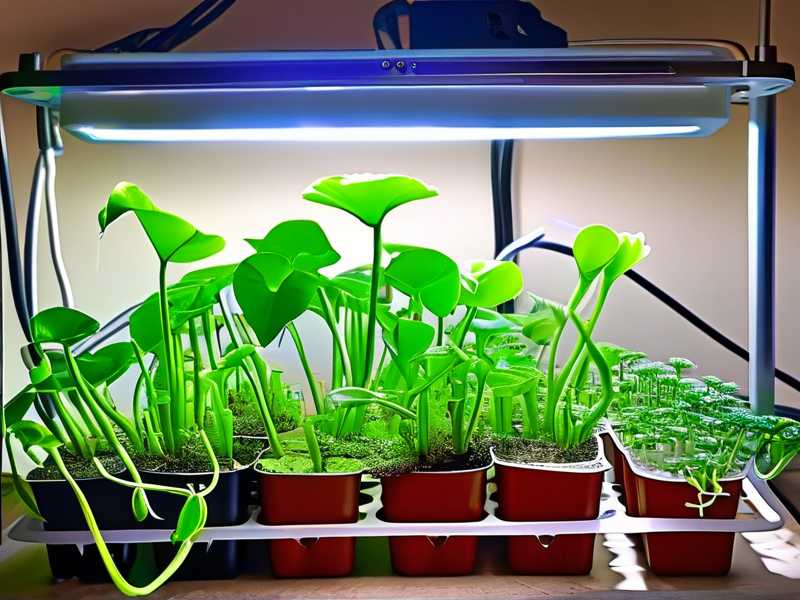
I'll keep this practical. You don't need a laboratory. You need these basics.
Reflective Interior Material
Matte white or hammered aluminum. Skip the mirror finish. Mirror finishes look fancy but throw uneven light.
Shallow vs. Deep Shape
Shallow hoods cover more area. Deep hoods narrow the beam. For sundews, shallow wins unless you're growing a tall species.
Ventilation Slots
LEDs run cooler than old bulbs, but heat still builds. A hood with passive vents keeps the air moving. I had a sealed hood once and the condensation inside was unreal. Never again.
Adjustable Hanging Height
Chains or ratchet hangers. You'll need to raise the hood as plants grow. I use cheap chain links from a hardware store. They cost almost nothing.
Compatibility With Bar-Style LEDs
This is my current preference. A hood designed to hold a 2-foot LED bar gives me even coverage across several small pots. It's the closest thing to a no-brainer I've found.
Should You Buy a Kit or Build Your Own Hood?
Kits are fine if the hood isn't a deep dome. Read the description carefully. If it says "deep reflector" or "spotlight," walk away for sundew use.
Building your own is easier than it sounds. I made one from a plastic storage bin lid lined with white contact paper. It worked for two years. Honestly, it performed better than a $40 branded hood I bought later.
If you're not handy, just buy a shallow hood and a separate LED bar. Screw them together if needed. The whole thing takes ten minutes.
How Far Should the Hood Be From the Plant?
This depends on the light, but here's a starting point I give everyone.
LED bar, 20W or less: 6 to 8 inches.
LED bar, 30 to 50W: 10 to 14 inches.
Compact fluorescent: 4 to 6 inches, but watch for heat.
Compact fluorescent hoods get warmer. I check with the back of my hand. If it's uncomfortable after ten seconds, it's too close for a sundew.
Moving the hood up an inch or two is almost always safer than lowering it. I wish someone had told me that early on.
Light Duration and Hood Height Work Together
You can get away with a closer hood if you run fewer hours. And you can run longer hours if the hood sits higher.
I run my LED hoods 12 to 14 hours in summer and 10 to 12 hours in winter. In winter, I lower the hood by an inch because the room gets less ambient light.
I don't use timers that cost more than my lights. A basic mechanical timer does the job. Set it and forget it.
Common Hood Materials and What I've Tried
I've used plastic hoods, aluminum hoods, and one glass hood I broke within a month. Here's my honest take.
Plastic hoods are light and cheap. They yellow over time but work fine for a year or two.
Aluminum hoods last forever. They cost more. If you're serious, this is the one.
Glass hoods look nice but break. I don't recommend them around water trays and clumsy hands.
White painted surfaces inside any hood usually outperform shiny metal ones. It's about diffusion, not reflection.
Wiring and Safety Basics
If you build your own, use LED strips rated for the voltage. Don't mix random power supplies.
Keep all connections away from the water tray. I mount my hoods to a shelf above the plants and run cords up, not down.
If you're renting or in a dorm, adhesive LED strips under a shelf can work as a hood substitute. I've done this in a pinch. It's not pretty but sundews don't care.
When to Replace a Grow Light Hood
LEDs dim over time. You might not notice until your sundews stop producing dew.
I replace budget LED bars every 18 to 24 months. Better ones last three years or more.
If the hood interior looks discolored or the plastic is cracking, replace it. A cracked hood can drop a light onto your plants, which is as bad as it sounds.
Frequently Asked Questions
Can I use a regular desk lamp as a grow light hood for sundews?
You can, but only short-term. Desk lamps usually have deep reflectors and the wrong color spectrum. If that's all you have, keep it 8 to 10 inches away and expect slower growth. I started with one and my first sundew survived but never thrived.
Do I need a hood with a fan?
Not for small setups. Passive vents are enough for LEDs under 50W. A fan helps if your room gets above 80°F in summer. I use a small clip fan aimed at the shelf, not the hood.
How many sundews can one hood cover?
A shallow 2-foot hood with an LED bar covers about four to six small pots in a row. Beyond that, the edges get weak. I run two hoods for my collection of eight plants.
Wrapping It Up
The right grow light hood for sundew indoor care is shallow, wide, and not too powerful. Keep it 6 to 10 inches above the plant for most LED setups. Use a pot with real drainage. Water from a tray, not from above. Watch the dew. If it sparkles, you're doing it right.
I've killed a lot of sundews getting to this point. You don't have to. Start simple, adjust slowly, and give the plant two weeks to tell you how it feels. That's the whole game.