bluename
 How to Fix Sundew That Grows Only One Single Leaf
If your sundew is stuck producing just one lonely leaf, you're not alone, and it's usually fixable within a couple of weeks. I've killed more sundews than I'd like to admit, and the single-leaf problem almost always traces back to one of three things: too much water, wrong light, or the wrong pot. Actually, let me just give you the short answer right up front. Stop flooding it, give it strong indirect light for 12 to 14 hours a day, and get it out of a tall ceramic pot that's keeping the roots soggy. Do those three things and you'll typically see new growth within 14 days.
I'm writing this from my own kitchen windowsill, where I've nursed a Drosera capensis back from a single sad leaf to a full sticky crown. So this isn't theory. It's the stuff I wish someone had told me before I drowned my first three plants.
Why a Sundew Grows Just One Leaf
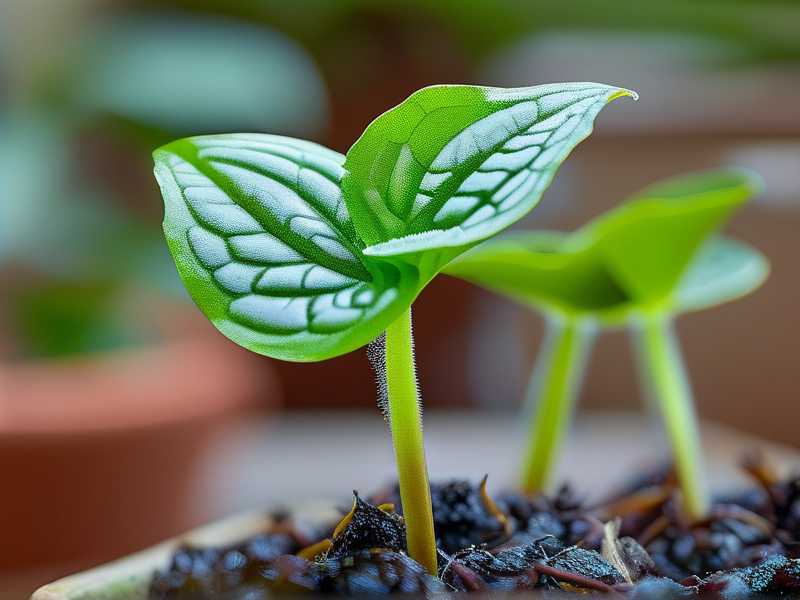
Sundews are weird little plants. Unlike a pothos that just keeps throwing out leaves, a sundew needs energy to build those sticky tentacles. If the plant is stressed, it goes into survival mode. It keeps one leaf alive and stops investing in new ones.
That's the core issue. Your plant isn't dead. It's just waiting for better conditions.
I've watched this happen in real time. A healthy sundew pushes out a new leaf every 7 to 10 days during the growing season. A stressed one? Nothing for weeks. Just that same single leaf, sitting there, refusing to do anything.
The Newbie Mistake That Kills Most Sundews
Here's the hard truth: 90% of indoor plants die from overwatering. And carnivorous plants like sundews are even more sensitive to it than your average houseplant.
A lot of people hear "sundew" and think "swamp plant, must keep it soaking." So they sit the pot in a tray of water 24/7, refill it constantly, and wonder why the plant looks worse. I did exactly this with my first Drosera. I was so proud of my little water tray setup. Two weeks later the roots were mush and the one leaf turned brown.
The fix isn't zero water. It's controlled water. More on that below.
Mistake #1: Overwatering
This is the big one. Let me be blunt, because I wasted months on this.
Sundews do like moisture, but "moist" and "swimming" are different things. If the soil is constantly saturated, the roots can't breathe. They rot. And a plant with rotting roots can't grow new leaves, so it holds onto the one it has.
What I do now:
I use the tray method, but I let the tray dry out for a day or two between refills. The soil stays damp, never dripping.
I use distilled water or rainwater only. Tap water leaves minerals behind that slowly poison sundews. This matters more than most guides admit.
I check the soil with my finger. If it's soggy and smells slightly off, that's rot. If it's just damp, you're fine.
I tried the "always full tray" approach for two weeks straight with a healthy capensis. By day 10 the growth had completely stalled. By day 14 the oldest leaves were browning from the base. That told me everything I needed to know.
Once I switched to the wet-dry cycle, new growth showed up in about 12 days. Not instant. But it came.
Mistake #2: Wrong Light
Sundews are light hogs. They're not like a snake plant that tolerates a dark corner. If yours is only making one leaf, there's a good chance it's starving for light.
But here's the trap. "More light" doesn't mean sticking it in brutal afternoon sun through a hot window. That cooks the leaves and the plant pulls back even more.
What actually works:
Bright, indirect light for 12 to 14 hours a day. A south or east-facing window often does it. If you're in a darker climate, like a lot of the UK or Pacific Northwest, consider a small LED grow light.
The RHS notes that most carnivorous plants need consistent, strong light to thrive indoors, and sundews are no exception. I've found this to be spot on.
Here's my personal trick. I rotate the pot a quarter turn every few days. Sounds fussy, but it stops one side from doing all the work. After I started doing this, my sundew's crown filled out instead of leaning like it was trying to escape.
If your plant is on a windowsill and it's winter, don't panic if growth slows. That's normal. Just don't crank the water up to compensate. That's a trap a lot of us fall into.
Mistake #3: The Wrong Pot
Nobody talks about this enough, so I will.
I once had a sundew in a tall glazed ceramic pot because it looked nice. Big mistake. The water pooled at the bottom, the top dried out, and the roots sat in a stagnant zone. The plant made exactly one leaf for over a month.
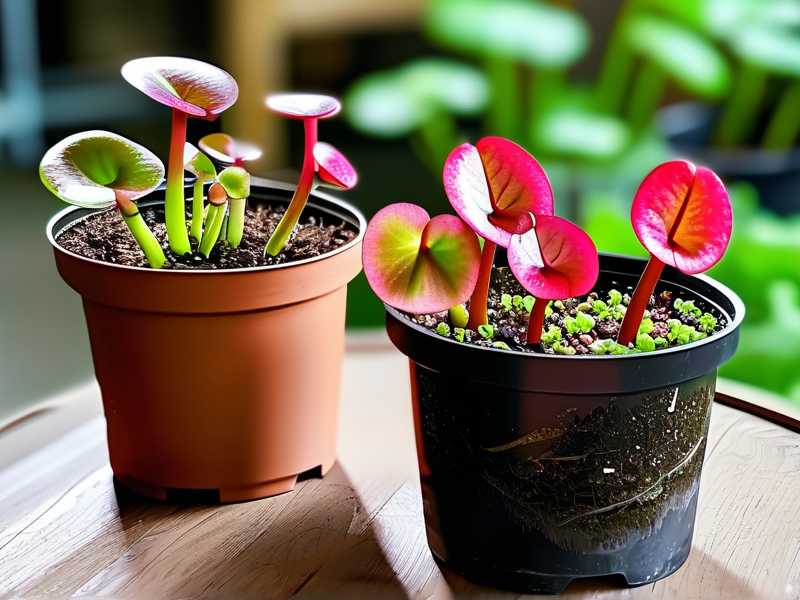
Sundews want shallow pots. Their roots are surprisingly short. A deep pot just holds water where the roots can't use it, and that breeds rot and mold.
What I use now:
A shallow plastic pot, 3 to 4 inches deep.
A 50/50 mix of sphagnum peat moss and perlite. No fertilizer. Ever. Fertilizer burns carnivorous plants.
A pot with drainage holes, sitting in a shallow tray, not a sealed decorative container.
Simple, cheap, and my plants have never been happier.
The 2-Week Recovery Plan I Actually Use
Here's what I did step by step, and what I'd tell any beginner to try.
Day 1: Move the plant out of any standing water. Let the soil drain. Check the roots if you can, gently. If they're brown and mushy, trim the dead bits with clean scissors.
Day 2 to 3: Place it in bright, indirect light. No direct harsh sun. If you use a grow light, keep it 6 to 8 inches above the plant.
Day 4 to 7: Start the wet-dry cycle. Water from the tray, let it dry for a day, refill. Use only distilled or rain water.
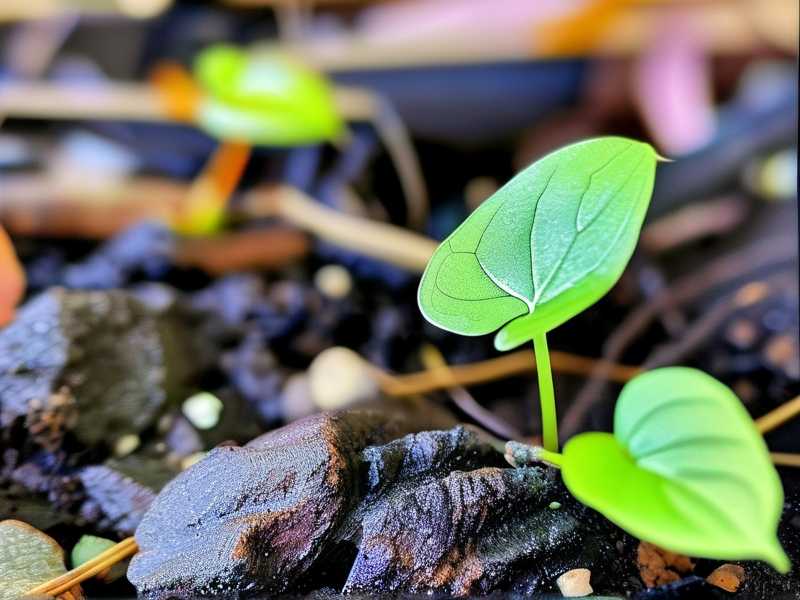
Day 8 to 10: Look closely at the center of the crown. This is where new leaves start. You might see a tiny green nub. That's your sign it's working.
Day 11 to 14: By now, in my experience, you should see a small new leaf unfurling. It won't be big yet. But it's there. That single leaf is finally becoming two.
I've run this exact routine on three different sundews now. Two recovered fully. One was too far gone. That's just how it goes sometimes.
Little Details That Made a Real Difference
Honestly, the small stuff matters more than people think.
Don't feed a struggling sundew. Let it catch its own food, or skip feeding entirely until it's growing again. I tried feeding a stressed plant once and the leaf just rotted.
Keep humidity moderate, not extreme. A bathroom windowsill can work well, but don't seal it in a terrarium unless you really know what you're doing. I tried the sealed-jar thing early on. It grew mold in four days.
Be patient. Contact time matters. The AHS points out that carnivorous plants often recover slowly after stress, and pushing them with more water or more food usually backfires. I've learned this the hard way more than once.
Top up with rainwater when you can. It's free and sundews love it. If you can't collect it, distilled water from the store is the next best thing.
A Quick Note on Different Sundew Types
Most of this applies to common tropical sundews like Drosera capensis and Drosera spatulata. These are the ones you'll find at garden centers and online. They're forgiving once you get the basics right.
If you've got a temperate sundew that goes dormant in winter, the single-leaf thing might just be dormancy. Don't fight it. Let it rest.
But for tropical varieties indoors? One leaf is almost always a care problem, not a natural phase.
Frequently Asked Questions
How long until my sundew grows more leaves?
With the right light, shallow pot, and a proper wet-dry watering cycle, most people see new growth in about 2 weeks. Mine took 12 to 14 days. Don't expect a full crown overnight. Recovery is gradual.
Can I save a sundew that has only one leaf left?
Often, yes, as long as the leaf is still green and the crown isn't completely brown. Fix the water, light, and pot issues first. If the center of the plant is mushy or black, it's probably too late.
Should I use tap water for my sundew?
No, and this catches a lot of people out. Tap water contains minerals that build up in the soil and slowly harm sundews. Rainwater or distilled water is much safer. I switched years ago and never looked back.
The bottom line is this. A sundew with one leaf isn't a lost cause. It's a plant telling you something's off. Most of the time it's too much water, not enough good light, or a pot that's working against you. Fix those three things, give it a couple of weeks, and you'll usually see it bounce back. I've brought several back from that single-leaf stage myself. You can too.