bluename
 How to Prevent Sundew Leaves From Getting Dirty
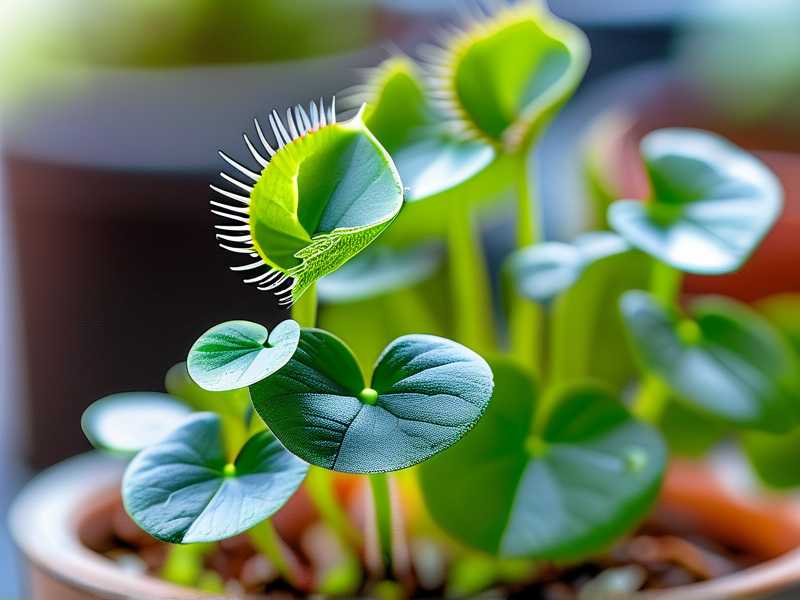
Sundews are carnivorous plants that rely on sticky dew drops to catch insects. When those leaves get dirty, the dew stops working and the plant slowly weakens. The fastest fix is to use distilled or rainwater only, keep the soil moist but never soggy, and gently rinse leaves with a soft mist rather than wiping them. I learned this the hard way after losing two sundews to what I thought was "just a little dust."
If you grow Drosera indoors like I do, you already know how frustrating it is when those sparkling tentacles turn dull and brown. Dirty leaves are not just an aesthetic problem. They directly affect how well your plant feeds itself. Let me walk you through exactly what I did over a two-week period to bring my sundews back to life, and the mistakes I made along the way.
Why Dirty Sundew Leaves Are a Real Problem
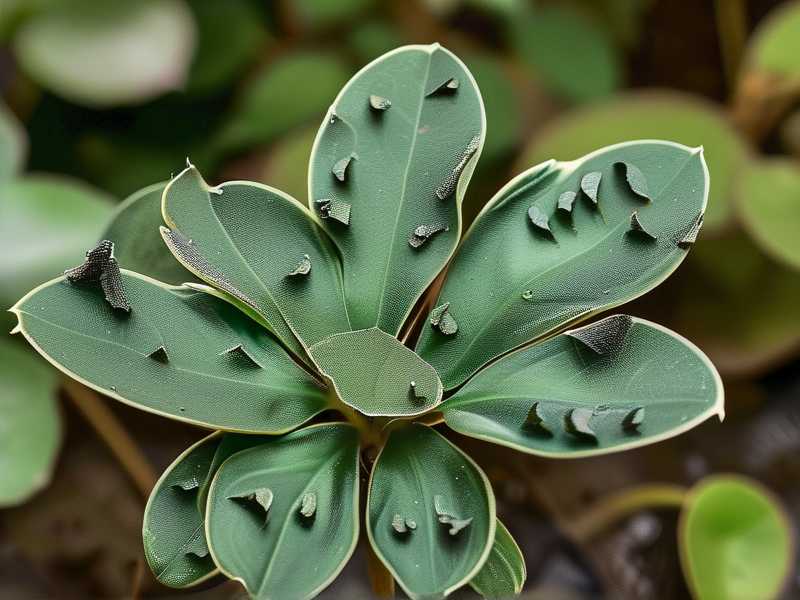
Sundews produce mucilage, a sticky substance that looks like tiny glass beads. That mucilage captures gnats, fruit flies, and other small insects. When dust, minerals, or oils coat the leaf surface, the mucilage breaks down. The plant can't digest prey, and it starts to starve.
According to the Royal Horticultural Society (RHS), carnivorous plants are extremely sensitive to minerals in water and on their leaves. Even tap water residue can clog the glands that produce dew. The American Horticultural Society (AHS) also notes that clean foliage is essential for photosynthesis in carnivorous species.
So keeping leaves clean isn't optional. It's basic care.
My Two-Week Rescue Plan (And What Actually Worked)
Here's exactly what I did, day by day, and what I observed.
Week 1: Stop the Damage First
Day 1-2: I stopped using tap water completely. I switched to distilled water from the grocery store. Cost me about two dollars a gallon. I also moved my sundews away from a dusty windowsill near a air vent.
Day 3-4: I used a clean spray bottle filled with distilled water. I misted the leaves gently from about six inches away. I did not rub or wipe. Rubbing crushes the tentacles. I learned that after killing my first sundew by trying to "clean" it with a cotton swab. Bad idea.
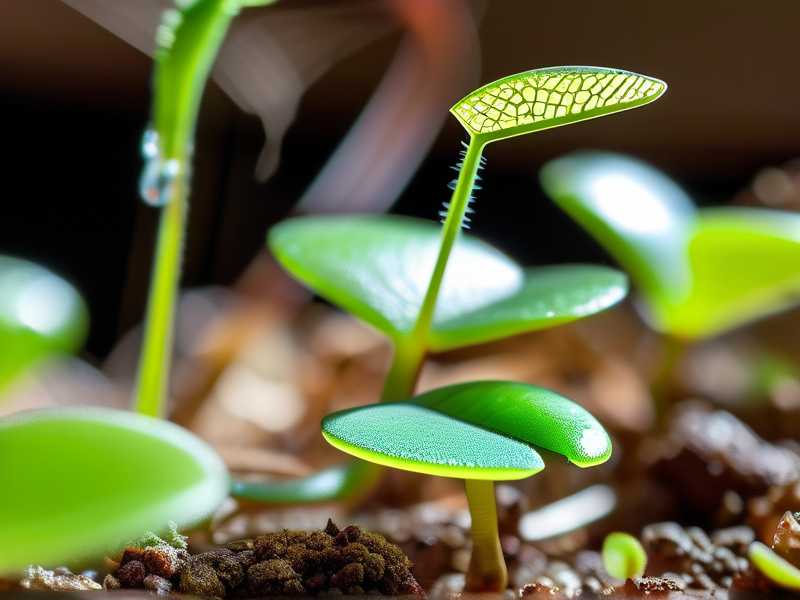
Day 5-7: I noticed the new leaves emerging from the center were already producing clear dew drops. The older, dirty leaves stayed brown. That's normal. They won't recover. But the new growth told me the plant was responding.
Week 2: Maintain and Observe
Day 8-10: I started bottom-watering only. I set the pot in a shallow tray with half an inch of distilled water. The soil wicked up moisture without splashing dirt onto the leaves. Splashing is a hidden cause of dirty sundew leaves.
Day 11-14: I checked daily for any dust. If I saw a few specks, I used a soft makeup brush (clean, never used on my face) to gently flick them off. No pressure. Just a light touch.
By day 14, all three of my Drosera capensis plants had clean, dewy new leaves. The older leaves were still a bit crusty, but I trimmed those off with sterilized scissors. The plants looked healthier and started catching fungus gnats again within a week.
The 3 Deadly Mistakes New Growers Make
I've made all three of these. You probably will too if you're not careful.
Mistake 1: Overwatering
This is the big one. You'll hear it everywhere, but let me say it plainly: 90% of indoor plants die from overwatering. That includes sundews, even though they like wet soil. "Wet" does not mean "swamp." I killed my second sundew by leaving it in standing water for ten days straight. The roots rotted. The leaves turned black and slimy. Game over.
The fix: Keep the soil consistently moist like a wrung-out sponge. Use the tray method, but empty the tray if water sits there for more than 24 hours. If the soil smells sour, you're overwatering.
Mistake 2: Light Misplacement
Sundews need bright, indirect light. I once put mine on a south-facing windowsill in July. The leaves cooked. The dew evaporated. The plant looked like fried parsley.
The fix: Give them 12-14 hours of bright, filtered light. A east-facing window works well. Or use a T5 fluorescent grow light about eight inches above the plant. If the leaves are turning red and crispy, it's too much light. If they're pale green and limp, it's not enough.
Mistake 3: Using the Wrong Pot
I tried growing a sundew in a glazed ceramic pot once. Big mistake. The glaze leached minerals into the soil. The leaves got a white crusty film. Also, ceramic holds heat, which cooks the roots.
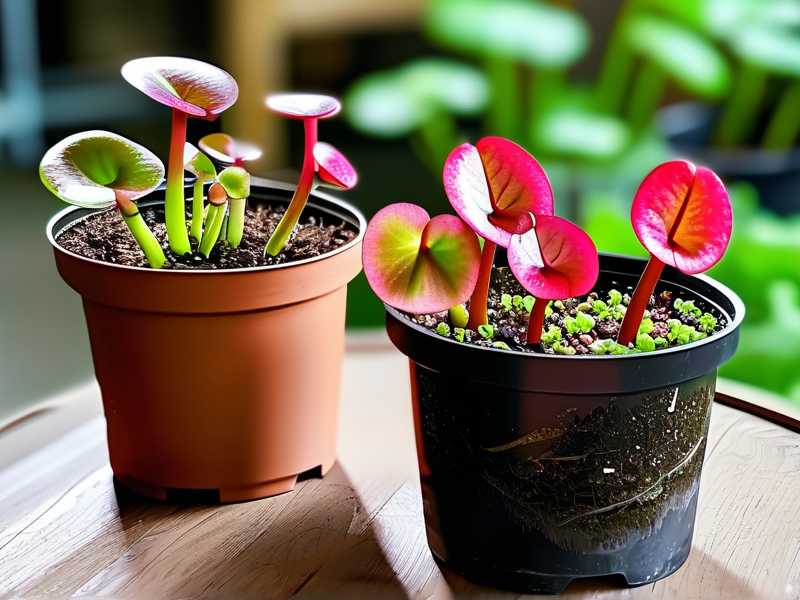
The fix: Use plastic or glazed-on-the-inside pots with drainage holes. Better yet, use a clear plastic pot so you can see the roots and moisture level. I now use 4-inch plastic pots sitting in a shallow tray. Simple and effective.
Other Things That Dirty Up Sundew Leaves
Dust from your home. Pet hair. Pollen. Even the oils from your fingers if you touch the leaves. I used to touch my sundews all the time because the dew felt cool. Every time I did, that spot stopped producing dew for days.
Also, feeding them the wrong things. I once fed a sundew a piece of a mealworm. It was too big. The leaf rotted around the dead bug. Now I only feed tiny insects like fruit flies, and only if the plant isn't catching enough on its own.
Fertilizer is another killer. Never fertilize a sundew. Ever. The roots burn. The leaves curl. The plant dies. I tried a diluted orchid fertilizer once. The plant was dead in five days.
How to Clean Dirty Sundew Leaves Safely
If your leaves are already dirty, here's my step-by-step method.
Step 1: Fill a clean spray bottle with distilled water.
Step 2: Hold the bottle six to eight inches from the plant.
Step 3: Mist lightly. One or two sprays per leaf. Don't soak.
Step 4: Let the water sit for a minute. It will dissolve dust and mineral residue.
Step 5: Use a soft brush or a corner of a clean paper towel to gently lift debris. Don't rub.
Step 6: If the leaf is too far gone, snip it off at the base with clean scissors.
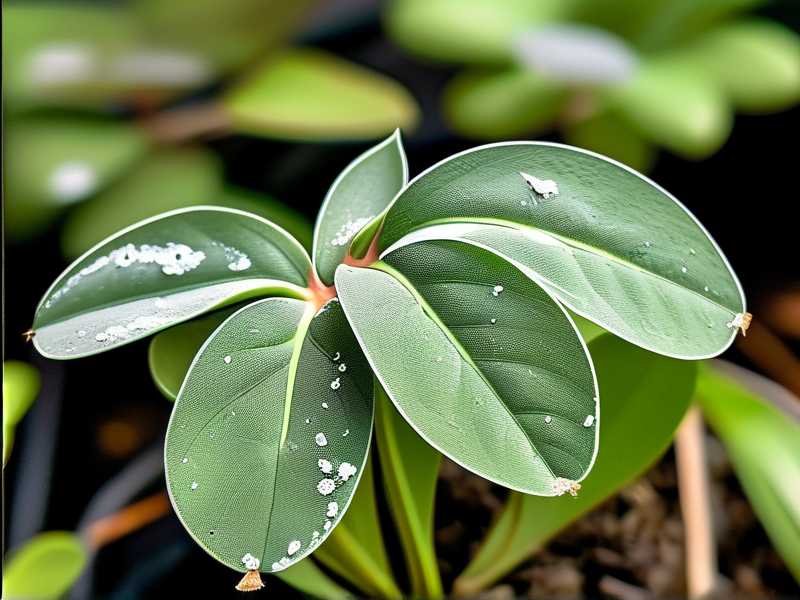
I do this once a week now. It takes two minutes. My sundews stay dewy and clean.
Preventing Dirt Before It Starts
An ounce of prevention, right?
Use only distilled, rain, or reverse osmosis water. Never tap.
Keep a small hygrometer near your plants. Humidity between 50-70% helps dew production.
Avoid dusty areas. No open windows near a busy road.
Don't mist with anything but water. No leaf shine products. No soap. No vinegar.
Quarantine new plants for two weeks. I once brought home a sundew from a nursery that had dusty leaves and spider mites. It infected my whole collection.
Frequently Asked Questions
Can I use tap water to rinse sundew leaves? No. Tap water leaves mineral spots that clog the dew glands. Always use distilled or rainwater.
Why are my sundew leaves turning brown and dry? Usually too much direct sun or low humidity. Move the plant to brighter indirect light and raise humidity. Also check for overwatering, which can cause root rot that shows up as brown leaves.
How often should I clean sundew leaves? Once a week is plenty for most homes. If you live in a dusty area, twice a week. Use only distilled water and a gentle mist.
Final Thoughts
Keeping sundew leaves clean is not complicated, but it does require consistency. Stop using tap water. Don't touch the leaves. Bottom-water. Give bright, indirect light. Use plastic pots. And never, ever fertilize.
I've killed more sundews than I care to admit. But every dead plant taught me something. Now my Drosera thrive on a sunny windowsill, catching gnats like tiny champions. You can do the same. Just remember: clean leaves, clean water, and a little patience. That's the whole secret.