bluename
 How to Care for Sundew in a Vivarium With Other Plants
I'll be honest with you right up front: getting a sundew to thrive in a shared vivarium is not as simple as dropping it in and hoping for the best. I killed my first three sundews before I figured out the real rhythm. The secret, if you want the short answer, is this: keep the soil constantly wet but never soggy-rich, blast it with bright indirect light, and pair it only with plants that like the same swampy, low-nutrient conditions. Get those three things right and a sundew will happily live alongside ferns, orchids, and even other carnivorous plants for years.
Why Sundews Are Different From Your Average Houseplant
Most people treat a sundew like a tropical houseplant. That's mistake number one.
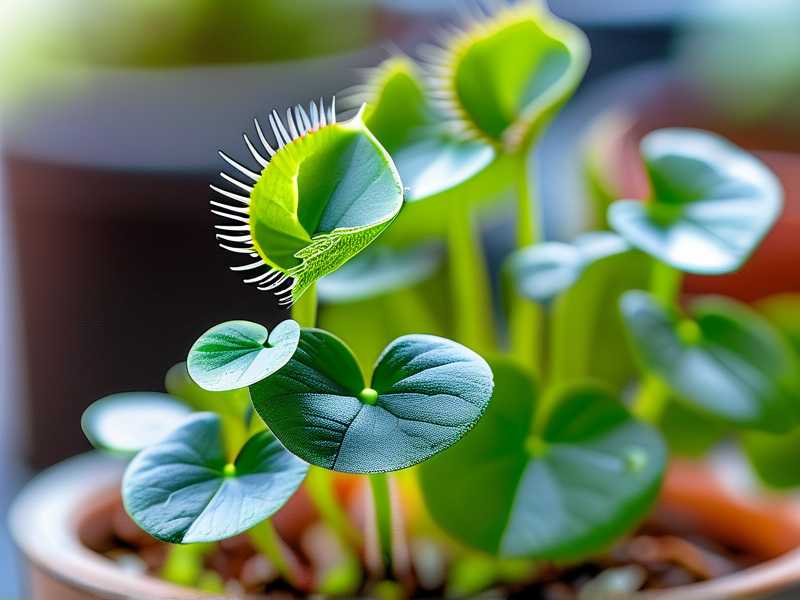
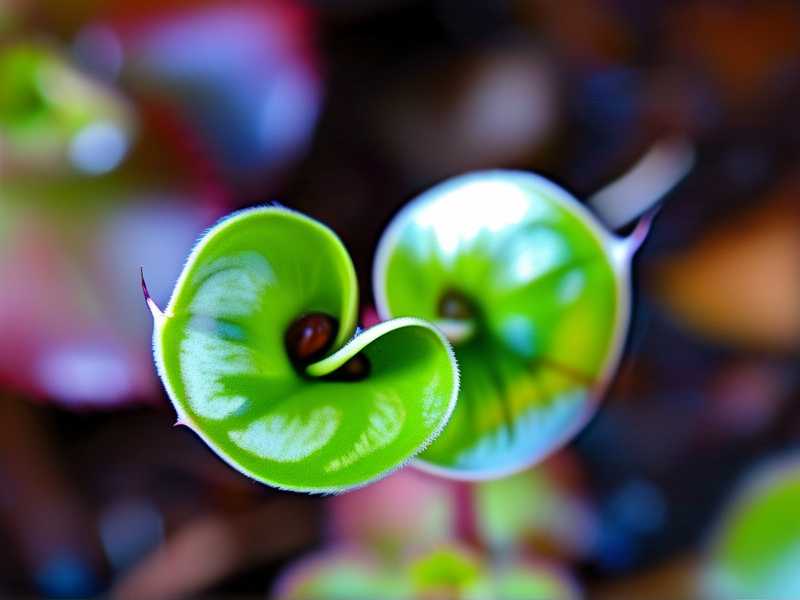
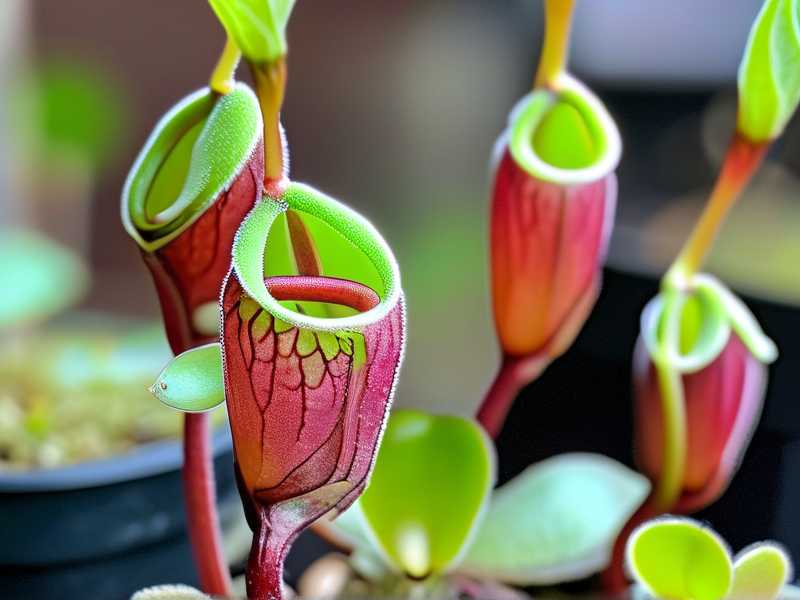
Sundews (Drosera) are carnivorous. They evolved in bogs and nutrient-poor wetlands. Their roots are basically just anchors, not feeding organs. They get their nutrition from the insects they catch on those glistening, sticky tentacles.
This matters enormously in a vivarium. If you plant a sundew in standard potting soil, the minerals will burn its roots. I learned this the hard way with a Drosera capensis that turned brown within a week.
Sundews need a very specific medium. A mix of sphagnum moss and perlite works well. Some growers use pure sphagnum. Others add a little silica sand. But never, ever use fertilized soil.
The vivarium setup actually helps here because you're building a miniature ecosystem. You just have to make sure that ecosystem mimics a bog, not a rainforest floor.
Light: The Make-or-Break Factor
I've experimented with sundews under three different lighting setups. Let me save you the trial and error.
A sundew needs at least 12 hours of bright light daily. Not direct midday sun through glass, which will cook it. But strong, diffuse light. A T5 fluorescent or a full-spectrum LED designed for planted tanks works beautifully.
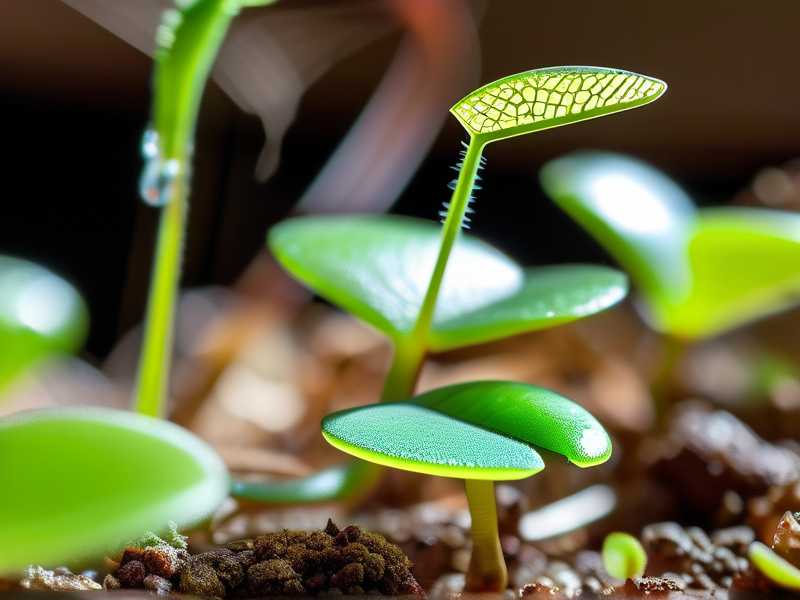
My Drosera adelae doubled its leaf production in two weeks once I moved it from a north-facing windowsill to a 6500K LED fixture. The dew droplets became larger and more numerous. That's your visual cue that light is adequate.
The RHS notes that most Drosera species require full sun to partial shade outdoors, but indoors the equation changes. You're compensating for weaker light with longer duration.
Here's the catch with a vivarium: the plants around your sundew will also respond to that light. If you're growing ferns or mosses that prefer lower light, they might scorch. So you need to choose companions carefully.
I've had success with:
- Java moss
- Small Neoregelia bromeliads
- Certain Pinguicula species
- Creeping fig (in moderation)
Avoid plants that demand deep shade. They'll force you to lower the light, and your sundew will suffer.
Water: The Real Killer
Let's address the elephant in the room. Actually, let me say it plainly: 90% of indoor plants die from overwatering.
But sundews are the exception that proves the rule. They want wet feet. Constant moisture. Not drowning, but never dry.
The problem is that most vivarium plants do not want constantly wet soil. This is where the "with other plants" part gets tricky.
My solution was to create a gradient. I used a false bottom with a water reservoir. The sundew sits lower, closer to the water table. The ferns and orchids sit higher, on mounds or cork bark, where the moisture wicks up but doesn't saturate.
Water quality matters too. Never use tap water if it's hard. The dissolved minerals will accumulate in the sphagnum and poison the sundew over time. I use distilled water or rainwater only. Collected rainwater is ideal.
During my two-week observation after switching to rainwater, I noticed the dew droplets became more pronounced. The plant looked "stickier." That's a sign of health.
The Big Three Mistakes New Growers Make
I've made all of these. Let me walk you through them so you can skip the heartbreak.
Mistake 1: Overwatering (Ironically)
Wait, didn't I just say sundews like wet soil? Yes. But there's a difference between wet and stagnant.
In a vivarium with poor drainage, water sits and goes anaerobic. Bacteria bloom. Roots rot. The sundew collapses.
I lost a beautiful Drosera spatulata this way. The soil looked fine on top, but underneath it was a smelly, black mess.
Fix: Always use a false bottom. Layer LECA (lightweight expanded clay aggregate) at the base. Cover with screen mesh. Then add your sphagnum mix. This creates a water reservoir without waterlogging the soil.
Mistake 2: Wrong Light Direction
Sundews are directional. They lean toward the light source. If the light comes from one side, the plant etiolates and looks lopsided.
Worse, if the light is too weak, the dew disappears. No dew means no catching insects. No insects means slow decline.
I once placed a sundew in a vivarium where the LED was primarily focused on the center, where a bromeliad sat. The sundew, off to the side, got maybe 30% of the light. Within ten days it stopped producing dew.
Fix: Position the sundew directly under the light. Or use two light sources. Or rotate the plant every few days. Simple but effective.
Mistake 3: The Wrong Container (or No Container)
Planting a sundew directly into vivarium substrate seems natural. But it makes control difficult.
I tried this with a community tank. The sundew's roots spread into the surrounding area. When I needed to adjust moisture levels for other plants, I couldn't do it without affecting the sundew.
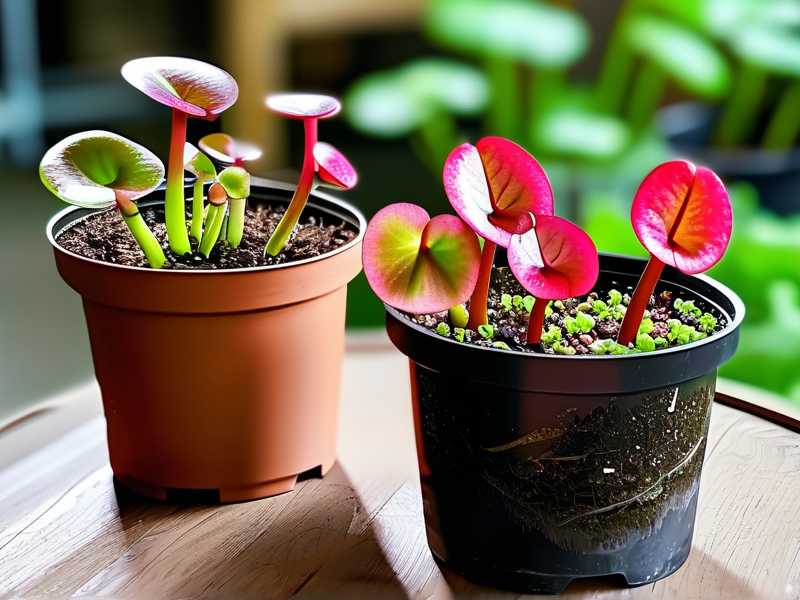
Fix: Sink a small plastic pot into the substrate. Leave the rim slightly above the surface. Plant the sundew in the pot with its own sphagnum mix. This lets you water it separately, move it if needed, and prevent root competition.
It's not glamorous. But it works.
Choosing Compatible Vivarium Mates
This is where most guides get vague. "Choose plants with similar needs." Thanks, that's not helpful.
Let me be specific. Based on my own trials:
Good companions:
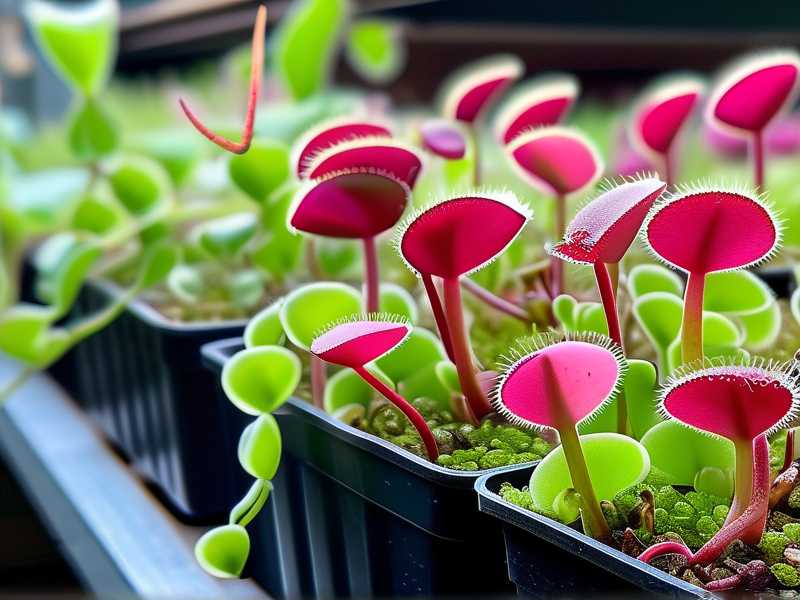
- Other carnivorous plants: Pinguicula (butterworts), small Utricularia (bladderworts), and even Venus flytraps if the light is strong enough.
- Epiphytic orchids: Smaller Dendrobium or Bulbophyllum species that tolerate constant moisture.
- Mosses: Sphagnum itself, Java moss, Christmas moss.
- Miniature ferns: Some like the button fern can handle it, but watch for crown rot.
Bad companions:
- Succulents: They'll rot.
- Most Begonias: They want drainage and drying between waterings.
- African violets: Root rot waiting to happen.
- Air plants (Tillandsia): They need to dry out completely. Opposite of sundew.
The AHS recommends grouping plants by water needs, which is exactly what we're doing here. A vivarium is just a very intimate grouping.
Feeding and Nutrition in a Shared Space
Here's a question I get a lot: do you need to feed a sundew in a vivarium?
If there are fungus gnats or fruit flies in the enclosure, the sundew will feed itself. That's the beauty of a bioactive setup.
But if the vivarium is sealed and pest-free, you may need to supplement. I feed mine dried bloodworms or rehydrated freeze-dried insects once every two to three weeks. Just place a tiny bit on a leaf. The tentacles will curl around it.
Do not fertilize. Ever.
I've seen people try diluted orchid fertilizer. The sundew dies. The roots can't handle it.
Two-Week Observation: What to Look For
After you set up your vivarium, give it two weeks before you panic. Sundews often sulk after transplanting.
During the first week, expect some dew loss and maybe a few browned leaves. This is normal.
By the second week, you should see new growth from the center. The new leaves should have visible dew. If they don't, something is off. Check light first, then water quality.
I keep a small notebook for each vivarium. I jot down: date planted, light schedule, water type, any changes. It sounds nerdy, but it's saved me from repeating mistakes.
One more thing: sundews are surprisingly resilient once acclimated. I've had a Drosera binata that I neglected for a month (topped off water, nothing else). It looked rough but bounced back within ten days of regular care.
Troubleshooting Common Issues
Brown, crispy leaves: Usually too much direct heat or light. Move the light higher or add a diffuser.
No dew: Low humidity or insufficient light. Check both. A humidifier nearby can help, but don't mist the sundew directly. It washes off the dew.
Black, mushy base: Root rot. Remove the plant, trim the rot, repot in fresh sphagnum, and reduce water. Yes, even sundews can get rot if conditions are stagnant.
Mold on soil: Poor airflow. Add a small computer fan or open the vivarium for a few hours daily.
Pests (aphids, thrips): Rare on sundews because they catch them. But if they appear, use a cotton swab with rubbing alcohol. Avoid sprays.
Frequently Asked Questions
Can I grow a sundew with a Venus flytrap in the same vivarium?
Yes, but only if the light is very strong. Both need high light and wet, acidic soil. The flytrap needs a winter dormancy, though, which the sundew may not. So it's easier to keep them separate for part of the year.
Do sundews need a dormancy period?
Some species do, like Drosera filiformis. But many tropical species, including Drosera capensis and Drosera adelae, grow year-round. Check your specific species. If it's a temperate variety, you'll need to simulate winter with cooler temperatures and less water.
What's the best water for a vivarium with sundews?
Distilled, reverse osmosis, or rainwater. Anything with low dissolved solids. If you must use tap water, let it sit for 48 hours and test the TDS. Under 50 ppm is safe. Above that, find another source.
Final Thoughts
A vivarium with a sundew is not a "set it and forget it" project. But it's not rocket science either. You just have to respect what the plant is: a bog dweller that wants wet roots, bright light, and no fertilizer.
Get those basics right, choose your companions wisely, and you'll have a stunning, living display. I've had my current setup running for eight months now. The sundew is flowering. The moss is carpeting the floor. The tiny frogs I added last month seem happy.
It takes patience. But when you see that first new leaf unfurl, covered in sparkling dew, you'll know it was worth it.