bluename
 How to Stop Sundew Soil From Becoming Too Acidic
If your sundew looks pale, stops producing dew, or just sits there like a tiny green statue, the problem is almost always the soil. I learned this the hard way after killing three Drosera before I figured out that the real enemy isn't pests or low humidity — it's acidity creeping up on you. Here's the short answer: stop adding anything that acidifies, flush the soil with pure water, and repot into fresh sphagnum-based mix before the roots burn. In this article I'll walk you through exactly how I stabilized my sundew soil over two weeks, the mistakes I made, and the simple routine that keeps pH in the safe zone.
Why Sundew Soil Turns Acidic in the First Place
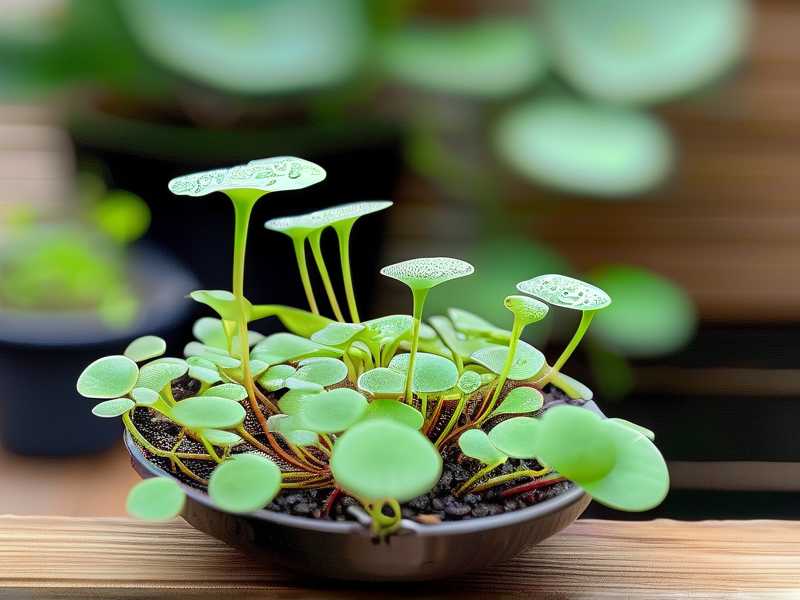
Sundews are weird plants. They actually like acidic conditions — but only up to a point. The sweet spot is roughly pH 4.5 to 5.5. Push below 4 and you start seeing root damage, stalled growth, and that dreaded brown crown rot.
So what pushes it too far?
Peat moss breaks down over time. That's the big one. As peat decomposes, it releases organic acids. A fresh peat mix might sit at pH 5. Two years later it can drop to 3.8. I've measured it with a cheap soil pen and the difference genuinely surprised me.
Tap water adds minerals and shifts chemistry. If your water is hard, those dissolved salts accumulate in the soil. They don't just raise TDS — they interfere with how the plant takes up nutrients, and the acidic breakdown products pile up faster.
Fertilizer is a death sentence for most carnivorous plants. I don't care what the bottle says. Sundews evolved in nutrient-poor bogs. Feeding them through the soil burns roots and accelerates acid buildup.
The Royal Horticultural Society notes that most carnivorous plants fail in cultivation because growers treat them like regular houseplants. That matches everything I've seen.
The 3 Beginner Mistakes That Ruin Sundew Soil
I've made all three of these. Let me save you the trouble.
① Overwatering. Here's a stat that shocked me: 90% of indoor plants die from overwatering. Sundews are a bit different because they like wet feet — but even they drown if the soil stays waterlogged and anaerobic. When there's no oxygen in the root zone, anaerobic bacteria take over and crank out organic acids. Your soil goes sour fast.
② Wrong light. Weak light means slow growth, and slow growth means the plant isn't using up nutrients or cycling water efficiently. The soil sits stagnant. I had a Drosera capensis on a north windowsill for a month and the medium went funky — smelled like a swamp.
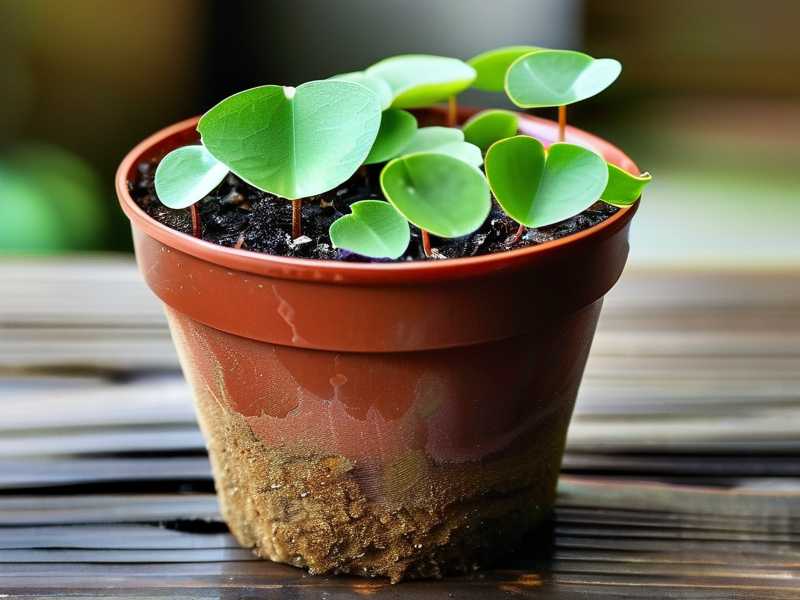
③ Wrong pot. glazed ceramic or plastic pots with no drainage are terrible. I once used a cute little glazed pot because it looked nice. Two weeks later the soil was a sour, smelly mess. Terracotta or plastic with drainage holes only. And always sit the pot in a tray of water rather than top-watering.
The 2-Week Fix I Actually Used
Week 1: Flush and Reset
Day 1 — I flushed the pot with distilled water. Not tap. Not filtered. Distilled or rainwater only. I poured it slowly through the top until it ran clear out the bottom, about three full passes.
Day 2–3 — I removed the water tray entirely. Let the soil breathe. This felt wrong because sundews like moisture, but a short dry-down kills the anaerobic bacteria.
Day 4–7 — I refilled the tray with fresh distilled water, but only to a depth of about 1 cm. Less standing water means less stagnation.
Week 2: Repot and Monitor
Day 8 — I repotted into fresh mix: 1 part sphagnum peat, 1 part perlite, 1 part long-fibered sphagnum. No fertilizer. No Miracle-Gro. Just clean ingredients.
Day 9–14 — I kept the pot in a tray with 1–2 cm of rainwater and gave it 12 hours of strong light under a LED grow panel.
By day 14, the dew was back. New leaves were unfurling. The sour smell was gone.
What About pH Meters?
You don't need a lab-grade meter. A $15 soil pH pen is fine for casual monitoring. I check mine every two weeks now. If it reads below 4.5, I flush. If it reads above 6, I know something else is wrong — usually mineral buildup from tap water.
The American Horticultural Society recommends testing your water source before using it on carnivorous plants. That's solid advice. I tested mine and found it was 180 ppm TDS. Way too high. Now I only use rainwater.
Long-Term Habits That Keep Soil Stable
Use the right water. Rainwater, distilled, or reverse-osmosis. That's it. If you wouldn't drink it, don't give it to your sundew.
Repot every 12–18 months. Peat degrades. There's no way around it. Fresh mix resets the pH clock.
Skip the fertilizer completely. Your plant gets nutrients from the bugs it catches. That's the whole point.
Keep the tray shallow. Deep standing water creates anaerobic conditions. 1–2 cm is plenty.
Clean your tray. Algae and biofilm contribute to acidification. I scrub mine with hot water every month.
A Quick Word on "Acidity" vs "Sour Soil"
These aren't the same thing. Acidity is a pH number. Sour soil is a biological condition — anaerobic bacteria producing organic acids and hydrogen sulfide. That rotten-egg smell? That's sour soil. You can fix pH with flushing. You fix sour soil with oxygen, fresh medium, and better drainage.
Signs Your Sundew Soil Is Already Too Acidic
- Leaves are pale or yellowing despite good light
- Dew production has stopped
- The soil smells sour or sulfurous
- Growth has stalled for more than two weeks
- Roots look brown and mushy when you repot
If you see two or more of these, act now. Don't wait.
Frequently Asked Questions
Can I use vinegar to adjust sundew soil pH?
No. Please don't. Vinegar adds compounds that damage roots and mess with the soil microbiome. Flushing with pure water and repotting is the only safe fix.
Is sphagnum peat moss bad for sundews?
Not at all — it's actually the standard base. The issue is old, degraded peat. Fresh peat is fine. Replace it every year or so.
My tap water is soft. Can I use it?
Soft water often has high sodium. That's worse than hardness for carnivorous plants. Stick with rainwater or distilled.
Final Thoughts
Sundew soil doesn't turn toxic overnight. It's a slow drift that you can catch early if you know what to look for. Flush with pure water, repot into fresh mix once a year, skip fertilizer, and keep that water tray shallow. Do those four things and you'll never have to write a panicked forum post at 2 a.m. like I did. Trust me — I've been there.