bluename
 How to Care for Mature Sundew in a Small Pot
I killed three sundews before I figured out how to care for a mature sundew in a small pot. That's the honest truth. My first one dried out in two days. My second one rotted from sitting in water. My third one just gave up after I moved it to a windowsill that got direct afternoon sun. So if you're staring at a sundew that's suddenly looking sad, or you just brought home a mature one and you're not sure what to do next, you're in the right place.
Here's the short answer: mature sundews in small pots need consistent moisture, bright but filtered light, and a pot that doesn't hold too much heat. That's it. But the details matter a lot, and that's where most people mess up.
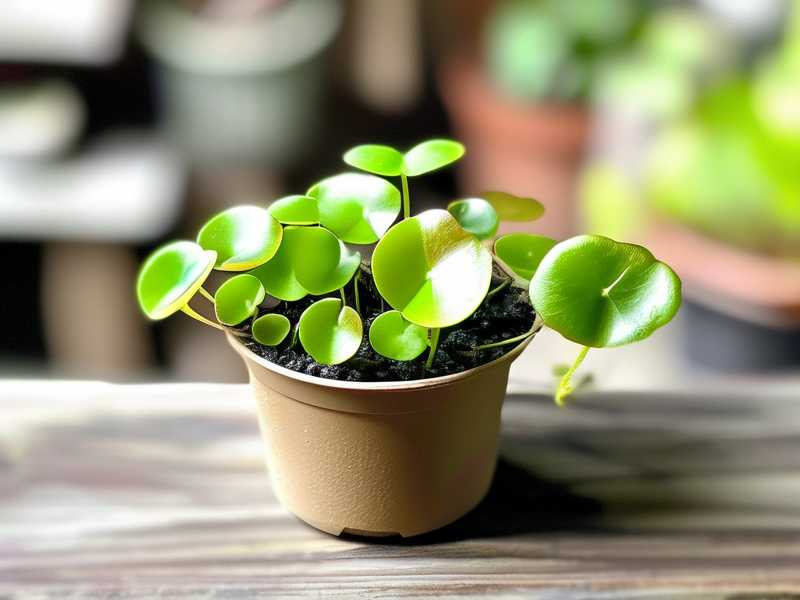
I've been growing carnivorous plants for about six years now. I've tried every setup you can imagine. And I can tell you that 90% of indoor plants die from overwatering. Sundews are a little different because they actually like wet feet. But even they have limits. I've seen more sundews killed by well-meaning plant parents who drown them than by neglect.
Let me walk you through what actually works, based on my own two-week observation periods and plenty of trial and error.
What Makes a Small Pot Tricky for Mature Sundews
A mature sundew has a decent-sized root ball. It's not huge, but it's bigger than what you'd see on a seedling. When you cram that into a small pot, you're creating a tiny ecosystem that can swing from too dry to too wet in a matter of hours.
I learned this the hard way with a Drosera capensis that I kept in a 3-inch pot. It looked fine for the first week. Then the leaves started browning at the tips. I thought it needed more water, so I added more. Then the crown turned mushy. That's when I realized the pot was too small to buffer anything.
The real issue with small pots is water chemistry. Sundews are sensitive to minerals. If you're using tap water in a small pot, those minerals concentrate fast. In a bigger pot, there's more soil to dilute them. In a small pot, you're basically pickling the roots.
So the first thing I tell anyone is this: if you're growing a mature sundew in a small pot, you need to flush the soil every couple of weeks with distilled water or rainwater. Just pour it through until it runs out the bottom. That simple step saved my current sundew collection.
The Three Biggest Mistakes I See New Growers Make
I've made all of these. Every single one. So don't feel bad if you're doing them too.
Mistake One: Overwatering (Yes, Even Sundews Have Limits)
I know sundews are bog plants. I know they like wet soil. But "wet" doesn't mean "swimming." I once kept a sundew in a pot that sat in a tray of water 24/7. The water level was halfway up the pot. After ten days, the plant collapsed. The roots had no oxygen.
The fix is simple. Use the tray method, but keep the water level low. I aim for about half an inch to one inch of water in the tray. Let the tray dry out for a day before refilling. That gives the roots a chance to breathe.
Also, if your pot is small, you need to check the water level every single day. Small pots dry out fast. In summer, I check mine twice a day. It sounds like a lot, but it takes ten seconds.
Mistake Two: Light Wrong-placement (Too Much or Too Little)
My third sundew death was from light. I put it on a south-facing windowsill in July. The afternoon sun cooked it. The leaves turned crispy in about four hours. I came home to a plant that looked like it had been in an oven.
Sundews need bright light, but they don't want to bake. A few hours of gentle morning sun is perfect. If you only have a south-facing window, use a sheer curtain. Or move the pot back a foot or two from the glass.
On the flip side, I've also seen sundews go pale and leggy from too little light. They stretch out, and the dew disappears. That's a sign you need to move it closer to a window or add a grow light.
I use a simple LED grow light for my indoor sundews. It's on for 12 hours a day. The plants sit about six inches below it. That setup has worked beautifully for my Drosera spatulata and Drosera aliciae.
Mistake Three: Wrong Pot Type
I used to think any small pot would work. Then I tried a glazed ceramic pot. Big mistake. The glaze held heat, and the pot didn't drain well. My sundew's roots stayed soggy and warm. Root rot set in within a week.
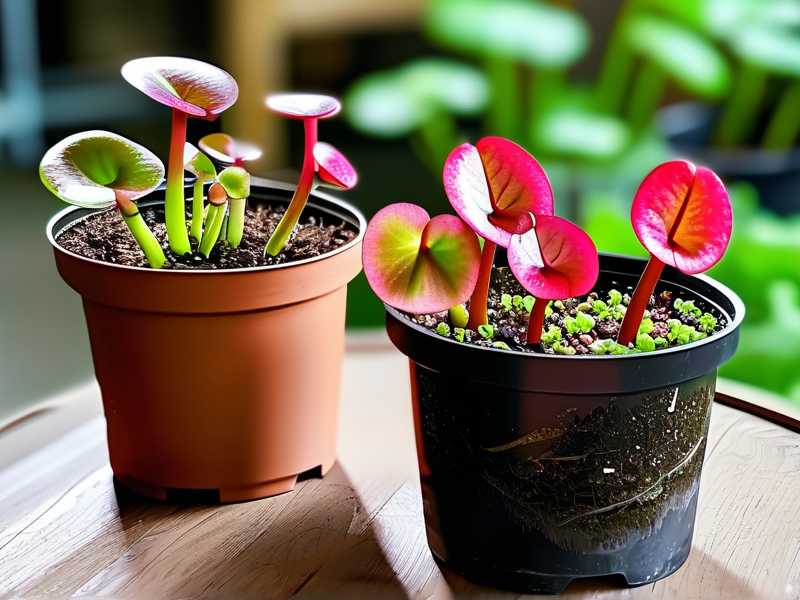
Now I only use plastic pots or unglazed terracotta. Plastic is my favorite because it's lightweight and doesn't wick away moisture too fast. Terracotta looks nicer, but it dries out faster, so you have to water more often.
Also, make sure the pot has drainage holes. I know it seems obvious, but I've seen people try to grow sundews in decorative pots with no holes. That's a death sentence.
The Two-Week Observation That Changed My Routine
I decided to actually track what happened when I changed my watering routine. For two weeks, I kept a mature Drosera capensis in a 4-inch plastic pot. I used the tray method with distilled water. I kept the water level at half an inch. I let the tray dry for 24 hours before refilling.
Here's what I saw:
Day 1 to 3: No visible change. The plant looked the same.
Day 4: New dew appeared on the tentacles. That was a good sign.
Day 7: I noticed a tiny new leaf unfurling from the center.
Day 10: The older leaves that had been brown at the tips started to look less crispy. Not perfect, but better.
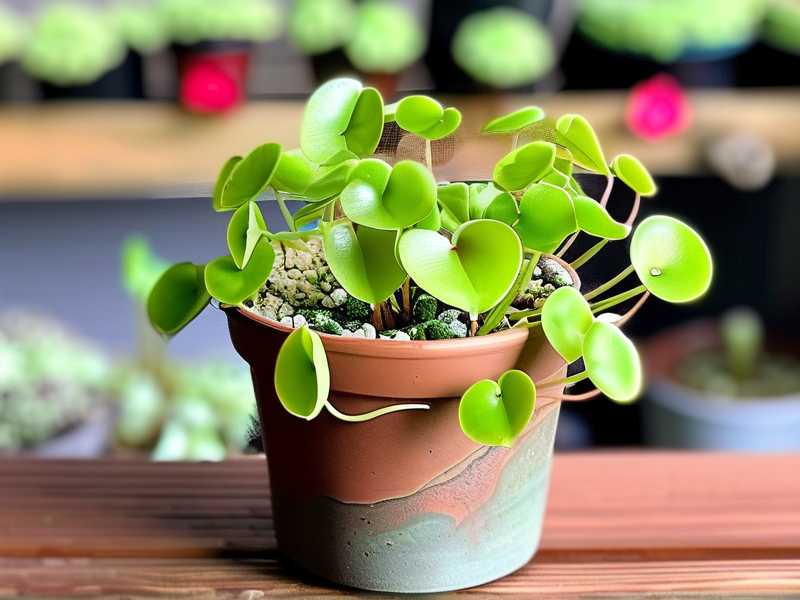
Day 14: Two new leaves had fully formed. The dew was thick and sticky. The plant looked happier than it had in months.
That two-week period taught me that sundews respond slowly. You won't see a dramatic change overnight. But if you keep the conditions stable, they will reward you.
What I Feed My Mature Sundew in a Small Pot
I don't feed my outdoor sundews. They catch their own bugs. But indoors, there aren't many insects. So I feed them dried bloodworms. You can get them at any pet store.
I use tweezers to place one or two bloodworms on a leaf. I only feed one leaf per week. Overfeeding can cause the leaf to rot.
I tried feeding a sundew a piece of a mealworm once. It was too big. The leaf curled around it and then turned black. Learned my lesson. Small prey only.
If you don't want to feed them, that's fine. A mature sundew can survive for months without food. It just won't grow as fast. But it won't die.
Water Quality Matters More Than You Think
I mentioned this earlier, but it's worth repeating. Sundews are sensitive to minerals. Tap water in most cities has dissolved solids that will build up in the soil. Over time, that kills the plant.
I use distilled water or rainwater. If you use rainwater, make sure you collect it in a clean container. Don't use water that's run off a roof with asphalt shingles. That can contain chemicals.
The RHS recommends using rainwater for carnivorous plants whenever possible. I agree. It's free and it works.
If you must use tap water, flush the soil every week with distilled water. That helps push the minerals out. But honestly, it's easier to just buy a gallon of distilled water. It costs about a dollar.
Humidity and Temperature for Small Pot Sundews
Sundews don't need insane humidity. I keep mine at about 50% to 60%. That's normal household humidity in most places.
If your home is very dry, you can use a humidity tray. Just a saucer with pebbles and water. Set the pot on top. As the water evaporates, it creates a little humid microclimate.
But don't mist your sundew. I used to mist mine every day. Then I read a report from the AHS that said misting can promote mold and fungal growth on carnivorous plants. I stopped. My plants got healthier.
Temperature-wise, most sundews are fine at normal room temperature. 65°F to 80°F is perfect. Just avoid extreme swings. Don't put them near an air conditioner vent or a heater.
When to Repot a Mature Sundew in a Small Pot
If your sundew has been in the same small pot for more than a year, it might be time to repot. You'll know because the soil will look compacted, and the plant might stop growing.
I repot mine in early spring. I use a mix of one part peat moss and one part perlite. No fertilizer. Ever. Fertilizer will kill a sundew.
When you repot, be gentle. Sundew roots are fragile. I lost a beautiful Drosera binata because I was too rough. I pulled it out of the pot and half the roots snapped. It never recovered.
Now I just slide the whole root ball out and set it in a slightly bigger pot. I don't disturb the roots at all. That works much better.
Three Common Questions I Get All the Time
How often should I water a mature sundew in a small pot?
Check the tray every day. In warm weather, you might need to refill it daily. In cooler weather, every two or three days. The soil should stay moist, but not flooded. If you see water sitting on top of the soil, you've added too much.
Why are my sundew's leaves turning brown?
Brown leaves can mean a few things. If it's just the older leaves at the bottom, that's normal. Sundews shed old leaves. If the new leaves are browning, it's usually a water quality issue or too much direct sun. Flush the soil and move the pot to a spot with filtered light.
Can I grow a mature sundew in a small pot forever?
No. A small pot is fine for a while, but eventually the plant will outgrow it. You'll need to repot into something slightly larger every one to two years. A 4-inch pot is usually the smallest I'd go for a mature plant. If you keep it in a tiny pot forever, it will slowly decline.
Final Thoughts
Growing a mature sundew in a small pot is totally doable. You just have to pay attention. Check the water daily. Use distilled water or rainwater. Give it bright, indirect light. And don't love it to death with too much water.
I've killed my share of sundews. But the ones I have now are thriving. They're in 4-inch plastic pots. They sit under a grow light for 12 hours a day. They get distilled water in a shallow tray. And they get one bloodworm per week.
That's it. Nothing fancy. Just consistent care and a little patience.
If you're just starting out, don't be discouraged if your first sundew doesn't make it. I've been there. Learn from it. Adjust your routine. And try again. These plants are worth it.