bluename
 How to Stop Sundew From Drying Out in Air Conditioned Rooms
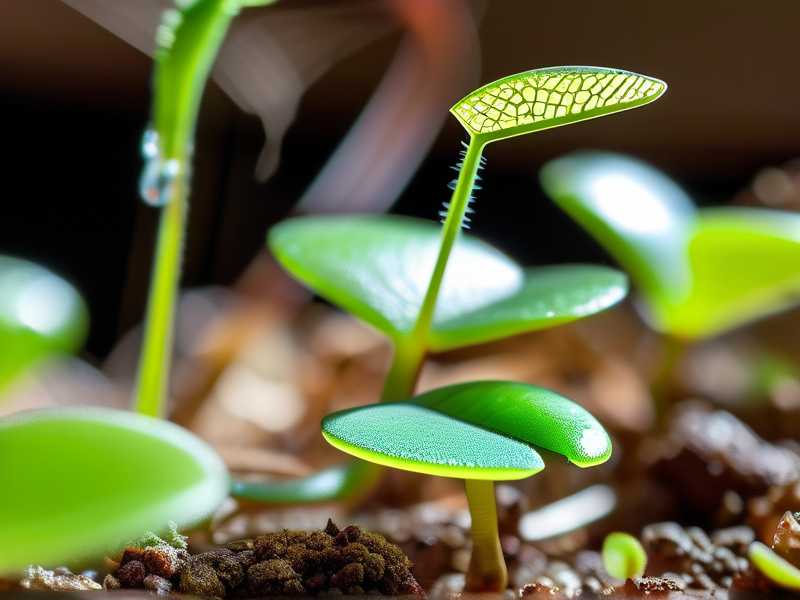
If your sundew is drying out in an air conditioned room, the fix is simpler than most people think: raise the local humidity, not the whole room. I keep my tropical sundews alive through bone-dry AC summers by grouping them over a pebble tray, topping up a shallow water dish, and moving them out of the direct cold-air blast. That's it. No fogger, no terrarium, no fuss. Within two weeks of making those changes, I watched new dew-covered tentacles come back on plants I was sure were goners.
I've killed my share of these plants. My first sundew, a little Drosera capensis, turned crispy in about four days once I cranked the AC. I didn't understand why the leaves kept curling and the dew disappeared. Turns out the cold, dry air from a vent pulls moisture off those sticky tentacles faster than the plant can replace it. Once I connected the dots, everything changed.
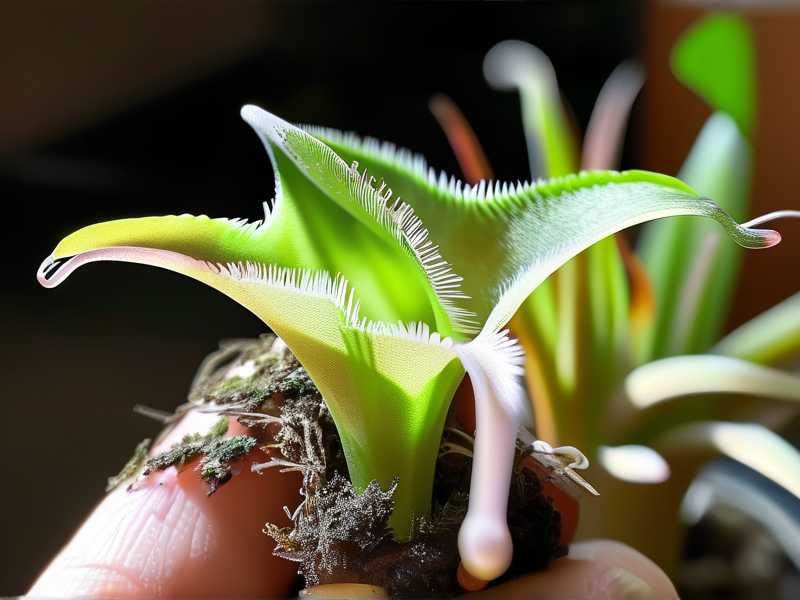
Why Air Conditioning Is So Brutal on Sundews
Air conditioners don't just cool a room. They strip moisture out of it. A typical AC unit can drop indoor relative humidity to 30% or even lower. Most tropical sundews want somewhere between 50% and 70% to keep that glistening dew on their leaves.
That dew isn't decoration. It's the trap. Without it, the plant can't catch gnats, fruit flies, or anything else it needs. So a dried-out sundew isn't just ugly. It's slowly starving.
The tricky part for indoor growers in the US, Canada, UK, and Australia is that our homes are sealed up tight. Windows stay shut. AC runs for months. The air gets dry and stays dry.
The Real Cause Isn't the Air — It's the Airflow
Here's something I didn't figure out for a long time. The humidity number on your hygrometer only tells half the story. A sundew sitting three feet from an AC vent will dry out even in a 55% room, because moving air increases evaporation.
I tested this. Same room, same humidity reading. I moved one pot away from the vent and left another in the draft. The vent plant was crispy in five days. The sheltered one stayed dewy.
So before you buy a humidifier or build a terrarium, just move the plant. It's free and it works.
My Two-Week Fix That Actually Worked
Let me walk you through exactly what I did, because I think most guides overcomplicate this.
Week one, I stopped misting. I know, everyone says mist your sundew. But misting gives a quick spike of humidity that vanishes in minutes, and wet leaves in still air can invite mold. Instead I set the pot on a pebble tray half-filled with water. As the water evaporates, it creates a little pocket of humid air right around the plant.
Week one, I also started using the tray method for watering. I sit the pot in a shallow dish with about half an inch of water and let the soil wick it up. Drosera capensis and most tropical sundews love this. Just don't drown them.
Week two, the difference was obvious. New growth had visible dew. The older crispy leaves I snipped off with clean scissors. The plant wasn't dead. It was just waiting for better conditions.
By day fourteen, my worst-off plant had three fresh leaves with full tentacles. That's the moment I stopped panicking about AC.
The Three Mistakes That Kill New Growers' Sundews
I made all three of these. Let me save you the dead plants.
Mistake One: Overwatering
90% of indoor plants die from overwatering, and carnivorous plants are no exception. This sounds backwards when we're talking about drying out, but it's true.
People see a dry-looking sundew and panic. They flood the pot. The roots rot. Now the plant can't take up water at all, so it looks even drier. It's a death spiral.
The fix: use the tray method. Keep the soil consistently damp, not soggy. If the soil smells sour or the crown turns black, you've overdone it.
Mistake Two: Wrong Light
Sundews need a lot of light. Bright, direct sun for several hours a day, or a strong grow light. A windowsill that only gets weak morning sun won't cut it.
I learned this the hard way. I put a sundew on a north-facing windowsill thinking it would be fine. It stretched out, lost its color, and stopped producing dew. Weak light = weak plant = a sundew that can't handle any stress, including dry AC air.
Give them a south or west window in the northern hemisphere, or a decent LED grow light. Aim for 12 to 14 hours a day.
Mistake Three: The Wrong Pot
This one surprised me. I had my sundew in a terracotta pot. Big mistake. Terracotta is porous. It wicks water out of the soil and evaporates it through the walls. In a dry room, that's a double whammy.
Switch to glazed ceramic or plastic. Plastic is cheap and holds moisture far better. Make sure there are drainage holes, and always use a tray underneath.
I moved mine into a plain plastic pot and the watering frequency dropped immediately. The soil stayed damp much longer.
What the Experts Say About Humidity
The RHS notes that most tropical sundews need consistently high humidity and recommends standing pots in water during the growing season. That matches what I've seen at home.
The AHS also stresses that carnivorous plants are more sensitive to environmental swings than typical houseplants. Sudden drops in humidity hurt them more than steady low humidity. So consistency matters as much as the actual number.
That's why I like the pebble tray and water dish approach. It doesn't spike humidity. It just keeps a steady buffer around the plant.
Practical Setup for an AC Room
Here's my current setup, which has survived two full summers.
The plant sits on a south-facing windowsill, but not directly in front of the AC vent. I angled the vent louvers upward so the cold air blows over the plant, not at it.
Under the pot, there's a plastic tray with pebbles and water. The pot itself sits in a second shallow dish with about half an inch of distilled water. I top it up every other day.
I use distilled or rainwater only. Tap water builds up minerals in the soil and slowly poisons sundews. This is a big one people miss.
Room humidity sits around 45% most days. Inside the pebble tray zone, my cheap hygrometer reads closer to 60%. That's enough.
What to Do If Your Sundew Is Already Crispy
Don't toss it yet. Sundews are tougher than they look.
Trim off the completely brown leaves. Keep the green or partially green ones, even if they look sad. Check the crown, the center where new growth comes from. If it's still green or reddish, you've got a chance.
Move it to a shadier spot for a week, keep the soil damp, and wait. New growth usually shows up within 10 to 14 days if the roots are alive.
If the crown is black and mushy, that's root rot. You probably overwatered trying to fix the dryness. At that point, I'd start fresh with a new plant and a better setup.
Frequently Asked Questions
Can I just use a humidifier instead of a pebble tray?
You can, but it's overkill for one or two plants. A humidifier raises the whole room's humidity, which helps, but it also costs more and needs refilling. For a small collection, a pebble tray and water dish is simpler and just as effective. For ten or more plants, a humidifier might be worth it.
Should I mist my sundew every day?
I don't recommend it. Misting gives a temporary humidity bump that disappears in minutes. It also wets the leaves, which can lead to fungal issues in still air. If you want to mist, do it in the morning so the leaves dry by evening. But honestly, the tray method works better.
My sundew has dew in the morning but it's gone by afternoon. Is that normal?
Yes, to a point. Dew production often peaks overnight when humidity is naturally higher. If it's completely gone by midday and the leaves look dry, you need more humidity. If the leaves are still tacky to the touch, you're probably fine.
What about putting it in a terrarium?
Terrariums work great for sundews that need very high humidity, like some Drosera species from tropical lowlands. But they can also cause problems if there's no airflow. You'll get mold and rot. I'd only go the terrarium route if you've tried the simpler fixes and your plant still struggles.
Distilled water only, or is tap water okay?
Distilled or rainwater only. Tap water contains minerals that accumulate in the soil over time. Carnivorous plants evolved in nutrient-poor bogs and can't handle that buildup. If you wouldn't drink it straight from a mineral spring, don't give it to your sundew.
Final Thoughts
Sundews in air conditioned rooms aren't doomed. They just need a bit of microclimate management. Move them away from vents. Use a pebble tray and water dish. Switch to a plastic pot. Give them strong light. Don't overwater.
That's the whole game. I went from killing every sundew I touched to keeping a small collection thriving through dry summers. If I can do it, you can too. Start with one plant, get the setup right, and watch the dew come back.