bluename
 How to Choose a Safe Potting Mix for Rare Sundew
If you're killing rare sundews, the problem is almost never the plant. It's usually the potting mix. I learned this the hard way after losing three Drosera paradoxa in a single summer. All three sat in the same bright spot with the same watering routine. The only difference was the soil. That experience forced me to figure out how to choose a safe potting mix for rare sundew, and it's the single most important thing I'd tell any new grower. Also, remember this number: 90% of indoor plants die from overwatering. Sundews are not immune. In fact, most sundew declines I've seen trace back to a mix that stays too wet or holds too many minerals.
Sundews look exotic. They sparkle. They catch bugs. That's the fun part. The tricky part is that rare species are far less forgiving than the common capensis you find at every garden center. Get the mix wrong and you'll watch dew disappear, leaves curl, and roots rot within two weeks.
First, why a safe mix matters more than almost anything else
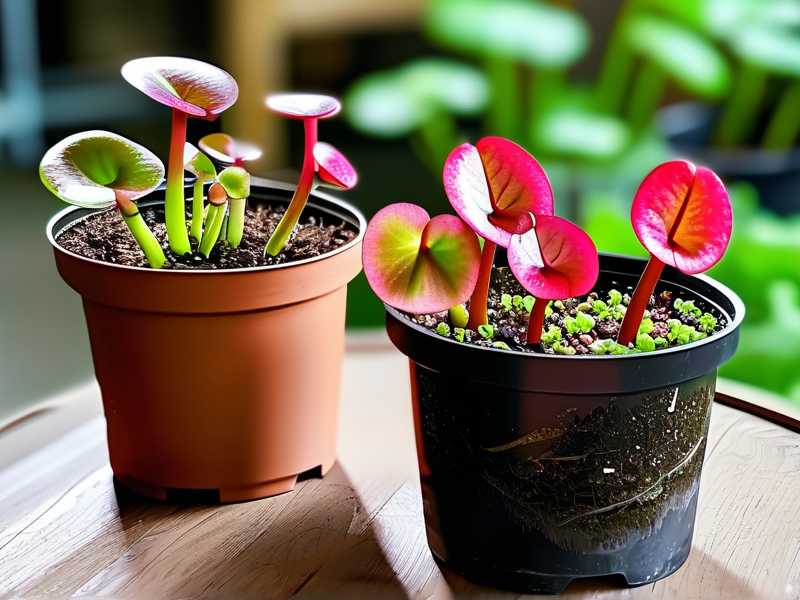
Sundews are carnivorous. Their roots evolved in nutrient-poor, acidic, constantly damp ground. Bogs, sandy seeps, wet heathland. They pull what they need from insects, not from soil. So when you plant them in regular potting soil, you're basically poisoning them with fertilizer and minerals.
The mineral issue is huge. Tap water and standard mixes carry dissolved salts. Rare sundews like Drosera regia, D. schizandra, and many South American and tuberous species are especially sensitive. Excess minerals burn the fine roots. The plant then can't take up water even though the soil is wet. You get wilting that looks like dryness but is actually chemical damage.
Sphagnum peat and long-fibered sphagnum are the backbone of a safe mix. They're acidic, low in nutrients, and hold moisture without turning into sludge. Perlite, pumice, or coarse silica sand add air. That air matters because roots need oxygen. A mix that's soggy and airless is a rot factory.
What I use, and what I avoid
I've tested a lot of blends. Here's what works for me for most rare sundews:
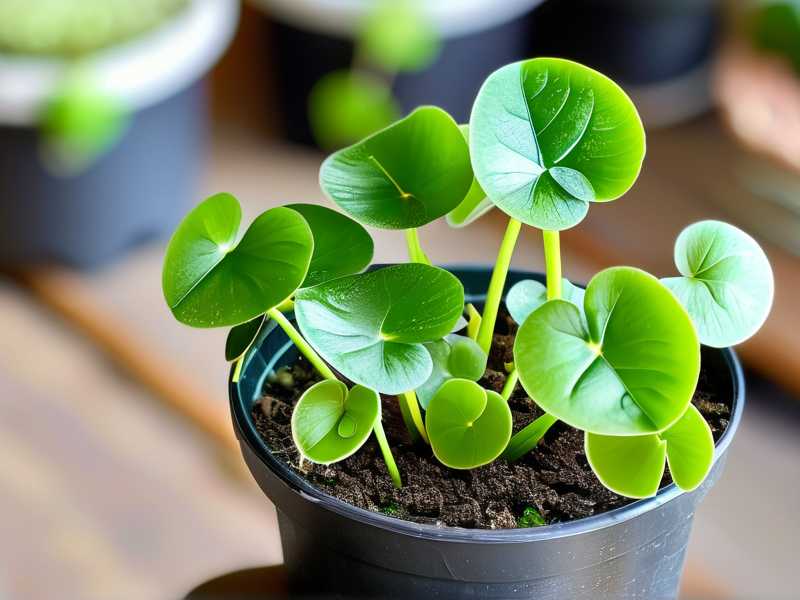
2 parts long-fibered sphagnum moss (not the milled stuff if you can help it)
1 part perlite
1 part coarse silica sand or pumice
For tuberous sundews, I go leaner on the moss. More sand and pumice so the mix drains faster during their dry dormancy. For tropical species like D. schizandra, I keep it airier still. Think 1 part peat, 1 part perlite, 1 part orchid bark. That last one shocked me, but a grower at a carnivorous plant society meeting told me to try it. Two weeks later the plant had new leaves and root growth I could actually see through the clear pot.
What to avoid, always:
Miracle-Gro or any fertilized potting mix
Compost, worm castings, manure
Vermiculite (holds too much water and can carry minerals)
Beach sand or play sand (too fine, compacts, often has salt)
I once tried a "cactus mix" from a big box store because I was out of perlite. Big mistake. It had fertilizer pellets mixed in. My D. admirabilis showed burned leaf tips in four days. I flushed the pot with distilled water for two weeks and barely saved it.
The water rule that goes with the mix
Your potting mix and your water are a package deal. If you use tap water, you undo every good choice you made in the soil. Rare sundews need water with very low dissolved solids. Under 50 ppm is ideal. Rainwater, distilled water, or reverse osmosis water.
I keep a cheap TDS meter. It cost less than a decent pizza. I test every batch of rainwater before I use it. You'd be surprised how much dust and roof crud gets in there.
Water from below. Set the pot in a tray with an inch or two of water. Let the mix wick it up. Top watering compacts the mix and splashes the leaves. It also disturbs the dew. I top water only when I'm flushing the pot to remove built-up minerals, which I do once a month with distilled water poured through from the top.
Light, because it interacts with mix
A safe mix keeps roots happy. Light keeps the plant alive above ground. Rare sundews generally want very bright light. Full morning sun, bright filtered light the rest of the day. Indoors, a strong LED grow light for 12 to 14 hours works for most species.
Too little light: no dew, pale green or yellow leaves, spindly growth.
Too much light: red or brown scorch marks, dried leaf edges, sudden collapse of dew.
I use a 40-watt full-spectrum LED about 10 inches above the plants. I started at 8 hours and bumped it up 30 minutes every few days. After two weeks, my D. prolifera was producing dew so heavy it looked like tiny glass beads. That told me the light was right.
Pot choice and repotting
This is a sneaky one. The wrong pot can ruin a perfect mix. Terracotta wicks moisture and can pull salts into the clay, which then leach back. Plastic or glazed ceramic is better. I use clear plastic orchid pots with side slits for most of my rare sundews. The slits give air to the roots and let me see root health without digging.
Repot in early spring just as growth resumes. Or in late winter for tuberous species before they break dormancy. I repot every 12 to 18 months, or sooner if the mix has broken down into mush. When you repot, gently remove old mix from the roots with a spray bottle of distilled water. Don't tug. Sundew roots are fragile.
Fertilizing: less is more, but not zero
Here's where I'll probably get some disagreement. I do fertilize some rare sundews. Very weakly. I use a quarter-strength orchid fertilizer or a dedicated carnivorous plant fertilizer. I apply it to the leaves once a month during active growth, then flush the pot with distilled water a day later.
Do not fertilize:
Newly repotted plants for at least a month
Dormant tuberous sundews
Any plant that looks stressed
Plants growing in fresh sphagnum that already has some nutrients
Most beginners should skip fertilizer entirely for the first year. Let the plant catch bugs. If you're growing indoors with no insects, a tiny amount of foliar feed can help. But weak. I mix one drop of fertilizer into a quart of distilled water. That's it.
Seasonal care, start to finish
Spring
Growth kicks in. Increase light gradually. Resume watering if you cut back. This is repotting time. Trim dead leaves with clean scissors. I feed lightly once new growth is obvious. If you're moving plants outside, do it in stages over a week. I put mine in a shaded spot first, then into morning sun.
Two weeks after my spring repot last year, my D. regia pushed up two new leaves. That told me the mix was right.
Summer
Heat is the enemy. Rare sundews can stall or rot in temps above 85°F if the air is still.
Shade from harsh afternoon sun
Keep water in the tray but don't let it get hot
Increase airflow with a small fan
Watch for aphids and thrips
Never let the mix dry completely for tropical species
I lost a D. schizandra one July because I let the tray dry out over a weekend. It never recovered. Now I keep a spare gallon of rainwater next to the shelf.
Autumn
Growth slows for many species. Cut back on fertilizer. For tuberous sundews, let the mix dry as leaves die back. That's their dormancy signal.
Remove dead foliage
Reduce watering for dormant species
Keep tropical species evenly moist
Clean pots and trays to prevent mold
Winter
This is survival mode for most rare sundews, especially if you grow indoors in a cold climate.
Move plants away from cold windows
Keep temperatures above 50°F for most tropical species
Tuberous sundews stay dry and cool
Cut fertilizer completely
Water less, but never let tropical mixes go bone dry
Use a grow light to make up for short days
I keep a thermometer next to my plants. Last winter it dropped to 48°F one night when a window seal failed. My D. admirabilis stopped growing for three weeks. Not dead, just sulking. Warmth matters.
Pests and problems, and what they actually mean
Aphids: clusters on new growth. Blast with water or use a cotton swab with diluted soap.
Thrips: silvery streaks, black specks. Harder to kill. Isolate the plant. I use predatory mites now. Chemicals are risky for sundews.
Fungus gnats: a sign the mix is staying too wet. Let the top layer dry slightly and increase airflow.
Yellow leaves: usually too much light or mineral buildup. Flush the pot.
Brown, dry leaves: too much sun, low humidity, or root damage.
Sudden collapse with wet soil: root rot. Repot immediately in fresh mix. Cut away mushy roots. I've saved maybe half of plants that reach this stage. Catching it early is everything.
No dew: light too low, humidity too low, or roots unhappy. Check all three.
The three mistakes I see beginners make over and over
Overwatering. It's not about how often. It's about the mix staying saturated with no air. 90% of indoor plants die from overwatering, and sundews are at the top of that list.
Wrong light. Too dark and the plant fades. Too bright and it scorches. Rare sundews want bright but not brutal.
The wrong pot. Terracotta, tiny pots, no drainage. All bad. Use plastic with drainage or side slits.
I've made every one of these mistakes. I killed a beautiful D. falconeri because I put it in a glazed pot with no drainage holes. It looked decorative. It was a death trap.
Frequently asked questions
Can I use tap water if I flush the pot regularly?
No, not for rare sundews. The minerals build up faster than flushing removes them. Use rainwater, distilled, or RO water. Your TDS should stay under 50 ppm.
How often should I repot a rare sundew?
Every 12 to 18 months, or when the mix starts to break down. Spring is best. Tuberous species get repotted in late winter before they wake up.
My sundew has no dew. What's wrong?
Check light first. Then humidity. Then root health. Low light is the most common cause indoors. If the mix smells sour or the roots are brown, repot immediately.
The Royal Horticultural Society and the American Horticultural Society both stress that carnivorous plants need specialized, low-nutrient media. I've linked to them because their guides on bog plants and water quality are worth reading. That said, most of my real education came from killing plants and taking notes. You'll learn faster if you start with a safe mix, clean water, and bright light, then adjust one variable at a time. Give it two weeks between changes. Watch the dew. It tells you everything.