bluename
 How to Fix Sundew Leaves That Stay Curled All Time
If your sundew leaves stay curled all the time, the fastest fix is almost always to reset the growing conditions: flush the soil with distilled water, drop the pot into a tray of clean water, and move the plant under bright indirect light for two weeks before you change anything else. I learned this the slow way after killing my third sundew, and I want to save you that grief. Sundews are gorgeous little carnivores, cheap to buy, and honestly not that hard to keep once you understand what they hate. The problem is they give you almost no warning before the leaves fold up and stay that way.
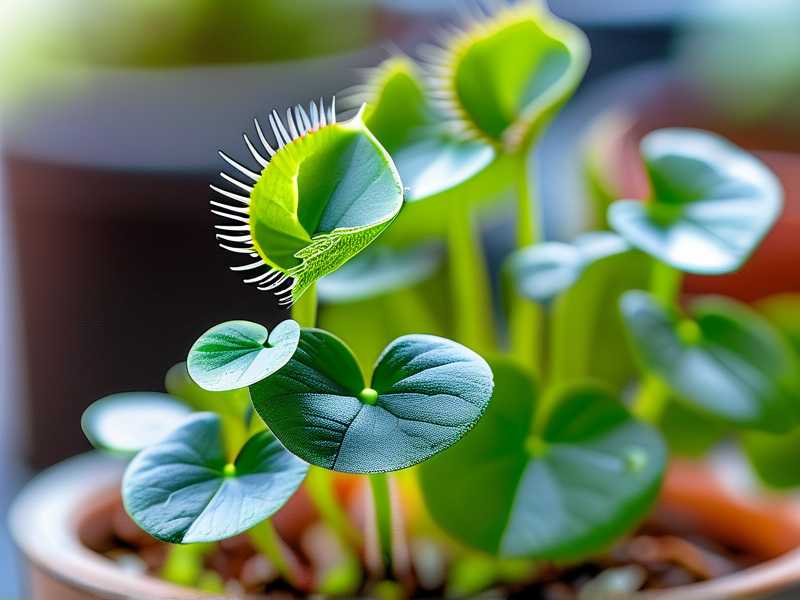
Sundews catch bugs with sticky droplets on their tentacles, and a curled leaf usually means the plant is stressed, not that it just finished a meal. When a healthy sundew eats, the leaf curls for a day or two and then opens back up. When it's unhappy, the curl sticks around, the dew dries up, and new leaves come out deformed from the start. That difference matters, because it tells you whether you're looking at normal feeding behavior or the early stage of decline. I check my plants every morning with a cup of coffee, and the dew is the first thing I look at. No sparkle means something is off.
Fair warning before we go further: 90% of indoor plants die from overwatering, and sundews are strange because they actually want wet feet, just not the kind of wet feet that comes from tap water and rich potting soil. Getting that balance right is basically the whole game.
Let me walk you through what I actually did, day by day, and what changed over two weeks.
Start With the Two-Week Reset I Use on Every Curled Sundew
When I see persistent curling, I stop guessing and run a reset. Here's my exact routine.
Day 1: I take the pot to the sink and flush it slowly with distilled water or rain water, three or four passes, until water runs clear out the bottom. This pushes out accumulated minerals from tap water, which is the single most common cause of curled drosera leaves in my experience.
Day 1, evening: I set the pot in a shallow tray with about half an inch of distilled water. Not deep. Just enough that the soil wicks moisture up.
Days 2 to 7: I keep the tray topped up, keep the plant in a spot with 12 to 14 hours of bright, filtered light, and I touch nothing else. No fertilizer. No repotting. No misting. I learned this the hard way, because every time I panicked and did three things at once, I couldn't tell which one helped or which one killed the plant.
Days 8 to 14: I watch for new growth at the center of the rosette. By day 10 in my last rescue, the newest leaf finally showed tiny clear droplets again. By day 14 the leaf was fully open. The old curled leaves never straightened out, and that's normal. You're not fixing old leaves. You're fixing the conditions so new leaves come in healthy.
That's the whole reset. If nothing improves after two weeks, then you move on to the harder questions: light intensity, soil mix, or root rot.
Drosera Leaves Curling: What Actually Causes It
There are really only a handful of culprits, and they overlap.
Mineral buildup is number one. Tap water leaves behind calcium and salts, and sundews are extremely sensitive to dissolved solids. If you've been watering from the tap for months, this is probably your issue.
Low humidity is number two. Indoors in winter, with the heat on, humidity can drop under 30%. Sundews want 50% or higher. Dry air makes the dew evaporate and the tentacles fold inward.
Light that's too weak or too intense is number three, and it's the one people misread constantly. A sundew in a dark corner slowly curls and goes pale green. A sundew under a hot windowsill in July curls and turns crispy red. Same symptom, opposite cause.
Root disturbance and poor soil round out the list. Freshly shipped plants often curl for a week or two just from transit stress. That one usually resolves on its own.
Light: The Sweet Spot Most People Miss
Sundews want a lot of light, but not baking midday sun through glass. My best results come from an east-facing window with direct morning sun and bright indirect light the rest of the day. That's roughly 6 hours of direct light and several more hours of strong ambient light.
South and west windows work in winter. In summer they can cook a small pot in an afternoon, and I've lost plants that way.
If you're using grow lights, aim for 12 to 14 hours a day and keep the fixture 6 to 10 inches above the plant. Too close and you get heat stress. Too far and the plant stretches and pales.
Signs your light is wrong:
- Pale, stretched, weak growth: not enough light
- Red but crispy and curled leaves: too much light or too much heat
- Deep red with lots of dew: that's the happy zone for most tropical species
The RHS notes that most carnivorous plants need consistently bright conditions, and that's true for drosera across the board. Don't treat them like a fern.
Watering: Where Nearly Everyone Goes Wrong
Here's my rule: distilled water, rain water, or reverse osmosis water. Nothing else. Not filtered tap. Not bottled spring water. Those still carry minerals.
The tray method is the standard for a reason. Set the pot in a tray with half an inch to one inch of water and let the soil pull it up. Top-water only when you're flushing the soil.
In summer, my plants can drink a tray dry in two days. In winter, one tray lasts a week. Adjust to the season, not to a schedule.
Never let the pot sit in deep water for weeks. Constant saturation with no oxygen leads to root rot, and root rot looks a lot like drought stress from the top. Curled leaves, no dew, brown mushy roots underneath.
If your plant smells sour or the soil is dark and slimy, you have rot. Unpot it, rinse the roots, cut away anything brown and soft, and repot in fresh mix.
Soil and Repotting: Keep It Lean
Sundews want poor, acidic, airy soil. My mix is simple:
- 2 parts sphagnum peat moss
- 1 part perlite
- 1 part washed horticultural sand
No fertilizer in the mix. Ever. No standard potting soil either. The nutrients in regular compost burn these plants.
For pots, use plastic or glazed ceramic. Terracotta dries out too fast and leaches minerals into the soil, which is exactly what you don't want. A pot with drainage holes, 3 to 4 inches across, is plenty for most drosera.
Repot every one to two years, in early spring, when the plant is waking up. Repotting stresses sundews, so do it only when the soil has broken down or you're dealing with rot. I repot less than people expect, honestly.
Fertilizing: Mostly Don't
This is the section where I save you money. You basically don't fertilize sundews. They get nutrients from the bugs they catch, and feeding them through the roots is a fast way to burn them.
The one exception is a very diluted foliar feed, something like quarter-strength orchid fertilizer, misted on the leaves once a month during active growth. Even that is optional. I skip it most of the year and my plants are fine.
Never fertilize a stressed plant. Never fertilize in winter. Never fertilize a plant that's just been repotted. If the leaves are already curled, fertilizer will make it worse, not better.
Seasonal Care, Month by Month
Spring: Wake-Up and Repot
Spring is when I do the heavy lifting. New growth starts, and the plant can handle a little disruption.
Trim off any dead or blackened leaves with clean scissors. Repot if it's due. Start the tray method again if you backed off over winter. Bring light levels up gradually so you don't scorch fresh growth.
Summer: Heat and Pests
Watch the heat. A windowsill that hits 95°F can stress a sundew fast. Move it back from the glass, increase airflow with a small fan on low, and keep the tray filled.
This is also when pests show up. Aphids and spider mites love warm, dry indoor air. A spray of distilled water knocks them back, and for heavier infestations I use a diluted neem or insecticidal soap, applied in the evening so it doesn't burn the leaves.
Fall: Ease Off
Growth slows. I reduce the water level slightly and stop any foliar feeding. Clean up dead leaves so they don't rot against the crown. If you keep your plants outdoors in summer, this is when you bring them in, before the first frost.
Winter: The Quiet Season
Most tropical sundews don't need a true dormancy, but they do slow down. Keep them in the brightest spot you have, keep the tray shallow, and don't fertilize at all. Cooler temperatures, around 60 to 65°F, suit them fine.
Temperate species like Drosera filiformis and Drosera rotundifolia do need a cold dormancy. Those go somewhere cool and barely above freezing for a few months. The AHS has good general guidance on matching dormancy to species, and it's worth checking before you assume your plant needs the same treatment year-round.
The Three Mistakes That Kill Most Beginner Sundews
I've made all three, more than once.
Mistake one: overwatering with the wrong water. People hear "sundews like wet soil" and drown them in tap water. It's not the wet that kills them, it's the minerals. Use the right water, keep the tray shallow, and you're fine.
Mistake two: putting them in the wrong light. A dark shelf makes them curl and fade. A hot south window makes them curl and crisp. Get that bright-but-not-baking middle ground.
Mistake three: using the wrong pot and soil. Terracotta plus standard potting mix is a death sentence. Plastic pot, peat-based mix, no fertilizer.
Pests, Yellow Leaves, Rot, and Crispy Tips
Aphids cluster on new growth and deform it. Spider mites leave fine webbing and stippled leaves. Both thrive in dry air, so raising humidity helps prevent them.
Yellow leaves usually mean mineral buildup or too little light. Flush the soil and reassess the light.
Brown, crispy tips point to low humidity, heat stress, or a sudden drop in moisture.
Mushy brown leaves and a sour smell mean rot. Act fast, because this one spreads.
A Few Questions I Get All the Time
Why are my sundew leaves curled even though the soil is wet? Wet soil with the wrong water still causes curling. Check your water source first, then humidity. Also, if the soil is too wet with no drainage, you might have early rot.
Will curled leaves ever open back up? Usually no. Damaged leaves stay damaged. Focus on the new growth at the center of the plant. If new leaves come in open and dewy, you've fixed it.
How long until I see improvement? Give it two weeks after you correct the conditions. New growth is your proof. If nothing changes in a month, reassess light and repot into fresh soil.
Sundews aren't fragile, they're just specific. Get the water right, give them strong filtered light, keep the soil lean, and the curling problem mostly takes care of itself. My current plants curl for a day after a big meal, then open back up like nothing happened, and that's exactly how it should be.