bluename
 How to Help Sundew Grow Fuller Leaf Rosettes Fast
If your sundew looks thin, leggy, or just plain sad, you're not alone. I've killed more sundews than I care to admit—mostly by babying them to death. The fix for fuller leaf rosettes fast is simpler than most growers think: blast them with strong light, keep the soil consistently moist but never soggy, and feed lightly. That's it. Within two weeks of dialing in those three things, I watched my Drosera capensis go from a spindly stalk to a dense, dewy rosette that actually looked like the photos online. This guide is everything I wish someone had told me before I drowned my first three plants.
Sundews aren't hard. They're just specific. They want what most houseplants hate—boggy soil, intense sun, and zero fertilizer in the potting mix. Once you flip your brain around that, they reward you fast.
Why Your Sundew Looks Sparse (And What Actually Fixes It)
A thin sundew is almost always a light problem. Not a water problem, not a nutrient problem. Light.
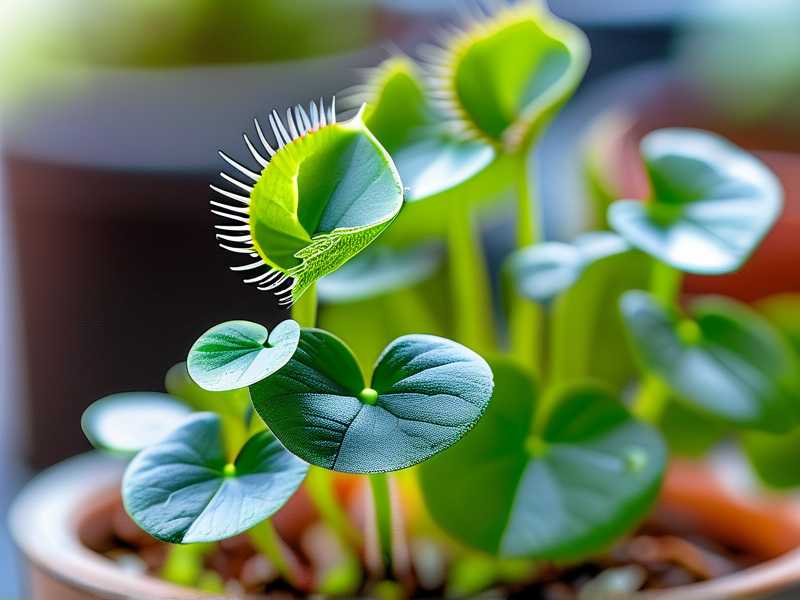
Drosera species that form rosettes—like Drosera capensis, Drosera spatulata, and Drosera aliciae—need direct sun or a very strong grow light to stack leaves tightly. When light is weak, the plant stretches. It reaches. The internodes lengthen, and you get that sad, leggy look.
The second culprit is root disturbance or poor soil. If the roots are suffocating in compacted peat or sitting in stagnant water, the plant stalls. It won't die immediately, but it won't push new growth either.
And here's the one nobody talks about: letting the plant flower too early. A young sundew that blooms spends energy on seeds instead of leaves. I snip flower stalks off any sundew under six months old. Always.
The Fastest Fix for a Fuller Rosette
Give it more light than you think is reasonable. I'm talking 6+ hours of direct sun or a 20W LED panel 4–6 inches above the crown. That single change is what took my Drosera spatulata from a flat, five-leaf pancake to a tight, 2-inch-wide rosette in about 12 days.
Then keep the soil wet. Not damp. Wet. These are bog plants. I use the tray method—a plastic nursery pot sitting in a shallow dish of distilled water, about half an inch deep. Refill when it dries. Never let it go bone dry.
RHS notes that most Drosera species are hardy outdoors in the UK only in mild areas, but indoors they thrive with consistent moisture and bright light. That matches everything I've seen.
Light: The Single Biggest Lever for Full Rosettes
Sundews are sun hogs. Indoors, a south-facing windowsill is the minimum in most climates. If you're in Canada or the northern US, that windowsill in winter is basically a cave. You'll need a grow light.
I run a cheap 20W full-spectrum LED bar about 5 inches above my plants for 14 hours a day. The difference is night and day. Leaves stack. Dew production explodes. Color deepens.
Signs your light is too weak:
-Long, pale green stems with spaced-out leaves -Leaves folding downward instead of flat -No visible dew on the tentacles -New leaves smaller than old ones
Signs your light is too strong:
-Crispy brown leaf tips -Red or purple blushing that turns brown
- Leaves curling inward and drying
If you're getting crispy tips but the plant otherwise looks full, raise the light a couple of inches. Don't cut the duration. These plants want long days.
For outdoor growing in Australia or the southern US, morning sun plus filtered afternoon shade is perfect. Full afternoon sun in a heatwave will cook them.
Watering: The Make-or-Break Skill
Here's the line that changed how I grow: 90% of indoor plants die from overwatering. But sundews are the exception—they die from underwatering or from dirty water.
Sundews want wet feet. Always. The trick is the water quality, not the quantity.
Use only:
-Distilled water -Reverse osmosis water -Rainwater
Tap water will slowly kill them. The minerals build up in the soil and burn the roots. I learned this the hard way with a Drosera capensis that looked fine for three months, then collapsed overnight. The soil was crusted with white salt.
My watering routine:
- Keep a tray under the pot with 0.5–1 inch of water
- Top-water once a week to flush the soil
- Empty and refill the tray every 3–4 days to prevent stagnation
- Never let the pot sit in water that smells sour
If you're growing in a terrarium or closed container, you need less frequent watering. But for open-air growing, the tray method is foolproof.
Soil and Repotting: Keep It Simple and Lean
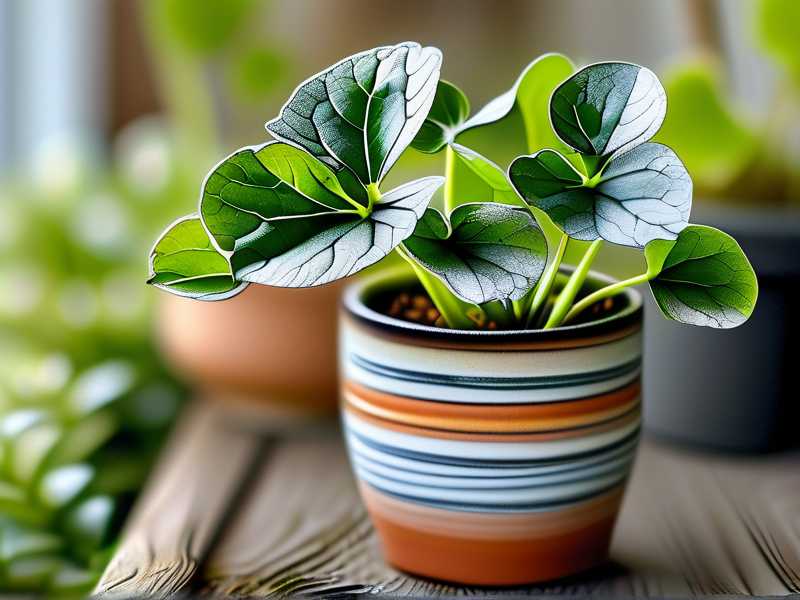
Sundew soil is not normal potting soil. It's a mix of:
-1 part peat moss -1 part perlite -1 part silica sand (optional but helpful)
No fertilizer. No compost. No worm castings. Nothing with nutrients.
I've tried a few ratios over the years. The 1:1 peat-perlite blend works best for me. It holds moisture without turning into sludge. The perlite keeps air around the roots so they don't rot.
Repotting: Do it in early spring, every 1–2 years. Sundews have delicate roots. I gently shake off the old soil, trim any brown mushy roots, and replant into fresh mix. Water immediately and keep the plant in bright, indirect light for 3–4 days before returning it to full sun.
Pot choice matters more than people think. Use plastic nursery pots with drainage holes. Terracotta wicks moisture away too fast. Glazed ceramic is fine if it has drainage. Avoid self-watering pots—they keep the soil too wet and stagnant.
Fertilizing: Less Is More (Usually None)
I don't fertilize my sundews. At all. They catch their own food.
If you're growing indoors with no insects, you can feed them dried bloodworms or beta fish pellets. One tiny piece per leaf, once every 2–3 weeks. That's it.
Never use liquid fertilizer on the soil. It will burn the roots. I tried a diluted orchid fertilizer once—half strength—and watched the leaves turn black within 48 hours. Never again.
If you must foliar feed, use 1/4 strength Maxsea or similar and mist very lightly. But honestly, skip it. Light and water are what drive full rosettes, not food.
Seasonal Care: What Changes Throughout the Year
Spring: This is when sundews explode with growth. Increase light gradually. Repot if needed. Remove dead leaves. Snip flower stalks if you want maximum leaf production. I feed lightly once in early spring if the plant looks pale.
Summer: Watch for heat stress. In a heatwave, move pots to morning sun only. Keep water trays full. Increase airflow to prevent mold. Check for aphids and thrips—they love tender new growth.
Autumn: Growth slows. Reduce feeding to zero. Keep watering the same but watch for cooler temperatures. If you're in a cold climate, prepare to bring plants inside before the first frost. Clean up dead leaves to prevent fungal issues.
Winter: This is where most people lose their sundews. Indoors, you need a grow light. Outdoors in USDA zone 8 or below, bring them in. Keep them in a cool, bright spot—50–60°F is ideal. Water less but never let the soil dry completely. No fertilizer. No repotting. Just let them rest.
Common Problems and How I Fix Them
Yellow leaves: Usually too much tap water or not enough light. Flush the soil with distilled water and move the plant closer to the light.
Brown, crispy leaves: Too much direct heat or low humidity. Raise the light. Add a humidity tray nearby.
No dew: Stress. Check light, water quality, and temperature. Dew usually returns within a week once conditions improve.
Root rot: Rare in sundews, but it happens if the soil is stagnant and compacted. Repot into fresh mix and improve drainage.
Aphids: Spray with distilled water and a drop of dish soap. Rinse well. Repeat every 3 days for a week.
My 2-Week Experiment: What Actually Happened
I took a leggy Drosera capensis that had maybe eight stretched-out leaves. I moved it under a 20W LED, 5 inches away, 14 hours a day. Kept the tray filled with distilled water. Did nothing else.
Day 3: No visible change. Day 7: Two new leaves emerging from the center, tightly curled. Day 10: New leaves opening flat, with visible dew. Old leaves still stretched. Day 14: The rosette was noticeably denser. New leaves were wider and closer together. The plant looked like a completely different specimen.
I didn't fertilize. I didn't repot. Just light and water. That's the whole secret.
3 Big Mistakes New Growers Make
-
Overwatering with tap water. It's not the amount—it's the minerals. Always use distilled or rain.
-
Putting the plant in a dark corner. Sundews are not low-light plants. They need sun.
-
Using the wrong pot. Terracotta dries out too fast. Self-watering pots stagnate. Use a plastic nursery pot in a water tray.
Frequently Asked Questions
How long does it take for a sundew to grow a fuller rosette? With proper light and water, you'll see new leaves in 3–5 days and a visibly denser rosette in about 2 weeks. Mature plants respond faster than seedlings.
Can I grow sundews indoors year-round? Yes, but you need a grow light for winter in most climates. A south-facing window works in summer. In winter, supplement with a 20W LED for 12–14 hours daily.
Why is my sundew not producing dew? Dew production stops when the plant is stressed. Check your water quality, light intensity, and temperature. Fix those and dew usually returns within a week.
The bottom line? Sundews want what most plants don't—wet roots, intense light, and zero fertilizer. Give them that, and they'll reward you with a full, dewy rosette faster than you'd expect. I wish I'd known this before I killed my first three. You don't have to make the same mistakes.