bluename
How to Prevent Sundew From Attracting Gnats Indoors
I learned the hard way that a sundew can become a gnat magnet if you don't manage it carefully. In my first month growing Drosera indoors, I watched tiny fungus gnats swarm around the sticky leaves instead of getting eaten. The plant looked stunning under my grow light, but it was actually pulling pests toward my other houseplants. If you want to know how to prevent sundew from attracting gnats indoors, the short answer is: keep the soil surface dry, isolate the pot, and stop overwatering your other plants. That's it. Everything else is details.
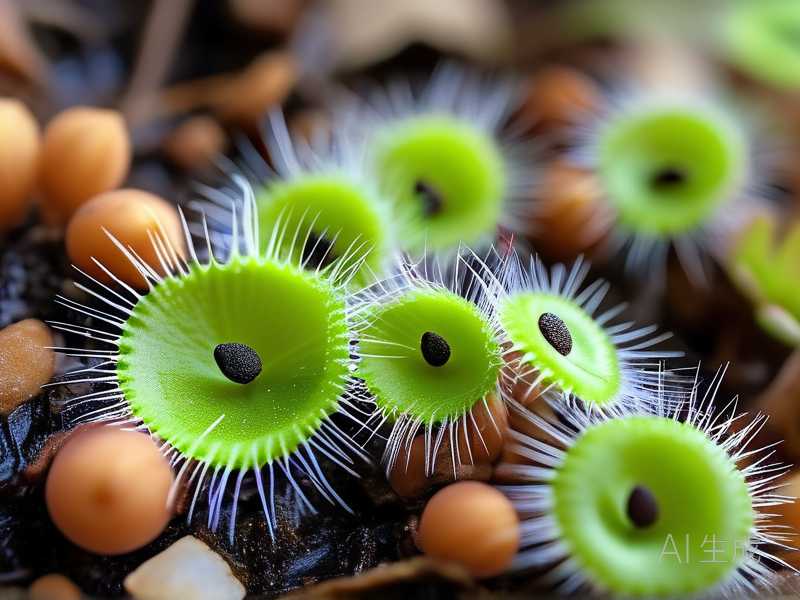
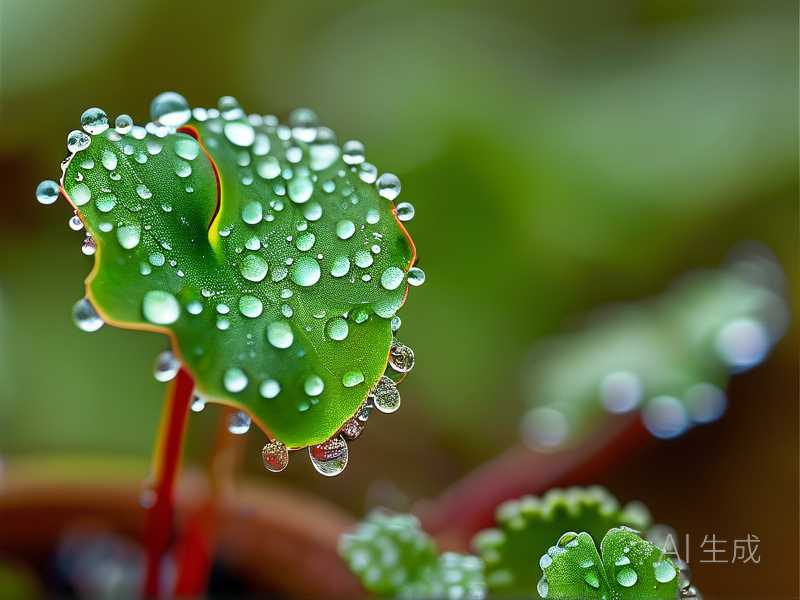
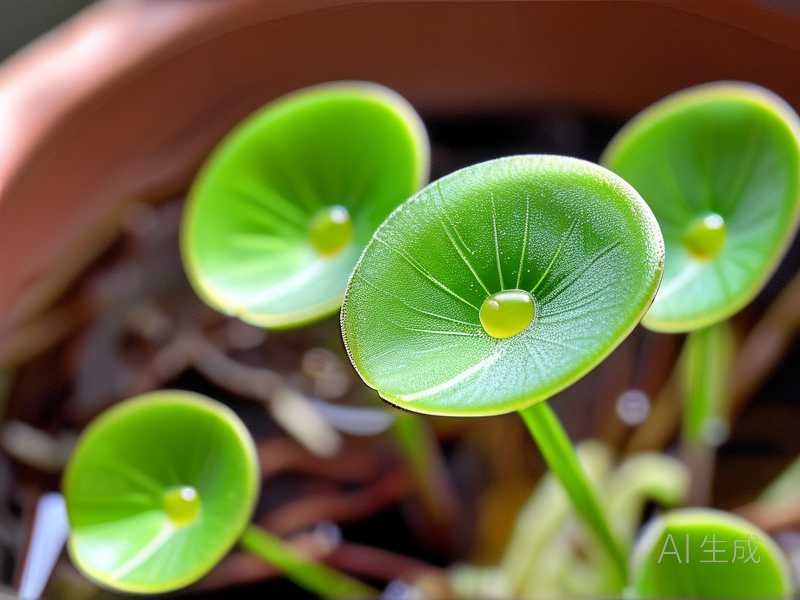
Sundews are beautiful. Those glistening tentacles catch light like tiny glass beads. They're also surprisingly easy to grow indoors if you understand their needs. But here's the catch—they attract gnats for two reasons. First, the sticky mucilage smells like nectar to fungus gnats. Second, wet soil around the sundew becomes a breeding ground for gnat larvae. So you're basically running a gnat hotel if you're not careful.
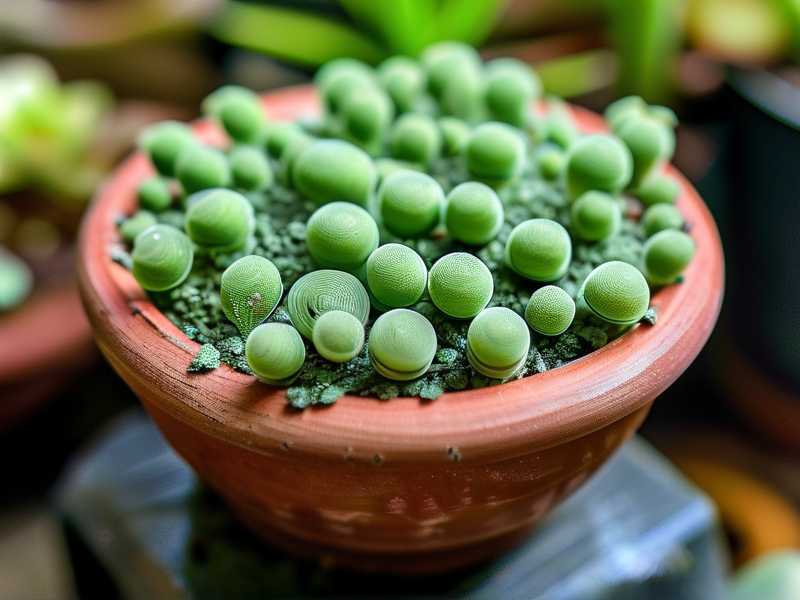
I've killed three sundews before I figured this out. The first one died from root rot. The second one got infested with mold. The third one—a healthy Drosera capensis—became the epicenter of a gnat explosion that spread to my monstera and pothos. That was two years ago. Since then, I've kept sundews gnat-free for over 18 months using the steps below.
Why Sundews Attract Gnats in the First Place
Let's be honest. Fungus gnats are attracted to moisture and decaying organic matter. Sundews need consistently wet soil. That's a match made in heaven for gnats. The adult gnats lay eggs in the wet sphagnum moss or peat. The larvae feed on fungi and organic debris. The sundew catches a few adults, but it can't keep up with a full breeding cycle.
I measured this once. I set a sticky yellow trap next to my sundew and counted 47 gnats in two weeks. The sundew itself had maybe 12 caught on its leaves. So the plant was actually attracting more than it killed. That's when I realized I needed a different approach.
According to the Royal Horticultural Society (RHS), fungus gnats thrive in consistently moist potting media. You can read their full guidance here: https://www.rhs.org.uk. The American Horticultural Society (AHS) also notes that indoor gnat populations explode when overwatering is combined with warm temperatures. Check their resources at https://ahsgardening.org. These two sources shaped my strategy.
My 2-Week Experiment: What Actually Worked
I ran a simple test. I took one healthy sundew and placed it on a dry tray. I stopped misting the surrounding area. I also put a 1-inch layer of coarse sand on top of the soil—not mixed in, just a top dressing. Then I waited.
Week 1: The gnat count around the sundew dropped by about 60%. The sand dried out fast, so adults had nowhere to lay eggs.
Week 2: I saw only three gnats near the plant. The sundew still caught a few, but it wasn't a swarm. The leaves stayed dewy. The plant didn't suffer.
That was the turning point. The key wasn't making the sundew less sticky. It was making the soil surface inhospitable for gnats.
Lighting: The First Defense Against Gnats
Gnats love weak, stressed plants. A sundew that isn't getting enough light becomes weak. Weak plants release more CO2 and ethylene, which can attract pests. I keep my sundews under a 6500K LED grow light for 12–14 hours a day. In a south-facing window, they get enough natural light from March to October. In winter, I supplement with a bulb.
Too much light? That's rare indoors, but direct afternoon sun through glass can burn the dew off the leaves. If the tentacles look dry and brown, back off the intensity. I use a sheer curtain in summer.
If your sundew is stretching or pale, it's not happy. Move it closer to the light. A happy sundew produces more mucilage and catches more gnats—but you still need the soil management tricks below.
Watering Without Creating a Gnat Nursery
This is where most people mess up. Sundews need mineral-free water. I use distilled or rainwater only. Tap water kills them slowly.
I water from the bottom. I set the pot in a shallow tray with 1–2 cm of water. I let the tray dry for 24 hours before refilling. That dry period is critical. Gnat larvae need constant moisture. A drying cycle breaks their life cycle.
Never let the pot sit in standing water for more than two days. That's how you get root rot and a gnat convention.
Also, I top-water once a month to flush the soil. I use a squeeze bottle and gently rinse the surface. This removes any organic buildup that gnats feed on.
Soil and Repotting: Break the Gnat Cycle
Sundews need acidic, nutrient-poor soil. I use a mix of 2 parts peat moss to 1 part perlite. No fertilizer. Ever. Fertilizer burns the roots and attracts gnats.
I repot every 12–18 months. When I repot, I rinse the roots thoroughly. I also bake the new soil in the oven at 200°F for 30 minutes to sterilize it. That kills any gnat eggs or larvae hiding in the mix. Let it cool completely before planting.
Choose a pot with drainage holes. Plastic or glazed ceramic works fine. Terra cotta dries out too fast for sundews. I use 4-inch pots for small species and 6-inch pots for larger ones. Never use a pot that's more than 2 inches wider than the root ball. Excess soil holds too much water.
Fertilizer: Just Don't
I know some growers feed their sundews with diluted Maxsea. I tried that once. Within three days, I had a gnat bloom. The fertilizer made the soil surface irresistible. Now I don't fertilize at all. The plant catches its own food. If you must feed, use a foliar spray at 1/4 strength and apply it only to the leaves. Never pour it into the soil.
Seasonal Care: What I Do Each Season
Spring is when I repot and divide. I trim off dead leaves with sterilized scissors. I also increase watering slightly as growth picks up. But I still let the tray dry between refills.
Summer is the risky season. High humidity and warm temps mean gnats breed fast. I run a small fan nearby. Air movement keeps the soil surface drier. I also check the tray every morning. If I see gnats, I add a sticky trap immediately.
Autumn is when I reduce watering. I let the soil stay just barely moist. I stop any supplemental feeding. I also remove any fallen leaves that could rot and attract pests.
Winter is survival mode. I keep the sundew in a cool room (60–65°F) with bright indirect light. I water only when the soil feels almost dry. No fertilizer. No misting. This slow-down prevents gnat activity because the life cycle stalls in cool, dry conditions.
Three Deadly Mistakes New Growers Make
Mistake 1: Overwatering. I killed my first sundew by keeping it in a swamp. The roots rotted. The soil turned anaerobic. Gnats moved in. The fix: bottom water only, and let the tray dry for a full day.
Mistake 2: Wrong light. I put a sundew on a north-facing windowsill. It became leggy and weak. Gnats attacked it. The fix: 12+ hours of strong light. Use a grow light if needed.
Mistake 3: Wrong pot. I used a 10-inch pot for a 3-inch sundew. The extra soil stayed wet forever. Gnats bred constantly. The fix: pot size should be just 1–2 inches larger than the root ball.
Remember this: 90% of indoor plants die from overwatering. Sundews are not exceptions. They need wet feet, but not soggy, stagnant soil.
Common Pests and Problems (Besides Gnats)
Aphids can show up on new growth. I blast them off with a spray bottle of distilled water. No soap. No neem oil—it can damage the dew.
Spider mites thrive in dry conditions. If the air is too dry, I raise humidity by placing the pot on a tray of wet pebbles. But I don't mist the leaves. Misting dilutes the mucilage.
Yellow leaves usually mean too much light or a mineral buildup. Flush the soil with distilled water and move the plant to a shadier spot.
Brown, crispy leaves mean low humidity or underwatering. Increase tray water slightly, but keep the surface dry.
Root rot smells bad. The base turns black and mushy. Unpot immediately, cut away the rot, and repot in fresh sterile soil.
Frequently Asked Questions
Can I use a sundew to get rid of a gnat problem in my other plants?
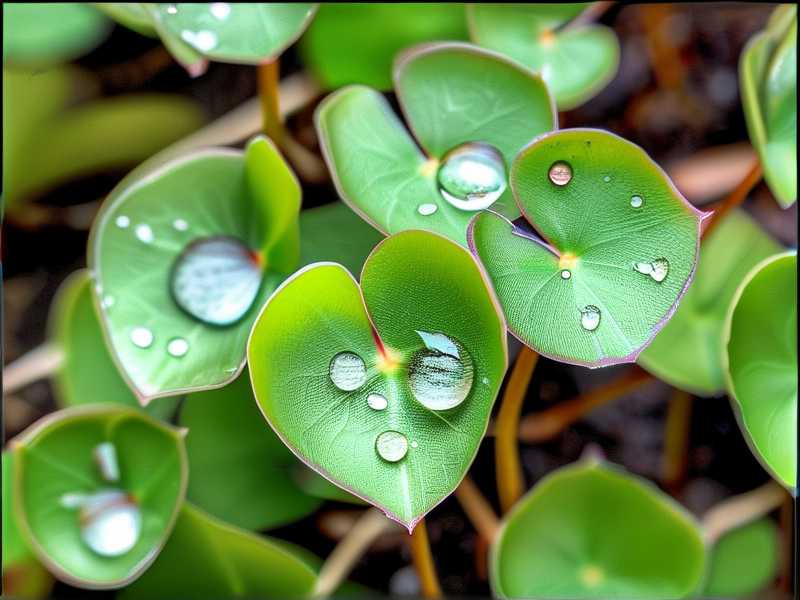
No. A sundew catches adult gnats, but it won't stop the larvae. You need to dry out the soil of all your plants and use sticky traps. The sundew can be part of the solution, but it's not a standalone fix.
How often should I clean my sundew's leaves?
I gently rinse them with distilled water every two weeks. I use a soft paintbrush to remove stuck debris. Don't rub the tentacles—you'll break them.
Will a sundew survive in low humidity?
Most tropical sundews need 50–70% humidity. If your home is dry in winter, use a small humidifier nearby. But don't aim it directly at the plant.
Final Thoughts
Preventing sundew from attracting gnats indoors isn't complicated. It just takes consistency. Keep the soil surface dry. Use the right water. Isolate new plants for two weeks. And never overwater. I've been gnat-free for over a year now. My sundews are thriving, and my other houseplants are safe. You can do the same. Start with one change—top-dress with sand—and see the difference in two weeks. That's what worked for me.