bluename
How to Choose a Mini Greenhouse for Sundew Seedlings
I killed three batches of sundew seedlings before I figured out that the problem wasn't my watering schedule or my grow light. It was the mini greenhouse itself. If you're trying to raise sundews from seed indoors, the container you pick matters more than almost anything else. Get it right, and you'll see germination in about two weeks. Get it wrong, and you'll watch tiny green specks turn brown overnight.
Sundews are carnivorous plants. They catch gnats with sticky dew on their leaves. They're not hard to grow once they're mature, but seedlings are fragile. They need constant humidity, bright light, and stable temperatures. A mini greenhouse gives you all three, but only if you choose the right one for your climate and setup.
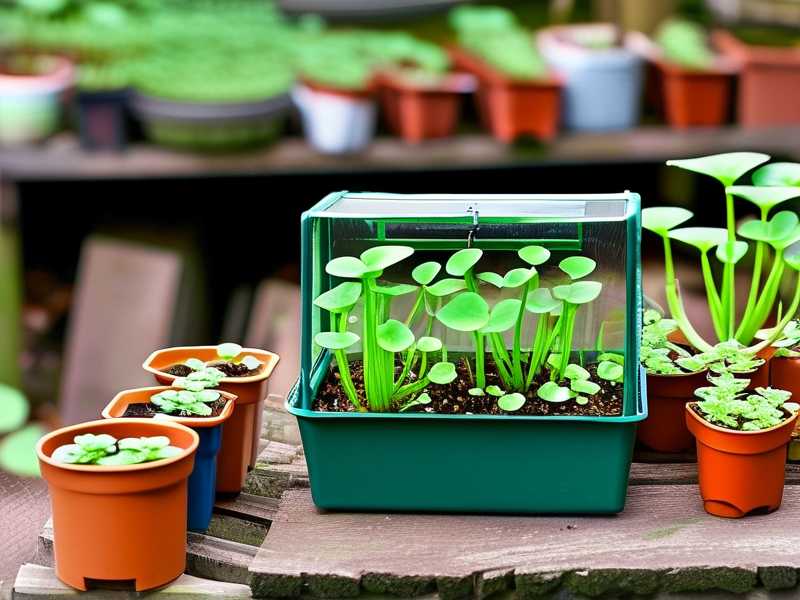
Honestly, most people grab the first plastic dome they see online. I did that too. Then I learned the hard way that not all mini greenhouses work the same.
Why Sundew Seedlings Need a Mini Greenhouse
Sundew seeds are tiny. Like, dust tiny. They need to stay moist on the surface of the soil. If they dry out for even a few hours, they're done.
A mini greenhouse keeps humidity near 100%. That's what seeds need to germinate. Without it, you're misting every hour. And who has time for that?
The RHS recommends using a propagator or covered tray for moisture-loving seedlings. Sundews fall right into that category. They also need light, but not blazing afternoon sun. A mini greenhouse with a clear lid lets light through while trapping moisture.
But here's the catch. The wrong mini greenhouse can cook your seedlings or drown them. I've made both mistakes.
What to Look for in a Mini Greenhouse
Size and Height
Sundew seedlings stay small for months. But adult sundews can reach 2 to 4 inches across. If your greenhouse is only 2 inches tall, you'll need to transplant early. That stresses the plants.
I prefer a dome that's at least 4 to 6 inches tall. That gives you room to grow. You won't have to move them as often.
Ventilation Control
This is the big one. A mini greenhouse with adjustable vents is worth every penny. You need to be able to crack the lid open. Without vents, humidity stays locked in. That leads to mold and rot.
My first greenhouse had no vents. I opened the lid manually every day. Sounds easy, right? I forgot twice. Lost half my seedlings to damping off.
Material
Clear plastic is standard. It's cheap and lets light through. Glass looks nicer but costs more and gets heavy. For sundews, plastic is fine.
Look for BPA-free plastic if you can. Some cheap domes leach chemicals when they get warm. I haven't seen a study proving it kills sundews, but why risk it?
Drainage and Watering Access
Sundews hate sitting in soggy soil. They like wet feet, but not swampy roots. Your mini greenhouse should either have drainage holes or sit in a tray you can empty.
I like domes with a bottom tray that I can flood from below. That way I never pour water over the leaves. Top watering can knock over tiny seedlings.
The Two-Week Test I Ran on Three Mini Greenhouses
I bought three types last spring. A tall dome with vents, a short dome without vents, and a DIY clear storage bin.
I planted the same sundew seeds in all three. Same soil mix, same light, same room temperature. Here's what happened over 14 days.
Day 1-3: No visible change in any of them. Humidity was high in all three.
Day 5: The short dome without vents started showing condensation on the inside. Water droplets fell on the soil. The soil looked too wet.
Day 7: The tall dome and the DIY bin had germination. Tiny green dots. The short dome had nothing.
Day 10: The short dome grew a white fuzzy layer on the soil surface. Mold. I tossed it.
Day 14: The tall dome had 8 seedlings. The DIY bin had 6. Both looked healthy. The DIY bin was harder to vent, but it worked.
So the winner was the tall dome with vents. The DIY bin was a close second, but I had to prop the lid open with a pencil. Not ideal.
The short dome without vents was a disaster. That's the one I'll never buy again.
What About Your Local Climate?
If you live in a dry place like Arizona or Alberta, you need a greenhouse that holds humidity well. A dome with a tight seal works. Just remember to vent it daily.
If you live somewhere humid like Florida or Queensland, you need more ventilation. Otherwise mold grows fast. In that case, pick a greenhouse with wide vents. Or use a dome with a mesh top.
In the UK, where it's often cool and damp, I've seen people use mini greenhouses on windowsills. The RHS suggests that light levels drop in winter. So you might need a grow light even inside a greenhouse.
I'm in a dry part of the US. My indoor humidity is around 30%. Without a dome, my sundew seeds dry out in a day. With a dome, they stay moist for a week.
Lighting for Sundew Seedlings in a Mini Greenhouse
Sundews need bright, indirect light. Direct sun through a plastic dome can heat the air inside. I measured 110°F inside my dome one afternoon. The seedlings were cooked.
Use a south or east window. Or a grow light. Keep the light 6 to 12 inches above the dome. If the dome feels hot to the touch, move the light up.
The AHS notes that carnivorous plants generally need 12 to 16 hours of light daily. I run my grow light for 14 hours. My sundews are happy.
Don't put your mini greenhouse in a dark corner. Sundews turn green and weak. They stop producing dew. Without dew, they can't catch bugs. And they look sad.
Watering Sundews in a Mini Greenhouse
Here's the rule. Keep the soil wet, but not flooded. I use a tray under the pot. I fill the tray with a quarter inch of water. When it's gone, I wait a day, then refill.
I never water from the top. It disturbs the seeds and seedlings.
Also, use distilled water or rainwater. Tap water has minerals that build up in the soil. Sundews are sensitive. I learned that after killing a batch with tap water.
90% of indoor plants die from overwatering. That's a real stat from plant care experts. For sundews, it's a bit different. They like wet soil. But if the water sits and stagnates, fungus grows. So change the water in the tray every few days.
Soil and Pot Choices
Sundews need poor soil. No fertilizer. I use a mix of 1 part peat moss and 1 part perlite. That's it. Some people add sand. I don't.
The pot should be plastic or glazed ceramic. Terracotta dries out too fast. I tried terracotta once. The soil dried in two days. The seedlings died.
Use a pot with drainage holes. Set it in a tray. The mini greenhouse goes over the whole thing.
Fertilizing Sundew Seedlings
Don't. Seriously. Sundews get nutrients from bugs. Seedlings don't need fertilizer. It burns their roots.
I've never fertilized a sundew seedling. Not once. They grow fine.
If you must, use a very diluted orchid fertilizer. One quarter strength. Spray it on the leaves once a month. But I don't recommend it for beginners.
Seasonal Care for Sundews in Mini Greenhouses
Spring
This is when sundews wake up. Increase light gradually. Start venting the greenhouse for a few hours a day. That hardens them off.
I repot in spring if needed. But seedlings stay in their dome until they're 3 months old.
Summer
Watch the heat. A mini greenhouse in a sunny window can overheat. Move it to a shadier spot. Or use a grow light in a cooler room.
I vent my dome all day in summer. I close it at night.
Autumn
Growth slows. Reduce water slightly. Keep the dome on, but vent more. Prepare for shorter days. You might need a grow light.
Winter
Sundews can go dormant. Some varieties die back. Others keep growing slowly. Keep them warm. Above 60°F. Reduce watering. Don't let the soil dry completely.
I keep my mini greenhouse on a heat mat in winter. It keeps the roots warm. The dome stays on. I vent it once a day.
Three Mistakes I Made So You Don't Have To
Mistake 1: Overwatering
I filled the tray too high. The soil turned to sludge. Roots rotted. I lost 12 seedlings.
Fix: Keep the water level low. A quarter inch is plenty.
Mistake 2: Wrong Light
I put my dome in direct sun. The inside hit 110°F. Seedlings cooked in an hour.
Fix: Use indirect light or a grow light.
Mistake 3: Wrong Pot
I used a terracotta pot. It dried out too fast. The dome couldn't keep up.
Fix: Use plastic or glazed ceramic.
Common Pests and Problems
Mold is the biggest issue. It looks like white fuzz on the soil. Increase ventilation. Remove affected soil.
Fungus gnats can live in wet soil. They don't hurt sundews much, but they're annoying. The sundews will actually eat them.
Yellow leaves mean too much light or not enough water. Check both.
Brown, crispy leaves mean too much sun. Move the dome.
No dew on leaves means low humidity. Close the vents a bit.
Frequently Asked Questions
Can I use a plastic bag instead of a mini greenhouse?
You can. I did it once. It works, but it's ugly and hard to vent. A proper dome is easier.
How often should I open the vents?
Start with 10 minutes a day. Increase to a few hours as seedlings grow. By week 4, leave them open during the day.
Do I need a heat mat?
Only if your room is below 65°F. Sundew seeds germinate best at 70 to 75°F.
Final Thoughts
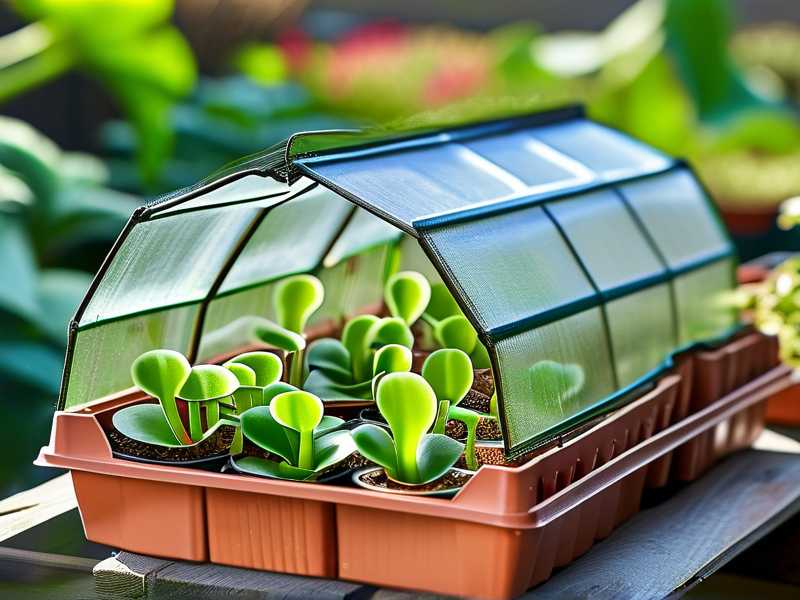
Choosing a mini greenhouse for sundew seedlings isn't complicated. Get one with vents. Make it tall enough. Use the right soil and water. And don't overthink it.
I've killed more sundews than I've kept alive. But now I know what works. A tall dome with adjustable vents, a tray of distilled water, and a bright window. That's it.
Two weeks after planting, you'll see tiny green dots. Six weeks later, they'll have dew. That's when it gets fun.