bluename
 How to Prevent Sundew From Getting Fungal Leaf Spots
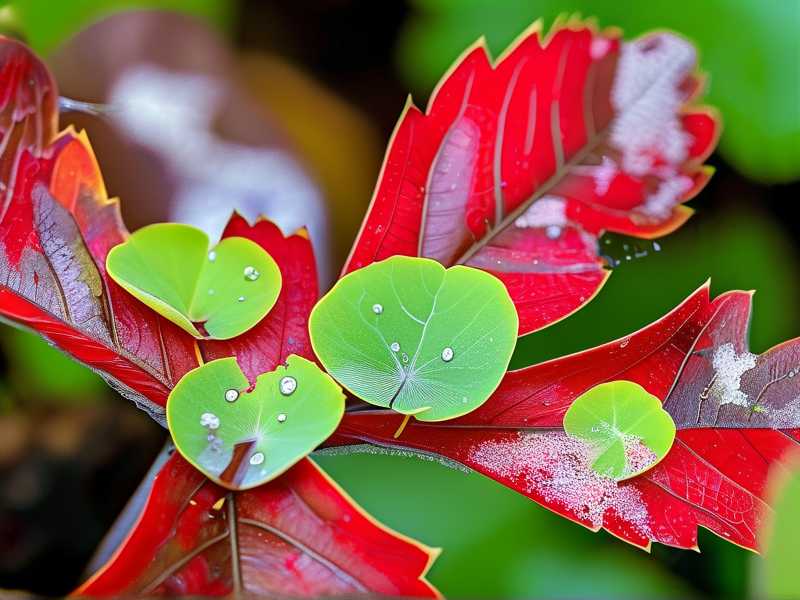
If your sundew has suddenly developed brown or black spots on its leaves, you are not alone. Fungal leaf spots on sundew usually come from one main cause: too much moisture sitting on the leaves for too long, combined with poor airflow. The fix is simpler than most people think. In the next two weeks, you can stop the spread and get your plant back on track by adjusting how you water, where you place it, and what you grow it in.
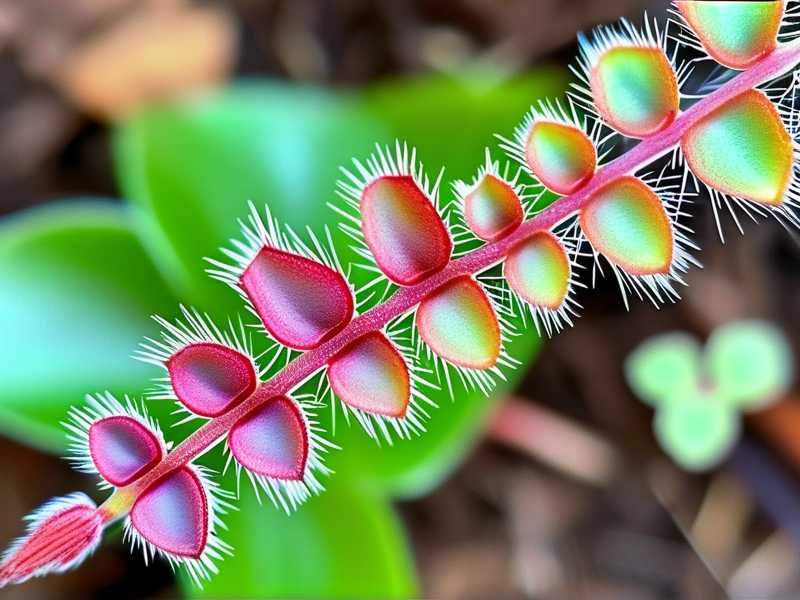
I have killed more sundews than I care to admit. The first one I ever bought, a little Drosera capensis, turned into a slimy mess within ten days. I had it sitting in a tray of water, in a closed terrarium, under a weak desk lamp. Every mistake I could make, I made. After losing that plant and two more, I finally figured out what actually works.
What Causes Fungal Leaf Spots on Sundew
Sundews are bog plants. They love wet feet. But there is a big difference between wet roots and wet leaves.
Fungal spores need three things to take hold: moisture, warmth, and poor air circulation. When water sits on sundew leaves for hours, especially overnight, those spores get exactly what they need. The result is small dark spots that spread fast.
The Royal Horticultural Society points out that most fungal leaf spot issues in carnivorous plants come from overhead watering and crowded growing conditions. I learned this the hard way. If you want to prevent fungal leaf spots on sundew, you have to break the moisture cycle.
The Three Biggest Mistakes New Growers Make
I have made all of these. Every single one. So if you are doing any of them right now, do not feel bad. Just fix it.
Mistake 1: Overwatering
This is the number one killer. And it is not just sundews. 90% of indoor plants die from overwatering. That statistic shocked me when I first heard it, but after years of growing, I believe it.
With sundews, the problem is not the water itself. It is how you deliver it. If you are pouring water over the top of the plant, splashing the leaves every time, you are basically inviting fungus to move in.
What I do now: I bottom-water all my sundews. I fill a tray with about half an inch of distilled water or rainwater. The pot sits in the tray. The soil pulls water up through the drainage holes. The leaves stay dry. Since I switched to this method, I have not had a single case of fungal leaf spots on my sundews.
AHS recommends using distilled water or rainwater for carnivorous plants because tap water minerals can stress them and make them more vulnerable to disease. That tip alone saved my collection.
Mistake 2: Wrong Lighting
Sundews need a lot of light. Not just "a bright window" light. They need strong, direct light for at least six hours a day.
When sundews do not get enough light, they get weak. Weak leaves are thin, pale, and much more susceptible to fungal infections. I tried growing a Drosera aliciae on a north-facing windowsill once. Within two weeks, the leaves were pale and limp. Then the spots showed up.
What I do now: I use a full-spectrum LED grow light placed about six to eight inches above the plant. I run it for twelve to fourteen hours a day. My sundews are red, dewy, and healthy. No spots.
If you are using natural light, a south-facing window in the Northern Hemisphere works well. In Australia, a north-facing window does the trick.
Mistake 3: Using the Wrong Pot
This one took me way too long to figure out. I used to grow sundews in plastic pots with no drainage holes, thinking "they are bog plants, they want to be wet." That logic sounds fine until you realize that without drainage, water stagnates. Stagnant water breeds bacteria and fungus.
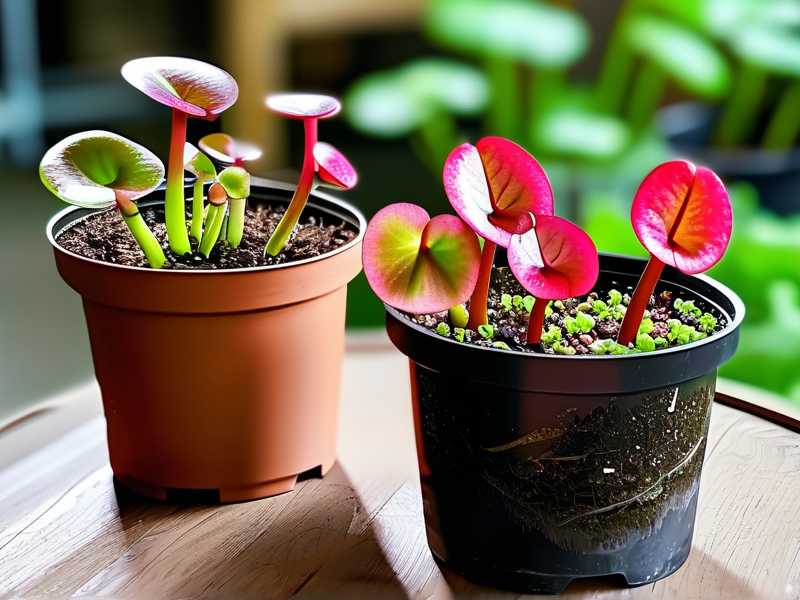
Now I use pots with drainage holes. Always. Terracotta can work, but it dries out too fast for most sundews. I prefer glazed ceramic or plastic pots with plenty of drainage holes at the bottom. The pot sits in a water tray, and the soil stays consistently moist without being waterlogged.
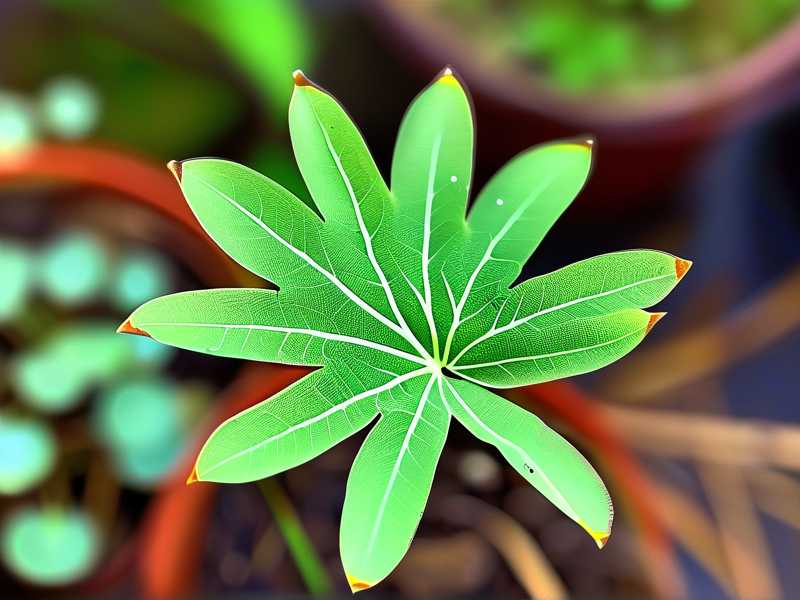
Also, pot size matters. A pot that is too large holds too much water around the roots. I learned this after I put a tiny Drosera spatulata in a six-inch pot. The soil stayed soggy for weeks. The plant got root rot, then leaf spots, then died. I now match the pot size to the root ball, just slightly bigger.
My Two-Week Recovery Plan for Sundew With Fungal Leaf Spots
When I noticed spots on one of my Drosera binata last spring, I panicked. But I followed a simple plan, and within two weeks, the new growth was clean.
Here is exactly what I did:
Day 1-2: I removed all affected leaves with sterilized scissors. I wiped the blades with rubbing alcohol between each cut. I also isolated the plant from my others.
Day 3-5: I stopped all overhead watering. Switched to bottom-watering only. I also increased airflow by placing a small clip-on fan nearby on the lowest setting. Not blowing directly on the plant, just moving air around it.
Day 6-10: I applied a fungicide. I used a copper-based fungicide safe for carnivorous plants. I sprayed it lightly on the remaining leaves once, then again five days later. I kept the plant out of direct light for 24 hours after each spray to avoid leaf burn.
Day 11-14: I watched for new growth. By day twelve, I could see fresh dewy leaves emerging with no spots. By day fourteen, the plant was clearly recovering. I slowly reintroduced it to its normal spot with my other sundews.
The key was consistency. I did not skip a day. I did not go back to old habits.
How to Prevent Fungal Leaf Spots Going Forward
Prevention is honestly easier than treatment. Once you set up the right conditions, fungal leaf spots on sundew become a rare problem.
Here is my maintenance routine:
- Always bottom-water. Never pour water over the leaves.
- Keep the soil moist but never soggy. If you squeeze a handful of soil and water drips out, it is too wet.
- Provide strong light. At least six hours of direct sun or twelve hours under a grow light.
- Ensure airflow. A small fan or an open window nearby makes a huge difference.
- Remove dead leaves promptly. Dead plant material is a fungus magnet.
- Use clean water. Distilled or rainwater only. No tap water.
- Do not crowd your plants. Give each sundew its own space so air can move between them.
I also sterilize my scissors before every pruning session. It takes ten seconds, but it prevents so many problems. I learned that after I spread a fungal infection from one plant to three others just by using the same unwashed scissors.
What About Humidity
This is a tricky one. Sundews like humidity, but high humidity plus still air equals fungal problems.
I used to keep my sundews in a closed terrarium because I read they need high humidity. That terrarium became a fungus factory. The air never moved. The leaves stayed wet. Within a week, spots appeared on every plant.
Now I grow my sundews in the open air of my home. My indoor humidity sits around 40-50%. They do perfectly fine. The key is that the air moves. A little breeze from a ceiling fan or an open window is enough.
If you live in a very dry climate, you can use a humidity tray. Just place the pot on a tray of pebbles with water. As the water evaporates, it raises humidity around the plant without wetting the leaves.
When to Use Fungicide
I do not use fungicide as a preventative. I only use it when I actually see spots. Overusing fungicide can harm beneficial microorganisms in the soil and may even make fungi more resistant over time.
That said, if you catch spots early and the plant is valuable to you, a copper-based fungicide is a solid choice. Just make sure it is labeled safe for carnivorous plants. I always test on one leaf first before spraying the whole plant.
Neem oil is another option some growers use. I tried it once. It worked, but it left a residue on the leaves that reduced their dew production for about a week. The plant recovered fine, but I prefer copper fungicide for sundews.
Frequently Asked Questions
Can fungal leaf spots on sundew spread to other plants?
Yes, they absolutely can. Fungal spores travel through air and water splash. If you have one infected sundew, isolate it immediately. I learned this the hard way when I lost three plants in one week because I did not separate the sick one fast enough.
Should I cut off all the leaves with spots?
Only the affected leaves. If a leaf has one tiny spot, you can try treating it and monitoring. But if the spot is spreading or the leaf is more than 30% covered, just cut it off. The plant will grow new leaves. Do not be afraid to prune.
How long does it take for a sundew to recover from fungal leaf spots?
With proper treatment, you will usually see new healthy growth within two to three weeks. The old damaged leaves will not heal, but as long as the new growth is clean, the plant is recovering. Be patient. Do not fertilize or repot while it is healing. That adds stress.
A Final Word
Fungal leaf spots on sundew are frustrating, but they are not a death sentence. The fix comes down to three things: keep the leaves dry, give the plant strong light, and make sure the air moves.
I wish I had known all of this before I lost my first three sundews. But honestly, those failures taught me more than any success ever did. Now my sundews thrive, and I have not seen a fungal spot in over a year.
If you are dealing with this right now, take a breath. Remove the affected leaves. Fix your watering. Add a fan. You will get through this, and your sundew will come back stronger.