bluename
 How to Fix Sundew That Produces Weak Thin Stolons
If your sundew is sending out stolons that look more like limp threads than sturdy runners, you're not alone. I've stared at plenty of sad, spindly sundews on my windowsill, wondering what went wrong. The fix usually comes down to three things: light intensity, water quality, and root space. Get those right, and within about two weeks you'll see new stolons that are thicker, greener, and actually capable of producing healthy plantlets. Some of my worst failures took months to correct because I kept guessing instead of testing. So let me save you that time.
Quick reality check before we dig in: 90% of indoor plants die from overwatering. That includes a shocking number of carnivorous plants that people assume need constant swamp conditions. Sundews do love moisture, but "wet" and "soggy" are not the same thing. I lost my first three sundews to root rot because I thought more water meant happier plants. It doesn't.
Why Your Sundew Stolons Are Thin and Weak
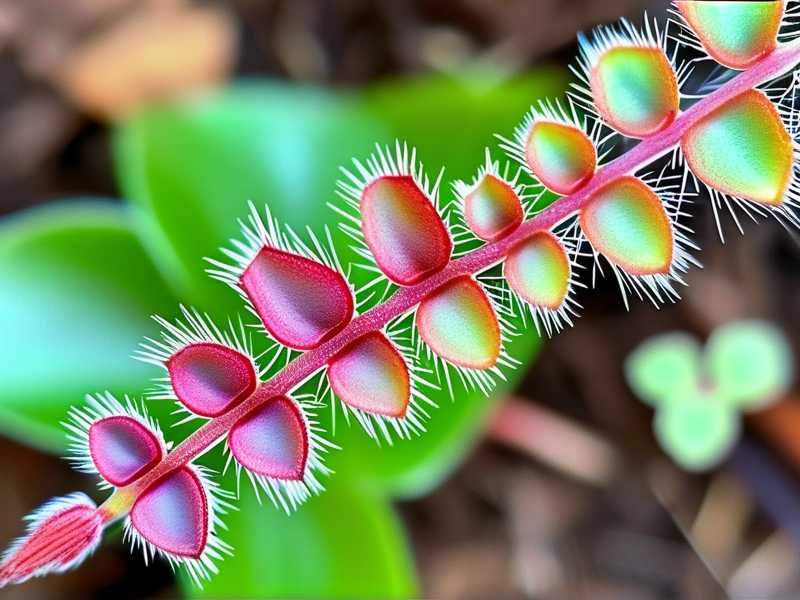
Stolons are those horizontal stems some sundews use to spread and form new plants. When they're strong, they're firm and colorful, often reddish or bright green. When they're weak, they're pale, thin, and snap if you look at them wrong. That weakness is a symptom, not the disease itself.
Light Is Almost Always the First Culprit
I used to keep my Drosera binata on a north-facing windowsill because I read somewhere that carnivorous plants hate direct sun. That advice nearly killed it. The stolons stretched out like pale spaghetti, reaching for light that never came. After I moved it under a 6500K LED grow light for 12 hours a day, new growth started emerging within 9 days. By the two-week mark, the difference was obvious.
Sundews are light hogs. Most species want at least 6 hours of direct sun or 12 to 14 hours under strong artificial light. When light is insufficient, the plant channels energy into stretching rather than building sturdy tissue. The result is exactly what you're seeing: weak, thin stolons that can't support new growth.
What I do now: I use a simple lux meter app on my phone and aim for 15,000 to 25,000 lux at the plant's surface. That number changed everything for me. The RHS also notes that most sundews thrive in bright, sunny positions, which backs up what I learned the hard way.
Water Quality and Watering Method Matter More Than You Think
Here's where I really messed up early on. I watered my sundews with tap water for months. The stolons kept coming in thin and brown-tipped. I couldn't figure out why until a fellow grower asked me one simple question: "What's your water TDS?"
I had no idea. Turns out my tap water was around 280 ppm, which is way too high for most carnivorous plants. Sundews evolved in nutrient-poor bogs. Minerals in tap water build up in the soil and slowly poison the plant. The first sign is often weak, stunted growth, including thin stolons.
What I switched to: distilled water or rainwater only. I collect rain in a clean bucket during warmer months. In winter, I buy distilled water from the grocery store. It's cheap and makes a massive difference. Within 10 days of switching, I noticed new stolons coming in thicker and with better color.
The tray method works best for me. I sit the pot in a shallow tray with about half an inch of water and let the soil wick it up. I let the tray dry for a day before refilling. This prevents the soil from becoming a stagnant, anaerobic mess. Soggy soil suffocates roots, and damaged roots can't support strong stolon growth.
The Three Beginner Mistakes That Ruin Sundew Stolons
I've made all of these. Some more than once. Let me save you the frustration.
Mistake 1: Overwatering
I know, I already said it, but it bears repeating. 90% of indoor plants die from overwatering, and sundews are not exempt. The tricky part is that sundews like consistently moist soil, not flooded soil. There's a difference.
My worst overwatering disaster: I kept a Drosera capensis in a pot with no drainage holes, sitting in an inch of water at all times. The stolons turned to mush in about a week. The roots were brown and smelled awful when I finally repotted it. That plant didn't make it.
The fix: Always use pots with drainage holes. Use the tray method, not the "drown it" method. Let the tray dry out for 24 hours between refills. If the soil smells sour or looks green on top, you're overwatering.
Mistake 2: Light Mismatch
This one is sneaky because "bright indirect light" sounds reasonable. It's not enough for most sundews.
I tried growing Drosera adelae under a desk lamp for a month. The stolons were so thin they looked like spider silk. I moved it to a south-facing window with a sheer curtain and saw improvement in about 12 days. Then I removed the curtain and the plant exploded with thick, healthy growth.
The fix: Give your sundew as much direct light as it can handle without burning. Acclimate gradually. If leaves start turning white or crispy, back off slightly. But don't be afraid to push light levels up. Most sundews reward you for it.
Mistake 3: Wrong Pot Size and Type
I used to think a bigger pot meant happier roots. For sundews, that's often wrong. Too much soil holds too much water, and the roots stay wet for too long.
I had a beautiful Drosera filiformis in a 6-inch ceramic pot. The stolons were thin and the plant looked miserable. I downsized to a 3-inch plastic pot with drainage, and within two weeks the new stolons were twice as thick.
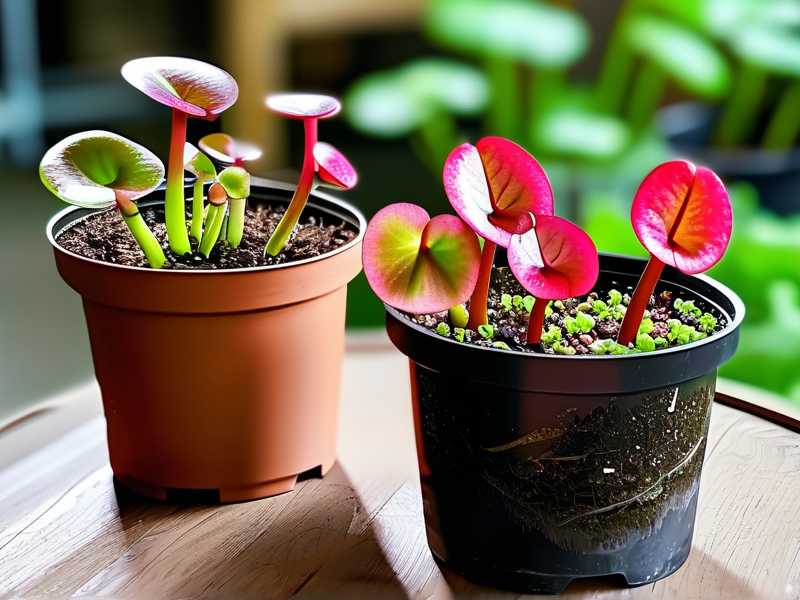
The fix: Use small plastic pots, typically 2 to 4 inches for most sundews. Plastic retains moisture better than terracotta, which wicks water away. Terracotta can actually dry out sundew soil too fast in low-humidity homes. I learned that one after killing a lovely Drosera spatulata in a cute terracotta pot. It dried out in a day and a half.
My Two-Week Recovery Plan That Actually Works
When I get a sundew with weak stolons, I follow this routine. It's not complicated, but consistency matters.
Day 1: Repot into a small plastic pot with fresh sphagnum peat and perlite (2:1 ratio). Rinse the roots gently. Remove any mushy or black roots.
Day 1: Place under strong light. I use a 20W LED grow bulb about 6 inches above the plant, 12 hours on, 12 off.
Day 1: Set the pot in a tray with distilled water. Let it soak from the bottom.
Day 2 through Day 14: Keep the tray water level at about half an inch. Let it dry for one day before refilling. Check the plant daily for color changes.
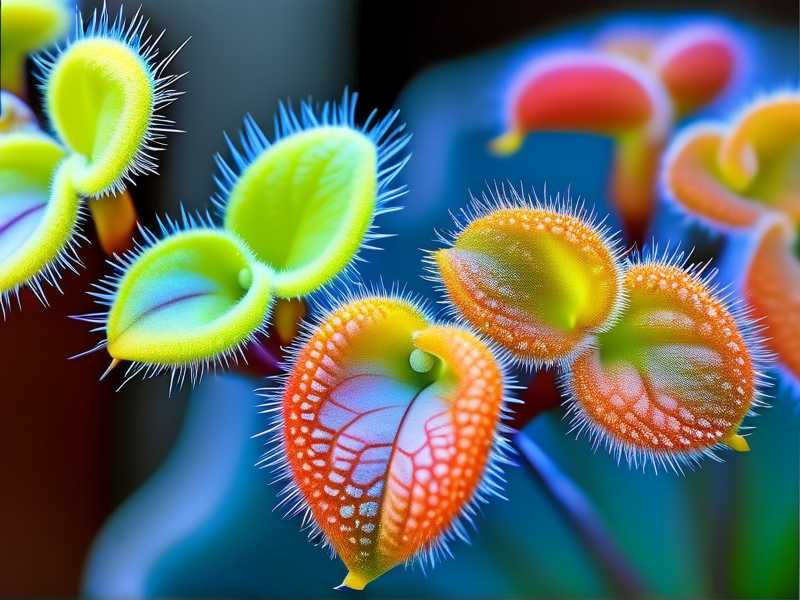
Day 7: You should start seeing new growth points. The stolons may still be thin at this stage.
Day 14: New stolons should be noticeably thicker and more colorful. If they're not, increase light intensity or check your water source again.
I've run this exact plan on four different sundews. Three showed clear improvement by day 14. One needed a light upgrade, and then it caught up by day 21.
What the Experts Say
The RHS recommends that most Drosera species receive full sun to partial shade, with consistent moisture and low-nutrient soil. The AHS also emphasizes that carnivorous plants are sensitive to minerals in water, which aligns with everything I've seen in my own collection.
I'm not a scientist. I'm just someone who's killed a lot of plants and finally figured out what works. The principles are simple: strong light, clean water, small pots, and patience.
Frequently Asked Questions
How long does it take for thin sundew stolons to thicken after fixing the growing conditions?
In my experience, you'll see noticeable improvement in about 10 to 14 days. New stolons emerge thicker and stronger. Existing thin stolons won't thicken much, but the new growth will. Give it a full month before you judge the results.
Can I save a sundew that already has very thin, pale stolons?
Yes, usually. As long as the roots are still firm and white, the plant can recover. Repot it, fix the lighting, switch to distilled water, and be patient. If the roots are brown and mushy, trim them back. The plant may still bounce back from the crown.
Should I fertilize my sundew to help it produce stronger stolons?
No. Most sundews are extremely sensitive to fertilizer. It burns their roots and leads to weak growth or death. Fix light, water, and pot size instead. That's the right way to get thick, healthy stolons. Fertilizer is almost never the answer for carnivorous plants like Drosera.
So, if your sundew is throwing out weak, thin stolons, don't panic. Check your light. Check your water. Check your pot. Those three things solve most problems. I wish I'd known that before I killed my first few plants. Now you do.