bluename
 How to Prevent Sundew from Getting Leggy: A Grower’s Practical Guide
I love my sundews. Their glistening, dew-tipped tentacles are a daily marvel. But for a long time, I struggled with one frustrating, common issue: leggy growth. Instead of forming tight, colorful rosettes close to the soil, my plants would stretch out, becoming thin, weak, and losing that iconic sticky sparkle. If you’re here, you likely know that sinking feeling. A leggy sundew isn’t just less attractive; it’s a sign its basic needs aren’t being met. After much trial, error, and a dedicated two-week experiment, I’ve cracked the code on how to prevent sundew from getting leggy. Let me walk you through the exact, actionable steps that transformed my plants.
Understanding Why Your Sundew Gets Leggy
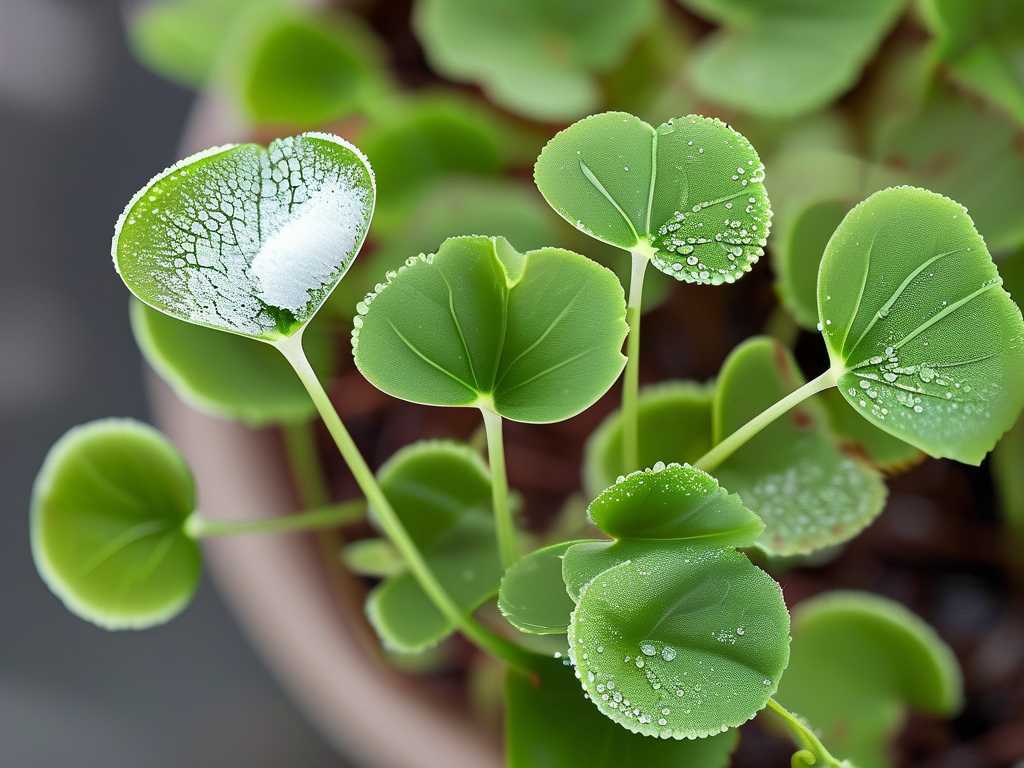
Before we fix it, we must understand it. Legginess, or etiolation, is a plant’s desperate reach for survival resources. For sundews, it’s almost always a response to one or two key deficiencies.
The primary culprit is insufficient light intensity. Sundews are sun worshippers. When light is too dim or too far away, they elongate their stems and leaves in a futile attempt to get closer to the light source. The second major factor is light duration. Even a bright light for only a few hours isn’t enough.
I learned this the hard way. My Drosera capensis on a north-facing windowsill became a long, sparse vine. It was getting bright indirect light, but not the direct, intense rays it craved. As the International Carnivorous Plant Society (ICPS) notes, most common sundew species require “very bright light” to thrive and maintain compact form. My setup was failing this fundamental test.
My Two-Week Rescue Plan: A Step-by-Step Log
I selected my most leggy specimen, a Drosera natalensis, and committed to a 14-day corrective course. Here was my plan.
Week 1: The Light Revolution
My first step was addressing the light source for healthy sundew growth. I moved the plant from its mediocre windowsill to a dedicated grow shelf.
- The Setup: I used a full-spectrum LED grow light, positioning it 6-8 inches above the plant’s crown. I set a timer for 14 hours of light per day. This provided both the intensity and duration needed.
- The Immediate Change (Days 1-3): Honestly, nothing visible happened. This is crucial to note – patience is key. I resisted the urge to move the light closer or change anything.
- The First Signs (Days 4-7): By day four, I noticed the new, tiny leaves emerging from the center were slightly redder. This was a fantastic sign! Red pigmentation (from anthocyanins) is a sundew’s natural sunscreen and a direct indicator of sufficient light. The leggy old leaves wouldn’t change, but the new growth was already adapting.
Week 2: Supporting the Recovery
With light optimized, I focused on supporting factors. A stressed plant needs perfect care elsewhere.
- Watering Discipline: I ensured the plant was sitting in 0.5-1 inch of distilled water at all times. No drying out, no tap water. Consistent moisture reduces overall stress.
- Feeding for Strength: I gently fed a few of the new, sticky leaves with a dried bloodworm powder (a tip from experienced growers on the Carnivorous Plant Resource forum). This provided direct energy for recovery instead of relying solely on light.
- The Transformation (Days 8-14): The new growth was now undeniable. A tight, red, compact rosette was forming centrally. The contrast between the old, long leaves and the new, dense growth was stark. The plant had stopped investing in length and started investing in density. My preventing etiolation in sundew plants experiment was working!
The Pitfalls I Encountered (And How You Can Avoid Them)
My journey wasn’t flawless. Here’s where I stumbled.
- The “Too Close, Too Fast” Burn: In an earlier attempt, I blasted a different plant with a light placed 4 inches away. Within two days, the leaves bleached and scorched. Solution: Start with the manufacturer’s recommended distance (usually 6-12 inches for LEDs) and observe. Sundews will tell you if it’s too much (bleaching) or too little (continued stretching).
- Neglecting the Water Tray: During the experiment, I let the water tray dry out once. The newer leaves showed slightly less dew production within 24 hours. Solution: Make checking the water tray part of your daily routine. Consistency is everything.
- Expecting Old Growth to Fix Itself: I was tempted to cut off all the long leaves immediately. This would have severely stressed the plant. Solution: Only prune the oldest, most deteriorated leaves. Let the plant redirect energy naturally. The old leggy leaves will eventually die back as the new compact center takes over.
Long-Term Maintenance for a Compact, Healthy Sundew
Preventing legginess is an ongoing commitment. Here’s my maintenance routine.
- Light Monitoring: I regularly check light output. LEDs can degrade over years. I also wipe dust off the bulbs and leaves every few weeks to ensure maximum photon absorption.
- Seasonal Adjustments: In winter, when natural daylight wanes, I increase my artificial photoperiod to 16 hours to compensate. This maintains compact sundew care year-round.
- The Right Soil Mix: I use a standard 50:50 mix of peat moss and perlite with no fertilizers. Poor media can cause stress that exacerbates other issues. The Australasian Carnivorous Plant Society (ACPS) emphasizes the absolute necessity of low-nutrient, water-retentive mixes for healthy root function.
Expert Insights: Why These Methods Work
My experience aligns with expert consensus. Research into plant photomorphogenesis shows that specific light spectra and intensities trigger hormones that suppress internode elongation (the technical term for “legginess”). By providing high-intensity, full-spectrum light, we satisfy the plant’s genetic programming for full sun, halting the stretch response.
Furthermore, horticulturists from the Royal Horticultural Society (RHS) advise that for “carnivorous plants like sundews,” the combination of “strong light, pure water, and appropriate feeding” is the cornerstone of health. My two-week plan directly implemented this trifecta.
Your Questions, Answered
Can I save a severely leggy sundew, or should I just start over? Absolutely save it! Sundews are remarkably resilient. Follow the light correction steps. Once several new, healthy compact leaves have formed, you can propagate the plant by cutting off the healthy top part of the leggy stem and re-rooting it in fresh media, giving you a brand-new, compact plant.
Is a south-facing window enough, or do I need a grow light? A sunny, unobstructed south-facing window (in the Northern Hemisphere) can be sufficient for some hardy species like D. capensis. However, for consistent, year-round results and for more light-demanding species, a dedicated grow light is far more reliable. It eliminates variables like cloudy days, seasonal changes, and window screen filtering.
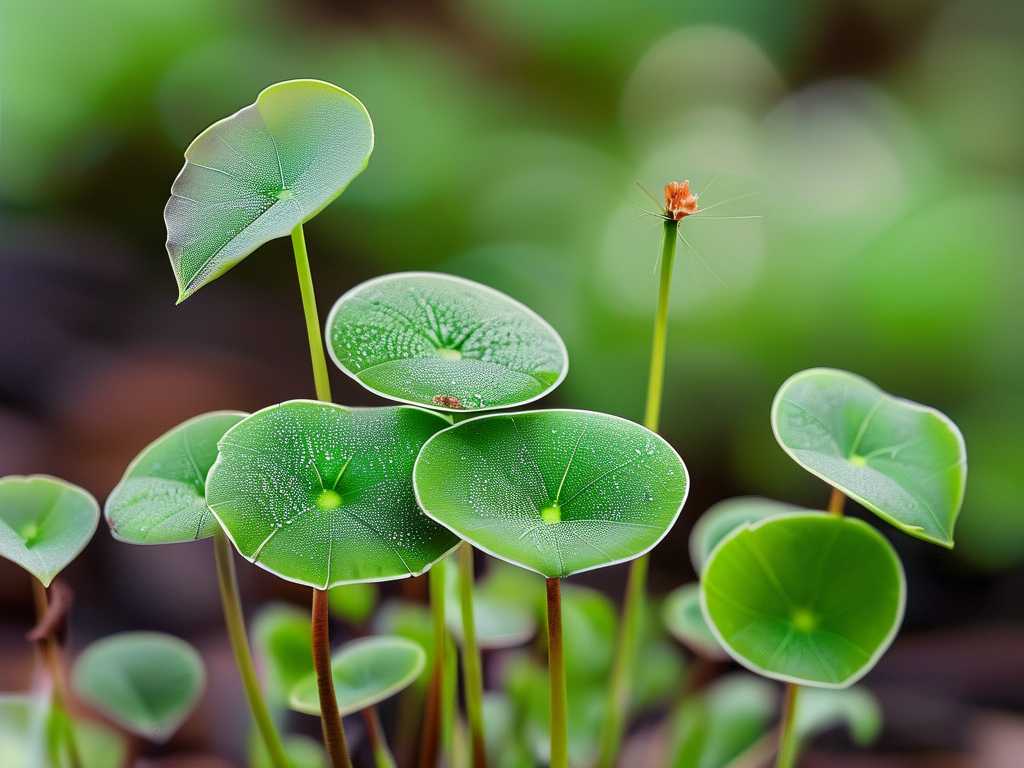
How do I know if my sundew is getting too much light? Watch for leaf bleaching (turning white or pale yellow) or crispy, brown scorch marks, especially on the parts closest to the light. If you see this, increase the distance between the light and the plant by 2-3 inches. Ideal light produces vibrant red or orange pigmentation and abundant, large dewdrops.
Leggy sundews are a cry for help, not a death sentence. The solution hinges on understanding their primal need for intense, long-duration light and providing unwavering support through pure water and a stress-free environment. My two-week journey proved that with immediate and consistent action, you can stop stretching in its tracks and guide your plant back to producing the gorgeous, sticky rosettes we all cherish. The transformation from sparse to spectacular is not just possible—it’s incredibly rewarding.