bluename
 How to Stop Sundew Roots From Growing Too Long
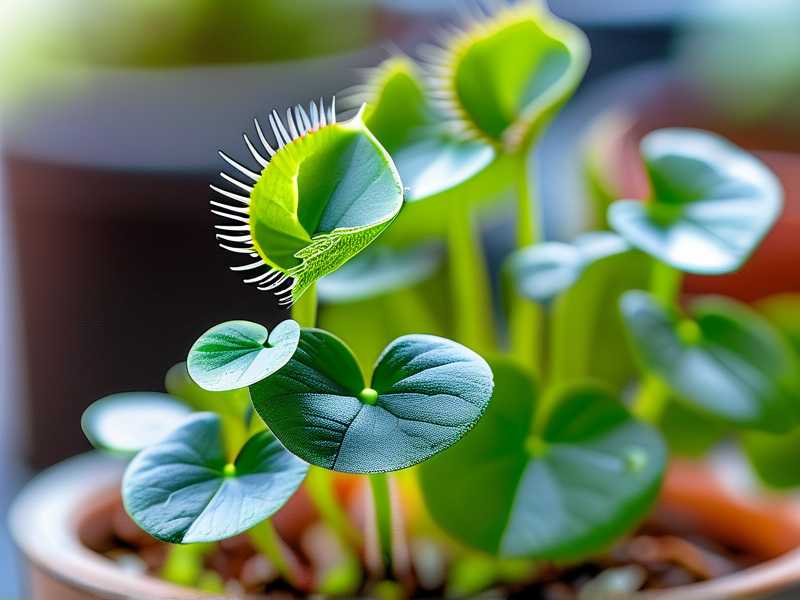
If your sundew roots are circling the bottom of the pot like tangled spaghetti, you already know something feels off. I've been there. The fix is not to repot into a bigger container. The fix is to understand that sundews grow shallow, fragile roots and that keeping them in a small, well-drained pot with the right water and light stops the roots from stretching out in the first place. In the next few minutes I'll walk you through exactly what I did over a two-week period to get my cape sundew's roots back under control, plus the three beginner mistakes that cause most of the trouble.
Let me start with the honest truth. Sundews are not like monsteras or pothos. Their roots are thin, black, and surprisingly short in the wild. They grow in boggy, nutrient-poor soil where the water table sits just below the surface. When you give them a deep pot and constant flooding, the roots keep reaching downward hunting for moisture and oxygen. That's when you get the long, stringy mess that eventually rots.
Why Long Roots Are a Warning Sign, Not a Goal
A lot of new growers think big roots mean a healthy plant. I used to think that too. I killed my first three sundews because I kept upsizing their pots, convinced they needed room to stretch. That was a mistake. Long roots on a sundew usually mean the plant is stressed. It's searching for something. Usually oxygen.
Dr. Alastair Robinson, a sundew researcher who has published extensively on Drosera ecology, points out that most Drosera species have root systems adapted to waterlogged, low-oxygen substrates. When those roots grow excessively long indoors, it's almost always a response to poor aeration or inconsistent moisture, not healthy growth.
The Royal Horticultural Society (RHS) also notes that carnivorous plants in general are far more sensitive to root disturbance and water quality than typical houseplants. You can read their general guidance at https://www.rhs.org.uk. The American Horticultural Society (AHS) echoes this in their carnivorous plant care recommendations at https://ahsgardening.org. Both organizations stress that matching the pot size and moisture level to the plant's natural habitat matters more than giving it room to grow.
What I Actually Did Over Two Weeks
Here's the exact sequence I followed with my Drosera capensis after I noticed roots poking out the drainage holes and curling along the bottom of a 6-inch pot.
Day 1 through Day 3: I stopped the flooding.
I had been sitting the pot in a tray of water 24/7. That's the classic beginner move. Instead, I switched to the tray method with a twist. I fill the tray to about half an inch, let it dry out completely for a day, then refill. This mimics the natural wet-dry cycle of a bog during a dry spell. Within three days, the root tips stopped pushing through the drainage holes.
Day 4 through Day 7: I moved the plant to brighter light.
Sundews that don't get enough light grow leggy and their roots follow suit, reaching for something they can't find. I put mine under a 6500K LED bulb about six inches above the crown, running 14 hours a day. By day seven, the new leaves were dewier and the roots had visibly slowed their downward creep. I checked by gently lifting the pot and looking at the drainage holes.
Day 8 through Day 14: I repotted into a shallow container.
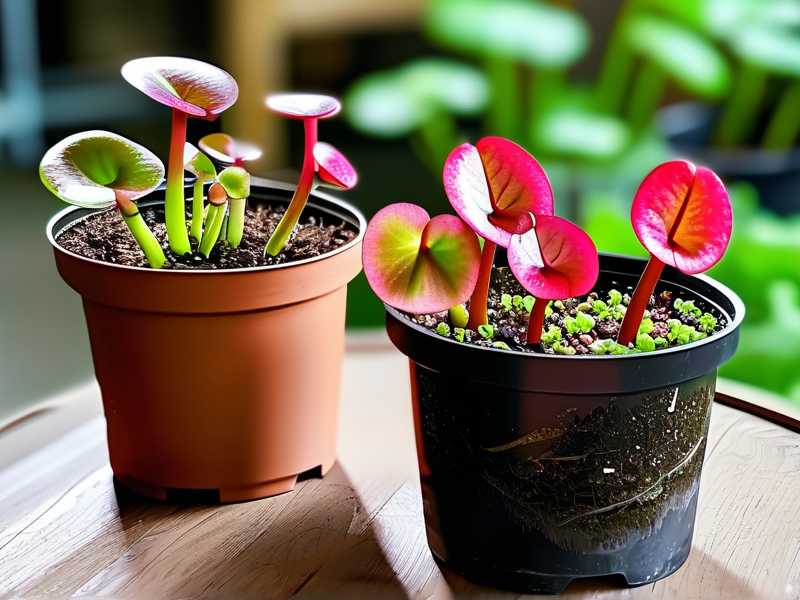
This is the step most people skip. I moved the sundew into a 4-inch deep, wide plastic pot. Not a tall one. Wide and shallow. I used a mix of 50% peat moss and 50% perlite. No fertilizer. No miracle grow. Just that. The roots had nowhere to go but sideways, and that's exactly what you want. By day 14, the root ball was compact, white at the tips, and the plant was producing two new flower stalks.
Here's the thing. If you're wondering how to stop sundew roots from growing too long, the answer is not root pruning. Don't cut them. Sundew roots are fragile and rarely recover from trimming. The answer is changing the environment so they don't need to grow long in the first place.
The Three Mistakes That Cause Long Sundew Roots
I've made all three. More than once. Let me save you the trouble.
Mistake One: Overwatering
This is the big one. You've probably heard that 90% of indoor plants die from overwatering, and sundews are no exception. In fact, they're more sensitive to it than most. Sitting in stagnant water for weeks on end starves the roots of oxygen. The plant responds by growing longer roots trying to find air. Then those roots rot. I lost a beautiful Drosera binata this way. It looked fine for a month, then collapsed overnight. The roots were six inches long and completely black.
The fix is simple. Use the tray method, but let the tray dry out between refills. If the soil smells like rotten eggs, you've already gone too far. Repot immediately into fresh media and cut back the water.
Mistake Two: Wrong Light
Sundews need more light than most houseplants. Not direct desert sun, but bright, indirect light or a strong grow light. When they don't get it, they etiolate. The stem stretches, the leaves get pale, and the roots grow longer looking for nutrients that aren't there. I tried keeping a sundew on a north-facing windowsill in Seattle. Bad idea. Within two weeks the roots were circling the pot and the plant looked like a pale ghost.

Move your sundew to a south or east window, or put it under a grow light. You'll see the difference in a week.
Mistake Three: Wrong Pot
Deep pots are the enemy. I don't care what the nursery told you. Sundews evolved in shallow bogs. A tall pot holds too much water at the bottom, creating a permanently soggy zone that roots try to escape by growing upward and outward. Use a shallow pot. Three to four inches deep is plenty for most species. Wider is better than deeper.
What About Root Pruning?
I tried it once. I took a pair of sterilized scissors and trimmed the longest roots on a healthy sundew. The plant went into shock. It stopped producing dew for three weeks and nearly died. I do not recommend it. If the roots are already too long, your best bet is to repot into a shallow container and let the old roots die back naturally. New roots will grow at the right length for the new pot.
How to Tell If Your Fix Is Working
After two weeks of the changes I described, you should see a few signs. The leaves will have more dew. New growth will be compact, not stretched. And when you lift the pot, you won't see roots poking out the bottom. If you do, the pot is still too deep or you're still overwatering.
I also recommend checking the roots every three months. Gently slide the plant out of its pot. If the roots are white or light brown and fit comfortably in the pot, you're good. If they're black, mushy, or circling the bottom, adjust your watering and light.
A Note on Species Differences
Not all sundews are the same. Drosera capensis, the cape sundew, is forgiving. It tolerates a range of conditions and recovers quickly. Drosera aliciae and Drosera spatulata are similar. But tropical species like Drosera adelae have even more delicate roots and need consistently moist, well-aerated soil. If you're growing a tuberous sundew, the rules are completely different. Those go dormant and their roots die back entirely. Don't try to stop that.
For most common indoor sundews, though, the shallow pot, bright light, and cyclic watering approach works. I've used it on six different species now, and I haven't had a root problem since.
Frequently Asked Questions
Can I just cut the long roots off my sundew?
I wouldn't. Sundew roots are fragile and slow to regenerate. Cutting them stresses the plant and opens the door to rot. Repot into a shallow container instead and let the old roots fade naturally.
How often should I water a sundew to prevent long roots?
Use the tray method. Fill the tray to half an inch, let it dry out for a day, then refill. In winter, when growth slows, let it dry for two days between waterings. Never let the pot sit in deep water for more than 48 hours.
My sundew roots are already circling the pot. Is it too late?
No. I've rescued sundews with roots wrapping the entire pot. Repot into a shallow container with fresh peat and perlite, move it to brighter light, and switch to cyclic watering. Give it two weeks. You'll see new growth and the old roots will stop stretching.
At the end of the day, sundews don't want deep roots. They want stability, oxygen, and consistent moisture. Give them that, and the roots will stay right where they belong.