bluename
 How to Choose a Suitable Pruning Time for Sundew
If you're staring at your sundew right now wondering whether it's safe to snip off those browning leaves, here's the short answer: the best time to prune most sundews is during their active growing season, usually late spring through early summer. I made the mistake of pruning my first sundew in the middle of winter, and it sulked for almost a month. That single lesson taught me more than any care guide ever could. So let me walk you through how to choose a suitable pruning time for sundew, based on what I've actually learned from killing a few plants and then finally getting it right.
Why Pruning Time Matters More Than You Think
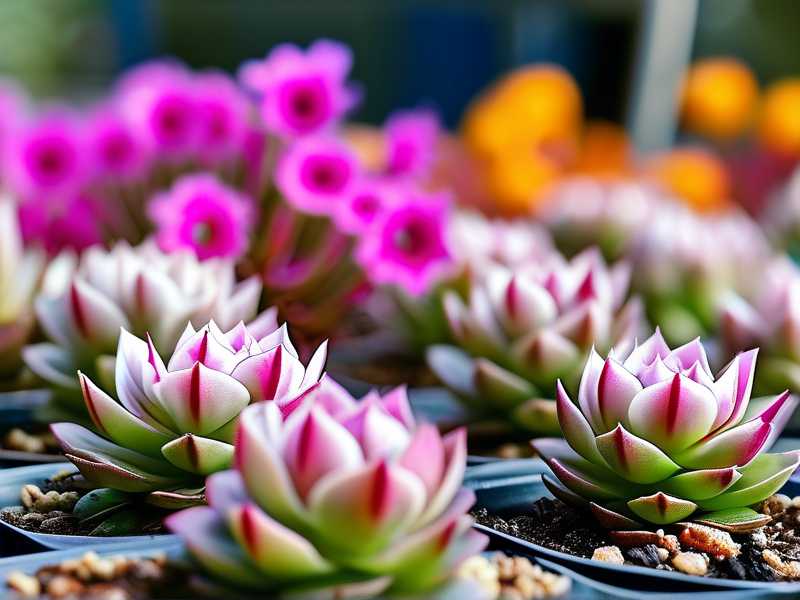
Sundews aren't like your average houseplant. They're carnivorous. They spend energy catching bugs, digesting them, and growing new sticky tentacles. If you prune when the plant is dormant or stressed, you're basically stealing energy it doesn't have to spare.
I used to think pruning was just about tidiness. Then I watched a healthy Drosera capensis go from dewy and vibrant to dull and limp after I trimmed it in November. That was my first big clue.
The plant didn't die, but it lost its spark for weeks. New growth stalled. The remaining leaves looked sad. That's when I started paying attention to timing instead of just grabbing scissors whenever a leaf turned brown.
Understanding Your Sundew's Growth Cycle
Most sundews follow a seasonal rhythm, even indoors. Here in the Northern Hemisphere, they tend to push out the most growth from late spring to midsummer. That's when daylight lengthens and their internal clock says "go."
In winter, many species slow down. Some tropical sundews, like Drosera adelae, keep growing year-round if conditions stay warm and bright. But temperate species often die back to a resting bud.
I keep a simple calendar note now. I jot down when each sundew starts producing new leaves in spring. That date becomes my green light for any serious pruning.
If you're not sure what type you have, watch the plant for two weeks before cutting anything. You'll notice whether it's actively growing or just sitting there.
The Best Windows for Pruning Sundews
Late spring is my go-to. That's when I see fresh tentacles unfurling and color returning to the leaves. I usually wait until I've counted at least three new leaves opening. That tells me the plant has energy to recover.
Early summer works too, especially if you missed the spring window. Just avoid the hottest, driest days. I tried pruning in a July heatwave once, and the cut ends dried out too fast. The plant survived, but it wasn't pretty.
Early autumn is a maybe. If you live somewhere with mild winters and your sundew stays active, a light tidy-up is fine. But don't do a heavy prune. I learned that the hard way with a Drosera binata that I chopped back in October. It came back weakly the next spring.
Winter is a no for most species. Unless you're dealing with a tropical sundew under strong grow lights, just leave it alone. The plant isn't in the mood to heal.
What to Actually Prune (and What to Leave Alone)
First, the easy part. Dead leaves are fair game anytime. If a leaf is fully brown, crispy, and has no dew, you can snip it. That's not really pruning. That's just cleanup. I do this whenever I see it, regardless of season.
The tricky part is live tissue. Green leaves with dew? Leave them. Even if they look a little ragged, they're still catching bugs and feeding the plant.
Flower stalks are another thing. Many growers cut them off to redirect energy into leaf growth. I do this in spring if I'm not trying to collect seeds. But I only cut the stalk, not the leaves. And I wait until the stalk is fully formed, not just a tiny bud.
I also remove any black, mushy sections near the crown. That's usually a sign of rot. But I sterilize my scissors with rubbing alcohol first. I skipped that step once and introduced some kind of fungus. Not fun.
The Three Deadly Mistakes New Growers Make
I've made all three of these. More than once. So don't feel bad if you're doing them too.
Mistake 1: Overwatering
Here's the truth: 90% of indoor plants die from overwatering. Sundews are no exception. They like moist soil, but they don't want to swim.
I used to keep my pots sitting in water all the time. The soil turned sour. The roots rotted. The plant collapsed. Now I use the tray method but let the tray dry out for a day or two between refills.
If your sundew looks limp after pruning, check the soil first. If it's soggy, that's your problem. Not the scissors.
Mistake 2: Light Mismatch
Sundews need bright light. Most need direct sun for at least four to six hours. If you prune and then stick the plant in a dim corner, it won't recover.
I tried keeping a Drosera aliciae on a north-facing windowsill. It grew, but it was pale and weak. When I pruned it, the new growth was tiny and dewless. I moved it under a grow light, and within two weeks, the tentacles were sparkly again. That two-week observation period is now my standard test for any change I make.
The RHS notes that light intensity directly affects carnivorous plant vigor. They're not wrong.
Mistake 3: Wrong Pot
Sundews have delicate roots. Terracotta dries out too fast. Glazed ceramic can hold too much moisture if there's no drainage. I lost a beautiful Drosera spatulata because I planted it in a cute but unglazed pot that sucked all the water away from the soil.
Now I use plastic pots with plenty of drainage holes. They're not fancy, but they work. And I always repot in early spring, never right after pruning.
How I Prune My Sundews Step by Step
Here's my actual routine. It's not complicated, but the timing matters.
Step 1: Wait for active growth. I look for new leaves with visible dew. That's my signal.
Step 2: Sterilize my tools. Rubbing alcohol on small scissors. I let them air dry.
Step 3: Start with dead leaves. I gently pull or snip them at the base. If they resist, I leave them.
Step 4: Trim flower stalks if needed. I cut near the base, but not into the crown.
Step 5: Stop. I don't do a major haircut. I take off maybe 20% of the plant at most.
Step 6: Observe for two weeks. I note new growth, dew production, and color. If nothing happens, I check water and light before panicking.
I tried a heavier prune once on a healthy Drosera capensis. It survived, but it took almost a month to look normal again. Light touch is better.
Season-by-Season Cheat Sheet
Spring: Best time. Prune dead leaves, flower stalks, and any damaged tissue. Repot if needed.
Summer: Okay for light cleanup. Avoid extreme heat. Keep water tray consistent.
Autumn: Light cleanup only. No heavy cuts. Prepare for slower growth.
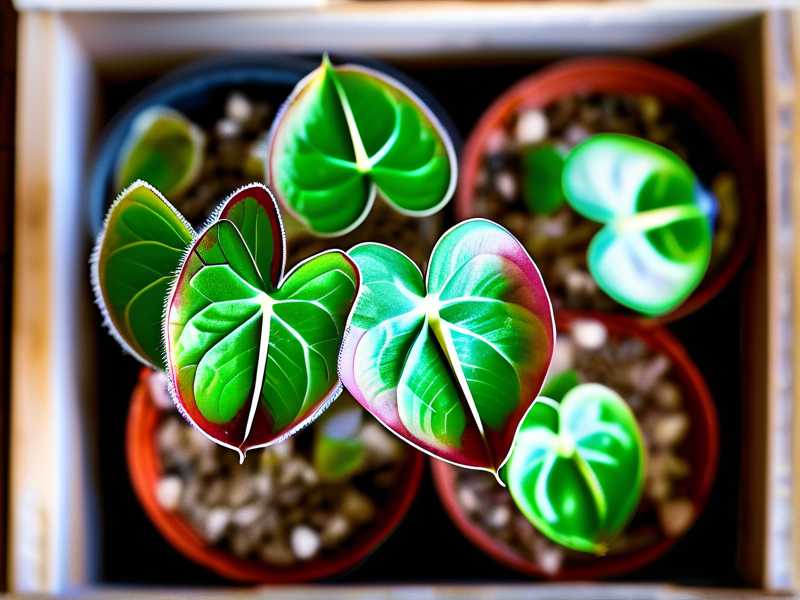
Winter: Hands off. Just remove fully dead leaves. Let the plant rest.
The AHS suggests that pruning timing should align with a plant's natural growth flushes. For sundews, that flush is spring.
What I Wish I'd Known Earlier
I killed my first sundew by pruning it in December. I killed my second by overwatering after a spring trim. The third one survived because I finally waited for new growth before cutting.
接触久了就发现, sundews are more forgiving than people think. But they don't forgive bad timing. If you prune when they're weak, they just fade.
I also learned that "suitable pruning time" isn't a single date. It's a window. And that window shifts depending on your climate, your light setup, and the species you're growing.
For most home growers in the US, Canada, the UK, and Australia, late spring is the safest bet. In Australia, that's October to November. In the Northern Hemisphere, it's May to June.
If you're ever unsure, wait. The plant won't suffer from an extra week of untouched leaves. It will suffer if you cut too early.
Frequently Asked Questions
Can I prune my sundew when it's flowering?
I wouldn't. Flowering takes energy. Pruning at the same time doubles the stress. Wait until the flowers fade, or cut the stalk before it opens if you're not collecting seeds.
What if my sundew has brown leaves in winter?
You can remove fully dead, crispy leaves anytime. Just don't cut into green tissue. I do this with tweezers to avoid disturbing the crown.
How soon will I see new growth after pruning?
With good light and proper water, I usually see new tentacles within 10 to 14 days. If nothing happens after two weeks, check your soil moisture and light intensity. Something else is off.
Final Thoughts
Choosing a suitable pruning time for sundew comes down to one rule: prune when the plant is growing, not when it's resting. For most of us, that's late spring through early summer. Keep your scissors clean. Don't overwater after pruning. And give it bright light.
I still make mistakes. But I've stopped losing plants to bad timing. And honestly, that's the win. If you're new to sundews, start with a cheap, hardy species like Drosera capensis. Practice on that one. Learn its rhythm. Then you'll know exactly when to snip.