bluename
 How to Care for Sundew in a Vivarium with Reptiles: A Plant Lover’s Practical Guide
I love the idea of a living, breathing ecosystem. The thought of combining the captivating, insect-trapping beauty of sundews (Drosera) with the fascinating behavior of reptiles in a single, harmonious vivarium was a dream project for me. But I’ll be honest—when I first considered it, I was hit with a wave of anxiety. How do you balance the high humidity and constant moisture a carnivorous plant needs with the drier basking areas essential for many reptiles? Will fertilizers or substrate additives harm my pet? Can they even coexist, or is this a disaster waiting to happen? If you’re wrestling with these same questions, you’re not alone. The intersection of carnivorous plant care and reptile husbandry is filled with potential pitfalls. After extensive research, trial, and a particularly enlightening two-week observation period in my own setup, I’m here to guide you through the process, mistakes and all.
Understanding the Core Challenge: Creating a Microclimate
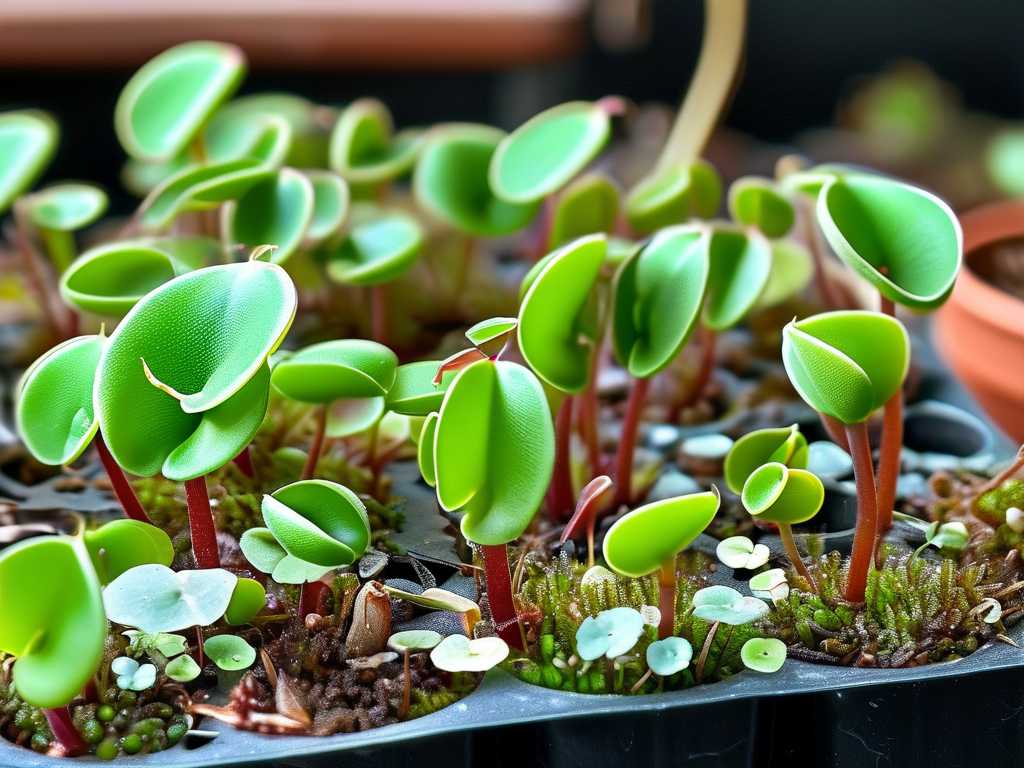
The fundamental conflict in a reptile and sundew vivarium is environmental needs. Most popular sundew species (like Drosera capensis or Drosera spatulata) thrive in consistently moist, nutrient-poor soil, high humidity (often 70%+), and bright, direct light. Many popular reptiles, such as crested geckos, dart frogs, or some small day geckos, appreciate high humidity but not necessarily perpetually waterlogged substrate. Bearded dragons or leopard geckos, which require arid zones, are generally poor candidates. The key isn’t to force one environment on all inhabitants, but to craft a vivarium with a humid microclimate for sundew plants within the larger enclosure.
My Step-by-Step Setup Process
I decided to pair a group of hardy Drosera capensis ‘Albino’ with a single crested gecko (Correlophus ciliatus) in a vertically-oriented 18x18x24 inch glass terrarium. Here’s exactly what I did.
Choosing the Right Foundation: Substrate and Drainage This is where I made my first major mistake. Initially, I used a standard tropical reptile substrate mix over a thin layer of gravel, thinking it would drain well. I planted my sundews directly into it. Within days, the sundews started to look miserable. Their roots are incredibly sensitive to minerals and nutrients. Standard soils, coco coir with additives, or fertilized moss can burn their roots and kill them.
- The Fix: I completely overhauled the substrate. I created a raised section using a false bottom of clay LECA balls for a water reservoir. On one side of the vivarium, I built a dedicated sundew planting zone using a 3-inch deep layer of pure, long-fiber sphagnum moss topped with a 50/50 mix of peat moss and perlite. This area was physically separated from the general walking area with cork bark pieces. This mix retains moisture perfectly but is inert and nutrient-free. On the other side, I used a more typical tropical mix for the gecko’s comfort.
Water is Everything: The Hydration Protocol You cannot use tap water. The dissolved salts and minerals will slowly accumulate and kill your sundews. I use distilled water or reverse osmosis water exclusively for the sundew section.
- My Method: I keep the sundew substrate constantly damp, not flooded. I use a small, dedicated spray bottle to water only that zone daily, ensuring water never pools for the gecko. The false bottom’s reservoir, filled with distilled water, creates a steady evaporative humidity boost for the entire tank. A hygrometer confirms the ambient humidity stays between 70-80%, perfect for both the gecko and the sundews.
Lighting: Fueling Both Plant and Animal Sundews need intense light to produce their sticky, dew-covered mucilage. Standard reptile heat lamps often don’t provide the full spectrum or intensity. I installed a dual-lighting system: a low-wattage heat bulb on one side for the gecko’s thermoregulation and a full-spectrum, high-output LED grow light positioned directly over the sundew zone. The LED provides the necessary Photosynthetically Active Radiation (PAR) without excessive heat. The crested gecko, being nocturnal, doesn’t mind the bright plant light during the day.
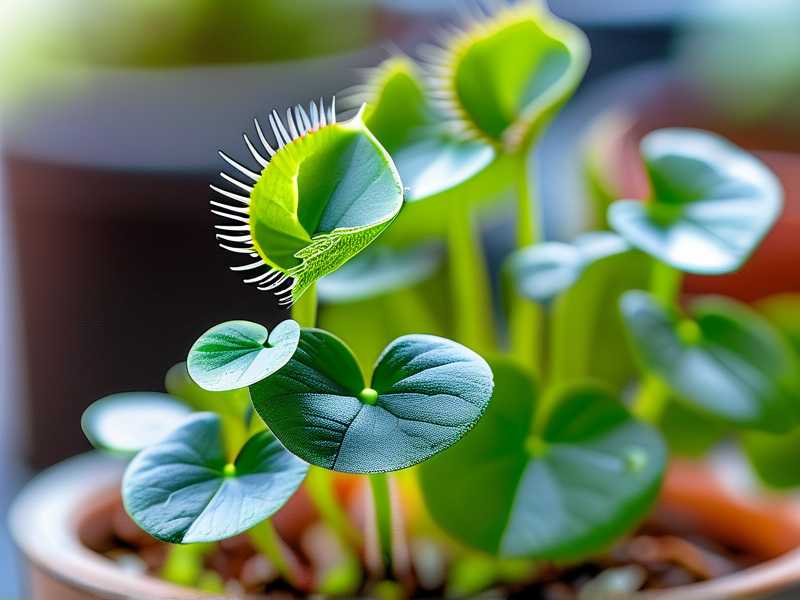
The Two-Week Observation: Success and a Scare The first week was about adjustment. The sundews, initially stressed from the transplant, perked up. Their dewdrops returned, glistening under the LED light. The gecko explored but largely ignored the plants. Feeding was interesting—I continued to feed the gecko its Repashy diet, but I noticed tiny fungus gnats from the bioactive substrate were being caught by the sundews! A perfect, natural pest control.
- The “Pitfall” I Hit: In the second week, I noticed one sundew’s leaves were turning black. Panic set in. Was it root rot? A disease? Upon closer inspection, I realized the gecko had occasionally climbed through the sundew patch, and its body had physically wiped the sticky mucilage off some leaves. The plant was essentially “bruised.”
- The Solution: I gently trimmed the damaged leaves and used additional pieces of cork bark to create a more defined barrier, making it slightly harder for the gecko to plow directly through the center of the plants. I also added a few more sundews to create a denser cluster, so losing a few leaves to occasional contact wouldn’t be a big deal. The plants quickly put out new growth.
Coexistence and Safety: Non-Negotiables This is paramount. According to both reptile and botanical hobbyist ethics, the animal’s welfare always comes first. The Reptile and Amphibian Husbandry Standards (RAHS) emphasize using safe, non-toxic materials. Sundews are non-toxic, but the real risk is to the plants from the reptile. Ensure no heat sources can dry them out, and the reptile cannot dig them up or crush them. Also, never use insecticide sprays, fertilizers, or vitamin powders near the sundew section. These can be absorbed by the plant and cause fatal damage.
Maintaining the Balance Long-Term Maintenance is straightforward. I prune dead sundew leaves weekly to prevent mold. I top-water the sundew zone with distilled water every other day, and top off the false bottom reservoir weekly. The LED light runs on a 12-hour timer. The gecko is fed its prepared diet in a separate ledge bowl, so no excess food contaminates the plant soil. The sundews get their nutrition from the occasional escaped microfauna, which is a fascinating bonus to watch.
Frequently Asked Questions
Can I feed my sundews in a vivarium? You likely won’t need to. In a bioactive setup with a reptile, there is usually a population of springtails, isopods, and occasional fungus gnats. Your sundews will catch these small insects naturally. Force-feeding them larger insects is unnecessary and can rot the leaf if the plant is overwhelmed.
What if my reptile eats a sundew? Most reptiles show zero interest in eating sundews. The sticky mucilage is a strong deterrent. The plant itself is not poisonous. If a small piece were ingested, it would likely pass harmlessly, but always monitor your pet. The greater concern is the reptile damaging the plant. Choosing a less disruptive species, like a small gecko that climbs rather than a heavy, digging skink, mitigates this risk.
Do I need to repot the sundews ever? Yes, but infrequently. Every 1-2 years, the peat/perlite mix can break down. You’ll need to temporarily remove the sundews, refresh their dedicated soil section with new nutrient-free mix, and replant. This is a good time to divide any that have grown large. Plan this for a time when you can temporarily house your reptile elsewhere to minimize stress for everyone.
Creating a thriving sundew and reptile habitat is one of the most rewarding projects I’ve undertaken. It requires forethought, the right species pairing, and a willingness to create distinct micro-habitats under one roof. By prioritizing the specific needs of both your plant and animal—especially with pure water and nutrient-free soil for the sundews—you can cultivate a stunning, dynamic display of nature’s interdependence. Start with hardy sundew species, be patient during the adjustment period, and you’ll be rewarded with a captivating slice of ecology right in your living room.