bluename
 How to Care for Sundew in an Apartment with Air Conditioning
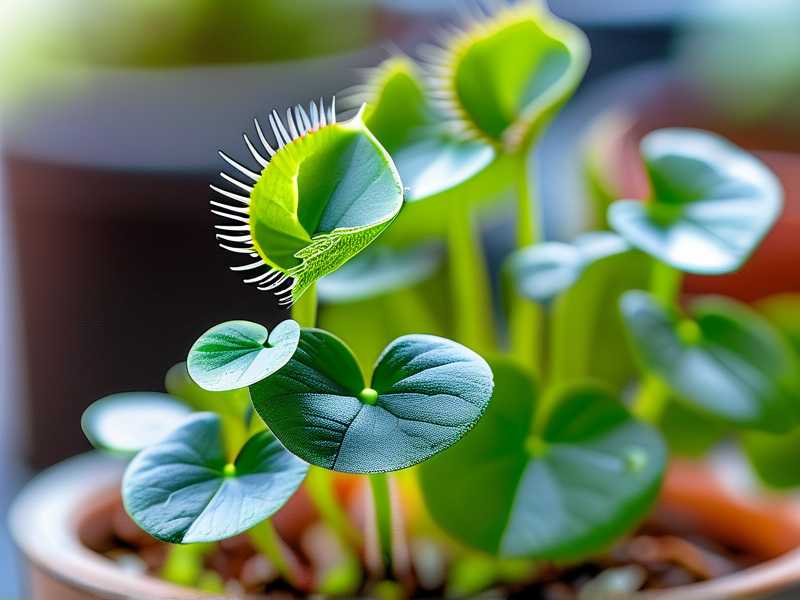
I love carnivorous plants, but living in a modern apartment with constant air conditioning always made me think they were out of reach. The dry, cool air seemed like the exact opposite of the humid, warm bogs sundews adore. I was convinced my dream of having a dewy Drosera on my desk would remain just that—a dream. If you've felt the same, I'm here to tell you it's absolutely possible. After extensive research and a hands-on, two-week trial with a Cape Sundew (Drosera capensis), I've cracked the code on how to care for sundew in an apartment with air conditioning. The key isn't fighting your AC, but strategically working around it to create a perfect microclimate.
My journey began with a healthy Drosera capensis, a tray, distilled water, and a dedicated spot on a bright shelf away from direct AC vents. Here’s exactly what I did, what I learned, and how you can succeed too.
Understanding the AC Challenge
Air conditioning creates a double-edged sword for moisture-loving plants like sundews. First, it actively removes humidity from the air, leaving it parched. Second, the constant circulation of cold air can lead to rapid substrate drying and stress the plant. Your sundew’s sticky, mucilaginous dew is its lifeblood for catching prey and preventing dehydration. In low humidity, this dew evaporates, leaving the plant unable to feed and vulnerable.
The cornerstone of success is recognizing that the room's ambient conditions won't suffice. You must create a localized humid environment. According to the International Carnivorous Plant Society (ICPS), while some sundews are adaptable, maintaining humidity above 50% is crucial for consistent dew production, especially for tropical varieties.
My Two-Week Setup and Observation Log
I decided to document my process meticulously. My goal was to maintain a thriving plant with visible dew on its tentacles throughout the two-week period.
Week 1: Foundation and Adjustment
My core strategy revolved around the classic tray method, amplified. I placed the pot in a deep, wide tray filled with about 1 inch of distilled water. This created a constant water source and a small zone of evaporation. I positioned it in an east-facing window that received bright, indirect light for most of the day, with about 2-3 hours of gentle morning sun. A simple digital hygrometer placed next to the pot told the story: the room humidity hovered at a dismal 35%, but right at the soil surface in the tray, it was a much better 55-60%.
- Day 1-3: The plant looked good but had little dew. I resisted the urge to mist it (a common mistake that can wash away dew). I ensured the water level in the tray was constant.
- Day 4-7: A promising change! New, small leaves emerging from the center were already glistening with tiny droplets. The older leaves remained less dewy, which I learned is normal as they age. The substrate (a 50/50 mix of peat moss and perlite) stayed evenly moist, not waterlogged.
The First "Pitfall" and Solution:
Around Day 5, I noticed a few leaves starting to curl and brown at the tips. Panic set in. Was it the AC draft? Upon closer inspection, I realized my mistake: I had used tap water to top up the tray once when I ran out of distilled. Even that one time introduced minerals. I immediately flushed the pot from the top with copious amounts of distilled water and refilled the tray with pure distilled. The browning stopped, and no further leaves were affected. This hammered home the non-negotiable rule: only use distilled, reverse osmosis, or rainwater. As expert and author Barry Rice notes in his writings for the ICPS, carnivorous plant roots are extremely sensitive to dissolved solids, which quickly cause root burn.
Week 2: Refinement and Success
Confident in the water quality, I focused on optimization. The plant was clearly responding well to the tray humidity.
- Day 8-10: Dew production became spectacular. Every new leaf was covered in glistening, sticky mucilage. The plant even caught a few fungus gnats on its own! The microclimate was working.
- Day 11-14: Growth was visible. The plant produced a new leaf roughly every two days. The hygrometer showed the micro-humidity was stable at 60-65% despite the room's AC running consistently at 72°F (22°C).
Essential Care Pillars in an AC Environment
1. Watering: The Lifeline Forget everything you know about watering houseplants. Your sundew’s feet should always be wet. The deep tray method is non-negotiable in an AC-dried apartment. Keep at least 0.5 to 1 inch of purified water in the tray at all times. Check it daily, as evaporation can be quicker than you think. This method provides constant moisture from below and creates that vital humid pocket.
2. Light: The Energy Source Light is just as critical as water. Sundews need bright, direct light for several hours a day to produce dew and stay healthy. An east or south-facing window (in the Northern Hemisphere) is ideal. My east window provided enough light, but if you only have a north-facing one, you’ll need a grow light for carnivorous plants. I tested a simple LED grow light panel for a few days during cloudy weather, and the dew production became even more prolific. Aim for 12-14 hours of light daily.
3. Humidity: The Microclimate Hack The tray is your primary tool. For an extra boost, especially in extremely dry climates or with more sensitive species, consider a small humidifier for plant shelves. I tested one in the second week, pointing it near, not directly at, the plant. It raised the local humidity to a steady 70%, and the sundew responded with incredible vigor. Grouping plants together can also create a more humid shared environment.
4. Soil and Feeding: Specialized Needs Never use potting soil. It will kill your sundew. They require nutrient-free, acidic media. A pre-mixed carnivorous plant soil or a simple DIY blend of sphagnum peat moss and horticultural perlite (rinsed) is perfect. As for food, if your plant has dew and is in a sunny spot, it will catch its own. In a sealed apartment, you might occasionally feed it a small, soft insect (like a fruit fly or pinhead cricket) to a few leaves every 2-4 weeks. Don't overdo it; it's a supplement, not a requirement.
5. Temperature and Airflow: Finding Balance Most sundews are fine with typical AC temperatures (65-75°F or 18-24°C). The real danger is the direct, cold blast. Ensure your plant is not in the path of an air vent. A gentle, ambient airflow is actually beneficial as it strengthens the plant and prevents mold, but avoid drafts. My plant was on a shelf perpendicular to the vent flow, which worked perfectly.
Troubleshooting Common AC-Related Issues
- No Dew on Sundew Leaves: This is the #1 sign of low humidity or insufficient light. First, verify your light source is strong enough. Then, double down on your humidity strategy: ensure the water tray is full and wide enough, and consider a cloche or humidifier for a week to jumpstart recovery.
- Leaves Browning or Drying: Likely caused by mineral burn from bad water, direct AC draft, or, ironically, letting the soil dry out. Check your water source first, then your plant's location.
- Mold or Fungus on Soil: While AC air is dry, a constantly wet surface in stagnant air can sometimes promote mold. Increase gentle airflow (a small fan on low, across the room), ensure you have adequate light, and scrape off any visible mold. A sprinkle of ground cinnamon is a natural antifungal.
Can sundews live in air conditioned rooms? Absolutely, yes. The challenge isn't the temperature but the humidity drop. By using the tray method to create a self-contained humid base, you effectively build a mini-bog that counteracts the dry air. My two-week experiment proved that with the right localized care, sundews not only survive but thrive.
What is the best sundew for beginners in an AC apartment? The Cape Sundew (Drosera capensis) is unbeatable. It's resilient, forgiving of minor humidity fluctuations, grows quickly, and produces plenty of dew. Other good choices include Drosera spatulata and Drosera adelae (which prefers lower light and higher humidity, perfect for a terrarium setup in an AC room).
Do I need a terrarium for my sundew with AC running? Not necessarily. While a terrarium or cloche is a foolproof way to lock in humidity, many sundews, especially the hardy types, do perfectly well with the amplified tray method. A terrarium is a great solution for high-maintenance species or if your apartment air is exceptionally dry, but it requires more attention to prevent overheating and fungal issues.
Growing a sundew in an air-conditioned space is a rewarding exercise in microclimate management. It teaches you to observe and respond to your plant's specific needs. By prioritizing pure water, bright light, and a clever humidity workaround like the deep tray method, you can enjoy the fascinating beauty of a dewy, insect-catching sundew right on your apartment windowsill. My Drosera capensis is now a permanent, thriving resident, proving that even the most specialized plants can adapt when given a thoughtful and consistent care routine.