bluename
 How to Care for Sundew in a Tropical Climate with Rainy Seasons: A Grower’s 2-Week Log
If you’re a fellow plant lover living in the tropics, you’ve probably felt that mix of excitement and anxiety about growing sundews. The constant humidity, heavy downpours, and intense sun seem perfect—yet they can quickly turn your carnivorous haven into a moldy, waterlogged mess. I know because I’ve been there. My first Drosera capensis, a supposed “beginner plant,” nearly dissolved in a season of relentless rain. That failure sparked a mission: to crack the code for how to care for sundew in a tropical climate with rainy seasons. This isn’t just theory; it’s a detailed account of my latest setup, a two-week observation journal, the mistakes I made, and the solutions that finally worked.
Understanding the Tropical Sundew’s Unique Needs
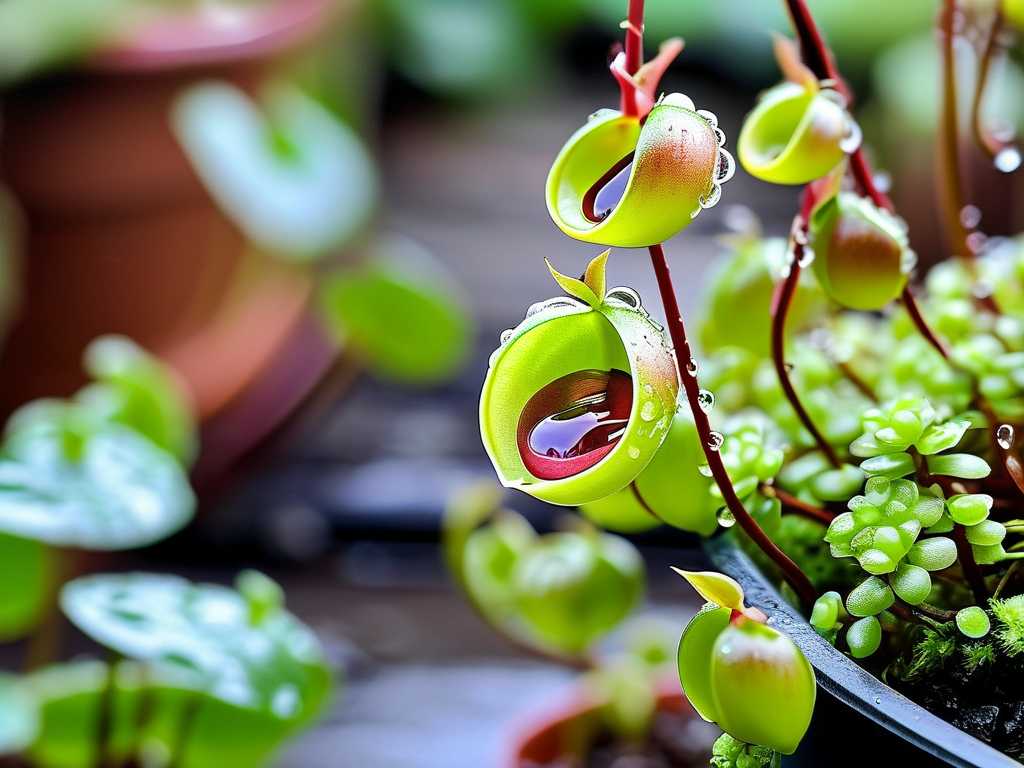
The key is realizing that tropical sundews, like Drosera capensis, spatulata, or binata, thrive in moist, nutrient-poor soils, not swampy conditions. Their biggest enemies in rainy climates are fungal infections, nutrient contamination from garden soil, and insufficient light due to constant cloud cover. The International Carnivorous Plant Society (ICPS) emphasizes that while these plants love high humidity, “good air circulation is critical to prevent rot.” This became my guiding principle.
My Setup: Creating the Ideal Micro-Environment
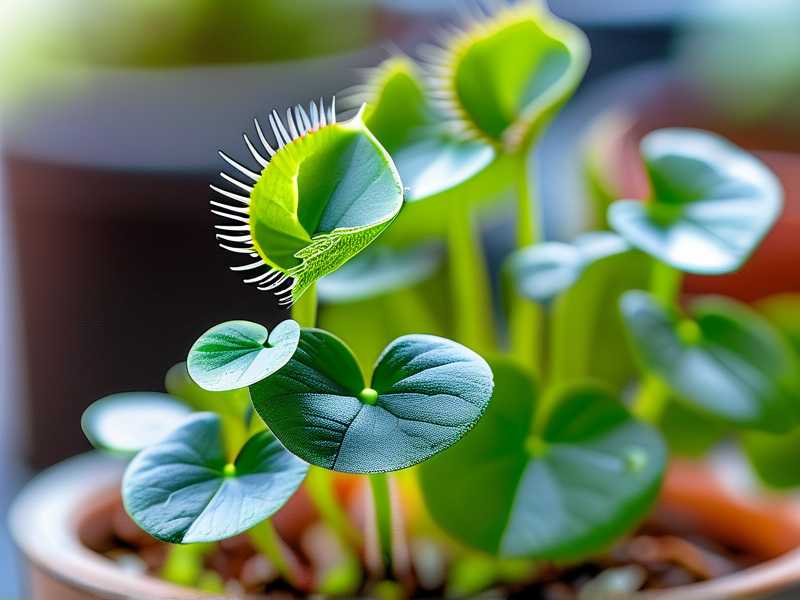
I decided to use a simple, controllable setup for this experiment. My subjects were three healthy Drosera spatulata ‘Kansai’ plants.
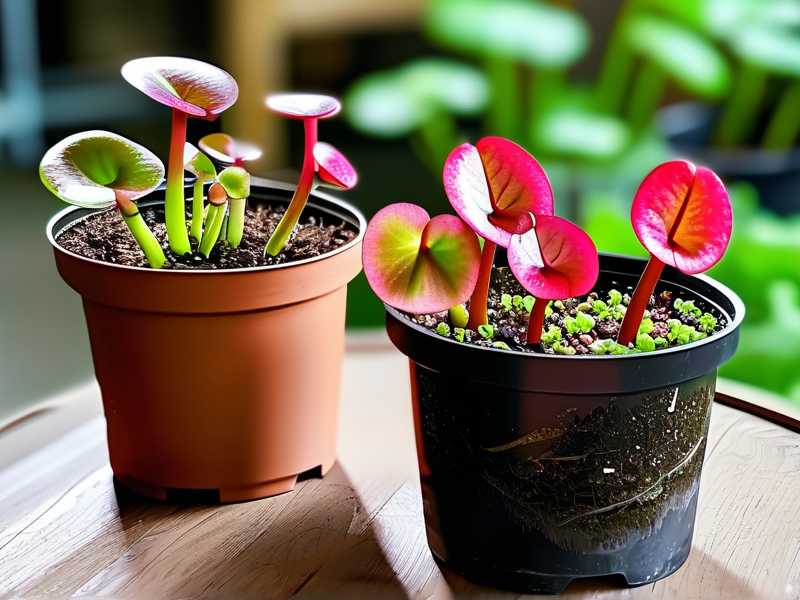
- Potting Mix: A 1:1 ratio of pure sphagnum peat moss and perlite. I rinsed the perlite thoroughly to remove any mineral dust. No fertilizer, no compost, no garden soil—ever.
- Containers: Plastic pots with multiple drainage holes, placed inside decorative cache pots to allow for the tray watering method.
- Location: A bright, east-facing balcony ledge. It receives 4-5 hours of gentle morning sun but is protected from the harsh afternoon downpours by a clear acrylic roof panel I installed. This was my single most important modification.
- Water: Only distilled water or rainwater, collected in a clean barrel. Tap water here is hard and would quickly kill the plants.
The 2-Week Care Log and Critical Observations
Here’s what happened when I applied this tailored care routine.
Week 1: Acclimation and Initial Challenges
Day 1-3: I placed the plants in their new spot. The media was soaked using the tray method, keeping about 1cm of water in the saucer. Dew production was excellent each morning.
Day 4: A surprise heavy evening shower, driven by wind, soaked the plants directly. While the media drained well, I noticed water pooled in the crowns of two plants.
Day 5: Alarm bells. The leaves of the two affected plants looked soggy, and the dew had vanished. Early signs of crown rot? I immediately took action. I carefully tipped each pot to drain standing water from the crown using a rolled paper towel. I then moved them to a slightly shadier, breezier spot for 48 hours and removed the water from the tray to let the top layer of media dry slightly. According to the Carnivorous Plant Hub, “brief dry periods at the surface can stimulate root growth and prevent fungal issues.”
Day 7: The plants stabilized. New, healthy dew-covered leaves began emerging from the center. The third plant, untouched by the direct rain, was flourishing.
Week 2: Recovery and Vigorous Growth
Day 8-10: I resumed the tray method but was more cautious. I now allow the tray to dry completely for one day before refilling. This “wet-dry cycle” mimics natural conditions better than constant saturation. Air circulation proved vital; I added a small, low-speed USB fan running for a few hours during the most humid part of the day.
Day 12: A breakthrough observation. The plants began actively catching tiny gnats abundant in the humid air. Their red coloration deepened significantly with the consistent morning sun.
Day 14: All three plants showed compact, vibrant rosettes with abundant sticky mucilage. They were clearly thriving. The care for sundew plants in high humidity had shifted from preventing disaster to promoting robust health.
Common Pitfalls and My Hard-Earned Solutions
- Pitfall 1: Overwatering from Rain. Assuming “more rain is good.” Direct rainfall compacts the media and floods the crown.
- Solution: Provide overhead rain protection (a clear panel or moveable cover). Always ensure pots have superb drainage.
- Pitfall 2: Poor Airflow. Stagnant, humid air is a death sentence.
- Solution: Never crowd plants. Use a small fan to gently stir the air, mimicking a natural breeze. This is non-negotiable in rainy seasons.
- Pitfall 3: Wrong Light. Cloudy seasons can lead to etiolated, weak plants.
- Solution: Maximize available sunlight. An east-facing location is ideal. During prolonged cloudy periods, consider a basic LED grow light to supplement for 4-6 hours.
- Pitfall 4: Using Toxic Water. This slowly poisons the plant.
- Solution: Invest in a rainwater collection system or buy distilled water. It’s the only liquid that should touch the media or the plant.
Feeding and Maintenance in the Tropics
In this climate, they often catch food naturally. If no insects are present, you can feed a single dew-covered tentacle a tiny dried bloodworm (fish food) once every 2-4 weeks. Do not overfeed. Remove any dead, blackened leaves promptly to prevent mold from spreading. Repotting is only needed every 1-2 years as the media breaks down.
Frequently Asked Questions
Can I grow sundews outdoors here year-round? Absolutely. In fact, it’s ideal. The consistent warmth promotes year-round growth. The critical factor is not temperature, but managing water and airflow during the wettest months. A semi-sheltered location is key.
The center of my sundew looks black and mushy. Is it over? Not necessarily. This is crown rot, often from standing water. Immediately remove the affected plant from its tray, let the pot dry out more, and increase airflow drastically. If the center is dead, but there are still green leaves, you can try taking leaf cuttings to propagate a new plant. Prevention, however, is much easier than the cure.
Do I need to mist my sundews in the dry season? No. Misting can wash away the precious, sticky dew they work hard to produce. It provides only temporary humidity and can promote leaf rot. Focus on keeping the humidity around the plant high by using the tray watering method and grouping plants, not by wetting the leaves directly.
Successfully growing sundews in a tropical, rainy climate is about embracing the humidity while strategically managing its excess. It requires a watchful eye and small adjustments—rain protection, relentless airflow, pure water, and bright light. My two-week journey from near-disaster to vibrant health proves that with the right micro-environment, these fascinating carnivorous plants don’t just survive; they put on a spectacular, dewy show. The joy of seeing those glistening tentacles under the morning sun, knowing you’ve mastered their unique world, is well worth the effort.