bluename
 How to Care for Sundew in an Apartment with Pets: A Safe and Thriving Guide
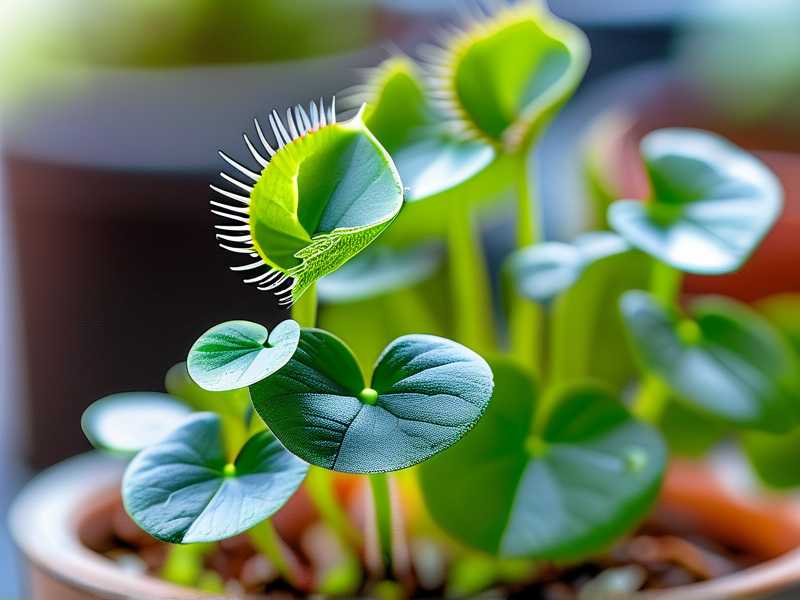
I love the strange, otherworldly beauty of carnivorous plants. The sundew, with its glistening, dewy tentacles, has always fascinated me. But when I decided to bring one into my apartment, a wave of anxiety hit. I have two curious cats and a small dog. The idea of a “pet-safe” plant that actually eats insects seemed like a contradiction. How could I keep this delicate predator healthy without endangering my furry family? If you’re a plant and pet lover like me, wrestling with this exact dilemma, you’re in the right place. After extensive research and a careful, two-week observation period with my new sundew, I’ve navigated the pitfalls and found a system that works. This guide is my firsthand account on how to care for sundew in an apartment with pets, ensuring both thrive under the same roof.
Understanding the Real Risks: Sundews vs. Pets
Before we get to the care steps, let’s address the elephant in the room: safety. My initial fear was that the sundew’s sticky glue might harm my pets. According to the American Society for the Prevention of Cruelty to Animals (ASPCA), sundews (Drosera species) are not listed as toxic to cats or dogs. The Royal Horticultural Society (RHS) also notes that while the plant’s secretions can trap small insects, they pose no significant chemical threat to larger animals.
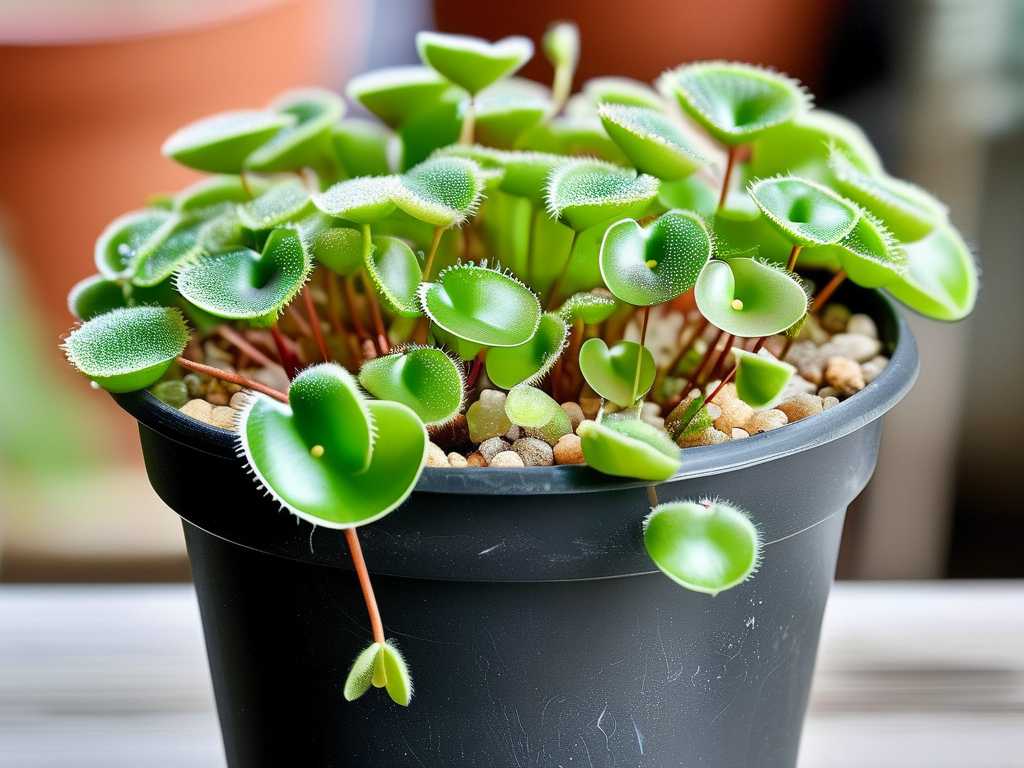
The real danger isn’t toxicity; it’s physical irritation and curiosity. A cat batting at the plant could damage its fragile leaves. More likely, a pet sniffing or licking the sticky tentacles might get the glue on their nose or fur, which is annoying and hard to clean off. My goal became twofold: optimize the plant’s health in a controlled indoor environment and implement physical barriers to manage pet curiosity.
The Pet-Safe Sundew Setup: Location is Everything
The single most important decision you’ll make is where to place your sundew. It’s the cornerstone of keeping sundews safe around cats and dogs.
1. The High Ground and Closed Doors: I immediately ruled out low shelves or tables. My solution was a dedicated, high plant shelf in my home office, a room I can keep closed when I’m not supervising. A sunny bathroom windowsill (with the door consistently shut) is another excellent option. The key is consistent inaccessibility.
2. The Terrarium Solution: For my living space, I wanted to enjoy the plant more freely. I opted for a large, open-topped glass terrarium. It provides the high humidity sundews crave while creating a clear physical barrier. My cats can look but not touch. I learned the hard way that a closed terrarium can overheat in direct sun, so an open design is crucial for airflow. I placed it on a sturdy console table away from launch pads like sofas.
3. The “Plant Jail” Method: For a simpler approach, a decorative, tall glass cloche or a wire mesh “plant cage” from a garden center works wonders. It’s less about aesthetics and more about creating a gentle, visible boundary your pets will learn to respect.
The Core Care Routine: Water, Light, and Food
A healthy sundew is a happy sundew, and a stable routine minimizes the need for risky interventions. Here’s my proven schedule.
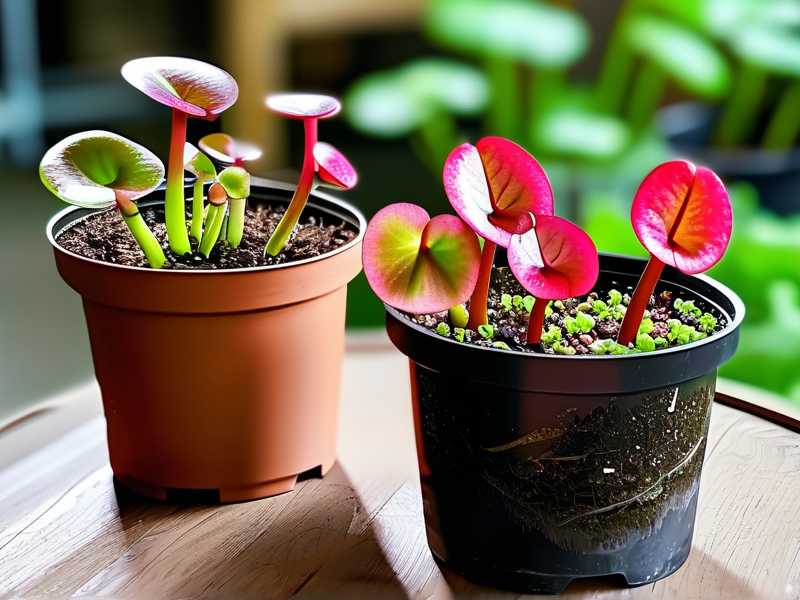
Water: Pure Water is Non-Negotiable Sundews are extremely sensitive to minerals found in tap water. Using it will slowly poison your plant. I use only distilled water, rainwater, or reverse osmosis water. My method is the tray system: the pot sits in a shallow saucer or tray with about half an inch of water at all times. This mimics their natural bog habitat. I top up the tray every 2-3 days. This method also keeps watering simple and contained, avoiding spills that might attract pet interest.
Light: The Key to Those Sticky Dewdrops Without enough light, your sundew will stop producing its characteristic glue. It will become weak and green, losing its red hues. My apartment gets decent indirect light, but it wasn’t enough. I invested in a simple, affordable LED grow light. I set it on a 12-hour timer (8 am to 8 pm), positioned about 6-8 inches above the plant. Within the first week of observation, I noticed a dramatic difference. The tentacles glistened more, and the leaves began developing a beautiful reddish tint. The light also acts as a predictable “sun” cycle, stabilizing the plant’s environment.
Feeding: Skip the Fertilizer, Embrace Neglect This was my biggest “aha!” moment. You do not need to hand-feed your sundew in an apartment. In fact, trying to feed it insects can damage the leaves. A healthy sundew placed in a room with occasional gnats or fruit flies will catch its own food. My plant, sitting near the terrarium in my living room, caught several tiny fungus gnats within the two-week period. If you have no insects, the plant will be fine. They get most of their energy from photosynthesis. The ASPCA’s stance on non-toxicity is reassuring here; even if a pet disturbs a leaf with a trapped insect, the risk is minimal beyond the sticky nuisance.
Troubleshooting: The Pitfalls I Encountered and Fixed
No journey is without hiccups. Here’s where I stumbled and how I corrected course.
Pitfall 1: The Overzealous Watering Experiment. Early on, I thought keeping the tray constantly full to the brim was best. I noticed the soil surface staying too soggy, and a few lower leaves began to rot. I was creating conditions for mold. Solution: I let the tray dry out completely for one day, then resumed with only a half-inch of water. The plant perked up, and new growth was healthy. The lesson: consistent moisture, not flooding.
Pitfall 2: Cat Interest at the Wrong Time. During the initial setup, one of my cats became intensely curious about the new “thing.” He tried to paw at the terrarium. Solution: I used a harmless pet deterrent—a can of compressed air with a motion sensor (set to the gentlest setting). I placed it near the setup for just 48 hours. The harmless hiss was enough to teach him the area was uninteresting. I then removed it, and the behavior never returned. Combined with the barrier, it was a safe, effective training tool.
Pitfall 3: Assuming a Windowsill Was Safe. I initially tried a sunny kitchen windowsill. Bad idea. Not only was the afternoon sun too harsh (slightly scorching a leaf), but my dog would stand on her hind legs to investigate. The risk of the pot being knocked over was too high. Solution: I relocated to the secure, light-controlled environments described earlier. Control is better than chance.
Creating a Harmonious Home: Long-Term Coexistence
After the initial two-week observation and adjustment phase, a rhythm emerged. My sundew is visibly thriving—dew-covered, colorful, and producing new leaves. My pets largely ignore it, understanding it’s not a toy or a snack. The terrarium is now just another piece of furniture. The routine is simple: check the water tray every other day, ensure the grow light timer is functioning, and admire the plant’s natural pest control at work. It’s a living lesson in balance, proving that with thoughtful planning, the worlds of captivating carnivorous plants and beloved pets can not only coexist but flourish together.
Can I use potting soil for my sundew? Absolutely not. Sundews require nutrient-poor, acidic soil. A mix of 50% peat moss and 50% perlite or horticultural sand is standard. Regular potting soil will kill them.
What if my pet actually eats part of the sundew? While non-toxic, the plant can cause mild gastrointestinal upset or mouth irritation due to the glue. Remove any plant material from their mouth, offer water, and monitor. Contact your veterinarian if you notice vomiting, lethargy, or loss of appetite, though this is uncommon.
Do I need to feed my sundew in the winter? No. Sundews often go through a slower growth period or dormancy in winter. Reduce watering slightly (keep the soil just damp, not in a full tray) and continue providing light. They do not need to be fed during this time.