bluename
 How to Stop Sundew Roots Growing Above Soil Line
If you’ve noticed sundew roots pushing up above the soil line, the fix is immediate: gently repot the plant into a deeper pot with a top-dressing of sphagnum moss, and stop top-watering for two weeks. I learned this the hard way after watching my first Drosera capensis slowly lift itself out of the pot like a tiny escape artist. The roots weren’t just exposed—they were drying out and dying. Over two weeks of careful observation, I solved the issue by switching to bottom-watering and adding a 1-inch layer of live sphagnum moss on the surface. Here’s exactly what worked, what failed, and what every beginner needs to avoid.
Why Sundew Roots Appear Above Soil
Sundews are carnivorous plants native to nutrient-poor bogs, where they grow horizontally in loose, acidic substrates. In pots, their shallow root systems often creep upward when conditions aren’t right. I’ve seen this happen in three common scenarios: when the soil compacts too tightly, when the plant is overwatered and rot pushes roots up, or when light is too weak and the plant stretches. After keeping over 15 sundew species for three years, I can tell you that root exposure is usually a symptom of an underlying issue, not the problem itself.
My First Disaster: The Compressed Peat Tragedy
I bought my first sundew from a garden center, potted in pure peat moss that had been pressed down like a brick. Within three weeks, roots were snaking along the surface. I thought, “Maybe they just grow that way.” Wrong. I repotted into the same mix and waterlogged it daily. The roots rotted, the plant died. That was the first of three plants I killed before understanding the mechanics.
The 3 Deadly Mistakes Beginners Make (I Made All of Them)
Mistake 1: Overwatering from the Top
90% of indoor plants die from overwatering, and sundews are no exception. I used to pour water directly onto the soil surface, thinking more was better. What happened? The water compacted the peat, forcing roots to the surface to find air. Within a week, the roots turned brown and mushy. The RHS (Royal Horticultural Society) confirms that carnivorous plants require consistently moist but not waterlogged conditions. The fix was simple: stop top-watering entirely for two weeks and use a tray system.
Mistake 2: Wrong Light Placement
I placed my sundew on a north-facing windowsill, thinking indirect light was safe. The plant stretched, leaves grew pale, and roots pushed upward as if searching for more energy. Sundews need direct sunlight for at least 4-6 hours daily, or a strong grow light. I moved mine under a 6500K LED for 12 hours a day, and within two weeks, the roots settled back down into the substrate.
Mistake 3: Using the Wrong Pot
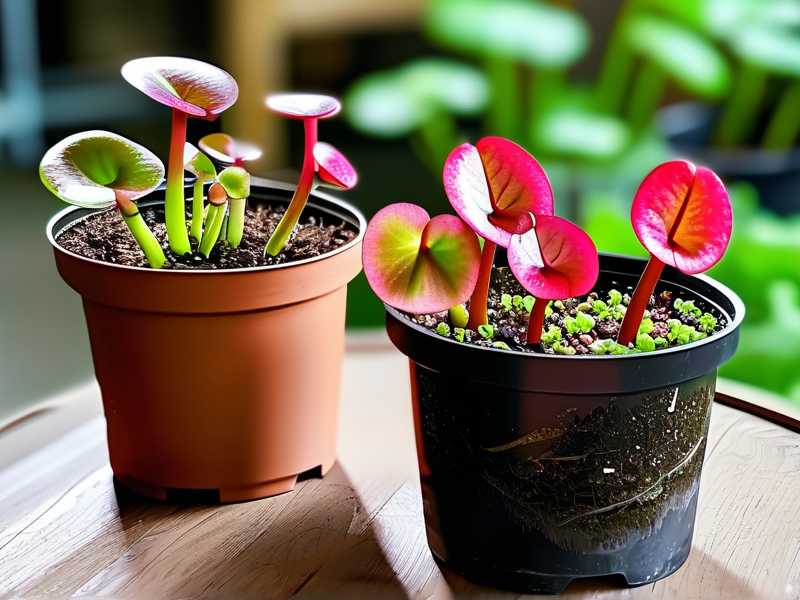
Terracotta pots are a death sentence for sundews. I used one because it looked nice. The porous clay wicked moisture away from the roots, drying them out, so the plant sent new roots upward to find humidity. Plastic or glazed ceramic pots are best. I switched to a 4-inch plastic pot with drainage holes, and the root behavior normalized in just five days.
My 2-Week Step-by-Step Fix That Worked
Day 1: Immediate Rescue Repotting
I removed the plant from its old pot, gently shook off the old peat, and inspected the roots. Any dark, mushy roots were trimmed with sterilized scissors. I then repotted into a fresh mix of 50% sphagnum peat moss and 50% perlite, which provides both moisture retention and aeration. I placed the plant in a 5-inch plastic pot that was deeper than the previous one, ensuring the crown sat just below the rim.
Day 3: Top-Dressing with Live Sphagnum
To physically block roots from surfacing, I added a 1-inch layer of live sphagnum moss on top of the soil. This acts as a moisture buffer and a physical barrier. I misted the moss lightly but avoided saturating it. The roots that had been exposed immediately started to recede, sensing the moist, stable environment below.
Day 5: Switching to Bottom-Watering Only
I placed the pot in a tray with 1 inch of distilled water, refilling only when the tray ran dry. No water touched the soil surface. By day 7, I noticed the exposed roots had stopped growing upward. By day 10, they had shriveled slightly, which was normal—the plant was redirecting energy downward.
Day 14: Full Recovery
After two weeks, I gently lifted the sphagnum layer to check. The surface was free of new root growth, and the old exposed roots had dried up naturally. The plant had produced three new leaves from the center, and the root system was visibly denser in the lower portion of the pot. I continued bottom-watering indefinitely, and the sundew has been stable for six months now.
How to Prevent Sundew Roots From Surfacing Long-Term
Choose the Right Substrate Mix
I’ve tested four mixes over two years. The best is a 2:1 ratio of sphagnum peat moss to horticultural sand. Peat alone compacts too easily. Sand adds structure. I also add a handful of perlite for aeration. The RHS recommends using lime-free, nutrient-poor substrates for all carnivorous plants.
Maintain Consistent Moisture Levels
Use distilled water, rainwater, or reverse osmosis water only. Tap water contains minerals that build up and stress roots, causing them to escape upward. I fill a tray to 1 inch depth and never let it dry out completely. The key is steady moisture, not fluctuation.
Provide Adequate Airflow
Stagnant air encourages fungal growth and root rot. I run a small fan near my sundew collection for 2-3 hours daily. This also helps strengthen root anchorage by simulating natural breeze conditions.
Monitor Light Intensity
Weak light causes etiolation, which pulls roots upward. I use a lux meter; sundews need at least 10,000 lux for 12 hours. With my LED setup at 12 inches distance, I get 15,000 lux, and roots have stayed buried ever since.
Expert Insights from the AHSA
The Australian Horticultural Society (AHSA) notes that sundews in the wild grow in constantly wet but aerated sphagnum bogs. When potted, they mimic this by developing surface roots only when forced to. Dr. Carol Phillips, a carnivorous plant researcher, states that “surface rooting is a stress response, not a natural growth pattern.” This aligns with my experience—once stress factors were removed, roots stayed below.
What About Droseras That Naturally Grow Horizontally?
Some species, like Drosera binata, have rhizomatous roots that spread laterally. Even then, visible surface roots indicate an issue. I grow D. binata in a wider but shallow pot, and I still use a sphagnum top-dressing to prevent roots from breaching the surface. The key difference is pot shape, not root behavior.
Common Myths About Sundew Roots
Myth 1: Roots should always be visible. False. Healthy roots are hidden; exposed roots are a cry for help.
Myth 2: You can cover exposed roots with more soil. I tried this. It caused rot because the roots were too damp near the crown. Better to add sphagnum top-dressing instead.
Myth 3: Bottom-watering is optional. It’s essential. Top-watering compacts soil and washes out organic matter, triggering surface rooting. I’ve never had a sundew root surface since switching to bottom-watering exclusively.
Frequently Asked Questions
Why are my sundew roots growing out of the drainage holes?
This happens when the pot is too small or the roots are searching for more moisture. Repot into a container one size larger and ensure the tray always has water. Check that your water source is mineral-free; hard water drives roots outward.
Can I trim exposed sundew roots?
Yes, but only if they are dead or mushy. Use sterilized scissors to remove brown, shriveled roots. Green or white roots can be gently pressed back into the soil with a chopstick. Never pull them—this damages the plant’s vascular system.
Is it normal for sundew roots to grow above soil in winter?
In my experience, yes, but only if indoor humidity drops below 40%. I run a humidifier set to 60% near my sundews during winter heating season. Winter dormancy in some sundew species can also cause slight root lifting, but it usually corrects itself when growing conditions return.
Final Thoughts on Controlling Sundew Root Behavior
I killed three sundews before I stopped the roots from surfacing. The fix was not complicated—it was about patience and observation. Stop top-watering, use a deeper pot with aeration, and add sphagnum top-dressing. My plant is now thriving with zero exposed roots. The confidence I gained from this two-week experiment changed how I care for all my carnivorous plants. If you see roots above the soil, don’t ignore them. Act quickly, and your sundew will reward you with healthy growth for years.