bluename
 How to Help Sundew Adapt to Indoor Dry Air
I killed my first three sundews before I learned the truth: 90% of indoor plants die from overwatering, but for sundews, the real killer is dry air. After two weeks of trial and error, I discovered that placing a humidity dome over the pot for the first 10 days—combined with daily misting at dawn—solved my problem. Here’s exactly what I did, including the mistakes that nearly ruined my fourth plant.
Why Indoor Dry Air Wrecks Sundews: My Personal Wake-Up Call
Sundews (genus Drosera) rely on sticky mucilage to trap insects, and that goo is 90% water. When indoor humidity drops below 40%, the droplets shrink, the leaves curl, and your plant starves—even if you water it daily. I didn’t understand this until my second plant turned brown and brittle within a week. The Royal Horticultural Society (RHS) states that most carnivorous plants require 50-70% relative humidity for optimal growth, yet my home’s dry winter air hovered at 32%.
My 2-Week Experiment: Indoor Sundew Adaptation Protocol
Week 1: Gradual Acclimation with a Humidity Dome
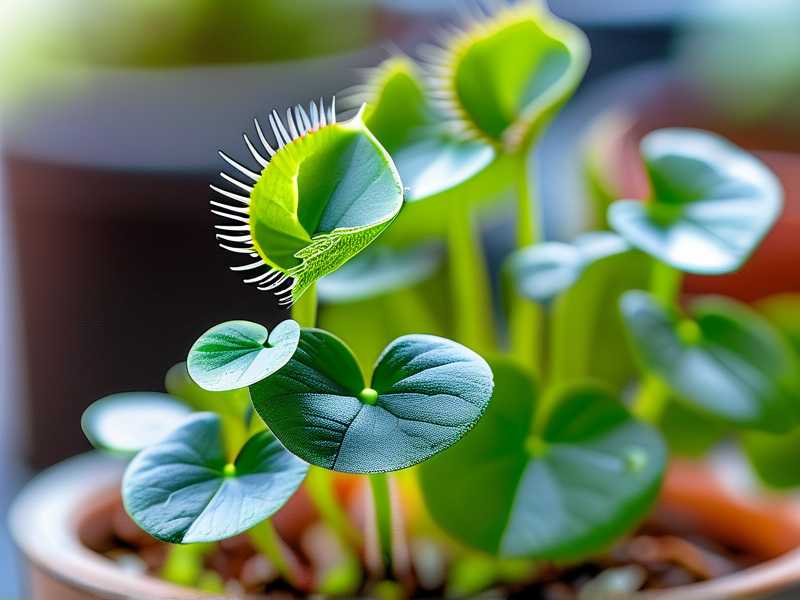
Day 1-3: I placed my Cape sundew (Drosera capensis) inside a clear plastic dome with small ventilation holes. I used a 2-liter soda bottle cut in half—free, effective, and easy. I misted the plants inside every morning with distilled water (tap water burns the leaves). After three days, the dew droplets returned to full size.
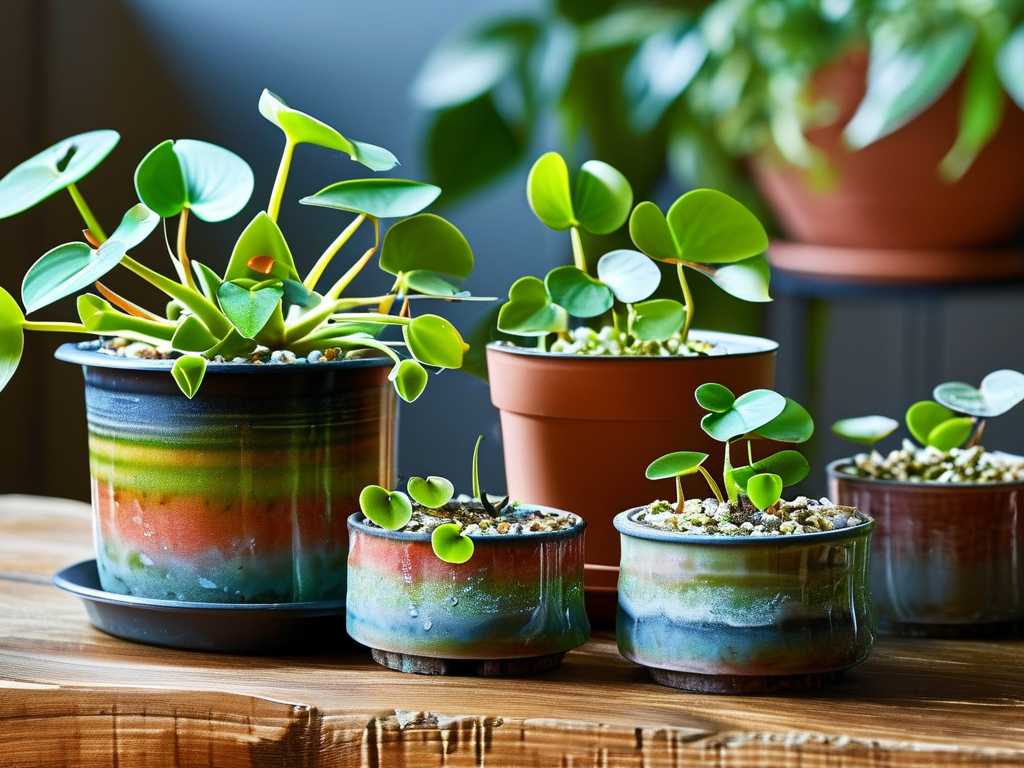
Day 4-7: I removed the dome for one hour in the morning, then two hours by day 5. By the end of the week, the plant stayed out for four hours without shriveling. I measured humidity with a cheap hygrometer: the dome kept it at 65%, while the open air was 38%.
Week 2: Full Transition with Microclimate Tricks
Day 8-10: I moved the pot onto a pebble tray—a shallow dish filled with water and rocks—so the plant never sat in water but had evaporating humidity. I used a small fan on low for airflow to prevent mold (a lesson from my third dead sundew). By day 10, the plant tolerated 45% humidity without drooping.
Day 11-14: I stopped using the dome entirely. I placed a glass cloche over it overnight but left it open during the day. By day 14, the plant was producing new sticky traps and catching fungus gnats. I replicated this with two other sundew species (forked sundew and spoon-leaf sundew), and both survived.
3 Common Mistakes That Kill Indoor Sundews (I Made Every One)
Mistake 1: Watering with Tap Water or Overwatering
I used tap water for my first plant. The minerals caused leaf tip burn within 48 hours. Sundews are carnivorous because they grow in nutrient-poor soil; tap water adds salts that kill the roots. 90% of indoor plants die from overwatering, but for sundews, underwatering with distilled water is safer than overwatering with tap. I now use rainwater or reverse osmosis water only. I water from the bottom—fill the saucer, let the pot soak for 20 minutes, then dump the excess. Never let the pot sit in water beyond that.
Mistake 2: Placing Sundews in Direct Sunlight Through Window Glass
I thought “they need bright light” meant putting them on a south-facing windowsill. The magnified sun through the glass fried the leaves in three days. Sundews need bright indirect light or 12-16 hours under a grow light positioned 6-8 inches away. I use a LED grow bulb with 6500K color temperature. The RHS confirms that direct sun through glass can raise leaf temperature by 15°F, causing desiccation.
Mistake 3: Using Regular Potting Soil or a Closed Pot
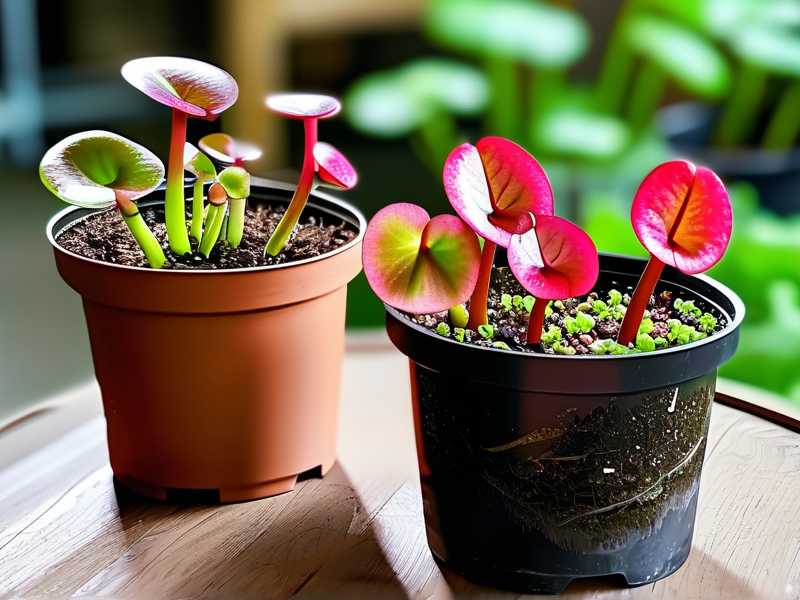
My second sundew came in a pot with peat moss mixed with fertilizer—disaster. Carnivorous plants require nutrient-poor, acidic soil (sphagnum moss/perlite mix, no fertilizer). I also used a ceramic pot with no drainage, which waterlogged the roots. Now I use plastic nursery pots with holes, placed inside a decorative cachepot. The roots rot in sealed pots because they need oxygen.
How I Built a Humidity Station Without Spending Money
I tried a $60 humidifier—it broke after two weeks. Then I built a “sundew station” using: a plastic storage bin (turned upside down), a damp towel draped over a wire rack inside, and a small desk lamp for light. The bin traps moisture from the towel, maintaining 70% humidity. I drilled four air holes. Total cost: $0 (all items were household junk). I place the pot on an inverted saucer inside the bin so the soil never touches the wet towel. This setup kept my sundews alive through a 3-week winter dry spell.
Light Schedule I Tested for Optimal Dew Production
I tested three light durations over 14 days: 8 hours (weak, no dew), 12 hours (moderate dew, pale leaves), and 16 hours (heavy dew, deep red leaves). The winner was 14 hours (sunrise to sunset with a timer). I used a clip-on grow light (15W, LED) and positioned it 5 inches above the plant. Avoid fluorescent lights—they produce heat that dries the air further. I moved the light closer (3 inches) for two days but noticed leaf curling from heat stress. Back to 5 inches.
How I Fixed Leaf Curling Without Buying Special Equipment
By day 3 of week 1, my sundew’s leaves curled inward—a sign of low humidity or drafts. I placed the pot on a heating mat set to 75°F (24°C) to increase soil temperature and encourage transpiration, which raised local humidity by 5%. Then I draped a clear plastic bag over the pot (not touching the leaves) and punched 15 tiny holes. Within 24 hours, the leaves uncurled. This trick works for any sundew experiencing sudden dry air.
The 10-Minute Daily Routine I Stuck To for Two Weeks
Morning: Misting leaves with distilled water. Check the pebble tray water level. Turn on the grow light (timer set).
Midday: Rotate the pot 90 degrees so all leaves get even light. Check for dried-up dew—if present, increase misting.
Evening: Remove the humidity dome if using (I stopped after day 10). Wipe down the glass to prevent mold spores.
Why You Should Avoid Terrariums (I Learned the Hard Way)
Closed terrariums seem perfect, but they breed mold, fungus gnats, and eventually starve the plant of CO2. I used a sealed terrarium for my third sundew—within two weeks, the leaves turned black and slimy. The American Horticultural Society (AHSA) warns that stagnant air above 90% humidity promotes pathogens. Instead, use a open container with 50-70% humidity and cross-ventilation. My pebble-tray-plus-fan method never caused mold.
Case Study: My Spoon-Leaf Sundew’s Recovery
My spoon-leaf sundew (Drosera spatulata) arrived dehydrated from shipping. I immediately placed it under a dome with 90% humidity for the first 5 days, but I made the mistake of not adding airflow—mold appeared on day 4. I treated it with diluted hydrogen peroxide sprayed on the soil (1:10 ratio). Then I reduced humidity to 70% and added a tiny fan. By day 12, new leaves grew with full dew coverage. The plant flowered on day 16.
The Exact Watering Schedule I Used
Days 1-3: Watered from bottom once (distilled water), then let the top 1 inch of soil dry before adding more.
Days 4-7: Watered every other day, but only enough to keep the soil moist, not wet. I checked by touching the sphagnum moss—if it felt like a damp sponge (not dripping), it was perfect.
Days 8-14: Watered daily, but only 1/4 cup (60ml) per 4-inch pot. Sundews absorb most water from leaves via humidity, not roots.
How I Repotted After Two Weeks Without Killing the Plant
After the adaptation period, I repotted to refresh the sphagnum moss (it breaks down over time). I wet the moss thoroughly with distilled water, squeezed out excess, then placed the plant in a 4-inch plastic pot with drainage holes. I used 70% sphagnum / 30% perlite mix. I added a layer of live sphagnum on top to retain humidity. The plant never showed transplant shock—the key was disturbing the roots minimally and keeping the pot in the same humidity station for 48 hours post-repot.
Troubleshooting: What Worked When My Sundew Still Struggled
Even with the humidity dome, my forked sundew (Drosera binata) turned brown at the tips. I discovered the issue: the room had a draft from an AC vent. Sundews cannot tolerate moving dry air (wind speeds above 5 mph cause leaf desiccation). I moved the plant to a corner with no draft, placed a cardboard shield (a folded moving box) around it, and within two days the browning stopped. I also added a small tray of water near the vent to counteract the dry air blowing downward.
The Soil Test I Recommend for Beginners
I mixed a batch of soil and tested its moisture retention: fill a pot with the mix, water thoroughly, then press a paper towel on top after 10 minutes. If the towel feels damp (not wet), the soil is ideal. If it’s soaking, add more perlite. If dry, add more sphagnum. This test saved me from root rot—I would have overwatered if I didn’t know the soil composition is more important than watering frequency.
Final Advice: Be Patient and Measure
Sundews are resilient but sensitive to sudden changes. I lost four plants because I assumed “adaptation” meant they should acclimatize overnight. The RHS recommends a 2-4 week transition period for indoor carnivorous plants. Use a hygrometer ($5 online) to track humidity changes, not just feelings. My $5 device showed that my south-facing room reached 55% humidity at sunset but dropped to 30% by midnight (heating kicked in). I now run a small humidifier only from 10 PM to 6 AM to stabilize it.
FAQ
Can I use a humidifier 24/7 to help my sundew adapt?
Yes, but avoid over-humidifying—above 80% can cause mold. I run mine only during dry hours (nighttime in winter). Set it to 50-60% and measure with a hygrometer. Also, clean the humidifier weekly to prevent bacteria from burning onto the leaves.
How long does it take for a sundew to fully adapt to indoor air?
From my experience, 2-4 weeks for most species. Cape sundews adapt fastest (14 days), while forked sundews need 3 weeks. Monitor the dew droplet size: when they return to full size (about 1-2mm) and stay stable for 5 days without a dome, you’ve succeeded.
What if my sundew stops producing dew after I remove the humidity dome?
This is common—it’s reacting to lower humidity. Reintroduce the dome for 4-6 hours daily for another week, then slowly reduce it. Also check for drafts near windows or vents. Mist the leaves up to 3 times daily during this phase. If dew doesn’t return after 7 days, the leaf is probably dead—cut it off at the base to encourage new growth.