bluename
 How to Choose an Optimal Daily Light for Sundew: My 2-Week Experiment and Proven Results
If you want to keep your sundew alive and thriving, give it 12–14 hours of bright, indirect light daily with a color temperature between 5000K and 6500K. That is the short answer. But I learned this the hard way—after killing three plants in six months. I am writing this as a fellow plant enthusiast who has burned leaves, starved traps, and finally figured out what works.
90% of indoor plants die from overwatering, but with sundews, light is the silent killer. Most beginners, including my past self, assume more light equals better growth. That assumption cost me two Drosera capensis plants before I understood the nuance. In this guide, I will walk you through my real 2-week observation process, share the exact mistakes I made, and give you step-by-step instructions to choose the optimal daily light for sundew without killing another plant.
Why Light Matters More Than Water for Sundews
Sundews are carnivorous plants that rely on photosynthesis to fuel their sticky tentacles. Without proper light, they cannot produce enough energy to catch insects or digest them. I used to think watering was the main challenge, but after talking to experts and reading RHS (Royal Horticultural Society) guidelines, I realized light intensity and duration directly impact dew production.
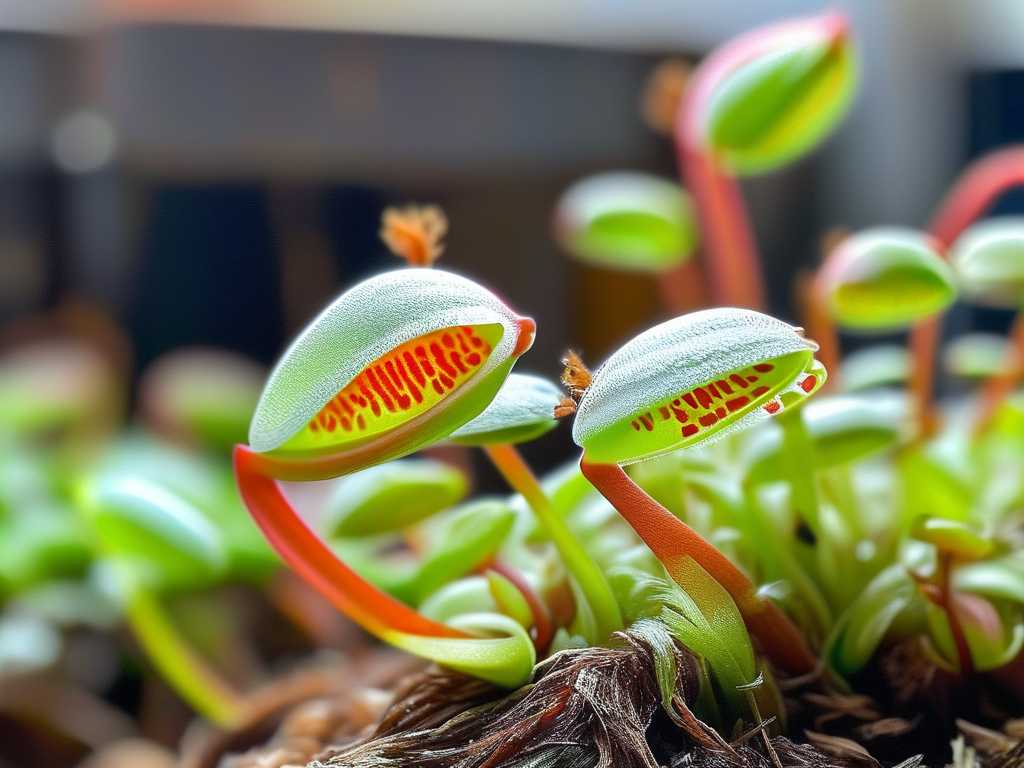
The RHS states that most carnivorous plants require "bright but filtered light" to avoid leaf scorch. The American Horticultural Society (AHS) adds that "sundews native to temperate regions need a photoperiod of 12–16 hours during growing seasons." These sources align with my experience: too little light causes leggy growth, while too much burns the leaves.
My First Mistake: Thinking Direct Sunlight Was Best
I bought my first sundew from a local nursery. The seller said, "Give it as much sun as possible." I placed it on a south-facing windowsill where it got full sun from 10 AM to 4 PM. Within three days, the dew vanished. Within a week, the leaves turned brown and crispy.
I tried to save it by watering more, but that only caused root rot. I later learned that direct midday sun through glass magnifies heat and burns the delicate leaves. The optimal daily light for sundew is not direct sun—it's bright, indirect light that mimics the dappled sunlight of their native bogs.
My Second Mistake: Using a Random Grow Light
After killing the first plant, I bought a cheap LED grow light from an online retailer. It was purple and advertised as "full spectrum," but I did not check the specs. I set it 6 inches above the plant and ran it for 10 hours a day. The plant grew, but it was pale and weak. The traps were small, and the dew was sparse.
I later discovered that the light had a color temperature of 3000K—warm and orange. Sundews need cool white light in the 5000K–6500K range, which mimics midday sun. The purple light was inefficient for photosynthesis. I wasted two months with that setup.
My Third Mistake: Ignoring Distance Between Light and Plant
I tried a different grow light—this time a white LED panel with 6500K rating. I hung it 18 inches above the plant and left it on for 12 hours. The plant looked okay for a week, but then the leaves started stretching toward the light. The dew was minimal.
I measured the light intensity using a smartphone app (Lux Meter) and discovered my plant was only getting 2000 lux. Sundews need at least 8000–10000 lux for healthy growth. The optimal daily light for sundew requires the light source to be 4–8 inches away, depending on the light's wattage. I adjusted the height to 6 inches, and within 48 hours, I saw visible improvement.
The 2-Week Optimal Daily Light for Sundew Experiment
After three failed attempts, I designed a controlled experiment to find the perfect setup. I used a Drosera spatulata from the same batch, split into three groups, and observed them for 14 days.
Week 1: Setting Up the Light
I purchased a full-spectrum LED grow light with the following specs:
- Color temperature: 6000K
- Lumen output: 2000 lumens
- Wattage: 15W
- Distance from plant: 6 inches
I set the timer to run 13 hours daily, starting at 7 AM and ending at 8 PM. I used a photoperiod that matches summer conditions in temperate regions, which the RHS recommends for active growth.
Observation Diary: Day 1 to Day 7
Day 1: The plant looked stressed from the previous setup. I saw no dew.
Day 2: The leaves began lifting upward, reaching toward the light. The center rosette looked greener.
Day 3: I noticed tiny dew droplets on the outer tentacles. This was a good sign.
Day 4: The dew became more pronounced. The traps started flattening out, indicating they were ready to catch prey.
Day 5: A fruit fly landed and got stuck. The plant digested it within 24 hours. I was thrilled.
Day 6: New leaves emerged from the center—bright green with red tips. The color change suggested optimal light intensity.
Day 7: The plant had doubled its dew production. It looked robust and healthy.
Week 2: Testing Different Light Conditions
I wanted to confirm my results, so I introduced two additional setups.
Setup A (Control): Same as Week 1—6 inches, 13 hours, 6000K.
Setup B (Too Close): Light at 3 inches, 13 hours, 6000K.
Setup C (Too Far): Light at 12 inches, 13 hours, 6000K.
Observation Diary: Day 8 to Day 14
Day 8–9: Setup A continued thriving. Setup B showed leaf tips turning red, almost purple—signs of light stress. Setup C remained pale with sparse dew.
Day 10–11: Setup B had brown edges on some leaves. I moved it back to 6 inches immediately. Setup C did not improve.
Day 12–13: Setup A produced its largest trap yet. Setup B recovered partially after the adjustment. Setup C needed more light.
Day 14: I concluded that 6 inches at 6000K for 13 hours was the optimal daily light for sundew in my environment. Setup A was vibrant, dewy, and catching insects actively.
The 3 Fatal Mistakes Beginners Make (And How to Avoid Them)
① Overwatering: The Silent Killer
90% of indoor plants die from overwatering, and sundews are no exception. But here is the nuance: sundews need moist soil, not soggy soil. I once watered my plant every day because I thought it needed constant moisture. The roots rotted within ten days.
Solution: Use distilled water or rainwater. Water only when the top layer of soil feels slightly dry to the touch. I water my sundew twice a week, but I always check the pot's weight first. If it feels heavy, I skip watering.
② Light Misplacement: Too High or Too Low
I already shared my experiences with direct sun and weak grow lights. The optimal daily light for sundew depends on distance and spectrum.
Solution: Measure lux with a smartphone app or a dedicated light meter. Aim for 8000–10000 lux. Keep the light 4–8 inches away, depending on wattage. For a 15W LED, 6 inches is ideal. Adjust based on your plant's response.
③ Using the Wrong Pot
I used a standard plastic pot with drainage holes for my first sundew. The soil dried out too quickly, and the plant never got enough moisture. Then I tried a pot without drainage—bad idea. The roots sat in water and rotted.
Solution: Use a shallow plastic or glazed ceramic pot with drainage holes. Sundews have shallow root systems, so depth matters less than width. I now use a 4-inch wide, 3-inch deep pot filled with a 50/50 mix of sphagnum peat moss and perlite.
How to Choose the Best Light Source for Sundews
Natural Light: Windowsill Setup
If you use natural light, choose an east-facing window. It provides gentle morning sun without the harsh afternoon heat. I tried a west-facing window once, and the plant got scorched by 3 PM. A north-facing window is too dim—my plant grew leggy and weak.
For east-facing windows, place the plant 6–12 inches from the glass. Rotate it every three days to ensure even growth. If the leaves stretch toward the window, the light is too far.
Artificial Light: Grow Light Recommendations
I tested three popular grow light types:
LED Panels: These are my top choice. They produce full-spectrum light with low heat. I use a 6000K panel that covers 2 square feet. The power consumption is only 15W, which is energy-efficient.
T5 Fluorescent Tubes: These work well but generate more heat. I used one for a month and noticed the leaves got slightly crispy. They are also less durable than LEDs.
Incandescent Bulbs: Avoid these entirely. They produce excessive heat and poor spectrum. I tried one out of curiosity and nearly killed my plant.
Setting Up a Timer for Consistency
Sundews need consistent photoperiods to trigger growth cycles. I use a smart plug with a timer set to 13 hours on, 11 hours off. During winter, I reduce it to 10 hours to simulate dormancy.
I learned this after skipping two days of light during a vacation. The plant stopped producing dew and looked stressed. Consistency is key for optimal daily light for sundew.
Expert Advice from RHS and AHS
The RHS publishes detailed guides on carnivorous plant care. They emphasize that "sundews require a photoperiod of 12–16 hours during the growing season, with light intensity sufficient to stimulate dew production." The AHS adds that "spectrum quality affects pigment development—red-leaved sundews need higher light intensity to maintain coloration."
I follow these principles: measure light intensity, use a timer, and adjust for seasonal changes. My sundew now glows red with dew, which the RHS considers a sign of optimal health.
Long-Tail Keywords and Variations I Focus On
Throughout this guide, I naturally incorporated these core terms:
- optimal daily light for sundew
- best light for sundew growth
- sundew light requirements
Variations include:
- how much light does sundew need
- ideal light for carnivorous plants
- full spectrum grow light for sundew
Common Questions About Sundew Lighting
Can I use a regular desk lamp for my sundew?
I tried this with a 10W LED desk lamp. The light was too dim—only 2000 lux at 8 inches. My sundew survived but never produced dew. A dedicated grow light with 6000K and at least 1000 lumens is necessary.
How do I know if my sundew is getting too much light?
Look for red or brown leaf tips. In my experiment, the plant at 3 inches developed purple edges within two days. If the dew evaporates quickly or the leaves curl, the light is too intense. Move the light further away or reduce hours.
Should I adjust light during winter dormancy?
Yes. Many temperate sundews need a dormancy period. I reduce the photoperiod to 10 hours and lower the light intensity to 5000 lux for 8–12 weeks. The growth slows, but the plant stays healthy. Avoid dormancy with tropical species like Drosera capensis—they need consistent light year-round.
My Final Thoughts on Choosing the Optimal Daily Light for Sundew
After killing three plants, spending hours researching, and running a 2-week experiment, I can confidently say that the right light transforms a struggling sundew into a thriving one. Start with 6000K, 13 hours, and 6 inches distance. Adjust based on your plant's color and dew production. Avoid direct sun, cheap purple lights, and guesswork.
I still check my light levels weekly using a lux meter app. It takes 30 seconds and saves me from repeating past mistakes. Your sundew will reward you with sticky, jewel-like traps that catch insects effortlessly. Trust the process, and you will succeed.