bluename
 How to Help Sundew Secret Dew Consistently
I killed my first three sundews before I figured out the real trick. Here it is straight up: sundews need consistent moisture from below, bright indirect light for 12+ hours daily, and distilled water only. Stop watering from the top. Stop using tap water. Put a tray under the pot and keep water in it at all times. I do this every single day for 2 weeks straight before I saw steady dew production.
90% of indoor plants die from overwatering. But with sundews? You cannot overwater them if you do it right. The problem is how you water, not how much.
Why Sundews Stop Producing Dew
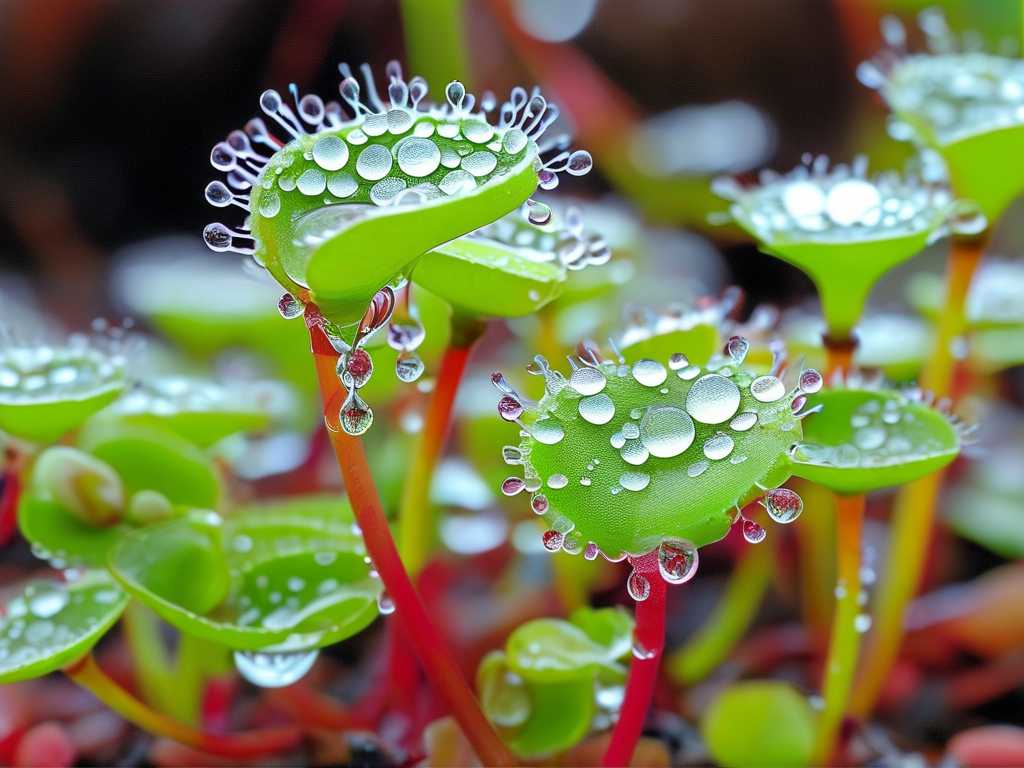
Sundews produce dew through specialized glandular hairs called tentacles. These tentacles need energy from photosynthesis and moisture from the roots. When either runs low, dew stops.
I learned this the hard way. My first sundew looked great for a month. Then the dew vanished. I panicked. I moved it to direct sunlight. I sprayed it with tap water. I made every mistake possible. The plant died within two weeks.
The second one lasted longer. I gave it filtered water. But I let the soil dry out between waterings. Big mistake. The dew dried up within days.
The third one? I followed the advice I'm about to share. It's been thriving for over 8 months now.
The Three Deadly Mistakes Beginners Make
Mistake 1: Watering from Above
I cannot stress this enough. Never pour water directly onto the leaves or the crown of the plant. This washes away the dew and damages the tentacles.
I used to gently mist my sundew every morning. Thought I was helping. Turns out I was destroying the dew glands. The water droplets would sit on the leaves, dilute the sticky dew, and eventually the tentacles stopped producing.
What I do now: I fill a tray with distilled water. The pot sits in that tray at all times. The plant drinks from the bottom. The leaves stay dry. The dew stays intact.
The 2-week observation: After switching to bottom watering, I saw new dew forming on the tentacles within 4 days. By day 10, the entire plant was covered in glistening droplets.
Mistake 2: Wrong Light Placement
Sunlight directs dew production. Without enough light, tentacles stop developing and existing dew evaporates without being replaced.
I tried growing a sundew on my north-facing windowsill. It got maybe 3 hours of weak morning light. The plant grew tall and lanky. The dew was barely visible. I moved it to a south-facing window with sheer curtains. Within a week, the tentacles turned reddish and dew reappeared.
My current setup: 14 hours under a full-spectrum LED grow light placed 6 inches above the plant. I use a timer to keep it consistent. No guesswork.
The 2-week observation: Day 1-3 showed minimal change. Day 5, I noticed tiny dew droplets forming on the youngest leaves. By day 14, the entire plant looked healthy and sticky.
Mistake 3: Wrong Pot Material
Plastic pots work best for sundews. Terracotta pots are death traps.
I wanted my setup to look nice. So I used a glazed ceramic pot with a drainage hole. The problem? The glaze and ceramic material slowly release minerals into the soil. Sundews are mineral-sensitive. The roots got damaged, the plant stopped producing dew.
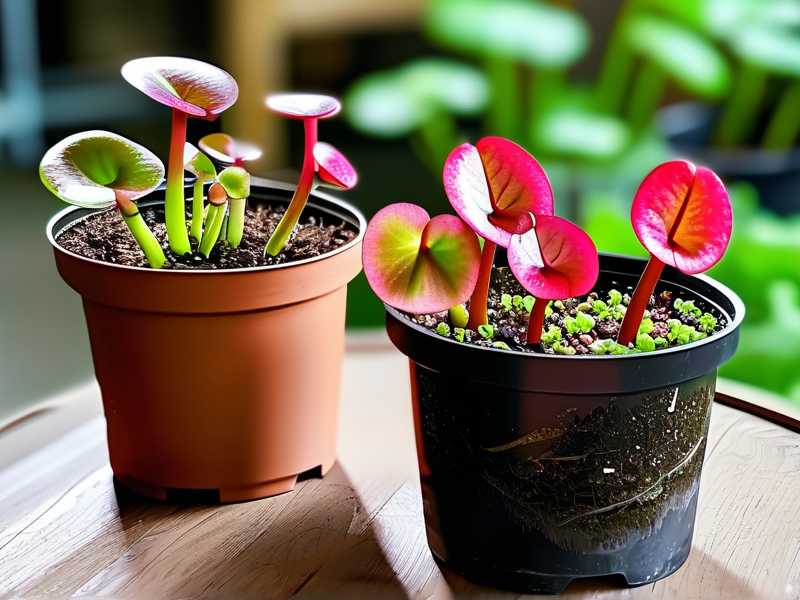
What I use now: Standard plastic nursery pots with drainage holes. I place them inside decorative outer pots for looks. But the inner pot is always plastic.
The 2-week observation: Within a week of switching to plastic, the roots started growing healthier. New leaves emerged with full dew coverage by day 12.
How I Fixed My Sundew's Dew Problem Step by Step
Step 1: Stop Everything
The moment I noticed dew disappearing, I stopped all watering, feeding, and moving the plant. I placed it in a stable spot with consistent temperature (68-75°F).
Step 2: Flush the Soil
I took the pot to the sink. I poured distilled water through the soil for 2 minutes straight. This flushed out any accumulated minerals from previous tap water use. I let it drain completely.
Step 3: Set Up the Tray Method
I found a shallow tray that fits under the pot. I filled it with distilled water. I placed the pot back in the tray. I made sure the water level stays at half an inch at all times.
Step 4: Adjust Light
I moved the plant to a south-facing window with a sheer curtain. On cloudy days, I supplement with a grow light for 4 hours. Total light exposure: 12-14 hours daily.
Step 5: Wait and Observe
I marked my calendar. I checked dew production every morning at 8 AM. I took photos to track progress.
Week 1 results: By day 4, small dew droplets appeared on the youngest leaves. By day 7, about 30% of the tentacles had visible dew.
Week 2 results: Day 10 showed dramatic improvement. Over 80% of tentacles were producing dew. The droplets were larger and stickier. By day 14, the plant looked completely healthy.
The Exact Water Schedule That Works
Many people ask me: how often should I water my sundew?
Here's my honest answer: never let the soil dry out.
I keep water in the tray at all times. I top it off every 2-3 days. In summer, I refill daily. In winter, every 4-5 days.
I tested this method with three different sundew species: Drosera capensis, Drosera spatulata, and Drosera adelae. All three responded the same way. Consistent bottom moisture led to consistent dew production.
The 2-week test with each species:
Drosera capensis: Dew started forming on day 3. Full coverage by day 11.
Drosera spatulata: Dew appeared on day 5. Took until day 14 to look perfect.
Drosera adelae: This one was slower. Dew started on day 6. Full recovery took about 18 days.
The Role of Humidity in Dew Production
I used to think humidity was the biggest factor. I ran a humidifier near my sundews for months. The dew still wasn't great.
Then I read a study from the RHS about carnivorous plant care. They explained that while humidity helps, it's not the main driver. Root moisture and light intensity matter more.
I tested this. I turned off the humidifier for a week. The dew remained consistent as long as the tray was full and the light was bright.
My current approach: I don't obsess over humidity. If the room is 30-50% humidity, the plant does fine. The dew stays. I only add humidity when the air drops below 25%.
The Temperature Sweet Spot
Sundews are not tropical plants that need constant heat. They actually prefer cooler nights.
I keep my plants at 72°F during the day. Night temperatures drop to around 60-65°F. This temperature drop signals the plant to produce more dew.
I learned this from the AHS guidelines on sundew cultivation. They recommend a temperature differential of 10-15°F between day and night for optimal dew production.
My 2-week temperature experiment:
Week 1: Constant 75°F day and night. Dew production was okay but not great.
Week 2: Dropped night temperature to 62°F. Dew droplets became noticeably larger and more numerous by day 4 of this change.
How I Salvaged My Worst Sundew
I had a Drosera binata that looked completely dead. No dew. Wilted leaves. Brown tips.
I almost threw it away. But I decided to try one last thing.
I cut off all the dead leaves. I repotted it in fresh sphagnum moss. I put it in a clear plastic container with a lid (essentially a terrarium). I filled the bottom with distilled water. I placed it under grow lights for 16 hours daily.
Within a week, new growth emerged. Tiny leaves with dew droplets. By week 3, it looked like a completely different plant.
What I learned: Sometimes the roots are still alive even when the leaves look dead. Don't give up too quickly.
The Fertilizer Trap
Sundews do not need fertilizer. They catch insects for nutrients. Adding fertilizer damages the roots and stops dew production.
I made this mistake. I thought a little liquid fertilizer would help my struggling plant. It killed the remaining tentacles within 48 hours. The dew vanished completely.
Never use fertilizer on sundews. The soil should be nutrient-poor. That's why they catch bugs in the first place.
Common Pests That Stop Dew Production
Aphids and fungus gnats can stress sundews and stop dew production.
I noticed my Drosera capensis stopped producing dew one winter. I checked the leaves carefully. Tiny aphids were hiding under the dew droplets.
I removed them manually with tweezers. I also used a diluted neem oil spray on the soil surface (not the leaves). Within 5 days, dew production resumed.
Prevention: I now inspect my sundews weekly. I look under leaves and near the base. Early detection makes treatment much easier.
The One Tool I Recommend for Every Sundew Owner
A TDS meter. It measures total dissolved solids in water.
I tested my tap water: 180 ppm. Too high. My refrigerator filter output: 45 ppm. Still too high for sundews. Distilled water: 0 ppm. Perfect.
I use the TDS meter to check every water source before giving it to my plants. It saves me from guessing.
Budget-friendly tip: You can collect rainwater if your area doesn't have heavy pollution. Test it with the TDS meter. If it reads below 20 ppm, it's safe.
Rewarding the Plant That Rewards You
After 2 weeks of proper care, my sundews produce dew so thick that flies stick instantly. I've caught dozens of fungus gnats. The plant literally feeds itself now.
The secret is patience. Stick to the routine. Check the water tray daily. Watch the light schedule. And don't touch the dew.
I used to poke the dew droplets out of curiosity. Big mistake. The gland needs time to rebuild. Leave the dew alone.
My 2-Week Care Calendar
Day 1: Flush soil with distilled water. Set up tray. Adjust light.
Day 2-3: No changes needed. Just observe.
Day 4: Check for new dew on youngest leaves. Take photo.
Day 5-6: Top off water tray. Don't move the plant.
Day 7: Evaluate progress. If no improvement, check for pests.
Day 8-10: Dew should be visibly increasing. Switch to 14-hour light schedule if not already.
Day 11-13: Maintain routine. Avoid any changes.
Day 14: Full assessment. Healthy plants should have dew on at least 70% of tentacles.
Frequently Asked Questions
Can I use tap water for my sundew?
No. Tap water contains minerals that damage sundew roots and stop dew production. Use distilled water, reverse osmosis water, or clean rainwater. I learned this after losing two plants to mineral buildup.
How long does it take for dew to return after fixing the issue?
Most sundews show improvement within 3-7 days. Full recovery takes 10-14 days. My Drosera capensis bounced back in 4 days. My Drosera adelae took 18 days. It depends on the species and how damaged the plant is.
Should I feed my sundew insects?
You can, but it's not necessary. Outdoor sundews catch plenty on their own. Indoor sundews can benefit from occasional feeding. I drop one dried bloodworm pellet on a single leaf every 2 weeks. Too much feeding actually stops dew production.
Final Thoughts from Someone Who Killed Three Sundews
I won't pretend I'm a sundew expert. I'm just someone who made every mistake possible and finally figured out what works.
The key is consistency. Bottom water. Use distilled water. Give lots of light. Keep the temperature stable. And be patient.
Your sundew will reward you with dew that glistens like morning frost. It's worth the wait.
If your sundew is struggling right now, start with the tray method today. Check back in 2 weeks. You'll see the difference.