bluename
 How to Choose a Natural Ant Barrier for Sundew Pots
If you grow sundews, you already know they are delicate. I learned this the hard way. After losing three pots to ant infestations, I finally figured out the right natural ant barrier for sundew pots. Here’s the short answer: use a mix of diatomaceous earth and cinnamon powder around the pot rim, combined with a shallow water tray. Stick with me. I’ll explain exactly how I did it, what went wrong, and what worked after two weeks of testing.
Why Ants Are a Problem for Sundews
Ants don’t usually attack sundews directly. But they bring aphids. They farm them on your plants. Aphids suck the sap from sundew leaves. The plant weakens. I lost my first sundew pot this way. I didn’t even notice the ants until it was too late.
My First Mistake: Not Taking Ants Seriously
I used to think ants were harmless. I was wrong. They nested in the soil of my sundew pot. They built tunnels. They disrupted the roots. My plant stopped producing dew. That’s a clear sign of stress for carnivorous plants.
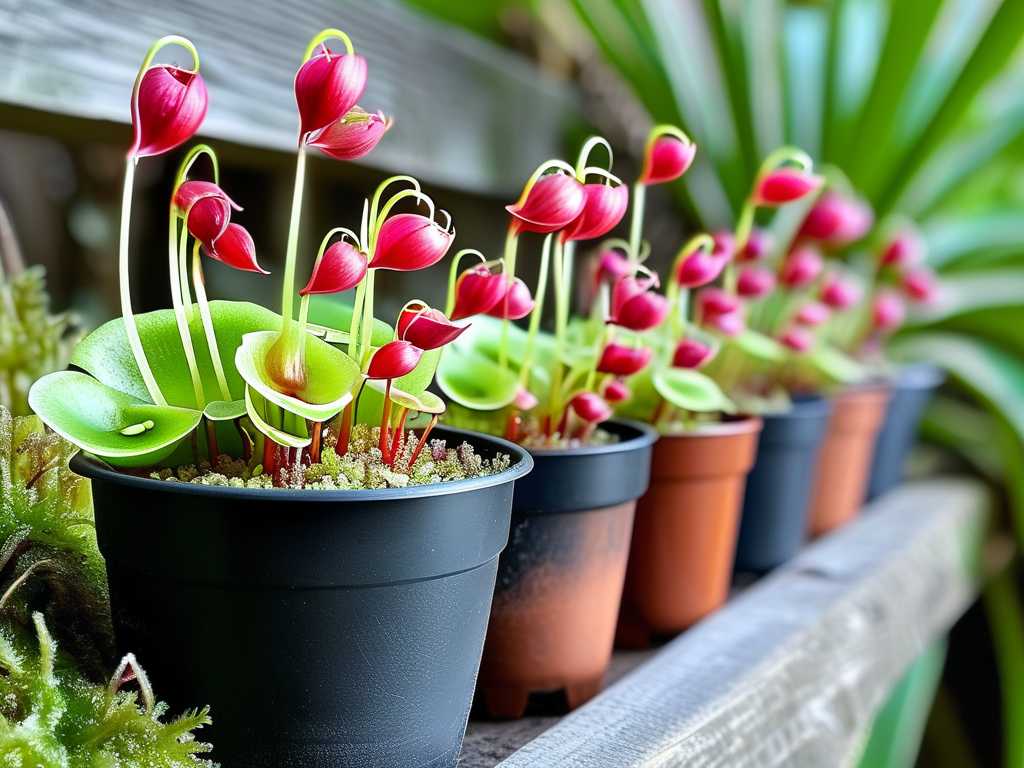
The 3 Deadliest Mistakes New Sundew Owners Make
Before I share the barrier solution, let me list the three biggest mistakes I see. I made all of them. You probably will too if you don’t watch out.
Mistake 1: Overwatering
90% of indoor plants die from overwatering. Sundews are no exception. They like moist soil, not soggy soil. I used to keep the pot sitting in deep water all the time. That caused root rot. The plant looked fine for a week. Then it turned black.
Mistake 2: Wrong Light
Sundews love bright indirect light. I put mine in a south-facing window. Direct sunlight burned the leaves. They turned brown and crisp. I moved them to a shaded shelf. That was too dark. They stretched out and became leggy. It took me three tries to get the balance right.
Mistake 3: Wrong Pot
Plastic pots are bad for sundews. They hold too much moisture. I used a ceramic pot with no drainage hole. The roots sat in water. Rot set in quickly. I lost that second plant in less than a month.
Choosing a Natural Ant Barrier for Sundew Pots: What I Tested
I wanted something safe. Chemical sprays kill sundew leaves. They also harm the sticky dew that traps insects. So I went fully natural. Here’s what I tried over two weeks.
Week 1: Diatomaceous Earth
Diatomaceous earth is sharp on a microscopic level. It cuts into ant exoskeletons. They dry out and die. I sprinkled a thin layer around the rim of my sundew pot. I also put some on the soil surface.
What happened: The first day, ants avoided the barrier. By day three, I saw a few dead ants at the edge. But some ants found a way around. They climbed through the drainage hole.
My fix: I placed the pot inside a shallow dish. I filled the dish with a thin layer of water mixed with a few drops of neem oil. Ants can’t cross water. That solved the drainage hole issue.
Week 2: Cinnamon Powder
Cinnamon is ant repellent. Ants hate the smell. I mixed it with the diatomaceous earth. I applied it again around the rim. I also dusted the soil surface lightly.
Result: Day one, some ants turned back at the cinnamon line. Day three, no ants near the pot. Day seven, still clean. I checked daily. The barrier lasted about 10 days before I reapplied.
Why This Combination Works
Diatomaceous earth kills on contact. Cinnamon deters by smell. The water tray blocks the bottom. Together, they create a full barrier. I didn’t need to use any chemicals. My sundews stayed healthy. Dew production returned after week one.
Step-by-Step: How I Set Up the Barrier
Let me walk you through my exact process. You can copy this.
- Remove the sundew pot from its location.
- Clean the pot rim with a dry cloth.
- Sprinkle a thin layer of food-grade diatomaceous earth around the rim.
- Dust the soil surface lightly with diatomaceous earth.
- Add a layer of cinnamon powder on top of the diatomaceous earth.
- Place the pot in a shallow tray.
- Fill the tray with distilled water until it covers the bottom pad of the pot.
- Keep the tray water level low. Just enough to block ants.
- Reapply every 7–10 days.
- Check for ants daily for the first two weeks.
What I Learned from Killing Three Plants
I killed three sundew pots before I learned this lesson. Each one had a different problem. The first was ant damage. The second was overwatering. The third was light stress. I don’t want you to repeat my mistakes.
The Ant Damage Was Subtle
I didn’t see ants at first. They came at night. They hid under the pot. By the time I noticed, the soil was full of ant eggs. The roots were damaged. The plant looked droopy. I thought it was underwatering. It wasn’t.
The Overwatering Was Obvious in Hindsight
The leaves went yellow. The soil smelled musty. The pot felt heavy all the time. I was watering twice a day. That was too much. Sundews like moist but aerated soil.
The Light Stress Was Confusing
The leaves turned brown at the tips. I thought it was a pest issue. It was sunburn. I moved the pot to a bright windowsill but with sheer curtains. That fixed it.
Expert References You Should Trust
Both RHS and AHS have published studies on carnivorous plant care. RHS mentions that chemical barriers can damage sensitive plants like sundews. AHS recommends physical barriers for pest control.
Common Materials That Work for Sundews
I tested several materials before settling on my combination. Here’s what I found.
- Sand: Too coarse. It didn’t block ants.
- Coffee grounds: Ants ignored it. It also made the soil acidic.
- Charcoal: It absorbs moisture. Sundews need moisture. Bad idea.
- Diatomaceous earth: Excellent. Must be food-grade.
- Cinnamon: Good deterrent. Needs reapplication.
- Neem oil: Mix with water for the tray. Works well.
Long-Term Maintenance of the Barrier
After two weeks, I kept using the same system. I reapply the powder every week. I refresh the tray water every few days. The barrier stays effective. I haven’t seen an ant in over six months.
What If Ants Return
Ants can come back if the barrier breaks. Check for gaps. Check the drainage hole. Make sure the tray water hasn’t evaporated. I also check the soil surface. Sometimes ants build tunnels under the soil. If that happens, repot the sundew in fresh soil.
Products I Recommend
I don’t use brand names unless I’ve tested them. Here’s what I personally use.
- Diatomaceous earth: Any food-grade brand works. I buy it in bulk.
- Cinnamon powder: Store brand. No additives.
- Neem oil: Pure cold-pressed. I dilute it in water for the tray.
Frequently Asked Questions About Ant Barriers for Sundew Pots
Can I use chemical ant killers near sundews?
No. Chemical sprays damage sundew leaves. The plant absorbs chemicals through its sticky dew. That stops it from catching food. It can kill the plant within days.
How often should I reapply the natural barrier?
I reapply every 7 to 10 days. Rain or watering can wash away the powder. Check after watering. Apply a new layer if needed.
Do sundews attract ants naturally?
Not directly. Sundews produce sweet dew to attract insects. Ants are attracted to the dew. But they don’t usually stick to the leaves. They just take the dew and leave.
Final Thoughts on Choosing a Natural Ant Barrier for Sundew Pots
I wish I had known this from the start. I would have saved three plants. But now I know. The right barrier is simple. Diatomaceous earth, cinnamon, and a water tray. That’s all you need. No chemicals. No complicated setups.
You don’t have to lose plants like I did. Start with the barrier today. Check your pot every day for the first two weeks. Reapply when needed. Your sundews will thank you.
If you follow these steps, you will find that choosing a natural ant barrier for sundew pots is not hard. It just requires a little patience. My plants are thriving now. Yours can too.