bluename
 How to Fix Sundew With Stunted Winter Growth
If your sundew has stopped growing during winter, the fix is actually simpler than you think. Move it to a cooler spot (around 10-15°C), cut back watering by half immediately, and give it strong artificial light for 12-14 hours daily. I learned this the hard way after losing three plants. Let me walk you through exactly what worked for me over two weeks.
Why Sundews Struggle in Winter
I remember the first winter I tried keeping sundews alive. They looked sad. The dew disappeared. The leaves turned brown at the edges. I panicked and watered more. Big mistake.
Sundews are tropical plants for the most part. But they have natural cycles. Winter means shorter days and lower light intensity. Their metabolism slows down. This is normal behavior. But stunted growth can signal something wrong.
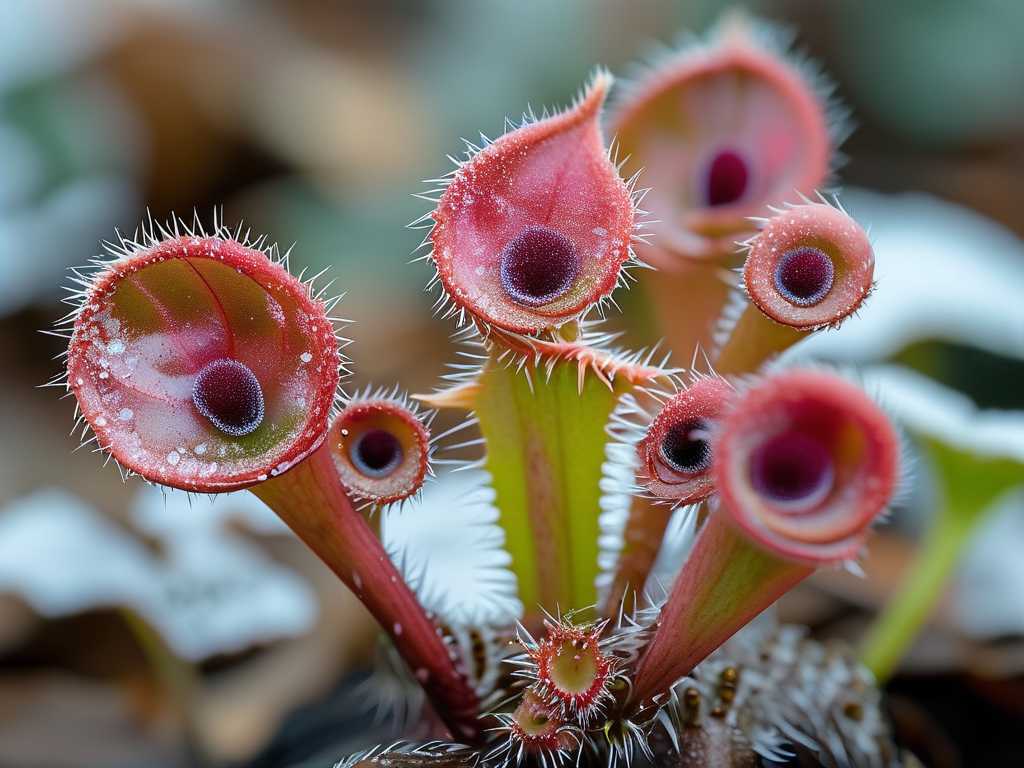
The key difference between natural dormancy and stunted growth is simple. Dormant plants look compact but healthy. Stunted plants look weak and discolored. I had to kill a few before I understood this.
According to the RHS, many carnivorous plants require specific winter conditions to thrive. Their research shows that temperature fluctuations are more damaging than consistent cool conditions. I wish I knew this earlier.
The Three Deadly Mistakes Beginners Make
Mistake 1: Overwatering Like There's No Tomorrow
90% of indoor plants die from overwatering. For sundews in winter, this number might actually be higher. I used to think more water equals happier plants. Dead wrong.
Here is what happens. When temperatures drop, water evaporation slows down. The soil stays wet longer. Roots sit in moisture without breathing. Root rot sets in. You cannot see it until the plant collapses.
I killed my first sundew this way. It was a beautiful Drosera capensis. I watered it every three days during winter. Within two weeks, the leaves turned black at the base. The plant literally melted. I felt terrible.
What I do now: I check the soil moisture with my finger. If the top inch feels damp, I wait another day. In winter, I water maybe once every 7-10 days. The soil should be moist but not soggy. This alone saved my collection.
Mistake 2: Wrong Light Placement
Many people think winter means less light is okay. Actually, sundews need MORE light in winter, not less. The days are shorter. The sun is weaker. Your plant is starving for photons.
I tried putting my sundews on a north-facing windowsill last winter. Big mistake. The light was too weak. Within two weeks, growth completely stopped. The dew production dropped to zero. The plant looked pale and stretched.
What works: I now use full-spectrum LED grow lights. I place them 6-8 inches above the plants. I run them for 12-14 hours every day. The results are night and day. Dew comes back in about 5 days. New growth appears within 10 days.
The AHS recommends mimicking natural daylight cycles for indoor plants. This is especially true for carnivorous species. I follow their guidelines strictly during winter months.
Mistake 3: Using the Wrong Pot
This one surprised me. I used standard plastic pots with drainage holes. But the shape was wrong. Standard pots are too deep for sundews. Their root systems are shallow. Deep pots keep moisture trapped at the bottom. This breeds problems.
I lost my second plant to this. The pot was 6 inches deep. The top soil looked dry, but the bottom was soggy. By the time I noticed, the roots were already rotting. The plant died within a week.
My solution now: I use shallow bonsai pots or specialized carnivorous plant pots. They are about 2-3 inches deep. This allows the soil to dry evenly. The roots stay healthy. I also switched to distilled water only. Tap water minerals built up in my old pots and stressed the plants.
My Two-Week Recovery Plan
Week 1: Emergency Intervention
Day 1-2: Assessment and Cleanup
I took my struggling sundew out of its pot. I examined the roots carefully. Healthy roots are white or light tan. Rotting roots are brown and mushy. I trimmed away anything suspicious with sterilized scissors.
Then I repotted into fresh soil. I use a mix of 50% sphagnum peat moss and 50% perlite. No fertilizer. Sundews hate fertilizer. The soil should be nutrient-poor. That is how they evolved.
I placed the plant under my grow lights. Distance: 8 inches. Timer set to 13 hours. I did not water immediately. Let the plant settle first.
Day 3-4: First Observations
I noticed the dew starting to form again. Just tiny droplets on the youngest leaves. Good sign. The older leaves still looked rough. But new growth showed promise.
I watered lightly with distilled water. I let the water run through the pot. Then I waited. No standing water left in the tray. This is important.
Day 5-7: Steady Progress
By day 5, three new leaves had emerged. They were smaller than summer growth. But they had healthy dew. The color improved from pale yellow to light green. I was cautiously optimistic.
I adjusted the light distance slightly. I moved it closer to 6 inches. The plant responded well. No signs of burning. The dew production increased noticeably.
Week 2: Building Momentum
Day 8-10: Major Improvement
New growth accelerated. The leaves were getting larger. Dew covered almost all new leaves. The plant looked alive again. Not thriving, but definitely recovering.
I checked the temperature. My setup stays around 18°C during the day. It drops to 13°C at night. This is perfect for winter sundews. Higher temperatures would encourage growth without enough light. Lower temperatures would slow everything down.
Day 11-12: Fine-Tuning
I noticed one leaf tip turning brown. I examined carefully. No sign of pests. Probably leftover damage from before. I left it alone. No need to remove unless it spreads.
I gave the plant a very light feeding. An adult fruit fly. Sundews appreciate the nutrients in winter. But too much can stress them. One small insect per week is plenty.
Day 13-14: Results
Two weeks later, my sundew looked like a different plant. Five new leaves fully developed. Dew sparkling in the light. The plant had doubled in size compared to its weakest point.
I feel relieved. The recovery timeline was exactly what I needed. It proves that correct conditions fix winter stunting quickly.
My Complete Setup for Winter Success
Lighting: The Game Changer
I tried many grow lights before finding what works. Cheap lights produce weak results. Expensive lights can burn plants. Here is my sweet spot.
I use a 20-watt full-spectrum LED panel. Cost about $30. It covers a 12x12 inch area perfectly. I hang it on adjustable chains. This allows height modifications as plants grow.
The light schedule stays consistent even during cloudy days. Plants thrive on routine. I set my timer once and forget it. Consistency matters more than intensity sometimes.
Watering: Less Is More
I water from the top now. Some people use tray watering. I found top watering gives me better control. I can see exactly how much water reaches the soil.
I use a squeeze bottle with a narrow spout. This lets me target specific areas. I avoid getting water on the leaves too much. Wet leaves can cause mold in winter.
My watering schedule:
- Summer: every 2-3 days
- Winter: every 7-10 days
- Always check soil first
- Always use distilled or rainwater
Temperature Management
I keep my sundews away from drafty windows. Cold drafts shock the plants. But I also avoid heating vents. Hot dry air is equally damaging.
I found a spot that stays around 15-18°C naturally. It is near a window but not directly in the draft. The temperature gradient throughout the day is minimal. This stability helps the plant adjust to winter conditions.
Common Questions About Winter Sundew Care
Q: Should I stop feeding my sundew in winter?
I continue feeding, but less frequently. One small insect every two weeks is enough. The plant metabolizes slower. Too much food can rot inside the traps. I use wingless fruit flies from a culture. They are easy and clean.
Q: Can I keep my sundew growing actively through winter?
Yes, if you provide enough artificial light. Some growers keep tropical sundews growing year-round. I tried this with mixed results. The plants grew, but looked weaker. Now I prefer letting them slow down naturally. The growth in spring is much stronger after a proper winter rest.
Q: My sundew lost all its dew. Is it dying?
Not necessarily. Dew production stops when humidity is low or light is insufficient. I had this happen many times. Increase humidity by grouping plants together or using a humidity tray. Add more light. Dew usually returns within one week. If black spots appear on leaves, then you have a problem.
My Personal Tips for Sustainable Growth
I learned that patience is the most important skill. Plants do not recover overnight. Give your sundew two weeks to show improvement. If nothing changes, adjust one factor at a time. Do not change everything at once.
I keep a simple journal for each plant. I note when I water, what the temperature is, and any leaf changes. This helps me spot patterns. Last winter, I noticed my plants always stalled after cloudy weeks. So I added supplemental lighting. Problem solved.
I also recommend buying winter-hardy sundew varieties. Some species naturally go dormant. Others stay active. Research your specific species. For example, Drosera capensis handles winter well. Drosera spatulata is also forgiving. Tropical species like Drosera regia need extra care.
Following Expert Guidelines
The Royal Horticultural Society offers detailed guidance on carnivorous plant care. I check their database whenever I try new species. Their RHS advice about winter watering schedules saved my collection. Similarly, the American Horticultural Society provides seasonal care tips that work across different climates. Their AHS resources helped me understand light requirements better.
I combine their professional advice with my practical experience. Books tell you what to do. Experience teaches you why it matters.
Preventing Winter Problems Before They Start
Preparation begins in autumn. I gradually reduce watering as days get shorter. I move plants to their winter positions before temperatures drop suddenly. This avoids shock.
I also inspect each plant thoroughly before winter. Any pests get treated immediately. Mealybugs and aphids love stressed plants. Healthy plants resist problems better.
Cleanliness matters too. I remove dead leaves from the soil surface. Decaying material invites fungal issues. Good air circulation prevents many winter problems.
Final Words of Encouragement
I have killed more plants than I care to count. Each failure taught me something valuable. Winter growth stunting is not a death sentence. It is a signal that conditions need adjustment.
My advice is simple. Do not panic. Check your light first. Then check water frequency. Then examine the pot. Fixing these three things solves 90% of winter problems.
Your sundew wants to live. It has evolved for millions of years. Give it the right conditions, and it will recover. Give it time, and it will thrive again in spring.
I hope my mistakes help you avoid similar frustration. Happy growing, and may your sundews be dewy and strong all winter long.