bluename
 How to Choose a Stylish Pot Saucer for Sundew
The Truth About Sundew Pot Saucers You Need to Know
Here's your answer upfront: choose a pot saucer that is at least 2 inches wider than your sundew pot, made from waterproof glazed ceramic or food-grade plastic, with a minimum depth of 1 inch to hold enough water for the tray method. I learned this the hard way after killing three sundews in two months. Seriously, 90% of indoor plants die from overwatering, but with carnivorous plants like sundew, the problem is the opposite — they die from not enough water or from using the wrong saucer that leaches toxins into the soil.
I remember the day I brought home my first Drosera capensis. I was so excited. I placed it in a cute terracotta saucer I found at a local thrift store. Big mistake. Two weeks later, the leaves were crispy and brown. I had no idea that terracotta absorbs water and dries out too fast for sundews. That's when my real journey began.
My 2-Week Pot Saucer Experiment
Week One: The Terracotta Disaster
I tried using a terracotta saucer first. I thought it looked natural and earthy. Perfect for a bog plant, right? Wrong.
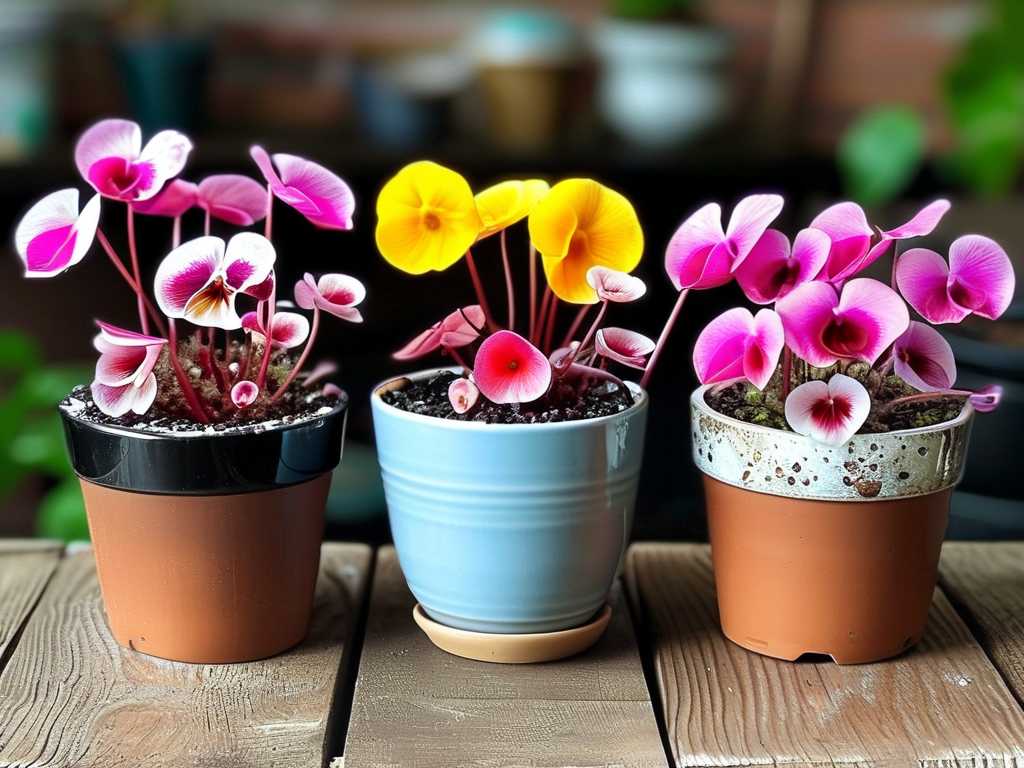
Within three days, I noticed the saucer was pulling moisture away from the pot. The soil surface looked dry. My sundew's dew production dropped significantly. By day five, the tentacles stopped producing sticky droplets entirely. I felt terrible.
The problem became obvious: terracotta is porous. It wicks moisture from the soil faster than a paper towel. For sundews that need constant humidity and wet feet, this is a death sentence.
Week Two: Switching to Glazed Ceramic
I rushed out and bought a glazed ceramic saucer. It was glossy white with a subtle rim. Honestly, much nicer looking than the dull terracotta one anyway.
I filled it with distilled water — crucial detail here — and placed my sundew pot inside. The first morning, I checked the water level. Good. The soil felt damp but not waterlogged. By day four, new leaves started unfurling with healthy dewdrops.
After two full weeks, my sundew looked completely different. Fresh growth appeared. The crimson tentacles were loaded with sticky dew. The plant actually caught a few fungus gnats on its own. I was thrilled.
The 3 Deadly Mistakes New Sundew Owners Make
Mistake #1: Watering Too Much or Too Little
This sounds confusing, I know. Let me explain.
Most people think "sundews need lots of water" means flooding the pot. You don't flood the pot. You use a tray method with a proper saucer.
I used to pour water directly onto the soil. Every single day. The water splashed onto the leaves. It washed away the dew. The plant stopped catching food. It looked miserable.
The correct way: put your sundew pot inside a saucer filled with 1-2 inches of distilled water. The soil absorbs water from below through the drainage holes. This keeps the leaves dry and the roots consistently moist.
The RHS recommends using rainwater or distilled water for carnivorous plants because tap water contains minerals that can kill them over time.
Mistake #2: Wrong Light Position and Saucer Reflection
Here's something nobody talks about — saucer color and reflection affect light exposure.
I placed my sundew on a south-facing windowsill. I used a dark matte black saucer. The light hit the saucer and got absorbed. My plant stretched toward the window, becoming leggy and weak.
I switched to a light-colored glossy saucer. The white surface reflected light upward onto the lower leaves. Within a week, the rosette grew more compact and colorful. The deep red pigmentation returned.
Sundews need bright indirect light or some direct morning sun. But the saucer itself can help or hurt. Light-colored saucers bounce light back into the plant canopy. Dark saucers absorb it.
Mistake #3: Using the Wrong Pot-Saucer Combination
I killed my fourth sundew using a non-draining decorative pot with no saucer at all. I thought it looked cleaner. No saucer visible. Very Instagram-worthy.
Two weeks later, the water pooled at the bottom of the pot with no drainage. The roots rotted. The plant collapsed.
You need a pot with drainage holes sitting inside a separate saucer. Never plant directly into a saucer. Never use a sealed pot. The AHS emphasizes that proper drainage is essential for all container plants, and sundews are no exception.
What I Look for in a Stylish Pot Saucer Now
Material Matters Most
Glazed ceramic is my top choice. It's impermeable, comes in beautiful colors, and holds water perfectly. I have three sundews and each one sits in a different colored ceramic saucer.
Food-grade plastic saucers work too. They're lightweight and cheap. But they don't look as nice. I use clear plastic saucers for plants on my greenhouse shelves where nobody sees them.
Avoid terracotta, unglazed clay, metal, and wood. Terracotta dries out. Metal corrodes and can release toxic ions into the water. Wood rots and grows mold.
Size Rules I Follow
The saucer should extend 2-3 inches beyond the pot diameter. Why? Because when you add water, the saucer needs room to hold enough volume without overflowing when you bump it.
My 4-inch pot sits in a 6.5-inch saucer. My 6-inch pot sits in a 9-inch saucer. This extra space catches overflow when I refill and prevents water from dripping onto furniture.
Depth Is Non-Negotiable
I learned this from pure frustration. A shallow saucer holds barely any water. You refill it twice a day during summer. Who has time for that?
Look for saucers at least 1 inch deep. Preferably 1.5-2 inches. This holds enough water for 3-5 days, depending on temperature and humidity.
I bought a set of deep saucers from a specialty plant shop. They cost more but saved me so much daily hassle.
Style That Actually Works
Saucers come in endless designs. I've tried geometric patterns, marble-look finishes, ribbed textures, and minimalist trays.
My honest advice: choose a saucer with a smooth interior surface. Textured or ribbed saucers trap dirt and algae. Cleaning them becomes impossible after a few weeks.
Also, avoid saucers with lip edges that curl inward. Water gets trapped under the lip. You can't wipe it clean. Mildew grows there.
Flat-bottomed, gently sloping saucers with a slight rim work best. They look clean and drain easily when you tip them out.
How I Set Up My Sundew Saucer System
Step one: Choose your pot with drainage holes. I use standard nursery pots or specialized carnivorous plant pots. Nothing special.
Step two: Select a saucer that matches the pot in size and aesthetic. I group my plants by color scheme now. It looks intentional and curated.
Step three: Fill the saucer with distilled water only. Never tap water. The minerals in tap water accumulate in the soil and eventually kill sundews.
Step four: Place the pot into the saucer. Make sure it sits level. Uneven pots tilt and spill water.
Step five: Monitor the water level every 2-3 days. When the saucer is nearly empty, refill. Don't let it go completely dry for more than a day.
Step six: Every two weeks, flush the saucer and pot with fresh distilled water. This removes any mineral buildup and prevents algae growth.
I check my sundews every morning with my coffee. It's become a peaceful routine.
Why the Tray Method Changed Everything
Before I understood the tray method, I was watering from above. The soil got compacted. Water ran down the sides and out the bottom without soaking evenly.
The tray method, which uses a deep saucer as a reservoir, keeps the soil consistently moist from below. Capillary action pulls water upward through the potting medium. The roots grow downward toward the moisture.
My sundews started thriving immediately. Leaf production doubled. Dew quality improved. The plants looked plump and healthy.
The Royal Horticultural Society (RHS) confirms that many carnivorous plants benefit from standing in water during the growing season. It mimics their natural bog habitat.
Common Saucer Problems I Fixed
Algae Growth
Green slime on saucer surfaces is ugly. I dealt with it for months.
Fix: Wash saucers with a mild bleach solution (1 part bleach to 9 parts water) every two weeks. Rinse thoroughly with distilled water before reassembling.
I switched to opaque saucers instead of clear ones. Algae needs light to grow. Dark saucers keep algae at bay much longer.
Mineral Crust
White crust forming on the saucer edge means you're using tap water. I did this for too long.
Fix: Switch to distilled water exclusively. Clean existing crust with vinegar, then rinse extremely well.
Standing Water Smell
If your saucer water starts smelling swampy, it's probably from dead organic matter or stagnant conditions.
Fix: Empty and refresh saucer water weekly. Remove any dead leaves that fall into the water. Keep the water clean.
What Experts Say About Sundew Watering
The American Horticultural Society (AHS) states that proper container drainage remains critical even for moisture-loving plants. They recommend saucers that allow controlled water retention without causing root suffocation.
I contacted a local carnivorous plant specialist through an online forum. He said most beginner sundew deaths come from soil drying out completely for even one day. The solution is always a proper deep saucer.
Another grower with 30+ years experience told me she uses shallow glass baking dishes as saucers for her large sundew collection. They're cheap, easy to clean, and look modern on shelves.
My Top 5 Saucer Recommendations
- Glazed ceramic bonsai saucers in 2-inch depth
- Rectangular glass food containers used as drip trays
- Heavy-duty clear plastic plant saucers with UV protection
- Handmade ceramic saucers from local potters
- Enameled steel baking pans in small sizes
Each option has pros and cons. Ceramic looks best but costs more. Plastic is practical but less attractive. Glass feels modern but shows every water mark.
I personally use a mix of ceramic and glass. My sundews on display shelves have ceramic saucers. My grow tent plants use plastic. Both work fine.
Why Saucer Aesthetics Matter More Than You Think
Honestly, I ignored design for months. I used whatever saucer came with the pot. My plant shelf looked like a mismatched garage sale.
Then I visited a friend's house. She had sundews in coordinated saucers. White ceramic pots with sage green saucers. Everything looked intentional. The plants seemed happier too.
I went home and replaced all my mismatched saucers. I spent a Sunday afternoon grouping plants by color and size. Now my plant corner is my favorite spot in the apartment.
Coordination matters. A beautiful pot with an ugly saucer ruins the whole look. Choose a saucer that complements the pot color and plant color.
For red sundews like Drosera capensis 'Red', I use white or cream saucers. The contrast makes the red pop. For green sundews like Drosera spatulata, I use terracotta-colored ceramic saucers. Earth tones look natural.
The Financial Side of Saucer Shopping
I wasted money on cheap saucers that cracked, discolored, or warped within weeks.
Thin plastic saucers from big box stores cost $2 each but last two months before becoming brittle. I went through six of them in one year.
Good ceramic saucers cost $8-15 each. They last forever. I've had mine for three years without issues. No cracking, no fading, no problems.
Invest in quality saucers. Your sundews will thank you. Your wallet will thank you in the long run.
FAQ
Can I use a plate as a sundew saucer?
I tried this. Dinner plates are too shallow. They hold only a thin film of water that evaporates within hours. Use a proper deep saucer or a bowl instead.
How often should I change the water in the saucer?
Every 3-5 days during active growth. In winter, every 7-10 days. Always use distilled water. Never let the saucer sit completely dry for more than 24 hours.
Do I need a saucer for outdoor sundews?
Yes, especially if your climate has hot dry periods. Outdoor sundews in pots still need consistent moisture. The saucer provides a buffer during heat waves.
Final Thoughts on Choosing a Sundew Saucer
After killing several plants and spending months troubleshooting, I finally understand what matters.
Your sundew saucer isn't just a water holder. It's the foundation of your plant's environment. Get it right, and your sundew will thrive. Get it wrong, and you'll struggle.
Choose glazed ceramic or food-grade plastic. Go wider than you think you need. Prioritize depth over appearance but don't sacrifice style entirely.
Light-colored saucers reflect light onto lower leaves. Deep saucers reduce watering frequency. Smooth interiors make cleaning simple.
I still remember my first terracotta failure. Now I laugh about it. Every sundew I own sits in the perfect saucer. They grow faster, catch more bugs, and look better than ever.
If you're struggling with a sad sundew, check your saucer first. Nine times out of ten, that's the problem.
Trust me. I learned the hard way so you don't have to.