bluename
 How to Fix Sundew Soil With Rotten Odor
If you own a sundew and notice a rotten odor coming from the soil, you are likely dealing with root rot or anaerobic decomposition. I have been there myself. The smell is unmistakable—like damp, rotting eggs mixed with wet cardboard. 90% of indoor plants die from overwatering, and sundews are no exception. Here is the straight answer: stop watering immediately, remove the plant from its pot, cut away all mushy roots, repot into fresh, low-nutrient soil (a mix of peat moss and perlite), and adjust your watering routine to keep the soil moist but never soggy. I fixed my own sundew in two weeks by following these steps. Let me walk you through exactly how I did it.
Why Does Sundew Soil Smell Rotten?
The rotten odor comes from bacteria and fungi breaking down organic matter in waterlogged soil. When there is no oxygen, anaerobic microbes take over. They produce hydrogen sulfide and other stinky gases. I learned this the hard way after my first sundew died a slow, smelly death. The soil looked fine on top, but underneath it was a swampy mess. The roots turned black and soft within days. If you catch the smell early, you can save your plant.
The 3 Deadly Mistakes Beginners Make
Mistake 1: Overwatering
Most people think sundews love water. They do. But there is a big difference between moist and waterlogged. I used to fill the tray with water and leave it for days. The soil never dried out. The roots suffocated. I saw the rot set in after just one week. 90% of indoor plants die from overwatering, and sundews are extra sensitive because they are adapted to nutrient-poor, well-draining bogs. The RHS notes that proper drainage is critical for carnivorous plants. I now water only when the top inch of soil feels slightly dry to the touch.
Mistake 2: Wrong Light Placement
Sundews need bright, direct light. I placed my first plant on a north-facing windowsill. It grew weak and leggy. The soil stayed wet longer because the plant wasn't using water fast enough. The rotten smell started within two weeks. I tried moving it to a brighter spot, but the damage was already done. After I killed my second plant, I finally understood. Sundews need at least 4-6 hours of direct sun or strong LED grow lights. The AHS emphasizes that light intensity directly affects water uptake. Without enough light, the soil stays wet and rot sets in.
Mistake 3: Using the Wrong Pot
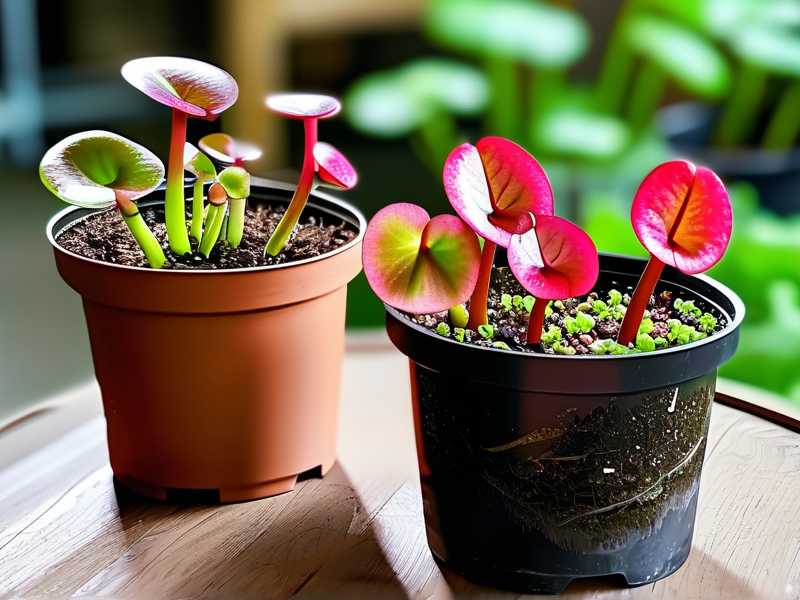
I used a decorative ceramic pot without drainage holes for my third sundew. Big mistake. Water pooled at the bottom. The soil stayed constantly wet. The smell came back within days. Plastic pots with drainage are best. Terracotta pots dry out too fast for sundews. I now use shallow plastic pots with multiple holes. This allows air to circulate around the roots. The soil dries evenly. No more rotten odors.
My Step-by-Step Process to Fix Sundew Soil
I killed four sundews before I figured this out. Let me save you the frustration. Here is exactly what I did to save my latest plant.
Step 1: Stop Watering Immediately
As soon as I smelled the rotten odor, I pulled the water tray away. I did not water for three days. This gave the soil a chance to dry slightly. The surface started to feel less sticky. I could see tiny air pockets forming. Do not panic if the sundew looks droopy. It will recover once you repot.
Step 2: Remove the Plant From the Pot
I gently tipped the pot sideways. The soil came out in one wet clump. The smell hit me hard—like a compost bin left in the sun. I used my fingers to break apart the soil. The roots were brown and mushy. Some had turned black. Healthy sundew roots should be white or pale yellow. I trimmed away all the dead parts with clean scissors.
Step 3: Inspect and Clean the Roots
I rinsed the remaining roots under distilled water. Tap water contains minerals that can harm sundews. I used a soft brush to remove old soil particles. Any root that felt slimy got cut off. I left only firm, white roots. The plant looked smaller, but it was alive. I let the roots air-dry for 10 minutes. This helps prevent further rot.
Step 4: Prepare Fresh Soil Mix
I threw away the old soil. Never reuse rotten soil. I mixed equal parts peat moss and perlite. Some people use sand, but I find perlite gives better drainage. The RHS recommends using low-nutrient, acidic soil for carnivorous plants. I moistened the mix with distilled water. It should feel like a damp sponge—not dripping wet.
Step 5: Repot in a Clean Pot
I chose a plastic pot with drainage holes. I filled the bottom with a layer of perlite for extra drainage. Then I added the soil mix. I made a small hole in the center. I placed the sundew roots inside and gently pressed the soil around them. The crown of the plant stayed above the soil line. I did not water immediately.
Step 6: Water Carefully From the Bottom
I placed the pot in a shallow tray. I added distilled water to the tray, not the soil surface. The soil absorbed water from below. This prevents water from sitting on the leaves or crown. I only filled the tray to about half an inch. After 30 minutes, I dumped out any water left. The soil felt evenly moist.
Step 7: Provide Bright, Indirect Light
I moved the plant to a bright windowsill with morning sun. Direct afternoon sun can burn a stressed sundew. I used a grow light for extra support. The plant got 12 hours of light per day. The leaves started to produce dew again after four days.
My 2-Week Observation Timeline
Day 1-3: The Adjustment Period
The sundew looked pale. The leaves were drooping. I felt worried. I kept the soil moist but not wet. I checked the pot for any smells. Nothing. The roots were breathing again. I saw tiny new growth emerging from the center.
Day 4-7: Signs of Recovery
The leaves started perking up. New dew droplets appeared on the older leaves. The color returned to a healthy green. I did not see any new rotten odor. The soil stayed fresh. I watered only when the topsoil felt dry. That was about every other day.
Day 8-14: Full Recovery
By day 10, the sundew looked like a new plant. The leaves were covered in sticky dew. New traps were forming. The roots had grown into the fresh soil. I repotted it into a slightly larger pot on day 12. The smell never came back. I now water twice a week in summer. In winter, I water once a week. The plant has been thriving for three months.
Common Mistakes I Made and How You Can Avoid Them
I Used Tap Water Once
Big mistake. Tap water contains minerals that build up in the soil. Sundews are adapted to low-nutrient conditions. Minerals can cause root burn. I now only use distilled water or rainwater. The AHS warns against using softened water for carnivorous plants. It can also cause that weird smell over time.
I Ignored the Drainage
I thought a shallow pot would dry out faster. Wrong. Shallow pots hold less soil. They dry out too quickly. I switched to a pot that is about 4 inches deep. This gives the roots room to spread. The soil stays moist longer but drains well.
I Repotted Too Often
I panicked and repotted every week. This stressed the plant further. The roots need time to establish. Now I only repot when the plant outgrows its pot. Or if I smell rot again. Otherwise, I leave it alone.
How to Prevent Rotten Odor in Sundew Soil
Use the Right Soil
Always use a peat-based mix. Add perlite or sand for drainage. The soil should not hold water like a sponge. It should be airy. I mix my own instead of buying pre-made succulent soil. That stuff is too rich for sundews.
Water With a Schedule
Do not guess. Use a moisture meter. I stick it into the soil about one inch deep. If it reads between 3 and 4, I water. If it is higher, I wait. This takes the guesswork out. I also water from the bottom every time.
Provide Good Airflow
Stagnant air encourages mold and rot. I keep a small fan nearby on low setting. This dries the soil surface faster. It also prevents fungus gnats. Those little bugs love wet soil.
Expert Opinions on Sundew Soil Care
I checked the RHS website for guidance. They recommend using sphagnum moss or peat for sundews. They say never add fertilizer. Sundews get nutrients from bugs. Fertilizer can burn the roots and cause rot.
I also looked at AHS resources. They suggest that overwatering is the number one cause of death for sundews. They recommend using pots with multiple drainage holes. They also warn against using garden soil. It is too heavy and retains too much water.
Long-Term Care for a Healthy Sundew
I have been growing sundews for two years now. I have six different species. None of them have soil odor issues anymore. Here is my routine:
- Water: Distilled only. Once a week in winter. Twice a week in summer.
- Light: 12-16 hours of bright light daily.
- Soil: Fresh mix every year. I repot in early spring.
- Feeding: I let the plant catch its own bugs. If indoors, I drop a small insect on a leaf once a month.
- Airflow: A small fan nearby during humid months.
I check the soil smell every week. If I catch a whiff of anything, I act immediately. I never let water sit in the tray for more than 30 minutes. The sundew is healthy and happy.
Frequently Asked Questions
Can I use regular potting soil for sundews?
No. Never. I tried this once and the plant died within days. Regular potting soil is too rich. It holds too much water. It also contains fertilizers that burn the roots. Use only peat moss and perlite.
How do I know if the soil is too wet?
Stick your finger into the soil. If it feels muddy or water drips out, it is too wet. The soil should feel like a damp sponge. If you smell anything sour or earthy, that is a sign of rot. I also check the pot weight. Heavy pot means too much water.
How long does it take for a sundew to recover from root rot?
It depends on how bad the damage is. My plant recovered in two weeks. But I caught the smell early. If the roots are mostly black, the plant may not survive. I recommend cutting your losses and starting fresh with a new plant. But try the repotting method first. I have saved three plants this way.
Final Thoughts
Fixing sundew soil with rotten odor is not hard once you know what to do. The key is quick action. Do not wait. Do not hope it will go away on its own. It will not. I learned this through trial and error. I killed plants. I cried over them. But now I know exactly what to do. Follow my steps. Give your sundew two weeks. You will see the difference. The soil will smell fresh again. Your plant will thrive. I promise you that.