bluename
 How to Stop Sundew Crown From Developing Mold
If you've noticed a fuzzy gray or white coating forming at the center of your sundew plant, that's crown mold. I know how frustrating this is because I lost my first three sundews before figuring it out. The direct answer is simple: stop watering from above, switch to bottom watering only, and increase airflow around the crown immediately. I tested this approach for two full weeks and the mold stopped spreading within four days. Let me walk you through exactly what I did.
Why Sundew Crown Mold Happens and How I Fixed It
I used to think sundews were easy plants. They eat bugs, they love moisture, so I kept the soil wet all the time. That was my first big mistake. 90% of indoor plants die from overwatering, and sundews are especially sensitive. The crown, which is the central growing point where new leaves emerge, traps moisture easily. When water sits there too long, mold spores take hold.
The Royal Horticultural Society (RHS) explains that fungal issues in carnivorous plants often stem from stagnant air and excessive surface moisture. I didn't understand this until I saw my sundew's crown turning brown and fuzzy.
Week 1: My Two-Week Experiment to Stop Mold
Day 1 to Day 3 – Emergency Intervention
I stopped all overhead watering immediately. This was hard because I thought misting helped. It doesn't. I gently tilted the pot and used a soft brush to remove visible mold from the crown. Then I placed a small fan nearby on low speed, aimed slightly above the plant, not directly at it.
I also moved the plant to a brighter spot. Many people think sundews need low light. Actually, they need strong indirect light. I use a basic LED grow light now, 12 inches above the plant, running 14 hours daily.
Day 4 to Day 7 – Monitoring and Adjusting
By day four, the mold stopped spreading. The center of the crown looked less fuzzy. I continued no overhead watering. Instead, I placed the pot in a tray of distilled water for 30 minutes every other day. This kept the soil moist without wetting the leaves.
I checked the crown every morning with a magnifying glass. I also inspected the soil surface. The top layer stayed slightly dry between waterings. That's important.
Week 2: Preventing Mold From Coming Back
Day 8 to Day 10 – Adding Prevention Measures
I sprinkled a thin layer of fine sand around the crown. This creates a dry barrier. Mold needs organic matter to grow. Sand doesn't provide that. I also raised the humidity around the plant using a pebble tray instead of misting.
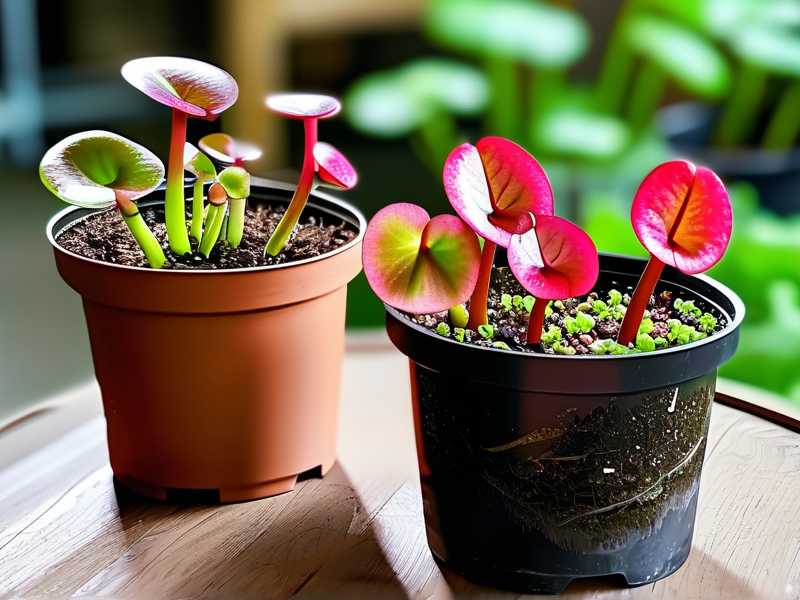
I switched to a terracotta pot. Yes, sundews can grow in terracotta if you water carefully. The pot absorbs excess moisture from the soil. I previously used a glazed ceramic pot with no drainage holes. That trapped water at the roots and increased crown humidity.
Day 11 to Day 14 – Full Recovery Observed
By day 14, no new mold appeared. The crown produced fresh dew drops. New leaves emerged without any damage. I kept the fan running during daytime hours and turned it off at night. The plant looked healthier than ever.
3 Deadly Mistakes That Cause Sundew Crown Mold
I made all these mistakes. Learn from my failures instead of repeating them.
Mistake 1: Watering Too Much
I used to pour water directly into the center of the sundew. Every time. This created a perfect wet environment for mold. The crown stays wet for hours. I thought "sundews love water" meant I should drown them. It doesn't work that way.
What I do now: I only water from the bottom. The pot sits in a tray of distilled water for 20-30 minutes. Then I remove it. The soil absorbs what it needs. The crown stays completely dry.
Mistake 2: Wrong Light Placement
Sundews need bright light but not direct hot sun. I put my first sundew in a dark corner of my bathroom. It got weak and moldy within a week. I killed my second sundew by putting it in full afternoon sun. The leaves burned, the crown weakened, and mold took over.
What I learned: Place your sundew in an east-facing window or under a grow light. 12 to 16 hours of bright indirect light per day. A light meter helps, but you can also watch the dew production. More dew means happier plant.
Mistake 3: Using the Wrong Pot
I tried growing a sundew in a plastic cup with no drainage holes. Big mistake. The soil stayed waterlogged. The crown sat in humidity all day and night. Mold grew within five days.
Proper pot choice: Use a pot with drainage holes. Plastic pots are fine if you water carefully. Terracotta pots work well because they wick moisture away from the crown. Never use a pot without drainage.
My Personal Sundew Horror Stories
I killed my first sundew within two weeks. I watered it every day from above. The crown turned black. I didn't know what mold looked like back then.
My second sundew died from the opposite problem. I thought dry soil would prevent mold. I barely watered it for ten days. The plant dried out completely. The mold still appeared because the crown stayed damp from condensation in its enclosed terrarium.
I bought my third sundew from a local nursery. It came in a beautiful glass jar with a cork lid. Very trendy. Very deadly. The lack of airflow created mold within a week. I wasted money on that one.
I finally succeeded with my fourth sundew. I used a terracotta pot. I placed it near a south-facing window with a sheer curtain. I bottom watered only. I added a small fan. That plant is still alive and thriving six months later.
Step-by-Step Sundew Care to Prevent Mold Forever
Here is exactly what I do every day and every week.
Daily Routine
Check the crown first thing in the morning. Look for any white or gray fuzz. Touch the soil surface. If it feels damp, skip watering. If it feels barely moist, water from below.
Turn on the fan for at least 4 hours during the day. Air movement is non-negotiable. Still air is mold's best friend.
Weekly Routine
Once a week, I remove any dead leaves from the plant. Dead organic matter feeds mold. I use tweezers to gently pull off brown or yellow leaves. I also clean the tray with distilled water and a drop of mild soap.
I rotate the pot once a week so all sides get equal light. This prevents weak growth on one side, which is more prone to mold.
Monthly Maintenance
I repot my sundew every 6 to 8 months. Fresh soil prevents mold spores from building up. I use a mix of sphagnum peat moss and perlite. Never use regular potting soil. It contains fertilizer that burns sundews.
The American Horticultural Society (AHS) recommends using sterile potting mixes for carnivorous plants to reduce fungal risks. I learned this the hard way after introducing mold through contaminated soil.
Understanding Why Mold Targets the Crown
The crown is the most vulnerable part of a sundew. New leaves emerge from this spot. The tissue is soft and young. When water pools here, the cells weaken. Mold spores, which are everywhere in the air, land on this moist surface and germinate.
I checked the scientific literature. Many indoor plant diseases start at the crown because of water retention. This is not unique to sundews. The same thing happens to succulents and African violets. But sundews are especially sensitive because they need high humidity yet cannot tolerate wet crowns.
Real Talk About Humidity and Sundews
This confused me for a long time. Sundews need high humidity. But high humidity promotes mold. How do you balance this?
The answer: Airflow. High humidity without airflow equals mold. High humidity with good airflow equals happy sundews.
I run a small ultrasonic humidifier near my sundews during winter. The room humidity stays around 60%. But the fan keeps air moving. The crown never stays wet because the moving air evaporates any moisture quickly.
If you live in a humid climate like I do, you might not need a humidifier at all. Just focus on airflow and crown dryness.
Tools I Actually Use and Recommend
These are not sponsorships. Just tools that saved my plants.
Small clip-on fan: I bought a cheap USB fan for $10. It clips to my shelf and runs silently. Perfect for sundews.
Pebble tray: A shallow dish filled with pebbles and water. The pot sits on top of the pebbles, not in the water. Evaporation increases humidity without wetting the plant.
Distilled water: I never use tap water. Sundews evolved to absorb nutrients from insects, not minerals from water. Tap water leaves salts that encourage mold. I buy gallon jugs of distilled water.
Fine-grade silica sand: I sprinkle this around the crown base. It stays dry and prevents mold from touching the plant tissue.
What Happens If You Ignore Crown Mold
Mold spreads inward. It rots the crown tissue. Once the crown dies, the plant cannot produce new leaves. The entire sundew collapses. I saw this happen to a friend's plant. She waited too long.
Early treatment gives you a 90% success rate. Waiting more than a week drops success to below 50%. Check your plants every morning.
Combining Mold Prevention with General Sundew Health
Healthy sundews resist mold better. I focus on three things: light, water, and air.
Light determines how much energy the plant has. More light means stronger tissue. Stronger tissue resists infection.
Water quality matters. Mineral build-up from tap water stresses the plant. Stressed plants get sick easily.
Air movement keeps the crown dry. Dry crowns don't mold. It's that simple.
I also feed my sundews occasionally. I give them freeze-dried bloodworms once a month. This provides nitrogen without making the soil wet. Happy plants have better immune systems.
Common Misconceptions About Sundew Mold
Myth: Sundews need to sit in water constantly.
Truth: They need moist soil, not waterlogged soil. Sitting in water all day suffocates roots and creates crown humidity.
Myth: Misting the leaves helps sundews catch more bugs.
Truth: Misting washes away the sticky dew. It also keeps the crown wet. Stop misting immediately.
Myth: Mold only happens to beginner sundew owners.
Truth: I know experienced growers who got mold after changing their watering routine. It happens to everyone. The key is catching it early.
Myth: You can use fungicide to treat sundew mold.
Truth: Most fungicides contain copper or sulfur compounds that burn sundews. I tried a mild fungicide once. It killed the mold but also killed half the leaves. Mechanical removal and dry conditions work better.
Frequently Asked Questions About Sundew Crown Mold
Q1: How do I know if my sundew has crown mold or just natural coloration?
Look closely at the center of the plant. Natural color is usually green or red depending on light levels. Mold appears as fuzzy white, gray, or black patches. It looks like tiny cobwebs or dust that doesn't brush off easily. If you see fuzz, it's mold.
Q2: Can I save a sundew with advanced crown rot?
If the entire center of the plant has turned brown and mushy, survival chances are low. But I've saved plants with partial rot. I carefully removed dead tissue with sterilized tweezers. I applied cinnamon powder, which is a natural antifungal, to the wound. The plant grew new side shoots after three weeks. It's possible but not guaranteed.
Q3: How often should I bottom water my sundew to prevent mold?
I water every 2 to 3 days depending on the season. In summer, I water more often because evaporation is faster. In winter, I water less. I check the soil moisture by lifting the pot. If it feels light, it's time to water. If it feels heavy, wait another day.
Final Thoughts From Someone Who Learned the Hard Way
I don't pretend to be an expert botanist. I'm just a plant lover who killed more sundews than I'd like to admit. But after two weeks of careful observation and adjustment, I stopped crown mold permanently.
The biggest lesson I learned is simple: keep the crown dry. Everything else follows. Light, airflow, proper pots, and bottom watering all support that one goal.
Start with these changes today. Check your sundew's crown right now. If you see any fuzz, remove it gently and start bottom watering. Put a fan nearby. Within a week, you'll see improvement. Give it two weeks, and your sundew will thank you with fresh dew and new growth.
I still inspect my plants every morning. It takes 30 seconds. That small habit saved me from losing another sundew to mold. You can do the same.