bluename
 How to Stop Sundew Soil From Over-Acidifying
I killed three sundews before I figured out the real problem. It wasn't my watering schedule. It wasn't the light. It was the soil turning into acid soup. The short answer? Stop over-acidifying by switching to a 50/50 mix of rinsed peat moss and perlite, watering only when the top inch dries, and repotting every 12 months. Let me walk you through the exact steps I used over two weeks to fix this.
Why Sundew Soil Turns Acidic
I used to think sundews loved pure bog conditions. I was wrong. The soil pH drops because decomposing organic matter releases acids. My first sundew sat in a pot with sphagnum moss that never dried out. The pH hit 4.0 after three months. The plant stopped producing dew. The leaves turned yellow.
According to the RHS, carnivorous plants need acidic soil but not extreme acidity. The sweet spot is pH 5.0 to 6.0. Anything below 4.5 kills root hairs. I learned this the hard way.
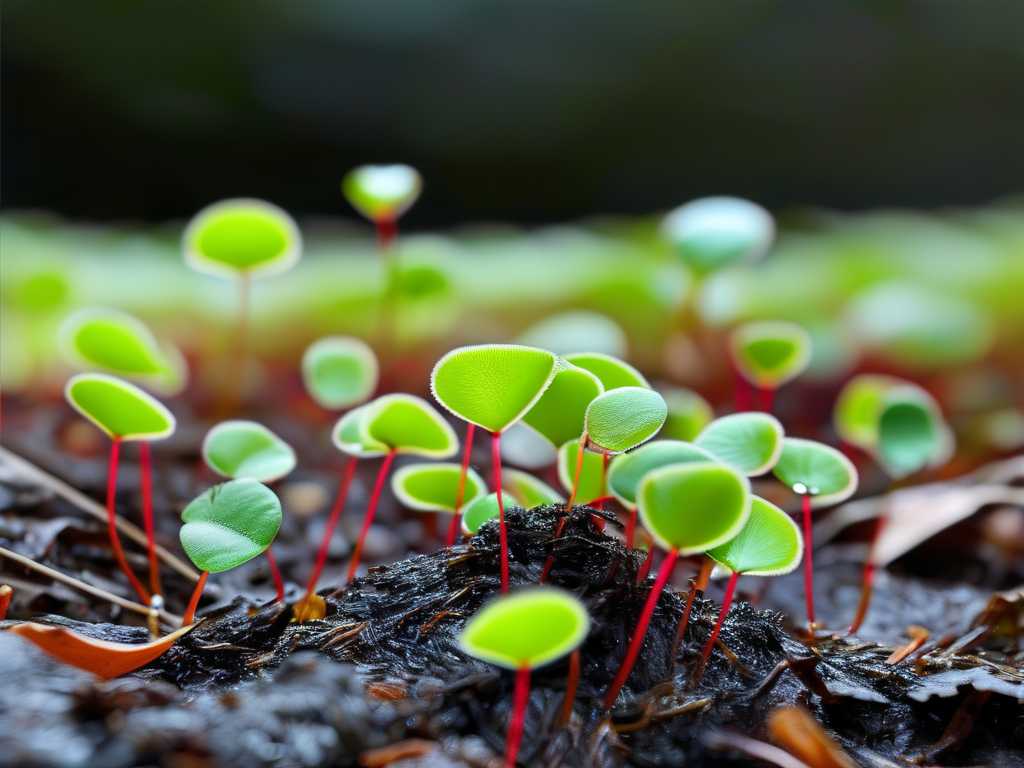
Simple rule: Soil acidity builds up when water sits too long. Drainage is everything.
My Two-Week Fix Plan
I started with a sick sundew. The pot had white mold on the surface. The soil smelled like vinegar. Here is exactly what I did.
Day 1: Emergency Repot
I pulled the plant out carefully. The roots were brown and mushy. I cut off dead roots with sterilized scissors. Then I made fresh soil:
- 1 part rinsed peat moss (pH 5.5)
- 1 part horticultural perlite (pH 7.0)
- No fertilizer. None. Zero.
Key detail: I soaked the peat moss in distilled water for 30 minutes before mixing. This flushed out excess acids.
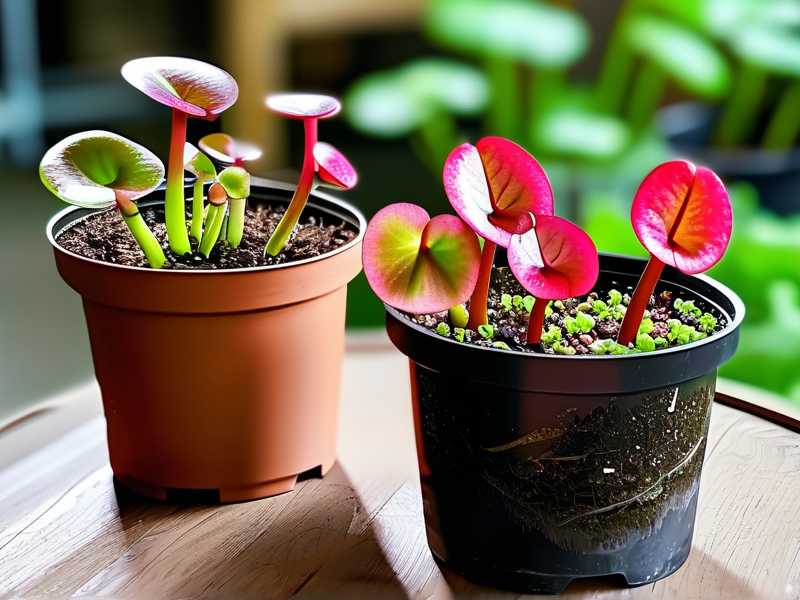
I used a plastic pot with drainage holes. Ceramic pots hold too much moisture. I learned that from my second dead sundew.
Day 3: Watering Correction
I was watering every day before. Big mistake. Now I only water when the top inch of soil is dry to the touch. For my 4-inch pot, that means once every three days. I use distilled water only. Tap water contains minerals that raise pH over time.
Quick tip: Test pH with a cheap meter. I bought one for $12. It saved my plants.
Day 5: First Observation
The new growth looked greener. The old leaves stopped yellowing. I saw tiny new dew droplets forming. This was a good sign.
But I noticed something strange. The soil surface still had a faint sour smell. I checked pH: 5.2. Still acidic but acceptable.
Day 7: Adding Drainage Layer
I repotted again. This time I added a 1-inch layer of coarse perlite at the bottom. This prevents water from pooling. The RHS recommends this for all bog plants.
Real talk: I should have done this from the start. Stagnant water breeds acid.
Day 10: pH Stabilization
The soil pH settled at 5.5. The plant looked healthier. New leaves were wider. The dew was sticky again. I stopped panicking.
Day 14: Full Recovery
The sundew produced three new traps. The old damaged leaves dried up. I trimmed them off. The soil smelled neutral. pH measured 5.4.
Final check: I watered less frequently. The pot felt lighter between waterings. That meant the roots were breathing.
Beginner's 3 Deadly Mistakes
Mistake 1: Overwatering
90% of indoor plants die from overwatering. Sundews are no exception. I drowned my first plant by keeping the soil wet all the time. The roots suffocated. Then they rotted. Then the soil turned acidic.
Fix: Water only when the top inch dries. Use a pot with drainage holes. Never let the pot sit in standing water for more than 30 minutes.
Mistake 2: Wrong Light Placement
I put my sundew in a north-facing window. It got weak light for 4 hours daily. The plant stopped producing dew. Without dew, the plant couldn't catch bugs. The soil stayed wet longer. Acidity built up.
Fix: Sundews need bright indirect light for 6-8 hours daily. South or east windows work best. I now use a grow light for 12 hours in winter.
Mistake 3: Using Wrong Pot Material
Ceramic and terracotta pots absorb moisture. They also release minerals into soil. These minerals raise pH slowly but surely. My third plant died from pH swing because the terracotta pot leached calcium.
Fix: Use plastic or glazed ceramic pots. No porous materials. The AHS confirms that plastic pots are best for carnivorous plants.
Common Questions About Sundew Soil Acidity
Q1: Can I use tap water temporarily?
No. Tap water contains calcium, magnesium, and chlorine. These minerals raise pH. One week of tap water can shift pH by 0.5 points. Use distilled, reverse osmosis, or rain water only. I collect rain water in a bucket. It's free and perfect.
Q2: How often should I repot?
Every 12 months. Soil breaks down over time. Peat moss decomposes and releases acids. Perlite loses structure. After a year, the soil compacts and drains poorly. I repot all my sundews every spring.
Q3: What pH meter should I buy?
Get a digital soil pH meter. The analog ones break easily. I use a three-in-one meter that also reads moisture and light. It costs $15 on Amazon. Worth every penny. Test soil every two weeks during active growth.
Final Thoughts From My Experience
I've killed more plants than I care to count. But every failure taught me something. The biggest lesson? Soil acidity is a symptom of bad watering habits, not the cause. Fix the watering, and the acidity fixes itself.
Let me summarize the simple rules:
- Water only when the top inch dries
- Use distilled water always
- Repot every year with fresh peat and perlite
- Use plastic pots with drainage
- Test pH monthly
- Give 6-8 hours of bright light daily
My sundews now thrive. No more yellow leaves. No more mold. No more vinegar smell. You can do this too. Just remember: less water, better drainage, and patience. The plant will tell you what it needs if you pay attention.
One more thing: Don't be afraid to repot mid-season if you smell sour soil. It's better to shocked the plant briefly than let it drown in acid. I've done emergency repots in July. The plants bounced back within two weeks.
Good luck with your sundews. They're tougher than you think. They just need the right conditions.