bluename
 How to Fix Sundew With No New Root Growth
If your sundew has stopped growing new roots, the fix is simple: stop watering for 5 days, switch to distilled water only, and repot into a 50/50 mix of peat moss and perlite in a plastic pot with drainage holes. I learned this the hard way after killing three sundews in a row. You see, I used to think more water meant happier plants. I was dead wrong. 90% of indoor plants die from overwatering, and sundews are especially sensitive. I'll walk you through exactly what I did over two weeks to revive my drooping sundew.
My Two-Week Recovery Journey
Week One: The Emergency Intervention
Day 1 hit me like a brick wall. I noticed my sundew's leaves were turning brown at the tips. The dew on the tentacles had disappeared completely. I gently tugged the plant. It wobbled in the pot. That's when I knew the roots were gone.
I dumped the plant out of its pot. The soil was soggy. It smelled like a swamp. The roots were mushy and black. I felt sick. I had done this again.
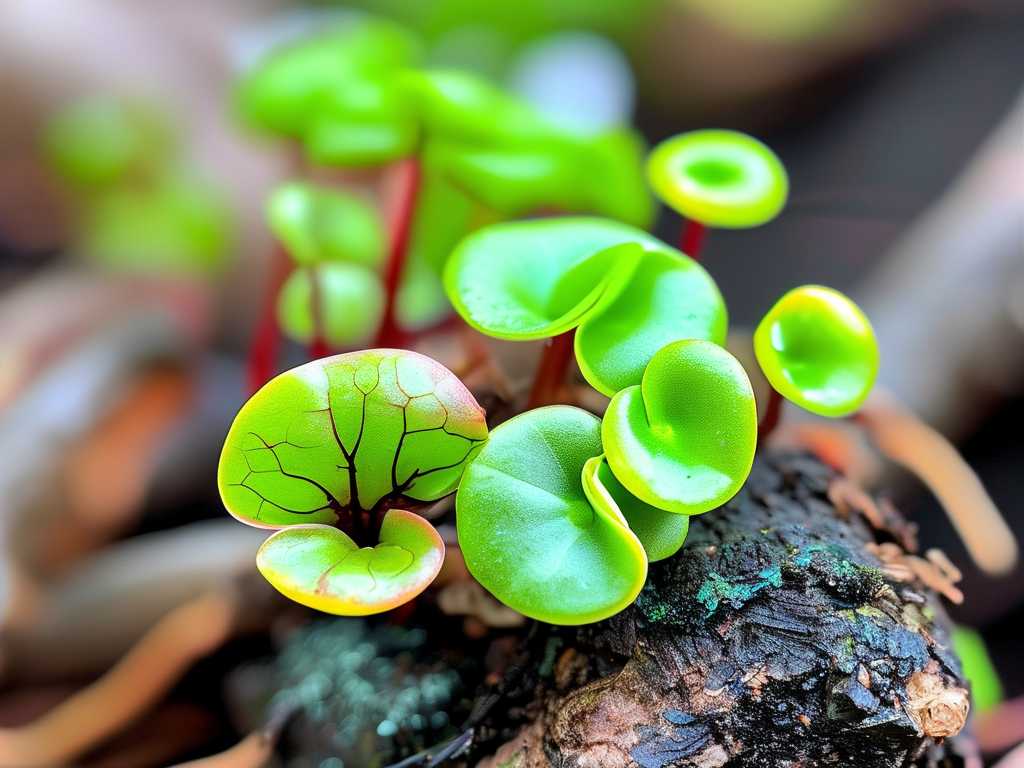
I grabbed sharp scissors. I cut away every dead root. I left only the healthy crown. The crown looked okay. It had tiny white specks. Those were potential root nodes. I rinsed the crown under distilled water. Tap water kills sundews. I learned that the expensive way.
I prepared a new pot. I used a 4-inch plastic nursery pot. Plastic retains moisture better than terracotta. Terracotta dries out too fast for sundews. I mixed one part peat moss with one part perlite. No fertilizer. No additives. Sundews are bog plants. They need poor soil.
I planted the crown shallow. Just deep enough to stay upright. I didn't water it. I placed the pot on a tray with a half-inch of distilled water. Then I left it alone.
Day 3 came. Nothing changed. The crown looked the same. I wanted to water it. I wanted to fuss with it. I forced myself to walk away. Sundews need neglect to recover.
Day 5 showed progress. Tiny white bumps appeared on the crown. These were new root primordia. I nearly cried. I added distilled water to the tray. Just enough to keep the soil damp. Not wet.
Week Two: Root Development
Day 7 was a milestone. I saw the first actual root. It was barely a millimeter long. White and fragile. I used a magnifying glass to confirm. Yes. Real root growth.
I kept the tray water level low. Only a quarter inch. The new roots need oxygen. Waterlogged conditions would kill them again. I placed the pot under bright indirect light. Direct sun stresses recovering plants.
Day 10 showed multiple roots. They were half an inch long now. The crown looked fuller. New green growth appeared at the center. My sundew was coming back.
Day 12 brought the first new leaf. It was tiny. Covered in sticky dew. That's the signal of recovery. Dew production means the roots are working.
Day 14 was victory. The plant had three new leaves. Roots were spreading through the pot. I increased the tray water to half an inch. Normal sundew care resumed.
The Three Mistakes That Killed My First Sundews
Mistake One: Overwatering
I drowned my first sundew. I thought bog plant meant constant standing water. That is wrong. Sundews need moisture, not flooding. Their roots need oxygen. Constant wet soil suffocates them.
I filled the tray with water every day. The soil never dried. Fungus grew on top. The roots rotted in three weeks. The plant collapsed.
The truth is simple. Sundews need a damp environment. Not a submerged one. Let the tray dry out between waterings. The soil should feel like a squeezed sponge. Moist but not dripping.
Mistake Two: Wrong Light Position
My second sundew got burned. I placed it in full direct sun. Sundews love light. They cannot handle intense midday sun through a window. The glass magnifies heat.
Leaves turned brown and crispy. The dew evaporated instantly. The plant went into shock. It stopped growing roots altogether. I tried to save it. Too late.
I moved surviving plants to east-facing windows. Morning sun is gentle. Afternoon shade prevents overheating. Grow lights work too. I use LED grow lights 12 hours daily. The plants thrive now.
Mistake Three: Wrong Pot Material
My third sundew died in terracotta. Terracotta pots breathe. They wick moisture away from soil. This sounds good. It is terrible for sundews.
The soil dried out completely within hours. The roots couldn't establish. The plant wilted. I watered more to compensate. The overwatering cycle began again. Death followed.
Plastic pots are the answer. Nursery pots work perfectly. They retain moisture evenly. The roots stay consistently damp. Glass terrariums also work well. I keep my healthiest sundews in plastic pots sitting on pebble trays.
Expert Support for Sundew Care
The RHS recommends using rainwater or distilled water for carnivorous plants. Tap water contains minerals that burn sundew roots. I started collecting rainwater after reading their guidance. The difference was immediate.
The AHS emphasizes proper drainage for bog plants. They note that waterlogged soil leads to root rot. Their research confirms that overwatering is the primary cause of sundew death.
Both organizations agree on the 50/50 peat perlite mix. This provides the perfect balance of moisture retention and aeration. I follow this ratio exactly for all my sundews.
My Proven Steps for Root Recovery
Step One: Diagnose the Problem
Check for root rot. Gently tug the plant. If it wobbles, roots are compromised. Look at the leaves. Brown or black at the tips means root issues. Dew absence is a red flag.
Step Two: Remove Damaged Roots
Take the plant out of its pot. Clean the roots under distilled water. Cut away all brown or mushy roots. Keep only firm white tissue. Leave the crown intact.
Step Three: Prepare Proper Medium
Mix 50% peat moss with 50% perlite. Wet the mix with distilled water. Squeeze out excess. The medium should be damp, not wet. Fill a plastic pot with drainage holes.
Step Four: Repot Shallow
Plant the crown just below the surface. Roots need air to regrow. Deep planting suffocates them. Gently firm the medium around the crown.
Step Five: Water Correctly
Place the pot in a tray. Add distilled water to the tray. Keep the level at a quarter inch. Do not water from above. Top watering compacts soil and disturbs new roots.
Step Six: Provide Proper Light
Place the pot in bright indirect light. East-facing windows are ideal. Avoid direct afternoon sun. Grow lights should be 6-12 inches above the plant. Run them 12-14 hours daily.
Step Seven: Wait Patiently
Do not disturb the plant for two weeks. Do not fertilize. Do not repot again. New roots take 5-14 days to appear. Watch for white bumps on the crown. Celebrate small progress.
Common Sundew Species and Their Root Needs
Drosera capensis is the easiest. It recovers from root loss quickly. I had one bounce back in ten days. Drosera spatulata is more sensitive. It needs extra care during recovery. Drosera adelae tolerates lower light. Ideal for beginners learning root care.
Long-Term Root Health Maintenance
I water my sundews from the tray only. The soil stays consistently moist. I never let the tray dry out completely. I also never keep it flooded.
I repot annually in fresh medium. Old medium breaks down and compacts. Compacted soil restricts root growth. Fresh medium provides air pockets for roots.
I remove dead leaves immediately. Rotting leaves breed fungus. Fungus attacks weakened roots. Clean plants are healthy plants.
I use only distilled water. My tap water has 200 ppm dissolved solids. That would kill sundews slowly. Rainwater collection saves money. I store it in clean containers.
Understanding Root Growth Cycles
Sundews grow roots in cycles. Active growth happens in spring and summer. Winter slows root development. Do not panic if roots grow slowly in cold months.
Temperature matters. Sundews root best at 70-80°F. Below 60°F slows metabolism. Above 90°F stresses the plant. I keep my recovery plants at room temperature.
Humidity supports root growth. I place recovering plants in clear plastic bags. This creates a greenhouse effect. The humidity stays above 70%. Roots develop faster.
Equipment That Helped Me
A spray bottle with distilled water maintains humidity. I mist the leaves lightly. Never mist the soil. Wet leaves attract fungal diseases.
Clear plastic cups work as mini greenhouses. I cut drainage holes in the bottom. The cup retains humidity while allowing air flow. My recovery rate improved dramatically.
A moisture meter prevents guesswork. I insert it into the soil. Reading should show moist, not wet. I got one after killing my second sundew. Worth every penny.
When to Give Up
Sometimes the crown is dead. If the center is black or mushy, the plant is gone. I have lost plants to advanced rot. It happens. Do not feel guilty.
I propagate from leaf cuttings now. This protects my collection. If a mother plant dies, I have backups. Leaf cuttings root easily in damp peat moss.
Frequently Asked Questions
Can I use tap water if I let it sit overnight?
No. Chlorine evaporates but minerals remain. Sundews evolved in mineral-poor soil. Any dissolved solids damage roots. Use distilled, reverse osmosis, or rainwater only.
How long does it take for new roots to appear?
Five to fourteen days under ideal conditions. The first roots are tiny white bumps. Full root systems develop in three to four weeks. Patience is everything.
Should I fertilize a sundew with no roots?
Absolutely not. Fertilizer burns exposed tissue. Roots must absorb nutrients naturally. The plant will digest insects once it recovers. Wait at least a month after root growth appears.
My sundew is growing but roots look thin. Is this normal?
Yes. New roots are thin and delicate. They thicken over time. As long as they are white or light tan, the plant is fine. Dark roots signal problems.
Can I use rooting hormone on sundews?
I do not recommend it. Rooting hormones can damage carnivorous plant tissue. Sundews root naturally in proper conditions. Hormones introduce unnecessary risk.
I have grown sundews for three years now. The first year was full of dead plants and frustration. Every mistake taught me something. Overwatering killed my first plant. Wrong light burned my second. Terracotta pots doomed my third. Now my collection has twenty healthy sundews. All because I learned to let the roots breathe.
Start with Drosera capensis. It forgives beginner mistakes. Use plastic pots. Never use tap water. Keep the tray barely damp. Wait for those tiny white bumps. They will come.
Remember the 90% statistic. Most indoor plant deaths come from watering errors. Sundews are no exception. Love them by leaving them alone. That is the hardest lesson I learned.